

Ruijian Medicine Advances Cell Therapy Pipeline with Proprietary Chemically-Induced Platform and Appoints Global Scientific and Operational Leaders

iRegene Therapeutics
Cell Therapy Product Developer
Key Personnel Appointments Reveal the Latest Development Trends of a Growing Regenerative Medicine Company.
In August 2022, Wuhan iRegene Therapeutics Co., Ltd. ("iRegene"), a company dedicated to the development of chemically induced adult cell therapies, officially announced the appointment of Dr. Yonglun Luo, researcher at the European Molecular Biology Laboratory-Danish Research Center for Translational Neuroscience and professor in the Department of Biomedicine at Aarhus University in Denmark, as the company's "International Breakthrough Innovation Science Officer." Concurrently, Mr. Emmanuel Montet, former Vice President of China and Asia at IPSEN Asia, was appointed as the company’s Special International Operations Consultant. The addition of these two prominent members fully affirms iRegene's prior work and future development strategy.
Public information shows that iRegene is the world's earliest high-tech pharmaceutical company dedicated to researching highly efficient small-molecule chemical induction for functional cell regeneration, aiming to provide new solutions for "incurable" diseases such as Parkinson's disease and blindness. Currently, focusing on the study of cell fate regulation mechanisms and their transformation, the company has built a knowledge graph based on developmental biological regulatory networks, as well as a cell drug development technology platform based on chemical induction, and has implemented comprehensive and systematic patent arrangements.
The disclosure of the two key positions in this round clearly indicates that iRegene has already embarked on its international strategic layout.
According to reports, the iRegene International Research and Development Center is expected to be put into use within the year, further accelerating the international exploration of breakthrough technologies in the field of regenerative medicine. The introduction of an "International Operations Consultant," particularly the addition of Mr. Emmanuel Montet, who has extensive experience in business and operations at multinational companies, demonstrates the company’s strong confidence in its products under development, as well as its determination to enter the international market. This move will also further enhance the company’s strategic intent to refine its cross-border governance structure.
"Develop new technologies such as gene therapy, stem cell treatment, and immune cell therapy, strengthen industry-academia-research-application collaboration, accelerate the transformation of related technological products and clinical applications, and promote the formation of new treatment models in regenerative medicine and precision medicine." The "14th Five-Year Plan for Bioeconomy Development" published in 2022 has anchored the direction for the development of China's bioeconomy. Among these, stem cell technologies, including iPS, and the industrialization of regenerative medicine are top priorities.
Among them, the cell drugs that iRegene focuses on are the third generation of drugs following small-molecule chemical drugs and large-molecule protein drugs, also known as "living drugs." Their essence is to dedifferentiate mature human cells back into induced pluripotent stem cells (iPSCs) similar to embryonic stem cells, and then further transform them into mature functional cells for treatment.
Based on this technological foundation, it has become a reality to replenish damaged or degenerated functional cells in the human body. Compared to the flourishing developments in the oncology field, the central nervous system (CNS) area, despite presenting more R&D challenges, also hints at greater breakthroughs. Parkinson's disease, being one of the conditions with the clearest pathology in the CNS field, is also the most suitable for iPSC intervention.
From a global perspective, iPSC-derived cell therapies, as an entirely new treatment approach, have also garnered significant attention. Bayer, the international giant, has already seen initial success in this field. BlueRock, a subsidiary of Bayer, has entered phase one clinical trials and achieved positive results, further demonstrating the efficacy and safety of iPSC-derived cells in the treatment of Parkinson's disease. It is foreseeable that breakthroughs in this field will bring enormous commercial value in the near future.
Founded in 2017, iRegene is an early participant in the relevant field.
For a long time, iRegene has always adhered to the principle of "starting from the real needs of patients and addressing genuine clinical demands," dedicating itself to the development of chemically induced pluripotent stem cell (iPSC) derived somatic cell drugs, providing "accessible" treatments for diseases that currently have no substantial cure.
The information on the company's official website shows that iRegene has rapidly completed the layout of multiple R&D pipelines. In addition to cell drugs targeting Parkinson's disease, spinal cord injury, stroke, and other neurodegenerative diseases, the company is also exploring the potential of cell drug treatments in optic neuropathy, diabetic retinopathy, amyotrophic lateral sclerosis, and liver metabolism.
In addition, the company also began in-depth communication with regulatory agencies, including the FDA, as early as 2019.
"It is very necessary to jointly advance the research and development of products with regulatory authorities in the early stages of drug development," said Dr. Wei Jun, co-founder and CEO of iRegene. According to her, as an explorer in the field, iRegene has also been deeply involved in the formulation of relevant guidelines in China.
"We firmly believe that the development of China's regenerative medicine industry is about to enter a fast track. To achieve true international innovation in the field of regenerative medicine, China must be courageous in taking on the responsibility and obligation of exploratory work," said Dr. Wei Jun.
Although the prospect is bright, as a new treatment method, the transformation process of iPSC still faces many challenges.
In fact, since the invention of iPSC in 2006, its application safety has been widely concerned. How to avoid the formation of teratomas has been a research hotspot in the field. Moreover, there is a clear international consensus in both academia and industry, among which the most fundamental is the efficiency of iPSCs converting into functional cells. High-efficiency conversion is the basis for iPSCs to move towards industrialization.
Previously, there were instances in the market where certain institutions caused teratomas during non-standard clinical trials of human iPSCs, which further raised concerns about the safety of iPSC applications.
"The biggest bottleneck in the clinical application of iPSC lies in the efficiency of derived cell conversion, which Professor Shinya Yamanaka, the inventor of iPSC, has repeatedly emphasized," introduced Dr. Wei Jun. Low conversion efficiency can lead to residual iPSC cells, posing a subsequent risk of tumorigenicity and simultaneously affecting the final efficacy of the product. Therefore, an efficient functional cell differentiation system is key to the rapid commercialization of iPSC.
It is reported that iRegene is currently working with the evaluation agency to actively carry out IND supplementary research in response to the recent concentrated emergencies in the iPSC field.
"More rigorous exploration in the preclinical stage is essential. Only by addressing more detailed issues preclinically can we truly accelerate the NDA process of a new drug. We believe this is also a more responsible approach to patients! Any new drug must demonstrate true competitiveness in clinical trials to realize its ultimate commercial value." Dr. Wei Jun also pointed out that working with CDE to advance regulatory details in the iPSC field is an important and necessary step for China to catch up with international standards in this area.
In addition to prudent preclinical research and exploration, iRegene has chosen to independently develop a multifunctional stem cell product development platform based on artificial intelligence (AI) screening of small molecule compounds as inducers and culture medium since its establishment, with the aim of achieving efficient transformation of induced pluripotent stem cells.
Through extensive deep analysis of omics based on AI technology, iRegene is able to perform differential analysis between induced pluripotent stem cells and target transformed cells. This helps determine which genes govern the direction of cell differentiation and maturation, thereby establishing induction protocols for derivative cells to ensure their efficient differentiation in industrial-scale production — a key issue often overlooked in the industry.
Taking iReMeta, one of the company's core platforms, as an example, this platform is a data and algorithm platform based on developmental biology omics. By utilizing knowledge graphs for target enrichment analysis and combining the topological structure of interaction networks to calculate the influence of each pathway and the importance of each target, iRegene has been able to identify key pathways and genes in specific developmental routes. Furthermore, they have deeply determined the most suitable cell states for treatment. These factors serve as core screening criteria, assisting the iRegene team in matching and screening small molecule compounds that can play an inducing role. This cell screening concept has also enabled the company to achieve faster and better therapeutic effects compared to international competitors.
In addition, iRegene has established a unique reporting system and high-throughput screening platform to quantitatively screen compounds. This process also includes organoid validation and various omics analyses, ultimately identifying compound molecules and combinations that can efficiently induce the desired effects.
After fully understanding the operational mechanism of iPSC differentiation, iRegene is able to use appropriate chemical small molecules to efficiently induce the transformation of pluripotent stem cells into target cells. By using the right chemical small molecule "switches" to initiate a standardized differentiation process at each cell level, the company addresses the challenges of asynchronous industrial-scale differentiation and low efficiency, ultimately achieving a stable development process with target cell purity exceeding 99%.
It is worth mentioning that the transformation efficiency is not only closely related to the safety and efficacy of the drug, but also affects the production cycle and cost of the product to a certain extent.
According to Dr. Wei Jun, iRegene's unique chemical induction platform avoids the use of expensive viral work, while the production cycle and costs are effectively controlled. "This was also the vision established at the founding of iRegene – to develop affordable cell therapies for patients. The iRegene team firmly believes that in addition to the quality of the product itself, considering future commercialization factors as part of the research purpose is extremely important."
Behind every technological breakthrough, there are always core R&D personnel providing support.
Currently, iRegene has built an international team with work and study backgrounds in the UK, US, Germany, Australia, and Japan, covering cutting-edge fields such as developmental biology, molecular biology, algorithm research, computational chemistry, and tissue engineering. More than 1/8 of the company’s members are overseas-introduced talents, forming a strong talent梯队 and management mechanism with powerful innovation capabilities.
In addition, the innovative genes possessed by iRegene have brought strong extensibility to the platform. In the company's future blueprint, cell products are merely one of the earliest areas where iRegene has focused its efforts. Taking the compound platform as an example, iRegene not only uses novel structural compounds in a forward-looking manner to achieve cellular state transformation, but its computational chemistry team has also built compound design platforms based on small nucleic acids and epigenetic regulation, respectively, and utilized these platforms to control immunogenicity.
Adhering to the principle of independent innovation, the newly appointed "International Breakthrough Innovation Science Officer" Dr. Yonglun Luo will further assist iRegene in utilizing breakthrough technologies for international cutting-edge exploration.
According to the resume information, Dr. Yonglun Luo is currently a researcher at the European Molecular Biology Laboratory - Danish Research Centre for Translational Neuroscience, and also a professor in the Department of Biomedicine at Aarhus University in Denmark. In his early years, he completed significant research work in the field of regenerative medicine at Novo Nordisk in Denmark, the University of Edinburgh in the UK, and the George Church Lab at Harvard Medical School.
"Dr. Luo Yonglun has deep expertise in cutting-edge technologies of regenerative medicine, particularly in the fields of genomics and gene-editing tools. In the future, he will also serve as iRegene's 'window' in Europe and America, providing a global and forward-looking perspective for research and development." According to Dr. Wei Jun, iRegene's international R&D center, which exceeds ten thousand square meters, is expected to be put into use within the year. This will help develop more advanced regenerative medicine technologies to support iRegene's R&D efforts, thereby achieving international breakthroughs.
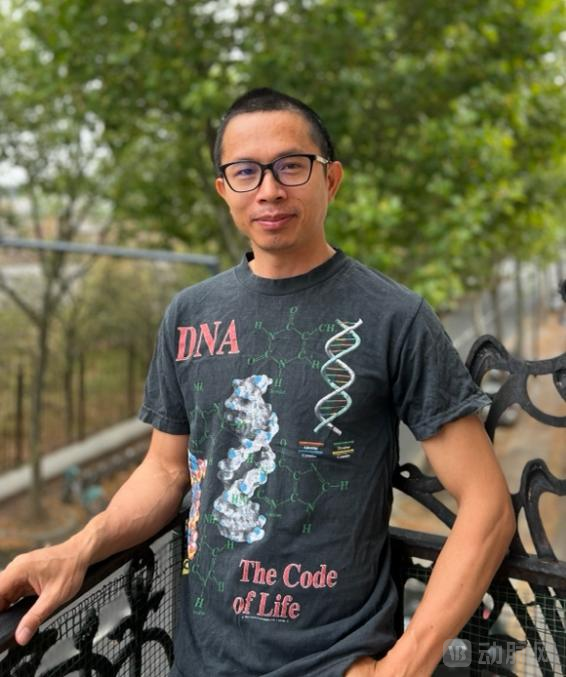
Dr. Yonglun Luo, Chief Scientific Officer of iRegene
iRegene knows well that going global requires not only technological innovation, but also a further enhancement in corporate operations and business capabilities. Mr. Emmanuel Montet, who has been appointed as iRegene's special international operations consultant, is a well-known expert in this field. With nearly 20 years of experience in the pharmaceutical industry, Mr. Emmanuel Montet has served as Vice President of China and Asia at IPSEN Asia, head of finance and industrial control at IPSEN Pharma SAS, and held key positions at GSK Biologicals and Sanofi-Aventis.
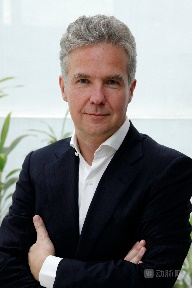
iRegene Invites International Operations Consultant Emmanuel Montet
Emmanuel Montet's past work experience reveals that he is not only proficient in corporate governance operations but also has extensive experience in international business, market access strategy development, and product distribution. This diverse background positions Emmanuel Montet to help iRegene further enhance its cross-regional corporate governance structure and provide professional advice on international business and market access after the subsequent product launch.