

"Untimely" Yang Lin: Building an Atypical CAR-T Company Over 12 Years

PersonGen
Developer of Tumor Cell Immunotherapy Technologies and Products
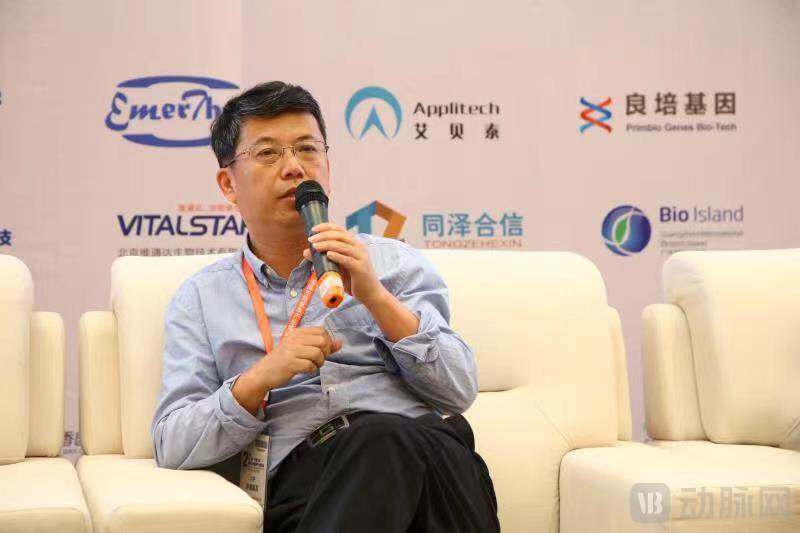
In 2014, Yang Lin, chairman of Bo sheng ji medicine science and technology (suzhou) co., LTD, spoke for the first time at an international symposium on cell therapy.
There were two CAR-T speakers at the conference, one of whom was Yang Lin. At this conference, he presented a report on the current status and prospects of CAR-T cell and CAR-NK cell therapy in cancer treatment.
This is the first public appearance of CAR-T cell therapy at an academic conference in China.
The Cell Therapy Seminar is held annually, and by 2014, it had reached its fifth session. At that time, cell therapy was in full swing in China. The most well-known CIK cell therapy was listed as a third-class medical technology, included in the medical insurance of more than a dozen provinces in China, and there was hardly any hospital that did not perform this technology.
However, the popularity of CIK cell therapy did not bring opportunities for the application of CAR-T technology in China. For Yang Lin, who specializes in CAR-T cell therapy, from the establishment of Bo sheng ji medicine science and technology (suzhou) co., LTD in 2010 to 2014, the least known four years of this technology were also the most difficult four years for Bo sheng ji.
After gaining the opportunity to present CAR-T at the International Cell Therapy Symposium, Yang Lin was finally approached by investors. But at that time, Yang Lin had no idea,In the next eight years, cell therapy ushered in a golden period of development. However, whenever faced with critical decisions, the "scientist" Yang Lin would emerge, and his non-mainstream and "untimely" personality made the growth of Bo sheng ji medicine science and technology (suzhou) co., LTD full of struggles, pain, and risks.
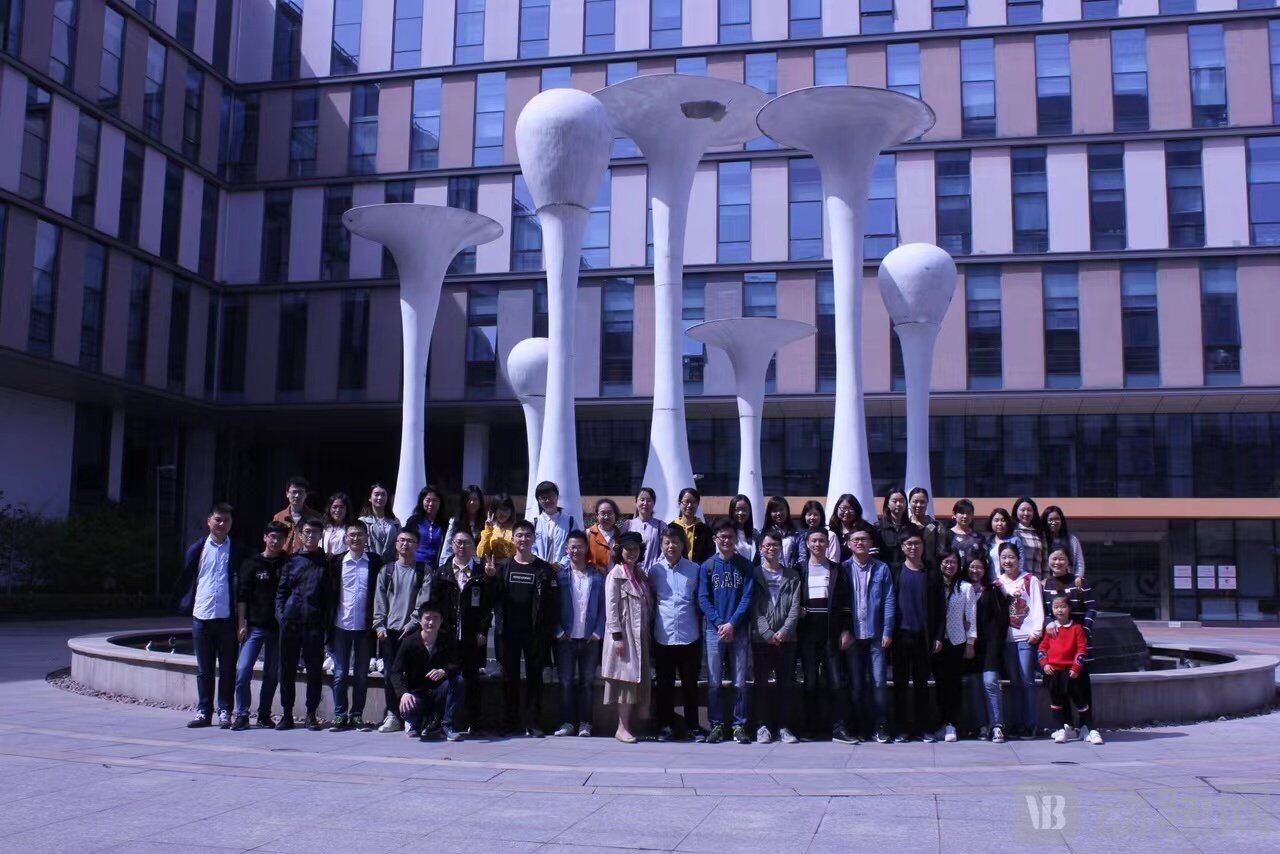
Yang Lin has conducted postdoctoral research at both the University of Rochester in the United States and the MD Anderson Cancer Center. Being a scientist has always been his "essence."
Before 2010, although he had started two businesses, he had never entered the industrial sector. Instead, he conducted academic research while managing company operations.
In 2010, Yang Lin began his third venture. This time, he returned to China, and Bo sheng ji medicine science and technology (suzhou) co., LTD, focusing on CAR-T cell therapy, was born in Suzhou.
Bringing back a completely new therapy at that time and establishing a company can be imagined to be fraught with difficulties.
When Bo sheng ji medicine science and technology (suzhou) co., LTD was founded, few people in China understood CAR-T. "At that time, CAR-T wasn’t called CAR-T. In a sense, it was considered the fourth generation of antibodies, so initially, CAR-T was actually referred to as T-body." When applying for the Suzhou Industrial Park incubation leadership talent program, the label used by Bo sheng ji was not CAR-T but humanized antibodies.
At the beginning of its establishment, Bo Sheng Ji Medicine Science and Technology (Suzhou) Co., LTD faced challenges in recruiting talent. Yang Lin, who was a specially appointed professor at Soochow University, could only choose to recruit graduates within the university. "At that time, I was thinking about how to make everyone understand what I was doing, so I described my research direction as engineered T cells, hoping it would be more comprehensible and attractive," Yang Lin recalled.
From the moment Bo sheng ji medicine science and technology (suzhou) co., LTD was founded, Yang Lin has never walked on the "mainstream" path.
When he brought CAR-T back to China, it was the era when CIK cell therapy dominated the mainstream. The market, characterized by chaotic regulation and exorbitant arbitrary charges, attracted numerous companies, many of which made huge profits.
Yang Lin never thought about following the trend. In his view, this shortcut simply doesn't work. He insisted on making CAR-T into a drug and getting it approved for marketing.
In 2016, the Wei Zexi incident erupted, leading to a complete halt of the clinical application of cell therapy. The industry was filled with lamentations, but Yang Lin saw it as an opportunity. He immediately initiated the industrialization layout of CAR-T cell therapy and, with the support of Anke Bio, established Bo Shengji Anke Cell Therapy Co., Ltd., which focuses on the industrialization of CAR-T cell therapy.
Yang Lin's "untimeliness" is also reflected in the choice of targets. Most CAR-T products developed by numerous companies have chosen the CD19 target, which has already been clinically validated abroad. However, Yang Lin chose to focus on T-cell tumors, a direction he had always been interested in, and initiated the development of the CD7 target as early as 2012.
Yang Lin once chatted with an investor at a café in BioBAY, “He thought I had made a big mistake in the past, which was not choosing CD19 at the very beginning.” The investor told him, “If you had started with CD19, Bo sheng ji medicine science and technology (suzhou) co., LTD might have been the first company in China to push CD19-CAR-T onto the market.”
Yang Lin's "untimeliness" has always caused Bo sheng ji medicine science and technology (suzhou) co., LTD to miss some development opportunities.
From missing the domestic approval of the CD19-CAR-T product to missing the golden financing period for CAR-T cell therapy from 2017 to 2020, Yang Lin's most profound reflection is:The entire process of establishing Bo sheng ji medicine science and technology (suzhou) co., LTD was "full of hardships."
In 2017, after the guidelines for cell therapy were released, investors hoped that Bo sheng ji medicine science and technology (suzhou) co., LTD could develop CD19-CAR-T products. At that time, China's innovative drug industry only had the possibility of gaining IND approval in China by aligning with products approved for marketing by the US FDA.
Faced with immense pressure, Yang Lin chose to make a painful decision to temporarily shelve the development of CD7 and instead began the IND application process for the CD19 product.
However, Yang Lin's personality made it impossible for him to fully compromise, and he did not follow the standard procedure to file an IND.
When applying for an IND for CD19-CAR-T, different CMC pathways can be chosen: one is a manual process, another is the modular process used by Juno Therapeutics and Kite Pharma, and the third is a fully automated process.
At that time,In order to obtain approval ahead of others, most companies applied with manual processes, while Yang Lin chose the fully automatic process from Germany's Miltenyi Biotec.Yang Lin had already been exposed to the fully automated processes of German company Miltenyi Biotec back in 2012, leaving a deep impression on him, and subsequently, he established a cooperation with Miltenyi.
This persistence seems correct now, but at that time, it was not understood. Critics believed that Yang Lin did not understand China's national conditions and hoped he would choose manual techniques; otherwise, Bo Sheng Ji Medicine Science and Technology (Suzhou) Co., LTD would find it difficult to receive any further support.
These words did not change Yang Lin's choice. In his view, fully automated processes represent the future of CAR-T industrialization.
But Yang Lin paid a price - Bo Sheng Ji was one of the first companies in China to apply for an IND for its CD19-CAR-T product, but the IND process was delayed due to its insistence on fully automated technology. Because the fully automated technology was too advanced, Bo Sheng Ji had to engage in multiple rounds of communication and explanation with the CDE, while also needing to generate the IND application materials based on the fully automated process. This caused Bo Sheng Ji's CD19 product to receive approval in 2019, nearly 18 months later than the first company to obtain approval.
Obtaining the IND approval is the gold standard for evaluating startups in the pharmaceuticals industry. Failing to secure the IND can significantly impact a company’s subsequent financing and development. Yang Lin, overwhelmed by anxiety and pressure as he watched one company after another obtain their approvals, found that much of his once-black hair had turned white since returning to China. In 2019, when he heard the news that the IND had been approved, his eyes welled up with tears.
During the years of striving to obtain the CD19-CAR-T IND approval, Bo sheng ji medicine science and technology (suzhou) co., LTD went through a lot of pain.The product's slow progress was only one aspect; the company's organizational structure issues caused Bo Sheng Ji Medicine Science and Technology (Suzhou) Co., LTD to completely miss the golden financing period for cell therapy from 2018 to 2020.
Bo Sheng Ji and its subsidiary Bo Sheng Ji Anke have a complex organizational relationship. Merging and restructuring the two companies is the best way to solve the financing problem.
However, in Yang Lin's view, this is a very hurtful thing emotionally. Not changing the organizational structure will deter investors; but changing the organizational structure will impact the strategic layout of Anke Biotechnology, the listed company that has consistently supported the development of Bo Sheng Ji Medicine Science and Technology (Suzhou) Co., LTD.
Anke Biotechnology is the key partner that initially provided significant support to Bo sheng ji medicine science and technology (suzhou) co., LTD. During the most challenging times, Anke Biotechnology not only invested in Bo sheng ji but also in Bo sheng ji Anke, offering assistance in various aspects such as financial aid and factory facilities.
But for the long-term development of the company, the merger of Bo sheng ji and Bo sheng ji Anke must be carried out. Until the completion of the merger and reorganization in January 2021, Bo sheng ji finally caught the tail of financing. When the capital winter had already arrived, it welcomed A-round and B-round financing in 2021 and 2022 respectively. The A-round financing was led by Yuansheng Venture Capital, with Puen Guoxin and Xiantong Capital following; the B-round financing was jointly led by CICC Qide/Huatai Zijin, with Panyi Capital and Huatong Capital following.
Yang Lin also had additional gains. Although the IND application for CD19-CAR-T encountered numerous setbacks, Bo Sheng Ji Medicine Science and Technology (Suzhou) Co., LTD ultimately paved the way for the IND registration process, laying the foundation for the independent application of subsequent products. He was also more aware that in order to keep up with the progress, he could no longer focus on CD19 but should concentrate on innovative products with first-in-class potential.
The industry is always evolving. Currently, more than 40 IND clinical approvals have been granted for CD19-CAR-T, and the development of universal CAR-T products shows a trend of catching up with autologous CAR-T.
In the face of a rapidly changing industry landscape, Bo sheng ji medicine science and technology (suzhou) co., LTD, an "atypical" cell therapy innovator, is increasingly demonstrating confidence and foresight.
After 12 years of returning to China to start a business, Yang Lin realized that the founder is the ceiling of a company.
Founders with a pure scientific background often share a common trait: an almost obsessive pursuit of technological innovation.
Yang Lin admitted that his personality when he first returned to China was somewhat different from what it is now."At that time, I was extremely arrogant and wanted to do something that others looked down on but was actually very impressive."Therefore, when Yang Lin founded Bo sheng ji medicine science and technology (suzhou) co., LTD, he only wanted to do two things: one is to develop CAR-T for solid tumors, and the other is to tackle T-cell tumors in hematological cancers, which are considered a forbidden zone.
The scientist's mindset led Yang Lin to choose the most difficult path from the very beginning, and he also admitted,"Before 2016, Bo sheng ji medicine science and technology (suzhou) co., LTD was just a laboratory. We were learning how to run a company while growing in a wild manner."
Yang Lin's overly forward-thinking ideas nearly caused the Bo Sheng Ji team to face dissolution.
When Bo Sheng Ji was first established, in addition to Yang Lin, it also introduced a world-class team of scientists with strong academic backgrounds. However, the company's cash flow difficulties, unclear CAR-T regulatory policies, and disagreements over the direction of development shook everyone's determination to continue. Less than two years after its establishment, the once high-profile team of scientists was reduced to only Yang Lin. All employees who joined before 2012 eventually left. The company’s first employee, who joined on July 1, 2012, is now the president of Bo Sheng Ji's New Drug Research Institute, leading the R&D team.
In order to keep Bo Sheng Ji Medicine Science and Technology (Suzhou) Co., LTD afloat, Yang Lin sold his only house located in the beautiful campus of Sun Yat-sen University in China. He also received 1 million yuan in investment support from Yang Jian, a young entrepreneur from Suzhou, as well as assistance from the Suzhou Research Institute of Xi'an Jiaotong University in terms of funding and venue. However, these were still insufficient to support the R&D of CAR-T therapy. Even after later receiving 1.5 million yuan in investment from the Leading Talent Fund of Suzhou Industrial Park, Bo Sheng Ji was still struggling with its R&D funding.
In 2014, after Yang Lin gained the opportunity to present CAR-T at an international cell therapy symposium, he was finally approached by investors. After 2015, the most significant document in the history of China's innovative drug industry, referred to as Document "No. 44," was issued, and Yang Lin received more invitations from investment institutions, including several listed companies such as Anke Bio.
This is Yang Lin's first time facing investors. He can't distinguish between industrial investors and institutional investors, nor does he know how to choose. He has even heard some negative comments and misconceptions about "investment institutions."
Among all the offers, Yang Lin believed that the conditions given by Anhui Ankang Biotechnology were the best. They neither sought controlling interest nor restricted Bo Sheng Ji’s development space. Thus, in 2015, the first round of financing amounting to 20 million RMB was secured. The investment from Ankang Biotechnology helped Bo Sheng Ji alleviate the urgent issue of nearly running out of funds.
Before securing funding, Bo Sheng Ji Medicine Science and Technology (Suzhou) Co., LTD conducted experiments like guerrilla warfare. From the first office on Ren'ai Road, to the Suzhou University laboratory, and then to a borrowed, rudimentary lab not far from Ren'ai Road, Bo Sheng Ji moved several times. The investment from Anke Biotechnology finally allowed Bo Sheng Ji to establish its first real laboratory on the 7th floor of Building B1 in BioBAY.
Recalling the development process of Bo sheng ji medicine science and technology (suzhou) co., LTD, Yang Lin sighed: "So we are quite different from other CAR-T companies. Many of them have glamorous professional managers. When I communicate with them, they always seem relaxed and cheerful, while I am always exhausted and covered in dust."
Now, not only does it have a decent laboratory, but Bo sheng ji medicine science and technology (suzhou) co., LTD has also developed into an area of nearly 10,000 square meters, meeting NMPA GMP standards, making it the largest fully automatic CAR-T cell production base in Asia. It also possesses full-chain production capabilities from plasmids to lentiviruses.
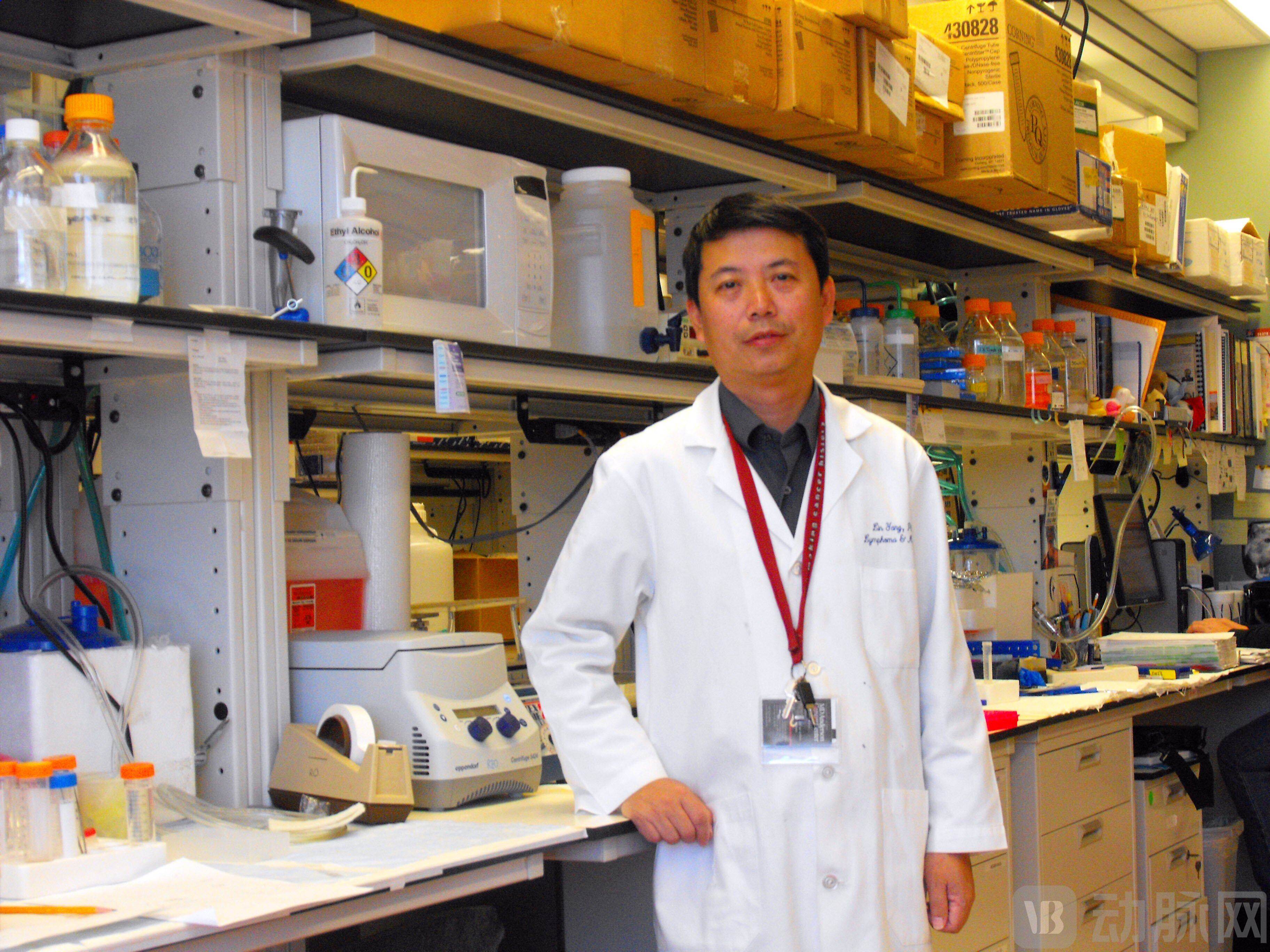
The development of Bo sheng ji medicine science and technology (suzhou) co., LTD has also attracted a large group of young, energetic PhDs and scientists who are passionate about innovative drug research and development. This new generation of talent is gradually growing into industry elites, taking on the important responsibility of driving Bo sheng ji's new drug R&D efforts.
On more than one occasion, when faced with immense difficulties and feeling exhausted, Yang Lin discovered, "What I am most reluctant to part with is this group of companions who trust me and are also passionate about this cause."
Despite a tumultuous development journey, Yang Lin has always believed that CAR-T will become the most promising biotechnological therapy in the future, and that most human diseases are expected to be alleviated through this living cellular drug.
Over the past 12 years, the growth of Bo sheng ji medicine science and technology (suzhou) co., LTD can be seen as a condensed history of the CAR-T cell therapy industry.Yang Lin and Bo Sheng Ji Medicine Science and Technology (Suzhou) Co., LTD, Growing Together with China's Cell Therapy Industry——He Has Paid a Lot of Tuition,Gradually transformed from a free-spirited scientist into a more pragmatic entrepreneur.
"For a company to do well, the most fundamental thing is to quickly bring products to market and achieve commercialization on its own. When you can support yourself, you gain the upper hand." Yang Lin's thinking has now become more mature.
But some inner beliefs will not change. He still wants to stick to what he believes is the most promising product.
Missed CD19, but you can't miss CD7 (PA3-17).
Bo Shengji's development of PA3-17 has spanned a decade, with countless setbacks. CD7 is a unique target, highly expressed on the surface of T cells. This causes CD7 CAR-T not only to kill tumor cells with high CD7 expression but also to "accidentally kill" fellow CAR-T cells expressing CD7, ultimately leading to the rapid clearance of CAR-T cells. The CAR-T therapy targeting CD7 carries the risk of "self-destruction," which is why few have chosen to develop this target.
During the R&D process, Bo Sheng Ji Medicine Science and Technology (Suzhou) Co., LTD initially attempted to use a toxin polypeptide from Pseudomonas with a CD7 nanobody for recombinant expression, but encountered the issue of overly strong immunogenicity. When seeking assistance from a renowned professor in the field at Dartmouth to modify the immunogenicity, the attempt failed due to insufficient funding and a significant reduction in the tumoricidal activity of the immunotoxin after modification. Unwilling to give up, Yang Lin also tried using CAR-NK to target CD7, but the results were not impressive.
When Bo sheng ji medicine science and technology (Suzhou) Co., LTD was developing the CD19-CAR-T product, although PA3-17 was temporarily put on hold, it gave Yang Lin more time for further optimization. Currently, the fastest progressing project at Bo sheng ji is PA3-17, which, after receiving approval in August 2021, became the world's first autologous CD7-CAR-T product to obtain IND.
Yang Lin did not give up on CD7, nor did he abandon the CAR-T product TAA06 (B7-H3-CAR-T) for treating solid tumors.
Although he had been eager to work on solid tumors after returning to China, it was not until 2018 that Bo sheng ji medicine science and technology (suzhou) co., LTD initiated the development of CAR-T for solid tumors, initially targeting the MUC1 antigen.
In the treatment of solid tumors, Yang Lin first considered the issue of safety. At that time, after the world's first HER2-CAR-T therapy for solid tumors was infused into a patient, the patient passed away just five days later due to the on-target/off-tumor effect, as the CAR-T attacked the patient’s lungs. The abnormal glycosylation of MUC1 made it an ideal target. However, due to the shedding issue of the MUC1 antigen epitope, Bo sheng ji medicine science and technology (suzhou) co., LTD ultimately abandoned the development of CAR-T products targeting MUC1 and shifted focus to the B7-H3 target.
In July this year, TAA06 received approval, becoming the world's first solid tumor B7-H3-CAR-T product to be approved for IND. Its first indication is neuroblastoma, a condition that almost exclusively occurs in children, with an incidence rate ranking third among commonly occurring pediatric tumors, following leukemia and brain tumors. Bo sheng ji medicine science and technology (suzhou) co., LTD's TAA06 is dedicated to filling the gap in CAR-T treatment for pediatric solid tumors.
In fact, Yang Lin has more ideas he wants to realize. But in the face of a capital winter, he chooses to keep a low profile and accumulate enough energy to continue doing what he wants. He decisively slowed down the progress of certain projects and invested more resources into advancing the research and development of universal off-the-shelf cell therapy drugs. Developing affordable and effective cell-based medicines for patients remains Yang Lin's unwavering ideal and pursuit.
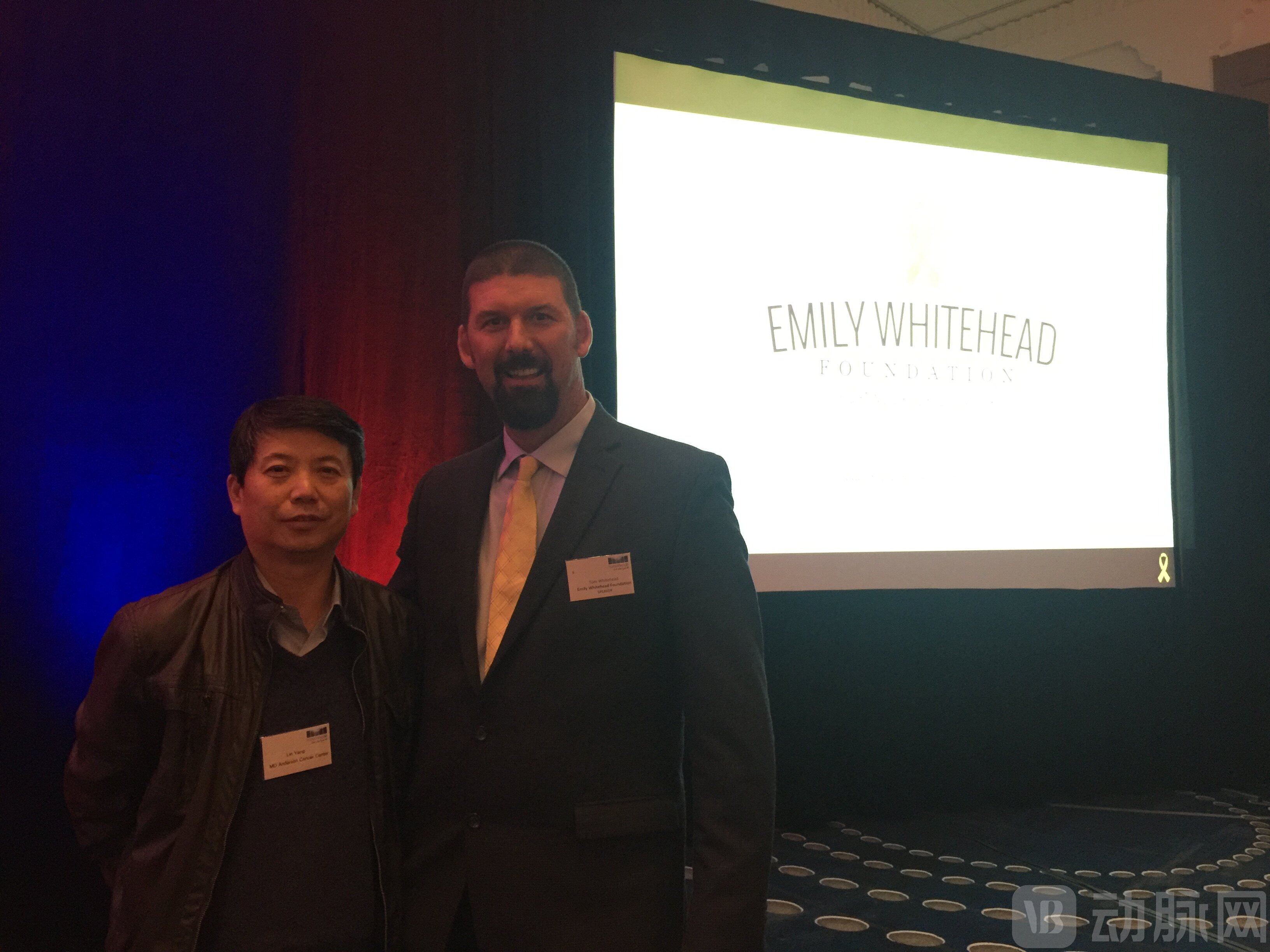
Yang Lin poses with the father of Emily, the world's first leukemia patient to receive CAR-T therapy
During the entrepreneurial process, the sentence Yang Lin heard most often was: "The industry is least optimistic about two types of people starting businesses, one is professors, and the other is returnees. If we define a founder this way, Yang Lin, who is both a professor and a returnee, is not seen as promising."
However, if these two types of people can persevere, they are often the most valuable.
Perhaps, Yang Lin is not out of place; his steps have always been one ahead of the times. Over the past 12 years, though having taken a winding path, he has shaped Bo Sheng Ji Medicine Science and Technology (Suzhou) Co., LTD, a unique CAR-T cell therapy enterprise in this industry.