

Former Fosun Executive Guan Tao Joins siRNA Innovator Hygieia Pharmaceuticals as CEO
Hygieia
Small Interfering RNA (siRNA) Drug Developer
VCBeat exclusively learned that,Guan Tao, former partner of Fosun's healthcare sector, has recently joined Hygieia Pharmaceuticals, an siRNA innovative drug company, as CEO on a full-time basis.
Hygieia began assembling a research and development team in China in 2017. It is an innovative company focused on the research and development of siRNA small nucleic acid drugs delivered through conjugation.As one of the earlier companies in China to deploy siRNA small nucleic acid drugs, the first in China to obtain patent authorization for the GalNAc small nucleic acid technology platform.Hygieia has completed nearly 100 million RMB in early-stage financing, and its first GalNAc-siRNA pipeline has been successfully out-licensed.
Although it has gained recognition in the industry, Hygieia has remained very low-profile. Guan Tao got to know the Hygieia team while he was still working at Fosun and has maintained in-depth communication with them ever since. Hygieia now owns a technology platform with full independent intellectual property rights, has built up a patent barrier, and is about to have a GalNAc-siRNA drug approved for IND. It has successfully passed the platform validation stage and started to enter the industrial system construction phase.Guan Tao hopes to leverage his strengths in resource integration and allocation to help Hygieia establish a high-standard R&D and production system, and comprehensively expand partnerships both in China and internationally. He thus decided to join Hygieia full-time.
Recently, VCBeat's New Medicine interviewed Guan Tao, discussing with him the industrial opportunities of siRNA drugs in China and the latest progress of Hygieia.
Guan Tao has over a decade of R&D and commercial experience in telecom companies like Huawei, later transitioning to become a health industry investor. He has accumulated more than ten years of experience in investing, managing, and nurturing innovative pharmaceutical enterprises, having served as the President of Fosun Group's StarFuture Capital, Managing Partner of Shenzhen Share Investment, and Executive Dean of Fosun StarFuture Research Institute.
He started paying attention to the small nucleic acid field very early on, and in 2020, while working at Fosun, he conducted an in-depth and comprehensive investigation into China’s small nucleic acid market as well as early-stage small nucleic acid companies.We concluded at the time that the small nucleic acid track in China had great potential, but there was an urgent need for a team with comprehensive capabilities.。”
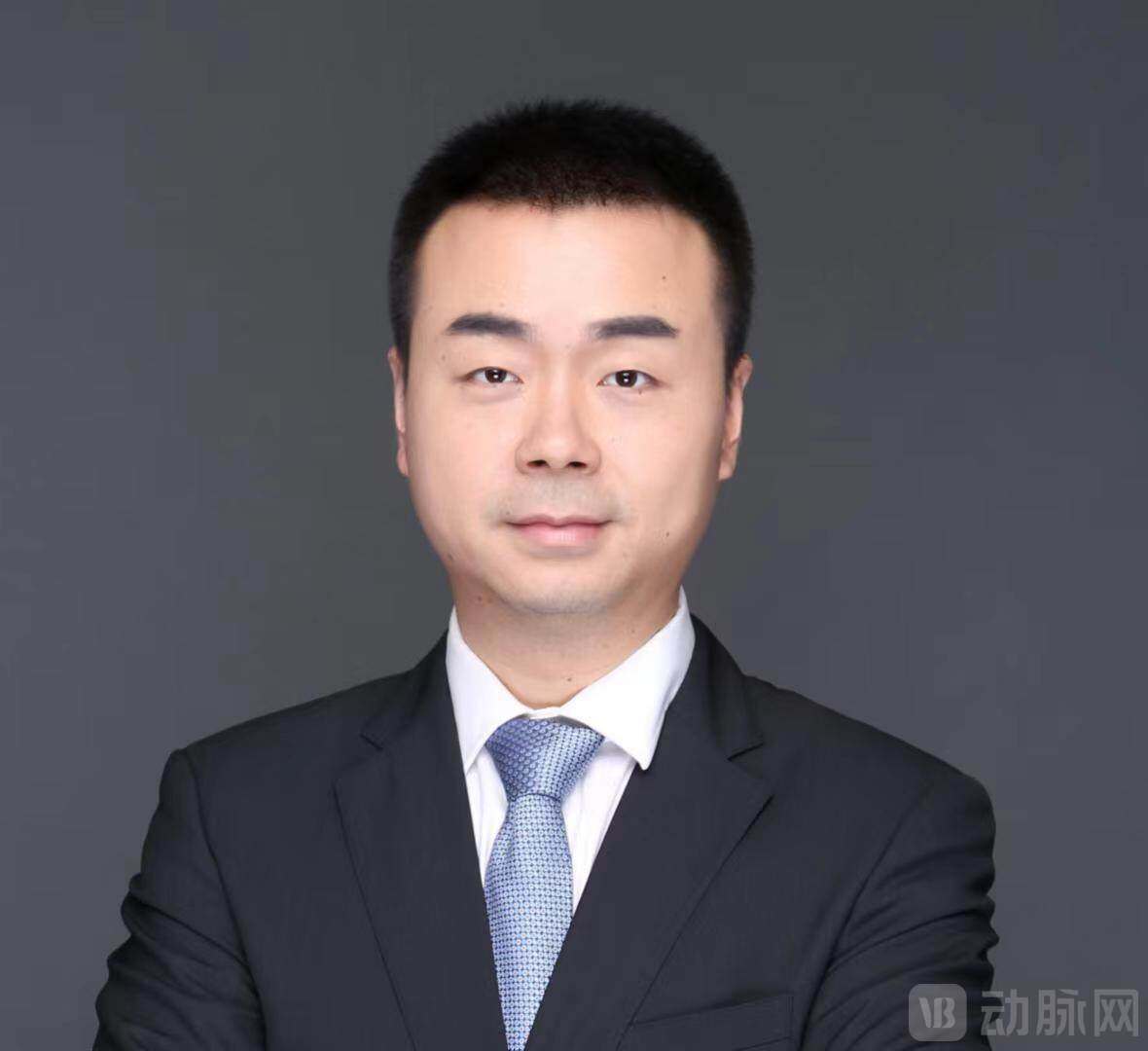
Hygieia CEO Guan Tao
This is indeed the current state of the small nucleic acid field in China. Compared with traditional small molecule and antibody drugs, small nucleic acid drugs can target difficult-to-drug molecules, greatly enriching drug targets; they are designed efficiently and can reduce screening time costs through base complementary pairing while maintaining good specificity; the success rate of R&D is much higher than that of small molecule and protein drugs. Guan Tao believes that "in the next 5 to 10 years, small nucleic acid drugs will be the third generation of drug technology wave following small molecules and antibody drugs."
At present, small nucleic acid drugs can not only treat genetic diseases, but also have heavyweights like Inclisiran for common cardiovascular diseases on the market. However, there are currently five siRNA drugs approved for marketing globally, all of which were independently developed or co-developed by Alnylam, the giant in the U.S. small nucleic acid field. In China, there are no siRNA drugs on the market yet, and most product pipelines are still in clinical or preclinical stages.
Guan Tao believes that foreign countries have accumulated more experience in the small nucleic acid field over a longer period, resulting in more mature technology. Therefore, it is normal for China to have gaps in some core small nucleic acid technologies in the short term. Guan Tao once witnessed Huawei achieving global leadership in 5G through continuous technological iteration. In his view, pharmaceutical companies, like IT companies, can gradually catch up with or even surpass leading foreign companies by continuously upgrading their technologies.
Hygieia's technical team has more than 20 years of accumulation in small nucleic acid delivery and chemical modification, and Hygieia's continuously iterated siRNA innovative drug technology R&D platform demonstrates its sustained R&D capabilities.
Hygieia constructed a liver-targeted delivery system called MVIP (Multivalent Import Platform) using specific ligands of hepatocytes and achieved better affinity than conventional GalNAc technology by optimizing the conjugation method, Linker, and multi-contact structure.Verified by a third-party independent validation, our MVIP technology platform demonstrates superior inhibition efficiency for target genes compared to Alnylam and Arrowhead's GalNAc delivery technology platforms."Guan Tao said,Hygieia places great importance on the company's product layout and holds full independent intellectual property rights to the MVIP technology platform.
Now, Hygieia is developing a second-generation delivery platform based on GalNAc. Compared with other companies in China that are currently engaged in GalNAc technology research and development, "Hygieia is the first company in China to obtain a patented GalNAc-conjugated small nucleic acid technology platform.".' Guan Tao emphasized."
After experiencing the first-generation NPDP (Nanoparticle Lipid Delivery Platform), the second-generation MVIP (Multivalent Import Platform), Hygieia continues to develop the next generation of novel and efficient delivery technology platforms, while actively expanding into new extrahepatic disease areas such as ophthalmology and CNS.
Behind the continuous updating and iteration of technology is Hygieia's professional team.ItsThe technical team has over 20 years of experience in RNA drug research and development and industrial transformation., core members have served as the Director of R&D at Nastech Pharmaceuticals (subsidiary MDRNA), a U.S. pharmaceutical company. This company was also a representative firm that began exploring and developing RNAi drugs during the same period as the current industry leader, Alnylam. The core team has since continuously accumulated deep expertise in sequence design, vector development, and chemical modification, while also outputting multiple proprietary platform technologies. Hygieia has now built a team of over 40 people with industrial backgrounds and experience in nucleic acid drug development.
In addition, good hardware facilities have further strengthened Hygieia's continuous R&D capabilities. Hygieia owns a 1,000-square-meter bioconversion laboratory and a 2,000-square-meter chemical R&D center. To accelerate the R&D of siRNA drugs, in early 2022, the company moved its headquarters to Shanghai Zhangjiang, which is home to a large number of cutting-edge biopharmaceutical resources, and has planned a 2,000-square-meter GMP-like CMC laboratory.
Currently, Hygieia has established 15 pipeline projects (from early discovery to IND application), covering indications such as liver diseases, cardiovascular and cerebrovascular diseases, autoimmune diseases, and genetic rare diseases. Among them, two pipelines targeting HBV and NASH have entered the IND dual-reporting stage in both China and the United States.
Hygieia's HBV Pipeline PCC Efficacy Trial Shows Single Dose Reduces HBsAg by Over 3Log10, with Sustained Efficacy for Several Months Without Weakening.This pipeline was licensed to a leading pharmaceutical company in 2021. It is expected to receive IND approval in October and become the first China-produced GalNAc-siRNA drug approved by the CDE to enter clinical trials.。
"Many siRNA small nucleic acid companies are focusing on hepatitis B as an indication, but they are all in the early stages of research and development. We are expected to become the first company to successfully develop a platform technology," Guan Tao told VCBeat. "At the same time, the company has entered the intensive IND-enabling study phase, and in the future, we plan to file multiple IND applications each year."
Guan Tao introduced that the company's platform technology is taking shape and has started to enter the stage of differentiated innovation in targets or indications. "We have identified more than 20 intrahepatic targets that can be pursued. However, there are still plenty of opportunities outside the liver. We hope to collaborate with like-minded pharmaceutical companies to jointly develop new targets or indications."
In the past two years, an increasing number of capital funds and innovative companies have started to enter this track. The maturity of production systems or CRO services related to Pharma CMC is rapidly improving.I think we are now entering a stage of high professional division of labor, and people are beginning to seek collaborative cooperation. However, companies that truly have the capability to output products (license-out) are few and far between."Guantao said that Hygieia has a technology platform with completely independent intellectual property rights, and possesses independently developed siRNA drug synthesis processes and CMC capabilities. It can assist small nucleic acid pharmaceutical companies in China and abroad to transform and expand market space through cooperation methods such as licensing out product pipelines and providing technical services."
Speaking about future plans, Guan Tao said: "We will soon complete the construction of our R&D platform through products like HBV and NASH. The next focus will be on CMC and quality. We aim to establish our own strengths and barriers in analytical method development and processes, laying a solid industrial foundation for the future clinical trials, market launch, and BD cooperation of our products."
In the medium to long term, the new delivery platform is undoubtedly the key to the iteration of small nucleic acid drugs. In this aspect, Hygieia has begun its strategic layout, which will bring long-lasting competitive advantages to Hygieia and its partners in the future.