

Stuart Therapeutics Advances Ophthalmic Repair Peptide ST-100 into FDA-Approved Phase III Clinical Trial
InFocus Capital Partners
A Venture Capital Fund Focused on the Field of Ophthalmology

Stuart Therapeutics
Ophthalmic Disease Treatment Drug Developer
Peptides (peptide) are a class of compounds formed by amino acids connected through peptide bonds. Their connection method is the same as proteins, and amino acid sequences containing 100 or fewer amino acids are typically referred to as peptides.
As an emerging type of drug, the number of peptide drugs approved and marketed globally is far less than that of small-molecule chemical drugs. However, they have increasingly become one of the hotspots in global new drug research and development. Large multinational pharmaceutical companies such as Pfizer, Merck, Roche, Eli Lilly, Novartis, Sanofi, and Bayer have all increased their investment in peptide drug R&D through acquisitions or mergers.
According to QYResearch statistics: The global peptide drug market size was approximately US$15.2 billion in 2010, reaching US$28.5 billion by 2018, with a compound annual growth rate (CAGR) of 8.17%. It is estimated that the growth rate of the peptide drug market size is about twice the overall growth rate of the global pharmaceutical market. The peptide drug market is expected to grow at a CAGR of 7.9% annually, reaching a market size of US$49.5 billion by 2027.
In terms of global market regional distribution, according to statistics from Research Nester, the United States is the largest market for peptide drugs, accounting for 74%, followed by Europe with 15%. It is expected that the Asian region will be the fastest-growing market for peptide drugs in the future. Its large patient population, increasing clinical demand, and focus on innovative treatments will drive the growth of the peptide therapeutics market in the Asia-Pacific region.
At present, the hot disease areas in the global peptide drug market include rare diseases, cancer, and diabetes, followed by gastrointestinal, orthopedic, immune, and cardiovascular and cerebrovascular diseases. Meanwhile, a...American Company Dedicated to Research and Development of Peptide Therapies for Ophthalmic Diseases:Stuart Therapeutics, securing an A-round financing of $11 million in its third year of establishment. What exactly attracted investors to this peptide pharmaceutical company that focuses solely on the ophthalmology sector?
In March 2021, Stuart Therapeutics announced the completion of a $11 million Series A financing round, led by InFocus Capital Partners, a life science venture capital firm focused on ophthalmology, with participation from Wisconsin Alumni Research Foundation (WARF), MiMo Capital, and BioBrit.The proceeds from this financing will be used for Stuart Therapeutics' Phase II clinical trial of its ophthalmology treatment candidate drug, ST-100. The clinical trial was announced to have received FDA approval in March 2021, with patient enrollment beginning in August of the same year, and the successful completion of the trial was announced in March 2022.
ST-100 is the fastest progressing pipeline of Stuart Therapeutics, which has achieved complete healing of damaged corneal tissue within 24 hours or less. Its core component comes from the PolyColTM synthetic peptide platform, which has developed a series of PolyCol synthetic peptide sequences specifically designed to repair damaged extracellular matrix (ECM) helical collagen structures.
The structure of PolyCol is a fractional single chain of amino acids, mimicking the sequences found in normal helical collagen. It is specifically designed to bind or intercalate into critical injury areas, restoring cellular signaling and the structural role collagen plays in healthy tissue. It works rapidly, leading to quick recovery of tissue health and reduction of inflammation. Based on this technology, three peptide drug pipelines have been developed, targeting dry eye syndrome, glaucoma, and dry age-related macular degeneration (dry AMD).
Dry Eye Disease (DED) is a multifactorial disease of the ocular surface. It can be caused by simple exposure to elements or associated with various physiological changes leading to tear film deficiencies, which are often temporary but can become chronic in some cases. Typically, the body responds with inflammatory cytokines and matrix metalloproteinases (MMPs), which digest crucial parts of collagen molecules. When the tear film is disrupted, epithelial cells on the corneal surface are exposed and begin apoptosis. As the disease progresses, further damage to the cornea, including the corneal nerves, occurs, negatively impacting the tear reflex and exacerbating the damage.
Among current therapeutic options, over-the-counter tear film supplements (artificial tears) are typically the first choice for patients. They temporarily replace tears as a surface lubricant on the cornea, providing brief relief but often requiring frequent reapplication. The standard prescription treatment is anti-inflammatory drugs, which act slowly and help fewer than 30% of the patient population. From both patient and physician perspectives, all solutions have significant shortcomings, indicating a substantial unmet need.
Stuart Therapeutics is leveraging PolyCol's rapid tissue repair capabilities to directly address disease-related tissue damage that causes inflammation. The ST-100 candidate has demonstrated in clinical trials that it can both alleviate disease-related symptoms and restore nerve function, thereby healing damaged corneal and conjunctival tissues and improving tear gland function. Patients can expect relief within 24 to 48 hours, as opposed to the weeks required by current solutions.
Glaucoma is a type of optic neuropathy characterized by progressive degeneration of the optic nerve, ultimately leading to blindness. It affects approximately 76 million people worldwide and is one of the leading causes of vision loss globally. Its exact cause is not fully understood, but it is known that changes in energy, mechanical damage, and elevated intraocular pressure (IOP) may harm the optic nerve and its axons. Glaucoma is primarily a slow-acting disease, but the damage it causes is irreversible, making accurate diagnosis and intervention critical.
Reducing intraocular pressure often requires the simultaneous use of multiple medications, which come with certain side effects. Moreover, current clinical studies show that even with normal intraocular pressure, glaucoma can still progress. At the same time, patients sometimes need to take up to four different types of eye drops on different schedules, making compliance a major issue. Currently, there is no approved treatment available that can protect the optic nerve from damage caused by a combination of various factors.
In this case,The PolyColTM platform has designed the PolyCol variant, which aims to heal biophysical damage to collagen in the red layer and lower posterior region—areas that are part of the supporting tissue as optic nerve axons exit the eye—thereby restoring normal collagen cellular signaling function. This repair mechanism protects nerve axons and prevents loss of visual function. The pipeline has now entered the IND application stage.
Age-Related Dry Macular Degeneration (Dry AMD) is a condition characterized by the gradual deterioration of the retina, which can eventually lead to blindness. The exact cause of this disease is not fully understood, but dry AMD results in the degeneration of tissues at the back of the eye, including the Bruch's membrane, retinal pigment epithelial cells, and photoreceptors, leading to blind spots in central vision.
To date, there are no approved prescription therapies for dry AMD, with vitamin treatments commonly used and progression monitored. So far, there are no approved therapies for advanced dry AMD that can reverse the damage caused by the disease, representing a significant unmet need for treatments that could improve macular structure and cellular environment while reversing the damage.
Stuart Therapeutics' PolyCol variant has shown in current animal in vivo experiments that it can cure damage to the Bruch's membrane in the retina, provide a healthy substrate for restoring the retinal pigment epithelial monolayer, and restore normal cellular signaling function in the Bruch's membrane.
Focusing on the relatively niche track of ophthalmic peptide drugs, Stuart Therapeutics' confidence and strength come from its core team with decades of experience in ophthalmology, peptide drugs, and FDA approval.
Dr. Robert O. Baratta, Chairman and Chief Medical Officer & Head of Product Development at Stuart TherapeuticsWith over 40 years of experience as an ophthalmologist in the United States, he has held leadership and advisory positions at the Florida Society of Ophthalmology, the American Academy of Ophthalmology, and the Vanderbilt Eye Institute. Dr. Baratta received his medical degree from the Columbia University College of Physicians and Surgeons.

Chairman and Chief Medical Officer: Dr. Robert O. Baratta
Chief Scientific Officer Dr. David Calkins, an authoritative expert in fields such as blinding eye diseases, neuroprotection, retinal synaptic tissue, and the neurobiological basis of vision loss in regenerative medicine. Professor Calkins is also the Vice Chair and Director of Research at the Vanderbilt Eye Institute, as well as the Denis M. O'Day Professor of Ophthalmology and Visual Sciences at Vanderbilt University School of Medicine. He received his Bachelor of Science in Pure Mathematics from the Honors College at the University of Michigan and his Ph.D. in Neuroscience from the Perelman School of Medicine at the University of Pennsylvania.
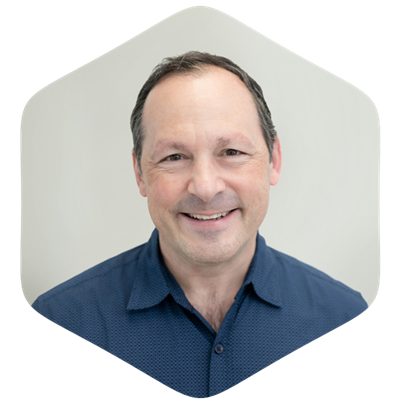
Chief Scientific Officer David Calkins, Ph.D.
Brian J. Del Buono, Ph.D., Executive Vice President of Research and Development, has nearly 35 years of multinational R&D and business development experience in FDA regulation of pharmaceuticals and biologics. Brian holds a Bachelor’s degree in Microbiology (with a minor in Chemistry) from Juniata College, and Master’s and Ph.D. degrees in Microbiology/Biochemistry from Pennsylvania State University. He was also a postdoctoral fellow and faculty member at Boston University School of Medicine. His academic and corporate research focuses on cellular structure and function, particularly the interactions between cell surfaces and the extracellular matrix (ECM).
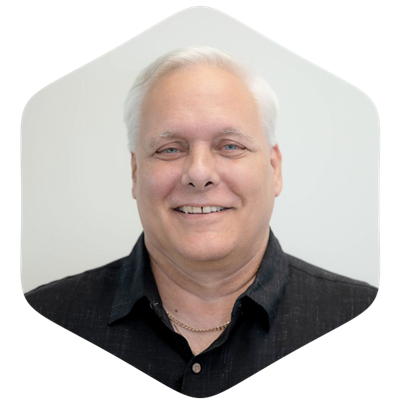
Brian J. Del Buono, Ph.D., Executive Vice President of Research and Development
In addition, Stuart Therapeutics has received research support in the fields of protein structure, peptide synthesis, glaucoma, cataracts, and macular degeneration from institutions such as MIT, Harvard University, Duke University, Washington University Hospital, and Massachusetts General Hospital.
Last month, the FDA had already approved the Phase III clinical trial application for ST-100, and Stuart Therapeutics plans to conduct its Phase III clinical trial in the first quarter of 2023.
In the future, on the basis of continuing to advance the existing pipeline, Stuart Therapeutics will continue to explore innovative solutions for chronic eye diseases.
In the Asian peptide market with huge development potential, there are also domestic peptide drug development companies like Zhongsheng Quan Peptide, Saint Biotech, Zhi Peptide Bio, and pharmaceutical companies such as Fosun Pharma, Hengrui Medicine, Pulaite Pharmaceuticals, and Sinoway Biotech have also entered the peptide sector.
However, there are not many companies that focus on深耕 in a single-field indication. Given the current lack of多肽 research experience in China, is it a new feasible approach to conduct "pioneering research" on peptide drugs by building on the existing clinical research foundation for current indications?