

Wearable Tech Meets Digital Therapeutics: Powering the Next Wave of Healthcare Innovation

Apple
Designers, manufacturers, and sellers of electronic products such as personal computers and software

MARATHON VENTURE PARTNERS
Early-stage venture capital institution

DOBOSO
Intelligent Medical Platform Provider

SLANHEALTH
Digital Therapeutics CDMO and Full-process Service Developer

BrainCo
Non-invasive brain-computer interface technology solution provider
The combination of wearable devices and digital therapeutics has taken the entire industry by storm, becoming an unstoppable historical trend.
At the end of July, the Ministry of Science and Technology, the Ministry of Education, the Ministry of Industry and Information Technology, the Ministry of Transport, the Ministry of Agriculture and Rural Affairs, and the National Health Commission jointly issued the "Guiding Opinions on Accelerating Scenario Innovation to Promote High-Quality Economic Development with High-Level Applications of Artificial Intelligence," which explicitly mentioned that the field of elderly care should "actively explore scenarios such as home-based intelligent monitoring and the application of smart wearable devices."
The National Medical Products Administration (NMPA) subsequently released the "Guiding Principles for the Registration Review of Remote Monitoring Systems (Draft for Comments)" at the end of August. The "Principles (Draft for Comments)" aim to guide registration applicants in standardizing the development process of remote monitoring systems and preparing relevant medical device registration application materials, while also providing a reference for technical review departments.
Remote monitoring has always been one of the main uses of wearable medical devices. The successive releases of the "Opinions" and the "Principles" reflect the attitude of the policy – wearable medical devices will play an increasingly important role in the future of healthcare.
Coincidentally, the international community is also seeking new scenario innovations.
On September 8, Apple released the brand-new generation of Apple Watch, with new health features being one of its main selling points — both the Apple Watch 8 and Apple Watch Pro 2 are equipped with two high-precision temperature sensors. In addition to basic body temperature monitoring, these sensors can track female physiological cycles by detecting temperature changes as precise as 0.1 degrees Celsius, providing reference for family planning.
As wearable devices that focus on "hardware" seek innovation in application scenarios, digital therapies that emphasize "software" are also striving for greater breakthroughs. Various signs indicate thatThe "Soft-Hard Integration" of Digital Therapeutics and Wearable Devices is Becoming an Important Development Trend with the Effect of "1+1>2".
Most people are aware of digital therapeutics mainly through their "software" characteristics, meaning that digital therapeutics should be a form of software. The definition clearly states that digital therapeutics are driven by software and provide patients with treatment or intervention measures based on evidence from循证医学.
However, it also mentioned in the definition that,Digital therapeutics can be used alone or in conjunction with drugs, devices, or other therapies.This, naturally, also includes wearable devices.
In almost all cases, wearable devices usually also include accompanying software to achieve a range of functions, such as heart rate monitoring and atrial fibrillation early warning on the Apple Watch. This raises a question: should the accompanying software of wearable devices also be considered a form of digital therapy?
Germany, known for its rigor, has provided corresponding explanations in its fast-track approval process for DiGA (short for the German term "Digitale Gesundheitsanwendungen," meaning digital health applications, or digital therapeutics), primarily distinguishing them based on the role software plays within them.
Explanation of the DiGA Rapid Approval Process Regarding the Integration of DiGA with Hardware
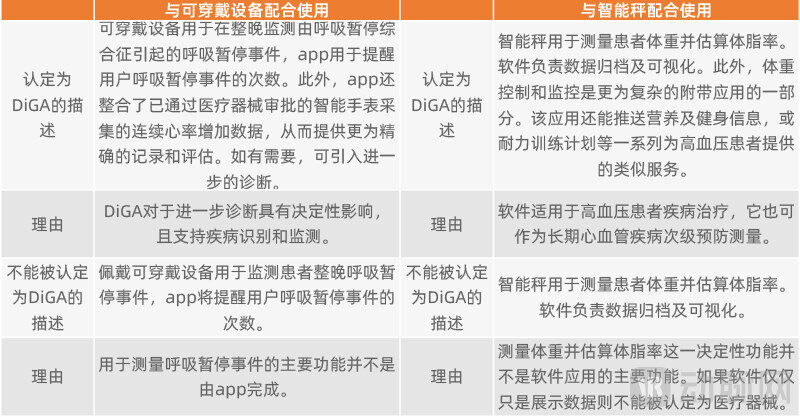
By comparing the description of DiGA, it is not difficult to find that,The key to being recognized as a DiGA lies in whether the software can have a decisive impact on the detection, monitoring, and further diagnosis of diseases. If the software merely represents the functionality of hardware without further extension, it cannot be recognized as a DiGA.
As for whether the software runs on wearable devices or on the paired mobile phones or computers, there is no clear stipulation. Limited by user experience (screen size and other factors) and performance considerations, wearable devices similar to smartwatches usually shift more complex functions to the corresponding mobile or computer applications. The applications carried by the hardware itself typically only provide simplified data display functions. In this case, the app running on the wearable device obviously cannot be regarded as a DiGA.
However, with the development of technology, future smartwatches may greatly improve in performance and user experience, such as hardware upgrades or entirely new display methods (like large-sized projections seen in sci-fi movies). At that point, perhaps there will no longer be a need for support from paired smartphones or computers, as fully functional apps could run directly on the device itself.
Another scenario is similar to some wearable XR devices, which are standalone devices with sufficient performance and user experience, allowing apps to run smoothly on the device without the need for additional support from a smartphone or computer.
These two situations obviously both meet the definition of DiGA. However, when it comes to saving lives and treating diseases, the definition is not as important; clinical value matters more.
The integration of wearable devices and digital therapeutics was not smooth in the early stages, and there was even mutual resistance—debates over whether wearable devices or mobile apps (the prototype of digital therapeutics) were more effective in health management were common. These debates did not last long, as it became clear that the "hardware"-leaning wearables and the "software"-leaning digital therapeutics were actually complementary, making collaboration the best outcome.
An important reason is that wearable devices at the time were not mature, only capable of recording simple data such as step counting, sleep monitoring, and activity tracking, and the data was not accurate. This held little practical significance for healthcare. Monitoring of vital signs data that are truly meaningful to medical care, such as blood pressure, blood glucose, and blood oxygen, were either premature at the time or lacked the necessary precision to meet medical needs.
In addition,Limited by the technical level, wearable devices at that time were still mainly focused on data recording, struggling to provide necessary diagnostic and treatment capabilities, making it difficult to implement the integration of digital therapeutics and wearables.。
The good news is that, with the development of technology, wearable devices have made significant progress recently. From heart rate to ECG, from blood oxygen to blood pressure,Wearable devices can already continuously monitor vital signs signals with medical precision, playing a key role in the diagnosis and treatment of these diseases.Not only that, but vital sign signals such as EEG, non-invasive blood glucose, and lactic acid are also under continuous research, and breakthroughs are expected in the coming years.
An obvious fact is that,Mainstream wearable device consumer electronics giants are paying increasing attention to the healthcare market.Since 2020, Apple has obtained three FDA medical device certifications within three years. Major domestic wearable companies have also achieved significant success, with Huami and OPPO passing medical device approvals. Huawei Device Co., Ltd. has acquired four Class II medical device certifications in the wearable field, including the first cuff-less blood pressure smartwatch approved in China.
More inspiring is that,Wearable devices are constantly breaking through their single role of data monitoring, and by integrating with specific digital therapies, they are entering the diagnosis and treatment of certain diseases.。
Investors are also continuously paying attention to the progress in this field. Song Yiran, Managing Director of MARATHON VENTURE PARTNERS, communicated with VCBeat and believed that the integration of software and hardware might become a major trend in digital therapeutics. She also expressed that she would focus more on digital therapies combined with hardware: "For example, wearable devices for monitoring vital signs such as bracelets and watches. Of course, the form is not limited to these; it also includes devices like VR and AR, and even some combined with POCT in vitro diagnostics, such as uric acid testing and continuous glucose monitoring."
In the industry, the trend of combining wearable technology with digital therapeutics has gained widespread recognition.。
DOBOSO CEO Zhou Mosheng believes that the selling points of wearable devices as purely electronic consumer products are clearly insufficient. Wearable devices with functions such as data collection, monitoring and recording, and disease screening and early warning, as well as the ability to monitor physical health or even treat certain diseases, have significantly greater market potential: "Wearable devices and digital therapeutics have a natural compatibility, and their combination will undoubtedly be the future trend. As for suitable integration scenarios, they can be combined in three aspects: health monitoring, chronic disease treatment, and rehabilitation care."
CTO of Fudong Musculoskeletal, Zhou Kaibo, also believes that the integration of wearable technology and digital therapeutics is beneficial for the development of digital therapeutics. He stated that the fundamental purpose of digital therapeutics is to treat patients, and wearable devices can be applied throughout the entire process of "assessment-diagnosis-treatment." "In terms of musculoskeletal rehabilitation, wearable smart sensors can collect data during the assessment and diagnosis stages, enabling doctors to remotely and accurately evaluate the patient’s condition. During the treatment stage, they can help doctors monitor whether the rehabilitation is proceeding as expected, serving a supervisory role; patients can also verify if their rehabilitation exercises are being performed correctly and receive corresponding feedback," he added.
In the field of mental health where digital therapeutics excel, wearable devices are also playing an increasingly significant role in treatment.
Yang Jincheng, senior scientist of BrainCo and director of the Autism Division, stated that the brain is a dual organ encompassing both physiological and psychological aspects. To date, efforts to address mental disorders through purely chemical drugs have seen limited success. He believes that in the realm of long-term intervention for brain dysfunction, wearable devices combined with digital therapeutics to provide digital interventions represent a significant trend.
"Changes in neural connections require long-term continuous commitment, possibly at least half an hour every day, sustained for a year or even longer. It is not realistic for patients to receive in-hospital treatment at this frequency. Intervention methods that combine wearable technology with digital therapeutics can be used by patients either in institutions or at home, making the intervention long-term and sustainable," he added.
Shudan Medical founder and CEO Fang Cong also agrees with this trend. She believes that the digitalization level of hardware such as wearable devices is increasing; while software is gradually moving from simple device and data management into the core clinical area of treatment. "The most essential demand in clinical scenarios lies in the treatment process. Pure software-based digital therapeutics are insufficient to meet the needs in many cases, thus requiring hardware like wearable devices to play various roles."
"The combination of wearable technology and digital therapeutics is definitely a future trend!" Her conclusion represents the judgment of almost everyone.
According to VCBeat, currently, the combination of wearable technology and digital therapeutics has been explored in multiple fields.
For example, Huawei, a wearable giant, has recently collaborated with SLANHEALTH and Fangxin Technology respectively to achieve cross-border cooperation between digital therapeutics and the mainstream wearable device ecosystem. Smartwatches can collect, record, and analyze users' complete sleep data, which can be transmitted to corresponding digital therapies, ultimately providing users with personalized, digital, scientifically effective sleep intervention solutions. Thus, through the combination of smart monitoring and scientific training in hardware and software, new options are provided for people with sleep disorders.
"The model of collaborating with external parties has the advantage of relatively smaller investment. As long as the software is well-developed, it can quickly enter the fields of wearable devices and digital therapeutics, creating mature products. If others' hardware is already highly advanced and fits well with one’s own scenarios while ensuring clinical efficacy, it is actually an excellent model." DOBOSO has experience in both collaboration and self-research models, and Zhou Mosheng believes this approach has its own unique benefits.
VCBeat believes that similar collaborations will be seen more frequently in the future.
Another obvious trend comes from digital therapy companies themselves ——In addition to collaborating with existing wearable device manufacturers, digital therapeutics companies are also independently developing integrated hardware and software solutions to meet more personalized needs.
"The biggest drawback of the cooperative model is the limited synergy between software and hardware. Software encounters difficulties when invoking low-level hardware interfaces and communication protocols, while hardware merely serves as an operational platform. This is precisely where the advantage of full in-house R&D lies. However, its downside is that companies not only need to focus on software R&D but also invest in hardware R&D, along with managing supply chains and ensuring quality control over hardware production," Zhou Mosheng added.
Yang Jincheng expressed his views from the perspective of brain science: "If a disease has specific needs, and the existing general-purpose hardware, such as in innovative fields like brain science, currently lacks good precedents for software-hardware integration and training content, then the only option is to comprehensively self-develop both software and hardware."
"However, although the self-developed hardware platform requires a large investment, once completed, it can also serve as a general-purpose platform in the future, opening SDKs to other manufacturers. For example, in the field of brain science, our vision is the underlying research and development of brain-computer interface technology. In the future, we may consider the possibility of cooperation with pure software companies," Yang Jincheng expressed another consideration for full self-research.
At present, there have been relatively successful explorations based on wearable technology + digital therapeutics. BesidesThe Ultimate Cure for the Trillion-Dollar Sleep Health Market? Can Brain Science + Digital Therapeutics Revolutionize Sleep?"Digital Therapeutics Set to Take Off: Who Will Seize the Opportunity in a Market Worth Hundreds of Billions of Dollars?"As mentioned, there are exploratory cases in musculoskeletal rehabilitation, ophthalmic intervention, cognitive stimulation and training, as well as wearable-based biofeedback.
How Can Wearable Sensing + Digital Therapeutics Empower Musculoskeletal Rehabilitation?
Primarily targeting patients in orthopedics and sports medicine, Fudong Musculoskeletal combines digital therapeutics with a wearable sensor suite to launch the "JOYMOTION" musculoskeletal digital therapy, which has recently obtained a Class 2 medical device registration certificate.
Currently, the overall service capacity for musculoskeletal rehabilitation in China is severely insufficient, and high-quality rehabilitation medical resources are concentrated in first- and second-tier large and medium-sized cities, resulting in many patients being unable to receive professional rehabilitation treatment in a timely manner. Due to the lack of remote diagnosis and treatment, patients must also visit hospital rehabilitation centers to complete rehabilitation training, which incurs high economic and time costs, and the recuperation and rehabilitation outcomes are also unsatisfactory.
JOYMOTION Wearable Sensors for JOYMOTION Digital Musculoskeletal Therapy (Image courtesy of JOYMOTION)
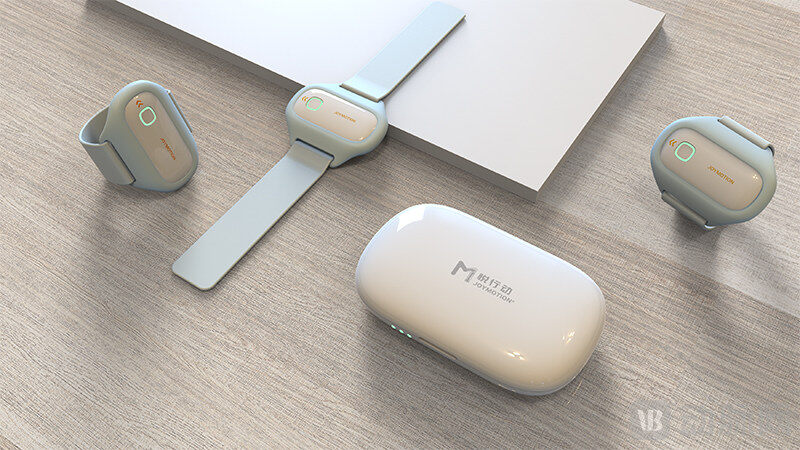
The solution provided by Fudong Musculoskeletal consists of a patient-end app, a doctor-end management backend, and a wearable sensor kit, enabling rehabilitation treatment for orthopedic conditions and sports injuries in the upper limbs, lower limbs, and spine.
Patients can consult, visit, or have follow-up consultations in medical scenarios such as offline medical institutions and internet hospitals. Doctors issue digital therapy prescriptions based on the actual condition of the patient. Subsequently, patients can wear sensors at home and complete assessments through an app.
AI will automatically process patient information and match it with preset model solutions to provide doctors with references. After the doctors review the solutions online, they will finalize the rehabilitation plan and push it to the patient's app. According to the introduction, the AI algorithm’s recommended rehabilitation plans achieved over a 95% match rate with those of expert doctors from tertiary hospitals during clinical trials.
"Our wearable kit mainly includes three inertial motion sensors. The sensors collect key indicators of the patient's current physical condition, such as what movements the patient can perform and to what extent. This data will be used as a reference for our assessment of the patient’s current condition. Combined with algorithms and video consultations by doctors, we conduct a comprehensive evaluation of the patient and provide a rehabilitation plan," introduced Zhou Kaibo.
After receiving the rehabilitation plan, the patient wears sensors and follows the app's guidance to perform rehabilitation training. The training data will be transmitted and recorded in the cloud in real time. After completing a treatment cycle, the patient can directly complete an assessment within the system using the sensor and receive instant feedback. Doctors or rehabilitation therapists can view the patient’s rehabilitation records and progress at any time via the doctor’s portal and dynamically adjust the rehabilitation plan. Both doctors and patients can also conduct video consultations during the rehabilitation process to quickly resolve any issues the patient encounters during rehabilitation.
"The entire rehabilitation process requires patients to wear wearable sensors to complete prescribed exercises. The sensors collect key data such as joint angles and spatial positioning during the exercise. On one hand, this data can be displayed in real-time on the app to provide patients with feedback on whether their movements meet the required standards; on the other hand, the data is also sent back to the doctor, providing a reference for weekly evaluations so that adjustments can be made according to the patient's actual condition," he added.
According to the introduction, the digital therapy system of Fudong Muscle Bone has been undergoing clinical trials in tertiary hospitals and Fudong Muscle Bone Rehabilitation Clinics, covering more than 230 patients. Among them, there are approximately 142 cases of postoperative knee joint sports injuries, and about 88 cases of low back pain and chronic knee pain. The overall patient satisfaction score is as high as 9.4 (NPS score 0-10).
Wearable VR Split-screen + Light Therapy, Digital Therapeutics Enhance Adherence
In the treatment of amblyopia and strabismus in children, the combination of wearable XR devices and digital therapeutics has become a new approach. Traditional treatment for amblyopia involves blocking the stronger eye with an eye patch or blurring eye drops, forcing the brain to rely on the weaker eye while providing appropriate visual stimulation (such as threading beads, dotting, and light exercises) to establish normal retinal correspondence between both eyes and promote the recovery of visual function.
The entire treatment process is lengthy and monotonous. Even though many medical device manufacturers have introduced more novel hardware, pediatric patients still struggle to persist with repetitive training content for 3-6 months, or they may go through the motions during treatment, failing to achieve the desired therapeutic effect.
Zhou Mosheng stated that DOBOSO is attempting to combine wearable VR devices with digital therapeutics, significantly improving patient treatment adherence through immersive environments and gamified treatment methods: "In our amblyopia solution, the main role is still played by the software. By integrating the hardware features of VR, the software can better enhance the immersion and fun of the content, leading to improved patient compliance."
"On the other hand, the display method of VR, which uses one screen for each eye, naturally provides a basis for binocular separation. This allows our core patented technology of binocular separation training in the field of amblyopia treatment to be better applied. For example, making one screen a little blurry or having the two screens display different numbers and speeds of optotypes, thereby giving the amblyopic eye more training and treatment opportunities, can efficiently improve the vision of the amblyopic eye." Zhou Moses believes that VR has natural advantages in amblyopia treatment.
In addition, DOBOSO has proposed an innovative myopia prevention and control solution by integrating medical research theories on the mechanisms of myopia development, such as the accommodative tension theory, optical defocus theory, and scleral hypoxia theory, with the latest digital technologies. Particularly, it combines wearable VR headsets with digital therapeutics.
This myopia prevention and control solution integrates red light nourishment, VR accommodation training, and VR visual function training. It allows the eyes to undergo hand-eye-brain coordinated ciliary muscle accommodation training while being exposed to red laser stimulation, which promotes highly active blood circulation in the fundus. This helps slow down axial length growth and control myopia progression.
Red Light Training for Eye Health: The main unit of the product emits low-energy, high-brightness red light at a specific wavelength to irradiate the fundus. This can improve blood and oxygen supply to the choroid and sclera of the eye, promoting the thickening and growth of the choroid and sclera. At the same time, the high-brightness red light causes the pupil to constrict, thereby increasing the depth of field and reducing blurriness. The dual effects of oxygen nourishment to the fundus and the eye's triple联动 phenomenon have a clear effect on controlling the progression of myopia.
"The wearable VR helmet of our product is not a general-purpose VR device available on the market, but one that we have independently developed. The hardware has a built-in diode laser emitter, which can emit low-energy red laser with a single wavelength of 650nm to irradiate the retina at the bottom of the eye during bio-light therapy training, playing a role in slowing down the growth of the eye axis," said Zhou Mosheng. He also indicated that their myopia prevention and control product is not general-purpose VR hardware.
"When performing accommodative function training, the screen display can move back and forth in coordination with the software content, causing the viewing distance for both eyes to constantly change between near and far. This drives the ciliary muscle and lens to continuously adjust focus actively, providing intense exercise to the ciliary muscle in a short period. This will enhance the accommodative flexibility and amplitude of both eyes, playing a role in slowing down the progression of myopia," he further added.
Integrated cognitive stimulation and training with hardware-software synergy, wearable for ultra-long-term home-based intervention
Shudan Medical's "NovoBrain" solution effectively integrates two intervention methods—cognitive stimulation and cognitive training—through a combination of software and hardware. Currently, cognitive rehabilitation, cognitive stimulation, and cognitive training are recognized by the medical community as effective means for preventing and intervening in brain decline and cognitive deterioration.
Cognitive stimulation mainly improves the overall cognitive function or social function of patients with cognitive impairment through certain external stimuli; cognitive training refers to enhancing cognitive function and increasing cognitive reserve by training different cognitive domains and cognitive processing.
Since 2016, multiple independent research teams around the world have consistently found that 40Hz audio-visual stimulation is clinically significantly effective in the prevention and intervention of neurodegenerative diseases such as Alzheimer's disease. Compared with other non-invasive cognitive stimulation methods, the medical mechanism of this technology is clearer, and the chain of evidence is more complete.
At the same time, Shudan Medical has achieved innovation from in-hospital to home-based care through the combination of wearable devices and digital therapeutics—globally, there has long been a lack of comprehensive brain health solutions that combine cognitive stimulation and cognitive training and can be used at home for long-term benefits.
"Neurodegenerative diseases have shown poor efficacy when treated solely from the perspective of chemical drugs. We believe there is a fundamental difference. The brain is essentially a network electrophysiological system. Using traditional target-based drugs to address electrical system disorders is, in terms of first principles as Musk would say, incorrect. Physical interventions such as light, sound, and electricity may be more effective," Fang Cong told VCBeat.
Shudan Medical's self-developed adjustable 40Hz fusion stimulation solution combines wearable hardware with software-based digital therapy. The wearable hardware includes smart glasses, smart nasal plugs, and smart headphones, which provide comprehensive brain stimulation through physical light (eyes), near-infrared light (nose), and acoustic stimulation (ears), respectively.
More importantly, this solution can achieve long-term intervention for neurodegenerative diseases in a home-based setting.
"The physical technology of electromagnetic stimulation has long been proven effective. Currently, there are many similar traditional therapeutic devices in the hospital. However, for extremely long-term diseases like neurodegenerative disorders, which have a disease onset period of over ten years, it is very difficult to achieve continuous intervention through the hospital model—asking patients to come to the hospital every day for treatment and keep doing so for 20 years? It’s simply impossible. Now, by integrating wearable design, we can enable home-based intervention. Patients only need to wear the device for half an hour to an hour every day, and long-term intervention becomes feasible," she added.
In addition, the highlight of this solution lies in its ability to adjust parameters based on the specific conditions of patients, achieving personalized intervention. "The parameters of the solution are adjustable. Each person's response to stimulation signals varies—stimulation at a certain frequency and intensity might work for one individual but could have no effect on another. We hope the algorithm can help achieve personalized parameter adjustments, and we are currently applying for a global patent." The core team of Shudan Medical comes from the former YITU Healthcare and has profound expertise in algorithms.
In addition to adjustable hardware parameters, Shudan Medical's solution can also perform early screening of cognitive functions and recommend personalized specialized training tasks through artificial intelligence algorithms.
"The importance of early screening is even greater than we imagined—in our current real-world database, developed in collaboration with top experts, 20% of individuals aged 50 and above, with an average age of 70, were found to have mild cognitive impairment during routine screenings. It’s important to note that without appropriate intervention, the likelihood of these patients progressing to Alzheimer's disease is nearly 90%,"补充说道.
Wearable Brain-Computer Interface + Digital Therapy for Biofeedback: Exploring Intelligent Closed-Loop Feedback Training for Children with Autism
As a well-known supplier of brain-computer interface technology solutions, BrainCo has conducted extensive exploration in wearable, non-invasive brain-computer interface technology in recent years and applied it to intelligent closed-loop neurofeedback training for children with autism spectrum disorder. "We jointly submitted an application with the China Rehabilitation Research Center and Beijing Anding Hospital, Capital Medical University, for the innovative task of artificial intelligence medical devices organized by the Department of Science and Technology of the Ministry of Industry and Information Technology and the Medical Device Registration Department of the National Medical Products Administration. Not long ago, the results were announced, and the Starfruit Brain-Computer Interface Social Communication Training System was honored as one of the ten listed intelligent rehabilitation and physiotherapy projects," mentioned Yang Jincheng.
BrainCo's Happy Nut Brain-Computer Interface Social Communication Training System (Image courtesy of BrainCo)
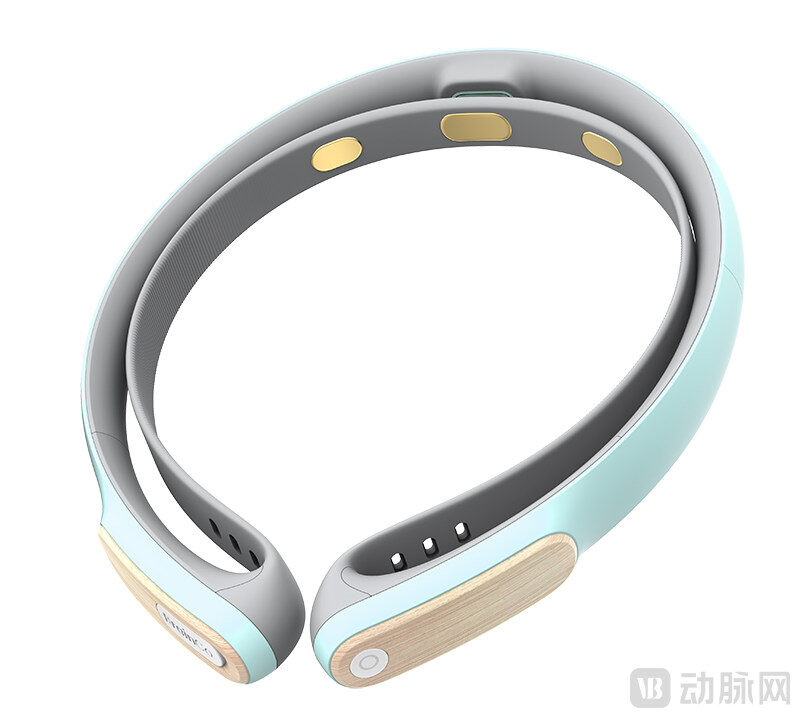
This wearable brain-computer interface device is presented in the form of a headband product. According to BrainCo, the quality of the real-time electroencephalogram (EEG) signals it collects can reach the level of medical-grade EEG equipment. The accompanying software includes assessment and training modules, which can provide a full-process treatment of evaluation-training-report for pediatric patients.
"The most important thing is to form a closed loop, where the hardware precisely captures physiological signals from brainwaves, and then artificial intelligence algorithms are used to accurately identify specific indicators from these brainwaves to analyze particular brain functional responses. For instance, for autism, we need to analyze social brain responses, while for ADHD, it corresponds to attention-related brain responses. Therefore, this system has relatively high precision requirements for both hardware and algorithms," introduced Yang Jincheng.
The assessment module mainly includes basic brain function assessment, core social communication skills assessment, and accuracy-based task assessment. In this process, wearable brain-computer interfaces can collect electroencephalogram (EEG) signals in real-time while the child is viewing the assessment content. Through artificial intelligence algorithms, the intensity of the child's social brainwave responses can be synchronously analyzed to obtain objective quantitative scores across multiple dimensions of social brain function.
The artificial intelligence algorithm will then formulate a corresponding personalized training plan based on the brain function score and set the training difficulty. This will allow trainers or parents to easily conduct efficient intelligent brain function training without the guidance of brain neuroscience professionals.
According to the introduction, the entire training module is based on the neurofeedback training recommended by the American Academy of Pediatrics in their 2012 guidelines and has been correspondingly upgraded. The traditionally used electroencephalogram (EEG) equipment widely adopted in hospitals has been replaced by wearable brain-computer interfaces that achieve the same level of precision, allowing pediatric patients to complete the training even in a relaxed home environment. Additionally, artificial intelligence models have been utilized to upgrade the algorithm, with the hope of enhancing the effectiveness of the training.
Through wearable brain-computer interfaces and artificial intelligence algorithms, the solution can decode the social brainwaves of patients in real time. The software app adjusts the visual elements of the training content based on the brain function index every second, providing real-time closed-loop feedback training for social brain activity.
The entire training system adopts mechanisms such as video demonstration, observational learning, reinforcement learning, and implicit learning, enabling children with poor language and cognitive abilities to directly train their brain nerves, promote neuroplasticity, and enhance the efficiency of behavioral training.
"After the brain's responses are interpreted in real time, targeted professional system tutorials are required as a medium for training. For instance, tasks provided for ADHD focus on attention concentration, while for autism, social skills or language communication training is needed. In other words, after solving the precision of hardware and algorithms, we still need to provide training content through software. Only when these two parts are well established can we give the brain positive feedback in real time through a closed loop. The core logic is like this." Yang Jincheng introduced the core logic of the solution to VCBeat.
VCBeat believes that the combination of wearable devices and digital therapeutics has already proven its value in clinical settings. Meanwhile, the integration of the two will create a strong pull for each other's markets.
Taking wearable devices as an example, the market growth rate significantly slowed down entering 2022 due to the exhaustion of demand from last year's end promotional season, limited product function upgrades, and the impact of the pandemic in certain regions. According to IDC's "China Wearable Device Market Quarterly Tracking Report, Q1 2022," the shipment volume of China's wearable device market in the first quarter of 2022 was 25.84 million units, a year-on-year decrease of 7.5%.
The integration with digital therapeutics could potentially offer newer and more valuable health functions, thereby increasing user engagement and driving sales. This principle also applies to the digital therapeutics industry—imagine the immense value if all commercially available wearable devices could become users of digital therapeutics.
At the same time, with the functions provided by hardware, the combination of the two can further penetrate into treatment, bringing greater value to clinical practices. In the future, their integration is expected to present more functionalities, higher accessibility, more modalities, and a trend toward seamless collaboration.
References:
IDC "China Wearable Device Market Quarterly Tracking Report, Q1 2022"