

Regenerative Medicine: A Billion-Dollar Frontier in Organ Regeneration, Biomaterials, and Stem Cell Therapies

ZH-BIO
Developer of Regenerative Medical Biomaterials

Corliber
Developer of Novel Biomaterials and Orthopedic Implant Medical Devices
Organs can regenerate, and the human body can achieve immortality... Regenerative medicine makes what was once seen in science fiction films have the potential to become a reality.
Regenerative medicine refers to the use of biological and engineering theoretical methods to create lost or functionally damaged tissues and organs, promote the body's self-repair and regeneration, and enable them to possess the structure and function of normal tissues and organs. It brings new hope for diseases such as cardiovascular disease, cancer, diabetes, congenital genetic defects, nervous system diseases, and rare diseases, with the potential to completely cure certain conditions.
According to statistics from the Alliance for Regenerative Medicine (ARM), the financing amount in the regenerative medicine field reached 23.1 billion US dollars in 2021, with 1,308 companies worldwide actively developing in this field. Additionally, according to Statista, the global regenerative medicine market size was approximately 16.9 billion US dollars in 2021 and is expected to reach 95.5 billion US dollars by 2030, with a CAGR of 21.22%.
The concept of regenerative medicine is broad and takes many forms. Currently, strategies being explored in regenerative medicine include: replacing damaged tissues by transplanting cell suspensions or aggregates; implanting bioengineered artificial tissues or organs produced in the laboratory that can replace natural tissues; and using pharmaceutical approaches to induce regeneration in the injured tissue.
Currently,细分场景 such as stem cells, bioregenerative materials, and organ regeneration have already become promising tracks in the medical field, with many companies making strategic investments and rapid research progress.
Tissue defect repair and regeneration are one of the significant challenges in modern medicine. The medical community has conducted extensive and in-depth explorations in regenerative medicine.
The main pathways of regenerative medicine includePharmacotherapy, using drugs to promote the production of more signal factors needed by the body in diseased cells, such as using FGF protein growth factors to promote dopamine generation in the brain for the treatment of Parkinson's disease;Cell Therapy, repairing damaged tissues through cellular therapy, such as its application in orthopedics where autologous chondrocyte transplantation is used to repair cartilage injuries;Gene TherapyThrough genetic modification and gene editing, transplanting animal organs into humans for use has already obtained clinical approval in 2019 to enter human trials.Biomaterials Combined with Cell TherapyBy combining biomaterials with growth factors and stem cells, a living tissue - peripheral nerve is constructed in vitro for tissue repair.
In addition, frontier research directions such as exosomes, synthetic biology, mRNA, and microbiota are also being gradually applied in the field of regenerative medicine.
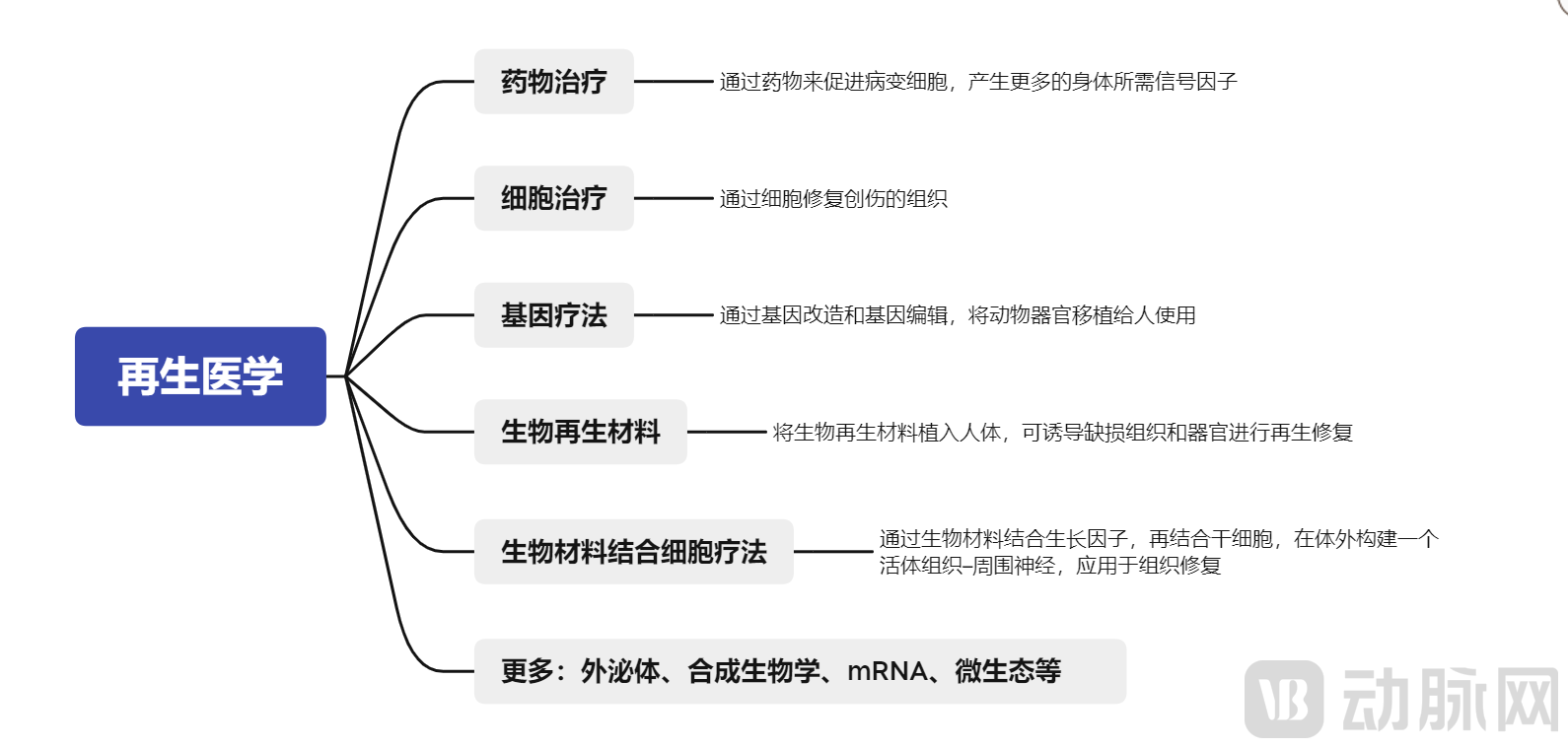
Regenerative Medicine Technology Pathway
In this article, VCBeat divides regenerative medicine into three major sectors: biological regenerative materials, stem cell repair, and organ regeneration for analysis.Bioregenerative Materials, used for bone repair, oral restoration, medical aesthetics, etc.;Stem Cell Repair, based on stem cell technology, repair tissues and organs that are originally non-regenerative;Regenerative Organs, based on stem cell, bio-3D printing and other technologies, to develop artificial tissues and organs, including artificial blood vessels, artificial kidneys, artificial pancreas, etc.
Bioregenerative Materials: Multiple Products Already on the Market, Import Substitution Effect Becoming Evident
Bioregenerative materials, distinct from traditional biomedical materials, are a new type of high-tech material processed using tissue engineering technology. They undergo mild treatments such as fixation, sterilization, and antigen elimination while maintaining the original configuration of the tissue, as well as special treatments that dismantle the original structure and reconstruct a new physical form.
Bioregenerative materials possess excellent tissue induction properties. When implanted into the human body, these materials can induce the regeneration and repair of damaged tissues and organs. They are widely applied in orthopedics, neurosurgery, cardiovascular, ophthalmology, stomatology, and medical aesthetics, including skin defect repair, soft tissue repair, articular cartilage repair, vascular and catheter coating applications, and medical cosmetology.
Bioregenerative materials are a sub-track in the field of regenerative medicine that started early and has developed rapidly.According to Frost & Sullivan's research, with the dual support of funding and policy,China's independent innovation capability in bioregenerative materials has significantly increased.Biological regeneration products such as dura mater, spinal dura mater, and oral repair membranes have been successfully developed one after another. The market share of local brands has been increasing year by year. In the field of dura mater, the market share of local brands has reached more than 50%.The benefits of import substitution are gradually beginning to show.
Currently, mainstream bio-regenerative materials include polylactic acid, silk fibroin, etc. Among them, Corliber, based on new materials such as polylactic acid, has developed three product lines: absorbable internal fixation products, bone filler products, and medical aesthetic absorbable polymer products. The artificial bone products, with excellent malleability, anti-liquid dispersion, and efficient osteoinductive regeneration properties, fill a global market gap.
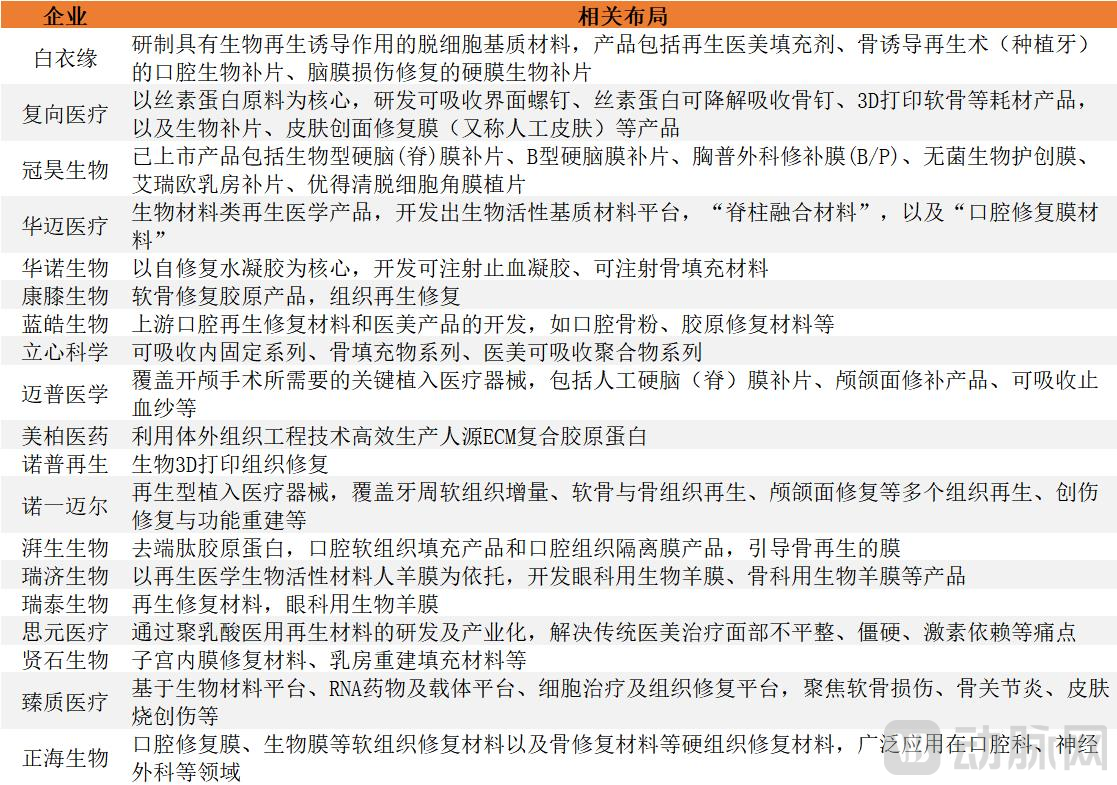
Some new bio-regenerative materials enterprises
ZH-BIO, Guanhao Biotech, and Medprin have successfully gone public.
ZH-BIO's soft tissue repair product series, including oral repair membranes, absorbable hard brain (spinal) membrane patches, skin repair membranes, etc., have been used in various fields such as stomatology, head and neck surgery, and neurosurgery. The hard tissue repair product, bone repair material, serves as a functional scaffold material for guiding bone injury repair. In the first half of 2022, ZH-BIO achieved revenue of 231 million yuan, a year-on-year increase of 15.15%, with a net profit attributable to shareholders of 104 million yuan, a year-on-year increase of 28.36%, and a non-recurring net profit of 103 million yuan, a year-on-year increase of 30.41%.
Guangzhou Crown Bioscience has marketed products including bio-type hard brain (spinal) membrane patches, Type B hard brain membrane patches, thoracic and general surgery repair membranes (B/P), sterile biological wound protection membranes, Auriuo breast patches, Yudeqing decellularized corneal grafts, as well as intraocular lens products represented by Zhuhai Xiangle. These products are applied in neurosurgery, thoracic and general surgery, ophthalmology, dermatology, orthopedics, plastic surgery, and aesthetic medicine. In the first half of 2022, the company's revenue was 203 million yuan, with a net profit loss of 244 million yuan, representing a year-on-year decrease of 22.68%.
Mycro Medical is the only enterprise in China's neurosurgery field that simultaneously possesses implantable medical device products such as artificial dura mater (spinal) membrane patches, craniomaxillofacial repair products, and absorbable regenerated oxidized cellulose hemostatic products. In the first half of 2022, the company achieved operating revenue of 95.0249 million yuan, representing a year-on-year increase of 38.24%; net profit attributable to shareholders of the listed company was 21.2406 million yuan, marking a year-on-year growth of 1.52%.
Next, bio-regenerative materials will continue to innovate, with product types becoming even more diverse. Notably, while bio-regenerative materials provide a renewable environment for human tissues, they still rely on the body's regenerative capacity. For non-renewable tissues and organs such as the cornea, nerve cells, and the heart, repair and regeneration will require additional technologies like stem cells.
Stem Cell Repair: Universal Cells Capable of Differentiating into Specific Cell Types to Repair Damaged Tissues and Organs
Stem cells are a type of cell derived from embryos, fetuses, or adult bodies that possess the ability to self-renew and proliferate indefinitely under certain conditions. They can produce daughter cells with identical phenotypes and genotypes to themselves, generate specialized cells that form body tissues and organs, and differentiate into progenitor cells. They are also known as "universal cells."
Stem cells can be induced to differentiate into specific types of cells, such as cardiac muscle cells, blood cells, or nerve cells, for the repair and regeneration of diseased and damaged tissues in the human body.Stem cell therapy is the core of regenerative medicine research in recent years.The Special Management Measures for Foreign Investment Access (Negative List) (2019 Edition)" indicates that foreign investment in the development and application of human stem cell technology is explicitly prohibited, showing that stem cell technology has become a focal point of competition among countries.
Currently, the layout of domestic enterprises in the stem cell repair and regeneration track has been relatively extensive.
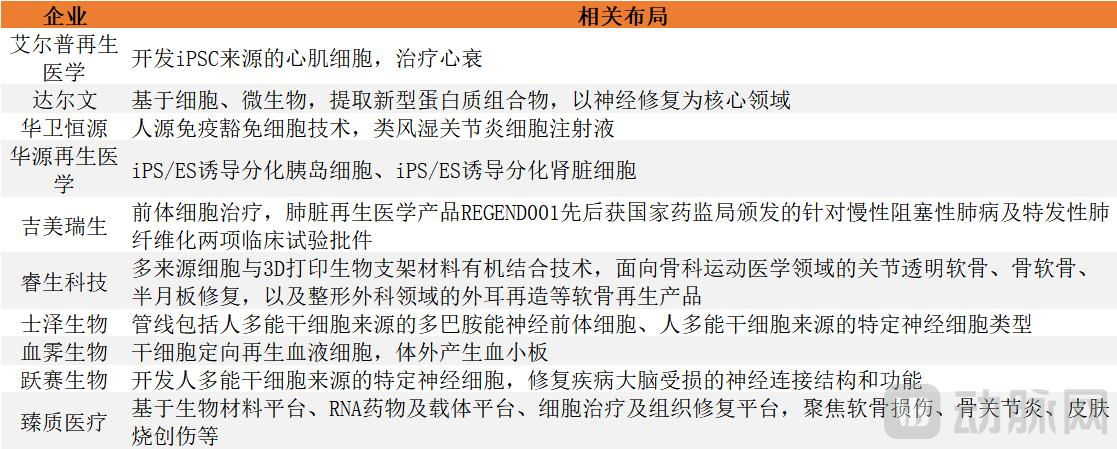
Some companies are laying out stem cell repair businesses
According to statistics, the current application fields of regenerative medicine products based on stem cell repair include spinal cord injury, Type I diabetes, Parkinson's disease, Alzheimer's disease, heart disease, stroke, burns, cancer, and osteoarthritis, among others.
Among them, Blood霁 Bio is the world's third company after Japan's Megakaryon and America's PlateletBio, and China's first company dedicated to the in vitro regeneration of platelets. It addresses the urgent demand for platelets in diseases such as cancer, liver disease, acute and critical illnesses, and blood disorders, while also developing innovative drugs for various platelet-related abnormalities.
Aierpu Regenerative Medicine Utilizes iPSC Technology for Cell Therapy R&D and Production; iPSC-Based Therapy for Moderate to Severe Heart Failure Has Entered Multiple Authoritative Centers in China to Conduct Large-Scale Randomized Controlled Human Clinical Trials. On December 17, 2021, the human iPSC-derived cardiomyocyte injection independently developed by Nanjing Aierpu Regenerative Medicine Technology Co., Ltd. was accepted by the Center for Drug Evaluation.
Shizell Biotech is dedicated to providing scalable, low-cost stem cell therapy solutions for a series of major diseases like Parkinson's disease, which currently lack clinical solutions. By inducing the differentiation of human pluripotent stem cells in vitro, the company prepares functional cell types for use in cell transplantation as a replacement therapy to address functional damage or degeneration of cells in the human body caused by major diseases.
However, at present, stem cells are only limited to the repair of tissues and organs, and have not yet achieved organ regeneration in the true sense.
Regenerated Organs: The "Pinnacle" of Artificial Organs, Few Companies Involved, Industrialization Still Distant
Regenerated organs are considered the ultimate solution to破解 traditional organ transplantation pain points.
Tissue and organ defects and functional deficiencies caused by trauma, disease, and aging are very common, and organ transplantation is the preferred treatment. However, organ transplantation faces two major problems. First, there is a severe shortage of donor organs for allogeneic transplantation. Data shows that the number of patients in China waiting for organ transplants continues to grow, with about 300,000 people awaiting transplants in 2020, while the number of available organs domestically was less than 20,000. Second, there is the issue of rejection, which requires patients to take large amounts of immunosuppressive drugs after transplantation. For example, after kidney transplantation, patients may need to take twenty or thirty anti-rejection pills daily, costing between 5,000 to 7,000 yuan per month, and infections are prone to occur.
The concept of regenerative organs differs from artificial organs. Artificial organs include mechanical artificial organs, non-biologically active organs made from materials such as polymers or alloys, powered by batteries, and semi-mechanical semi-biological artificial organs, which refer to organs created by combining electronic technology with biotechnology.
Regenerated organs refer to artificial organs with biological activity created by using cells. They do not require external power sources such as batteries, have a long usage cycle, and do not cause rejection reactions in patients after transplantation. They represent the "pinnacle" of artificial organs.
Currently, most regenerative medicine companies focus on the repair of tissues and organs, with only a few venturing into regenerative organs. According to VCBeat, there are currently six companies in China working on regenerative organs, with research directions including artificial blood vessels, artificial pancreas, artificial kidneys, and artificial livers.
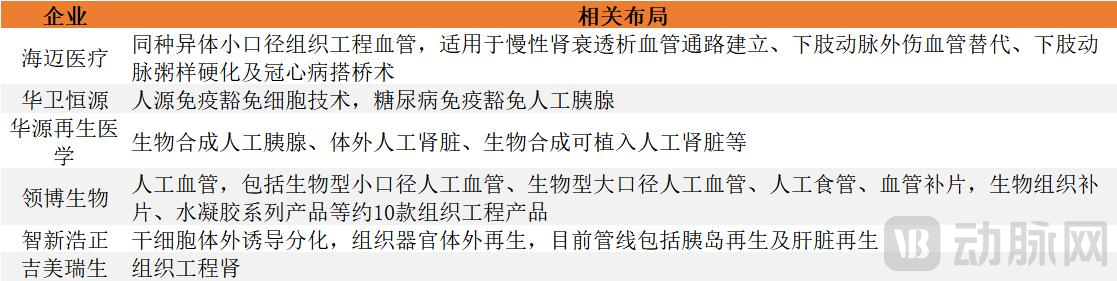
Organ Regeneration Related Enterprises
HuaWei HengYuan Collaborates with Novo Nordisk to Develop an Immune-Privileged Artificial Pancreas for Diabetes – The Islet Protection Carrier #isletSC-1, Currently in the Preclinical Research Stage. Traditional insulin therapy requires patients to inject insulin daily and constantly monitor blood glucose levels, with daily life being completely dominated by insulin. Transplantation of artificial pancreatic cells encounters immune rejection responses. The immune-privileged artificial pancreas for diabetes enables transplanted islet cells to survive stably over the long term within the patient's body, continuously producing insulin to regulate blood sugar.
Huayuan Regenerative Medicine uses stem cells and tissue engineering technology to manufacture human-derived bio-synthetic organs suitable for human transplantation, treating end-stage organ diseases. They are currently developing bio-synthetic artificial pancreas, extracorporeal artificial kidneys, and bio-synthetic implantable artificial kidneys.
ZhiXinHaoZheng Focuses on the In Vitro Regeneration of Human Tissues and Organs, with Its Leading Pipeline Being Regenerative Islets for Transplantation to Treat Diabetes. Clinical practices involving thousands of cases have demonstrated that transplanting donor islet tissues into the liver via blood vessels enables nearly 70% of diabetic subjects to be completely insulin-independent in the long term, showcasing the tremendous potential of islet transplantation to cure insulin-dependent diabetes; however, severe donor shortages and the need for lifelong immunosuppressant use significantly restrict the widespread adoption and accessibility of this therapy. ZhiXinHaoZheng is addressing the bottleneck of islet transplantation by using stem cells to regenerate islet tissue in vitro.
Overall, the development of regenerative organs is still in its early stages both in China and globally. The pipelines of domestic companies are generally in the preclinical stage, and have not yet achieved scale or commercialization, requiring a long period of development.
According to statistics from VCBeat, there have been 70 financing events in China's regenerative medicine field, with a total financing amount exceeding 1.5 billion RMB.
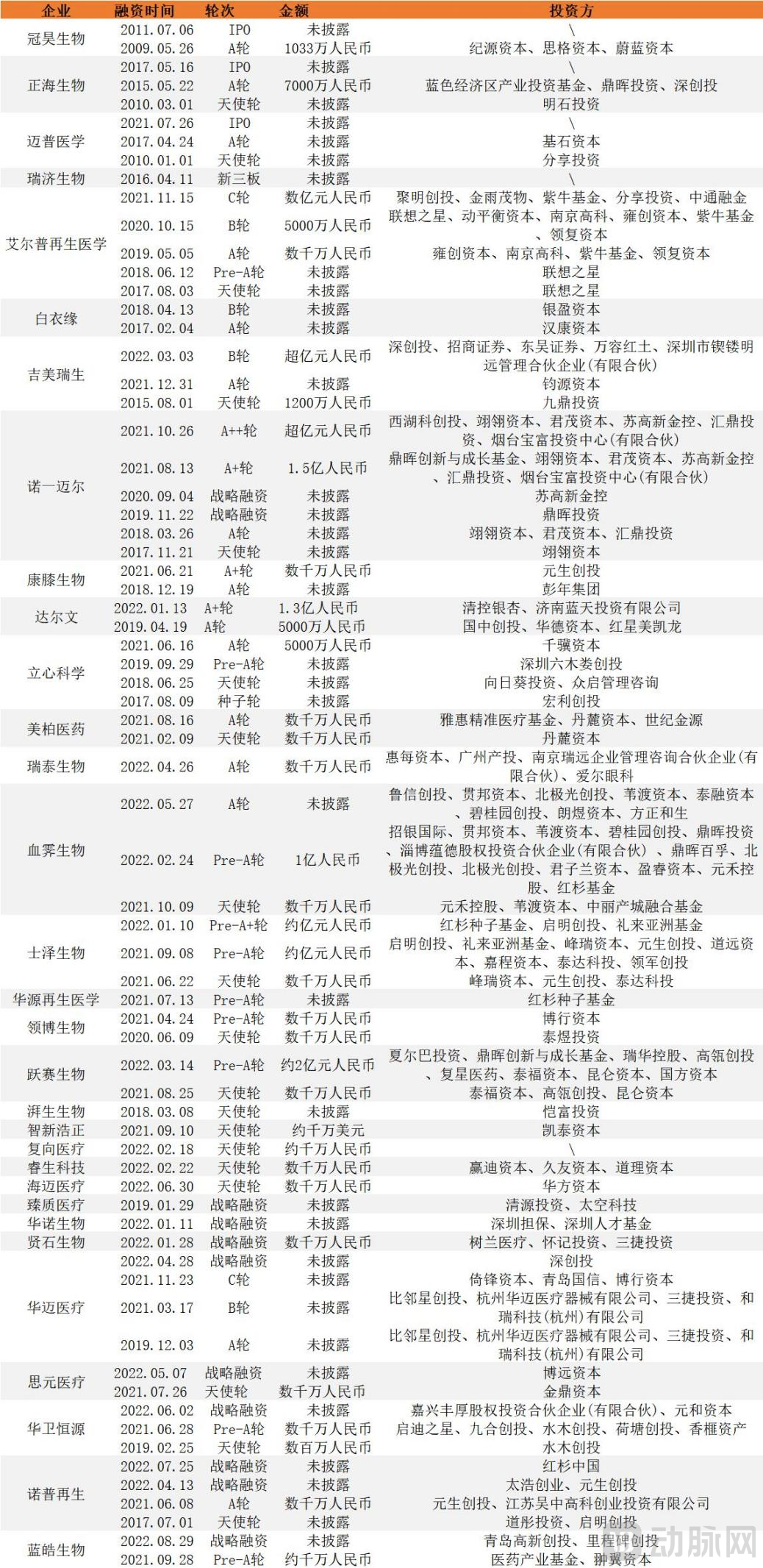
Financing Status of Regenerative Medicine Enterprises
China's regenerative medicine sector has seen considerable financing, showing an overall upward trend and attracting top investment institutions in the medical field. For instance, Lilly Asia Ventures and Sequoia Seed Fund invested in Shize Bio, while Sequoia China invested in Nopu Regenerative and Xueji Bio.
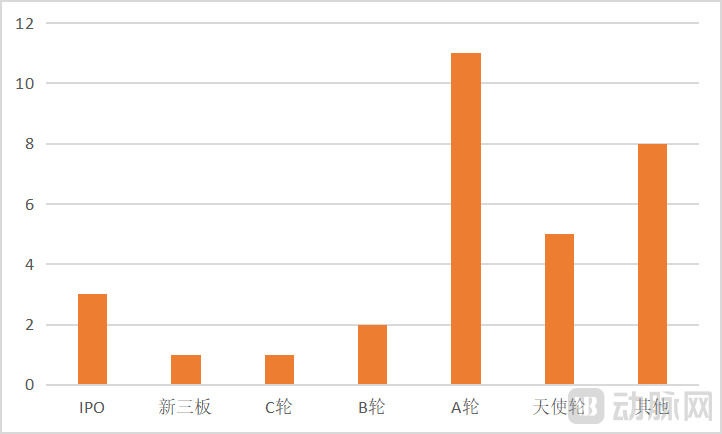
Financing Rounds of Regenerative Medicine Companies in China
In terms of the financing rounds of these companies, most are in the early stages of financing. Eleven companies are in the Series A financing stage, five are in the angel financing stage, and four are IPOs or listed on the New Third Board. Considering the businesses of these companies, every细分 direction has received significant attention from investors.Currently, IPO companies belong to the细分赛道 of bio-regenerative materials. The stem cell repair and再生器官赛道 started later, and companies are still in the early stages.
It is certain that the field of regenerative medicine still has enormous potential yet to be unleashed.
From the perspective of coverage scenarios, key application areas of regenerative medicine such as medical aesthetics, orthopedics, dentistry, cardiovascular diseases, and neurology have seen multiple companies secure financing. This indicates that regenerative medicine has gained extensive and in-depth attention from investors. In the future, these key areas still have further growth potential.
From 2018 to 2021, the scale of China's medical aesthetics market continued to grow, reaching approximately 227.4 billion yuan in 2021, a 15.10% increase compared to 2020. According to the "Gengmei 2021 Medical Aesthetics Industry White Paper" released by Gengmei APP, it is predicted that China's medical aesthetics market will maintain rapid growth in 2022, with a growth rate exceeding 16%, and the market size may reach 264.3 billion yuan. Aesthetic injections are transitioning from the "filler era" into the "regenerative era." Currently, three medical aesthetic products based on regenerative materials have been approved for marketing in China. One year after its launch, Huadong Medicine's "Ellansé" has signed cooperation agreements with over 500 hospitals.
In the orthopedic market, the demand for orthopedic clinical surgeries, which is highly correlated with age, has continued to rise in recent years. The scale of China’s orthopedic implant market grew from 11.7 billion yuan in 2013 to 36 billion yuan in 2020, with an annual compound growth rate of 17.14%, making it the world's second-largest market for orthopedic implants. Against the backdrop of a continuously rising incidence of orthopedic conditions, the application of regenerative medicine products in orthopedics will become increasingly widespread.
From a policy perspective, the global aging population continues to intensify, and traditional treatment models struggle to address issues like tissue and organ repair and regeneration. Regenerative medicine, by creating functional living cells, tissues, or organs, can repair, replace, or regenerate tissues, organs, or functions damaged by aging, disease, or injury. This field holds significant strategic importance and represents a long-term policy-supported direction.
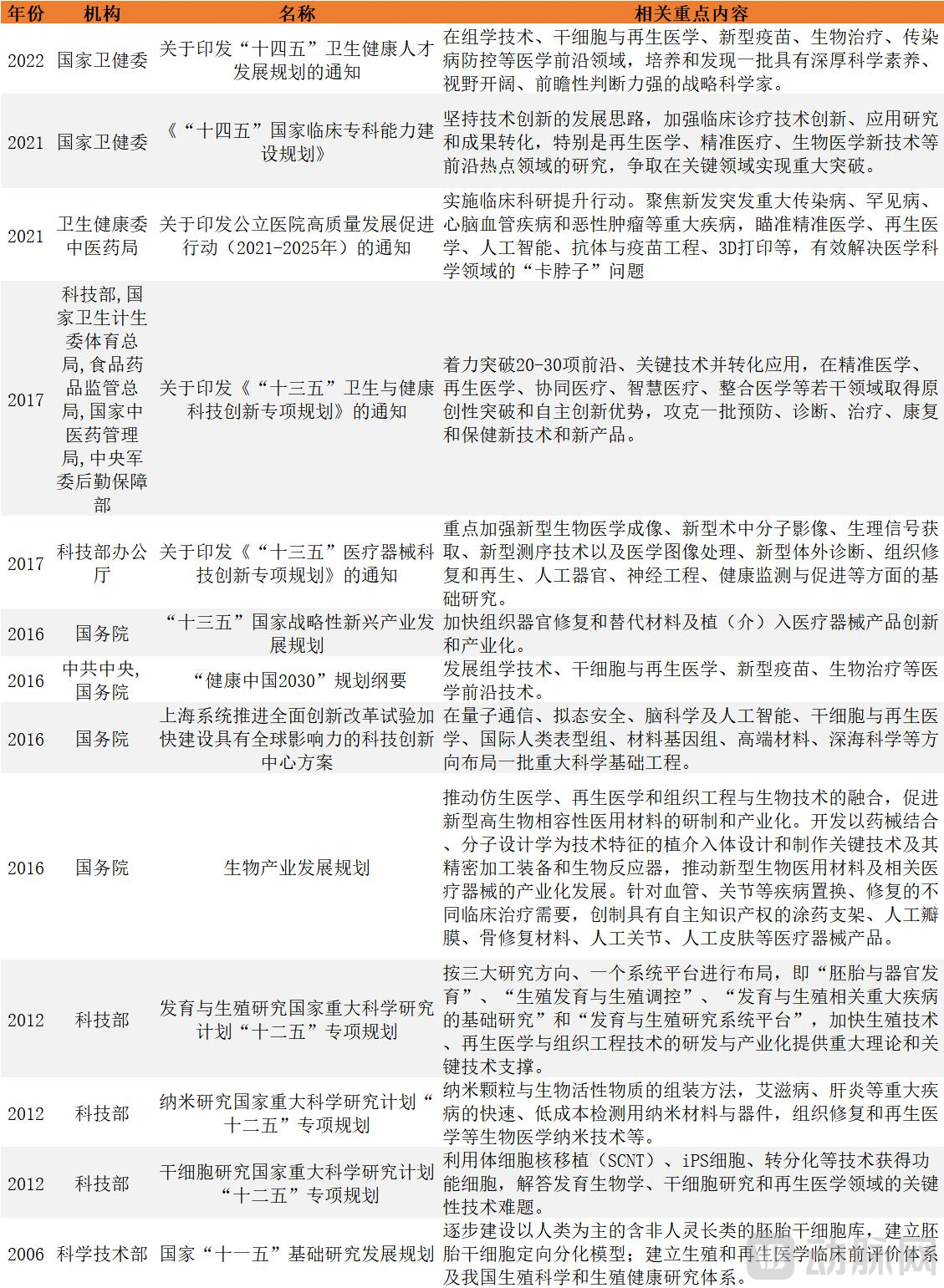
Review of Policies Related to Regenerative Medicine
But it is undeniable that the development of China's regenerative medicine field is still in its very early stages. Products such as bone repair, regenerative medical aesthetics, and dental restoration have already been commercialized, while products with high technical barriers like regenerated organs are still at the research level. It is reported that no products for regenerated kidneys or hearts have entered clinical trials globally. For artificial pancreas, two laboratories have reached Phase II clinical trials, and five to six have entered Phase I clinical trials.
In the future, the further development of China's regenerative medicine will depend on continuous breakthroughs in policy regulation, capital, product research and development, and upstream and downstream collaboration.