

Merck Receives Positive CHMP Opinion for VAXNEUVANCE™ in Pediatric Population Aged 6 Weeks to Under 18 Years

MSD
Pharmaceutical R&D and Manufacturer

European Medicines Agency
The European Medicines Agency (EMA) is a decentralized agency of the European Union (EU), located in London. It began operations in 1995. The agency is responsible for the scientific evaluation, supervision, and safety monitoring of medicines developed by pharmaceutical companies for use in the EU. By ensuring that all medicines available on the EU market are safe, effective, and of high quality, the EMA protects public and animal health in the 28 EU Member States and countries of the European Economic Area.
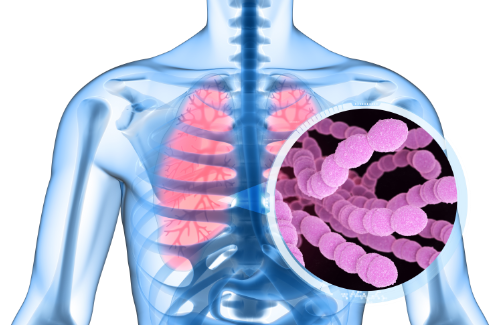
Image Source: Shutterstock
News on September 22, 2022 / BIOON / -- Merck & Co., Inc. (Merck Sharp & Dohme AG) recently announced that the Committee for Medicinal Products for Human Use (CHMP) of the European Medicines Agency (EMA) has issued a positive opinion, recommending approvalVaxneuvance (15-valent pneumococcal conjugate vaccine, V114): For active immunization in infants, children, and adolescents from 6 weeks to under 18 years of age.ImmunityVaccination to prevent invasive diseases, pneumonia, and acute otitis media caused by 15 serotypes of Streptococcus pneumoniae.In the EU, Vaxneuvance has previously been approved for use in adults aged 18 years and older. Now, the CHMP opinion will be submitted to the European Commission (EC) for review, which is expected to make a final decision by the end of this year.
Vaxneuvance is a 15-valent vaccine, consisting of pneumococcal polysaccharides from 15 serotypes (1, 3, 4, 5, 6A, 6B, 7F, 9V, 14, 18C, 19A, 19F, 22F, 23F, 33F) conjugated to CRM197 carrier protein, including serotypes 22F and 33F, which are commonly associated with IPD worldwide.
In terms of U.S. regulation, Vaxneuvance received FDA approval in July 2021.For active immunization in adults aged 18 years and older to prevent invasive pneumococcal disease (IPD) caused by the aforementioned 15 serotypes of Streptococcus pneumoniae.In June 2022, Vaxneuvance received FDA approval for expanded indications:For children aged 6 weeks to 17 years. With this expanded indication,Vaxneuvance is the first pediatric pneumococcal conjugate vaccine approved in the U.S. in nearly a decade, and will help protect children from IPD.Previously, the U.S. FDA granted Vaxneuvance Breakthrough Therapy Designation (BTD) for the prevention of IPD caused by vaccine serotypes in pediatric populations from 6 weeks to under 18 years of age, and in adult populations aged 18 years and older.

Image Source: SheTu Network
Pneumococcal disease is an infection caused by the bacterium Streptococcus pneumoniae. Different strains of this bacterium are known as serotypes. Invasive pneumococcal disease (IPD) occurs when Streptococcus pneumoniae invades parts of the body that are normally free of bacteria. Although there are about 100 different serotypes, fewer serotypes are responsible for IPD in children. Serotypes 3, 22F, and 33F are three of the top five serotypes causing IPD cases in children. IPD can lead to hospitalization or death. Examples of IPD include bacteremia (blood infection) and meningitis (infection of the membranes covering the brain and spinal cord), which can cause long-term neurological complications. Children under 2 years of age are particularly susceptible to IPD.
In the United States and the European Union, for pediatric population indications, FDA approval and CHMP positive review opinions are based on data from seven and eight randomized, double-blind clinical trials, respectively. These studies evaluated the safety, tolerability, and immunogenicity of Vaxneuvance in infants, children, and adolescents. Clinical data from pivotal studies indicate,Based on the geometric mean concentration (GMC) of serotype-specific immunoglobulin G (IgG), Vaxneuvance demonstrated non-inferior immune responses compared to the currently available 13-valent pneumococcal conjugate vaccine (PCV13) for all 13 shared serotypes following a four-dose pediatric regimen.. In addition,For the important pathogenic common serotypes 3 and the two unique serotypes 22F and 33F of Vaxneuvance, Vaxneuvance elicited a superior immune response compared to PCV13 after the four-dose pediatric regimen.
Data from clinical programs also support the use of Vaxneuvance with other commonly used routine pediatric vaccines, as well as its administration in various clinical settings.For example, using Vaxneuvance as an interchangeable vaccine after the launch of the infant PCV13 vaccination program, or using Vaxneuvance for catch-up vaccination in older children who have not been vaccinated against pneumococcus or who previously received an incomplete schedule of another PCV. In addition,Data Supports the Use of Vaxneuvance in Special Populations, such as premature infants and children infected with HIV or suffering from sickle cell disease (SCD). (Bioon.com)
Source: MSD Receives Positive CHMP Opinion for VAXNEUVANCE™ (Pneumococcal 15-valent Conjugate Vaccine) in Infants and Children