

Scribe Therapeutics Files IPO Prospectus Highlighting $1B Sanofi Collaboration for CRISPR-NK Cancer Therapy

Scribe Therapeutics
Gene Medicine Technology Service Provider

Sanofi
Pharmaceutical R&D Developer
As early as 2016, Jennifer Doudna, a Nobel Prize winner, and her team published a paper in Nature, developing a miniaturized new CRISPR gene editing system—CasX. Since then, Jennifer Doudna's team has further analyzed the working mechanism of CasX gene editing and founded a company named Scribe Therapeutics.

Professor Jennifer Doudna
Scribe Therapeutics is dedicated to developing genome editing and delivery tools based on CasX — CasX-Editors, achieving better attributes of gene editing tools from three aspects — higher activity, stronger specificity, and easier deliverability. Scribe completed a $20 million Series A financing at the end of 2020 and a $100 million Series B financing in March 2021.
On September 27, 2022, pharmaceutical giant Sanofi announced a collaboration with Scribe Therapeutics. Sanofi will partner with Scribe to develop NK cell therapies based on CRISPR gene editing to combat cancer. In this collaboration, Sanofi will pay $25 million upfront, and Scribe may also receive up to $1 billion in milestone payments, as well as royalties and sales sharing from the co-developed products.
Sanofi’s Global Research Head and Chief Scientific Officer Frank Nestle stated that the collaboration with Scribe complements Sanofi's robust research efforts in the NK cell therapy field and provides Sanofi’s scientists with unique CRISPR-based engineering technologies to better advance the next generation of off-the-shelf NK cell therapies.
Prior to this, Scribe Therapeutics had partnered with pharmaceutical giant Biogen to jointly develop treatments for ALS and another undisclosed disease.
Scribe's Logo Pays Homage to the Famous "Photo 51"
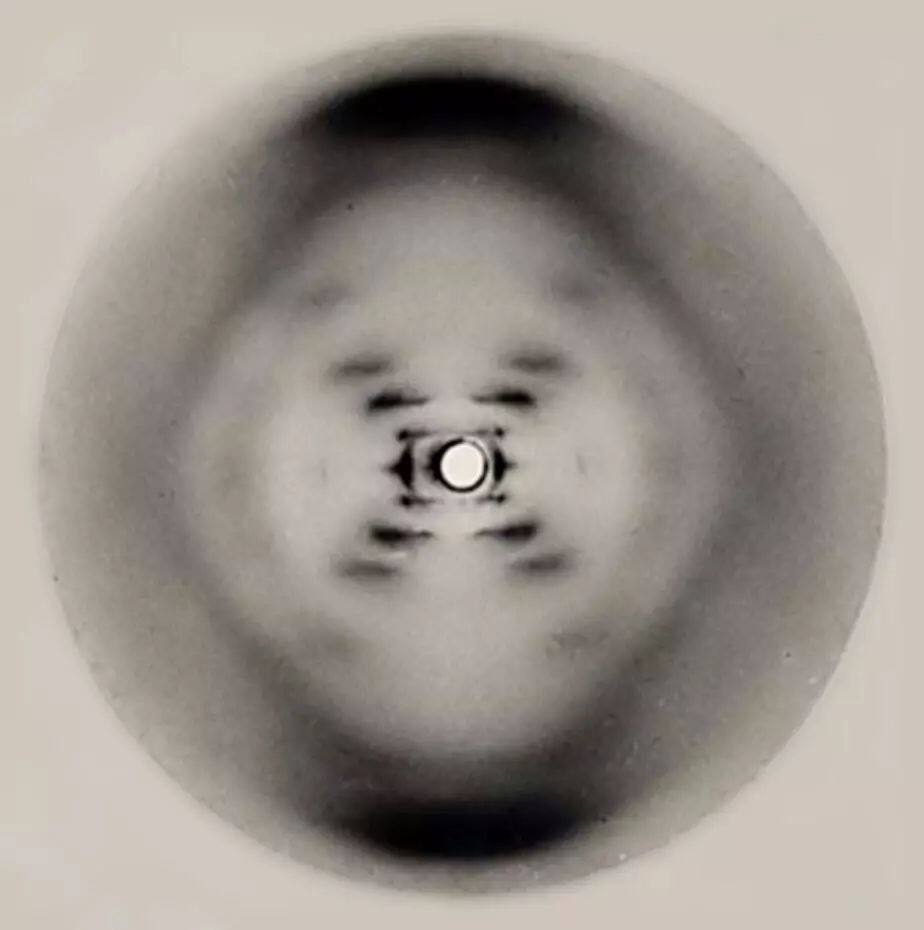
The X-ray crystallography photograph of DNA (Photo 51) taken by Rosalind Franklin in May 1952 directly inspired the discovery of the DNA double helix structure.
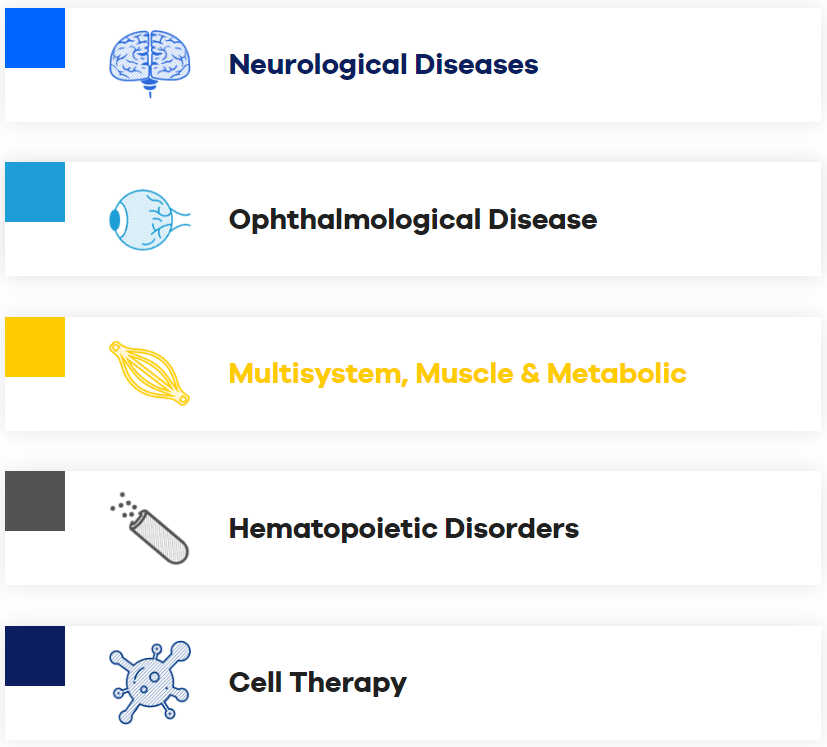
Scribe Therapeutics currently has five research and development directions: neurological diseases (Huntington's disease, familial ALS, spinal muscular atrophy, Parkinson's disease, early-onset familial Alzheimer's disease, Angelman syndrome, etc.), ophthalmic diseases (retinitis pigmentosa, cone-rod dystrophy, Leber congenital amaurosis, glaucoma, achromatopsia, etc.), multisystem, muscular and metabolic diseases (cystic fibrosis, Duchenne muscular dystrophy, alpha-1 antitrypsin deficiency, progeria, familial hypercholesterolemia, etc.).CholesterolHemophilia, phenylketonuria, etc.), hematopoietic dysfunction diseases (sickle cell disease, severe combinedImmunityDefects, Fanconi Anemia, Hemophilia A/B, Chronic Granuloma,Blood vesselHemophilia), Cell Therapy (CAR-T、NK、TiL、HSC、iPSC)。
Scribe Therapeutics is dedicated to developing genome editing and delivery tools based on CasX — CasX-Editors, achieving better gene editing tool attributes in three aspects — higher activity, stronger specificity, and easier deliverability.
Moreover, due to the intense patent disputes between Jennifer Doudna's multiple companies and Zhang Feng's team, the CasX developed by Scribe Therapeutics avoids patent disputes.