

Susheng Biotech: A Chinese Pioneer in Cartilage Regeneration Wins Global Recognition at FIMS and Advances Toward IPO

Susheng Biotech
Developer and Manufacturer of Sports Medicine Devices
"Novel composite biomaterial scaffolds based on extracellular matrix (ECM) can effectively induce cartilage regeneration. These scaffolds have demonstrated excellent biosafety and efficacy in animal studies and have entered the clinical trial preparation stage. Their future application in humans holds significant value potential and market space."
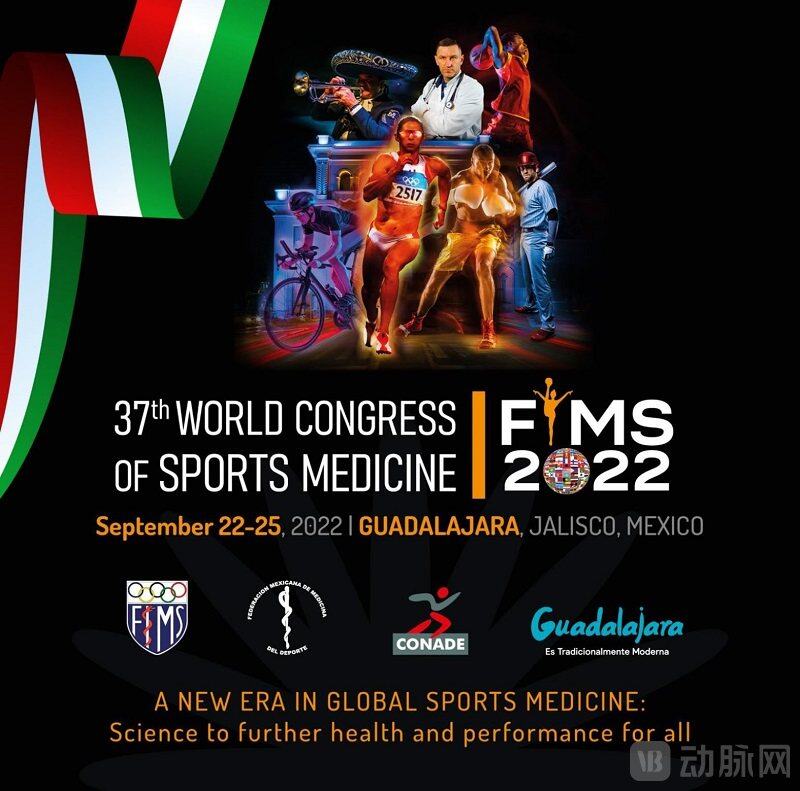
This conclusion was drawn from a cartilage regeneration study during the 37th World Congress of Sports Medicine hosted by the International Federation of Sports Medicine (FIMS). This study, along with a concurrent research project on artificial intelligence analysis and intervention in user sports injuries, received the highest prize money for the Young Investigator Awards at the conference.
As the International Federation of Sports Medicine (FIMS), which has been established for 94 years, its absolute authoritative influence in the field of sports medicine has brought together 117 national sports medicine association organizations from around the globe, covering more than 125,000 doctors and scholars. In addition to promoting sports medicine research, FIMS also plays a significant role in important sports organizations and events such as the International Olympic Committee and FIFA.
 FIMS Logo
China joined FIMS in 1980. For a long time, Professor Li Guoping, the former director of the Institute of Sports Medicine of China's General Administration of Sport, Chief Medical Officer of the Beijing Olympics, and Vice President of FIMS, was one of the few Chinese figures in the FIMS presidency. At this conference, Professor Shu-hang Yung from the Chinese University of Hong Kong was elected as the FIMS Vice President, Professor Xie Minhao, the director of the Institute of Sports Medicine of the General Administration of Sport, was elected as an Executive Committee Member, and Dr. Zeng Sheng, the director of Haikou Key Laboratory of Stem Cells and Regenerative Medicine and the chairman of Susheng Biotech, was newly elected as a member of the FIMS Scientific Committee.
At the conference, Researcher Sheng Zeng delivered a keynote speech titled "Discover Hope out of Hopelessness - Biomaterial Derived from Extracellular Matrix for Cartilage Regeneration," reporting to the conference on China's cartilage regeneration research. This presentation demonstrated the determination and capability of Chinese researchers in addressing global challenges in sports medicine and received widespread acclaim from the FIMS Scientific Committee.
The election of vice-chairmen and members from China also means that China's leadership in the field of international sports medicine scientific research and Olympic sports medicine affairs has been further enhanced. In addition, Susheng Biotech, which has a strong scientific research foundation and benefits from Hainan's unique policies for biopharmaceutical development, will also represent China's sports medicine industry on the world stage.
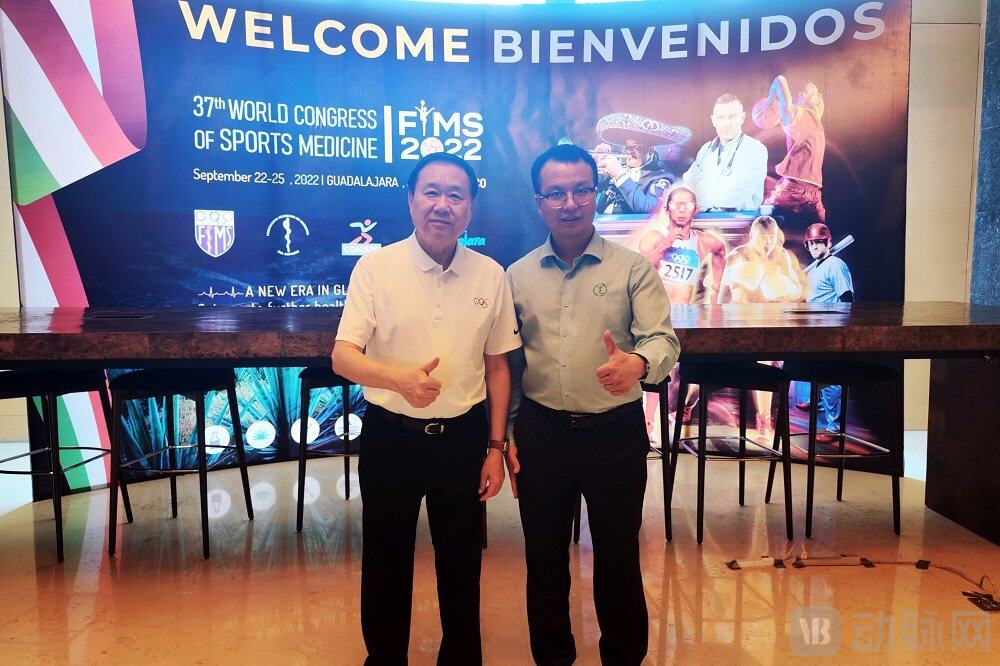 Professor Li Guoping (left), former director of the Institute of Sports Medicine of the General Administration of Sport of China, chief medical officer of the Beijing Olympics, and vice president of FIMS; and Dr. Zeng Sheng (right), member of the FIMS Scientific Committee, director of the Haikou Key Laboratory of Stem Cells and Regenerative Medicine, and chairman of Hainan Susheng Biotech Co., Ltd.
Regenerative sports medicine may be ushering in its best development opportunity.
As the most cutting-edge interdisciplinary field, it combines regenerative medicine with sports medicine, addressing issues that neither regenerative medicine nor sports medicine alone can solve—restoring the structure and function of the motor system through the regeneration induction of tissues, structures, or organs. Amidst growing demand and insufficient supply to meet that demand, it is undoubtedly one of the most promising research fields today.
From the perspective of demand, the large population of athletes causing sports injuries and the increasing aging population leading to a rise in degenerative diseases have continuously driven up the demand.
On the one hand, national fitness is increasingly becoming a trend, and the number of patients with sports injuries is further increasing. In 2000, Beijing's successful bid for the Olympics brought sports into the public eye. Subsequently, in 2014, the "Several Opinions of the State Council on Accelerating the Development of the Sports Industry and Promoting Sports Consumption" made "national fitness" increasingly深入人心. Previous data had predicted that by 2025, the proportion of China's sports population would reach 38.5%.
On the other hand, the deepening degree of aging has brought about a further increase in degenerative diseases. The data from the 7th population census shows that the population aged 60 and above in China is 264.02 million, accounting for 18.70%. Compared with 2010, the proportion of the population aged 60 and above has increased by 5.44 percentage points. The further deepening of population aging also means the rapid growth of degenerative diseases in tissues, including the motor system.
Over the past three decades, the use of minimally invasive surgery under arthroscopy has driven the development of the sports medicine market. In fact, as an important细分领域 of the orthopedic industry, sports medicine accounts for more than 20% of the global orthopedic market. However, in China, this figure is only about 9%, and the rate of domestic substitution is only 8%. In the past, due to high industry technical barriers and patent technology封锁, international giants have long occupied more than 90% of the domestic market share. However, with national support for medical innovation and import substitution, the rise and replacement of domestic innovative enterprises is to be expected.
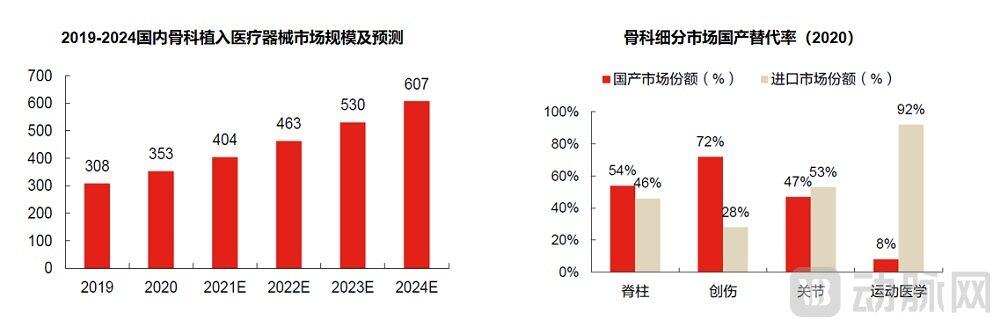
Data source: China Business Intelligence Network, Orient Securities Research Institute, "Medical Device Blue Book: China Medical Device Industry Development Report (2021)"
From the supply side, there are issues such as the excessively long training cycle for sports medicine doctors and innovative solutions failing to be practically implemented. From the perspective of the disease itself, cartilage defects caused by trauma, degeneration, inflammation, infection, and other reasons are very common in clinical practice. Unlike fractures, soft tissues such as cartilage and ligaments have weak regenerative abilities and struggle to self-repair, often requiring surgical reconstruction or induced regeneration.This has also become a breakthrough in regenerative sports medicine and is regarded as the commanding height for future development in the field of sports medicine.
We may be able to see some differences from the current technology development path:
In view of the weak regenerative capacity of tissues such as tendons, ligaments, and cartilage,Traditional sports medicine mainly focuses on the restoration of patients' tissue function.The commonly adopted methods include resection, repair, and reconstruction of damaged tissues through arthroscopy. Currently, the market size of arthroscopic equipment and consumables in China is approximately 10 billion yuan, with a high compound annual growth rate of 18%.
AndThe new generation of sports medicine attempts to change the limitations of traditional sports medicine, inducing the regeneration of damaged tissues while restoring tissue function.In order to achieve this goal, the industry currently mainly adopts two technical approaches:One approach is to induce the regeneration of damaged tissues through tissue engineering scaffolds; the other pathway focuses on stem cell differentiation to regenerate tissues, achieving induced repair.
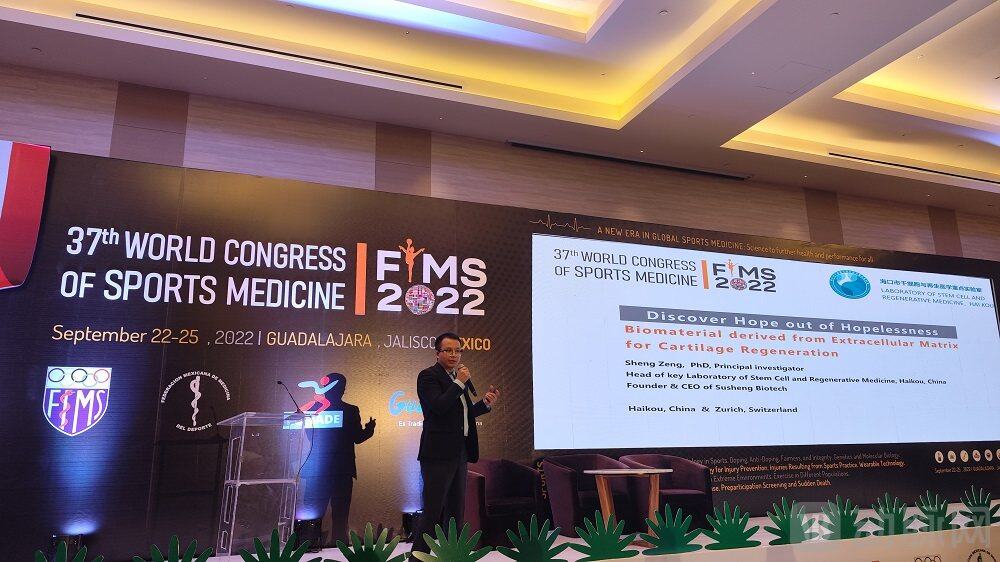
Researcher Zeng Sheng, member of the FIMS Scientific Committee, Director of Haikou Key Laboratory of Stem Cells and Regenerative Medicine, and Chairman of Hainan Susheng Biotech Co., Ltd., delivered a speech at the FIMS Conference.
Susheng Biotech's award-winning research at the World Congress of Sports Medicine focuses on the pathway of inducing damaged tissue regeneration through tissue engineering scaffolds, which is currently the best choice for commercial applications. In addition, Susheng Biotech has also proactively laid out the technology of differentiating universal induced pluripotent stem cells (iPSC) into core regenerative tissues, as well as a synergistic application solution for the two technologies, maintaining its continuous leading position in the field of regenerative sports medicine.
Prior to this, based on years of development experience in Switzerland, Susheng Biotech has fully established a traditional sports medicine product ecosystem centered around absorbable materials, including various screws, sutures, and arthroscopy systems. Moreover, it has broken through patent barriers, achieving the R&D of multiple high-value Class III medical devices, such as a new generation of absorbable interface screws, soft tissue adhesives, an innovative tendon-to-bone connector, a new generation of titanium plates with loops, and a dynamic compression locking plate system.
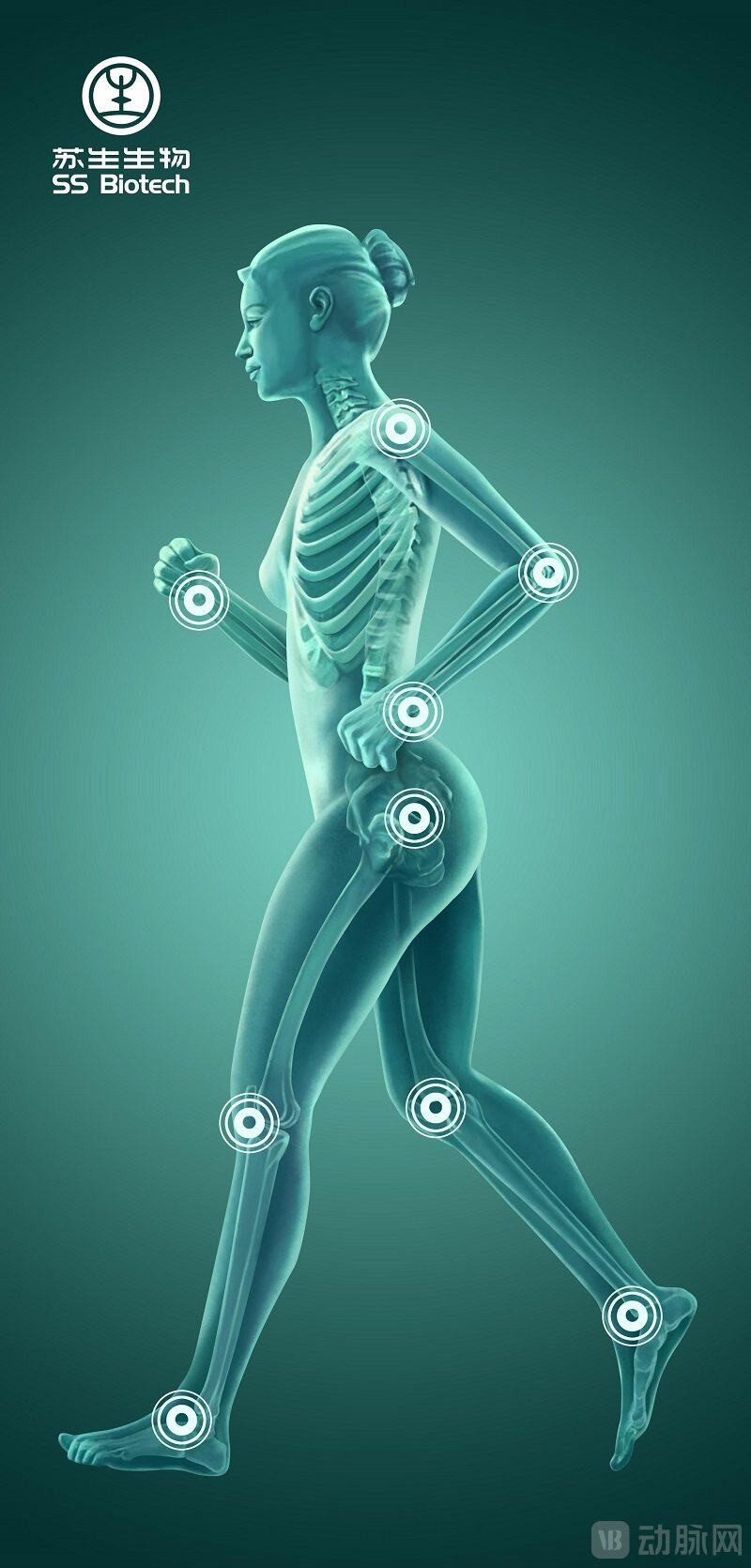
Susheng Biotech Products for Articular Soft Tissue Regeneration and Repair
Perhaps it can be said that in the field of traditional sports medicine, where medical device competition has already become a red ocean, whoever can first implement the landing of the next generation of sports medicine technology and truly solve the pain points and difficulties for doctors in clinical practice will stand out in the future billion-level regenerative sports medicine market.
Let's return to the most fundamental medical research.
Why has clinical cartilage repair become a difficult problem to overcome? The reasons are as follows:
Cartilage has a severe lack of self-regenerative repair capability;
Autologous osteochondral transplantation is limited by the source;
Allogeneic cartilage is limited by subchondral bone healing障碍 and rejection reactions;
The cycle of the secondary surgery plan is long, and the cost is high...
In the past, there have been other explorations using engineered tissue scaffolds, but they have faced some problems to varying degrees. For instance, insufficient regenerative induction capacity of the materials, inability to effectively promote the formation of hyaline cartilage (fibrocartilage may form instead)... Even if new cartilage does regenerate, issues such as biological stability and inadequate mechanical properties might still exist. Moreover, during actual clinical procedures, doctors may need to consider additional factors, including ethical concerns related to allogeneic cartilage, sourcing of materials, and whether a second surgery is required.
These challenges have also slowed the progress of current engineering tissue scaffolds. Even in the global market, only a few products, such as the UK's MaioRegen and the US's Maci, have received EU CE or US FDA certification. To date, there are no approved products on the market in China, meaning that once a new engineered tissue scaffold is successfully developed, it will directly face a market space and commercial outlook with no competition.
Susheng Biotech's xenogeneic cartilage extracellular matrix scaffold is a new-generation scaffold material developed after undergoing processes such as decellularization technology treatment, composite material formulation, and structural design optimization. It features high porosity, strong mechanical performance, easy attraction of chondrocytes, and enables uniform cell attachment and growth within the scaffold. The product offers several advantages, including a wide range of raw material sources, low rejection response, effective promotion of hyaline cartilage regeneration, and can be completed with minimally invasive surgery under arthroscopy: short cycle, low cost.
Compared with other engineered tissue scaffolds, its specific advantages may be reflected in the following two aspects——
1. The advantage of cartilage regeneration brought by material innovation.
Susheng Biotech's Xenogeneic Cartilage Extracellular Matrix Scaffold (Extracellular Matrix Composite Scaffold) combines the advantages of extracellular matrix scaffolds and polysaccharides. On one hand, it retains the natural three-dimensional structure of the extracellular matrix scaffold, providing growth factors and nutrients required by cells. On the other hand, it preserves the superior biomechanical properties of polysaccharides, offering antibacterial functionality and adjustable in vivo degradation rates. Its unique composite bilayer structure provides excellent mechanical support in the early stages while facilitating cartilage regeneration in the mid-to-late stages. Additionally, its improved biological enzyme decellularization technology addresses the immunogenicity issues of xenogeneic materials. Moreover, Susheng Biotech’s scaffold structure, designed through directional freeze-drying and a special templating process, overcomes the challenge of uneven cell distribution within traditional scaffolds, resulting in enhanced cartilage regeneration outcomes.
Second, the wide range of application scenarios.
This is mainly due to three major factors. First, the material itself is derived from bovine xenogeneic cartilage, ensuring an abundant supply. Second, the incorporation of chitosan allows it to effectively regulate degradation rates. Third, Additive Manufacturing (AM) provides a powerful tool for the widespread application of cartilage regeneration materials. Through research by the Susheng Biotech team, this scaffold material can be formulated into bio-ink compatible with mainstream 3D printing equipment, offering a convenient method to produce cartilage with various performance specifications. These advancements further expand its range of applications. Reportedly, it can be used to treat sports injuries and degenerative diseases such as knee cartilage, meniscus, and vertebral endplates, as well as for cosmetic repairs of ear, nasal, and rib cartilage.
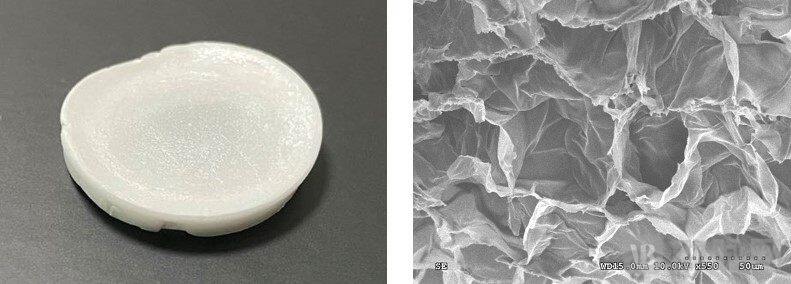
Cartilage Appearance and Electron Microscopy Images
Currently, Susheng Biotech is collaborating with several top-tier tertiary hospitals, including conducting clinical trials for products used in the treatment of sports injuries and degenerative diseases with Shanghai Sixth People's Hospital and PLA General Hospital Hainan Hospital. It is also carrying out clinical trials on cartilage reconstruction in plastic surgery with Shanghai Ninth People's Hospital. Researcher Zeng Sheng also stated that, based on the current market demand, the future core expansion scenarios of Susheng Biotech will focus on knee cartilage and ear cartilage, gradually expanding to other application scenarios to provide solutions for more soft tissue injury repair and regeneration needs.
In recent years, the application of stem cell technology in regenerative medicine has shown great potential. However, there are still certain risks in terms of safety, efficacy, and continuous quality control during the process of developing stem cells into drugs, which have been given significant attention and supervision by drug regulatory authorities. Treatment methods that combine excellent scaffold materials with allogeneic stem cells meeting quality control standards may become the most practical and feasible solution for commercialized clinical applications in China's stem cell field.
Based on the aforementioned considerations and judgments, and in compliance with ISO9001 and relevant industry quality management systems and standards, Susheng Biotech has established a comprehensive clinical-grade stem cell preparation and application system. Building upon its composite material scaffold products, the company aims to combine stem cells to create artificial "living" tissues with enhanced regenerative capabilities, offering better repair and regeneration outcomes for severely damaged soft tissues.
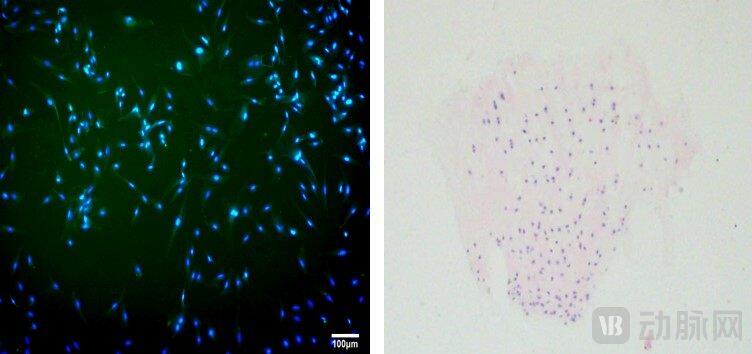
Scaffold Combined with Cells for Transparent Cartilage Regeneration
It is the exploration of the frontier technologies in industrial development and strategic thinking that has brought Susheng Biotech to the international stage. Behind this, the academic background and professional experience of researcher Zeng Sheng also play a significant role.
Researcher Zeng Sheng completed his master's and doctoral studies in the joint program of life sciences at the Swiss Federal Institute of Technology and the University of Zurich.Apprenticed to renowned biologist Professor Michael Hengartner, Chairman of the ETH Domain, and Professor Robert Horvitz, Nobel Prize laureate,The research areas mainly include animal development, cell migration, and apoptosis mechanisms, with multiple papers published in the Nature series.In 2012, he co-founded Cytos Medical Technology Co., Ltd. in Switzerland, jointly developing medical devices for anterior cruciate ligament repair in the knee and researching a 3D printing artificial cartilage technology system based on mesenchymal stem cells. The earlier experiences laid the foundation for subsequent development. Meanwhile, the Swiss company has now been incorporated into Susheng Biotech as a wholly-owned subsidiary, further promoting the globalization strategy of Susheng Biotech.
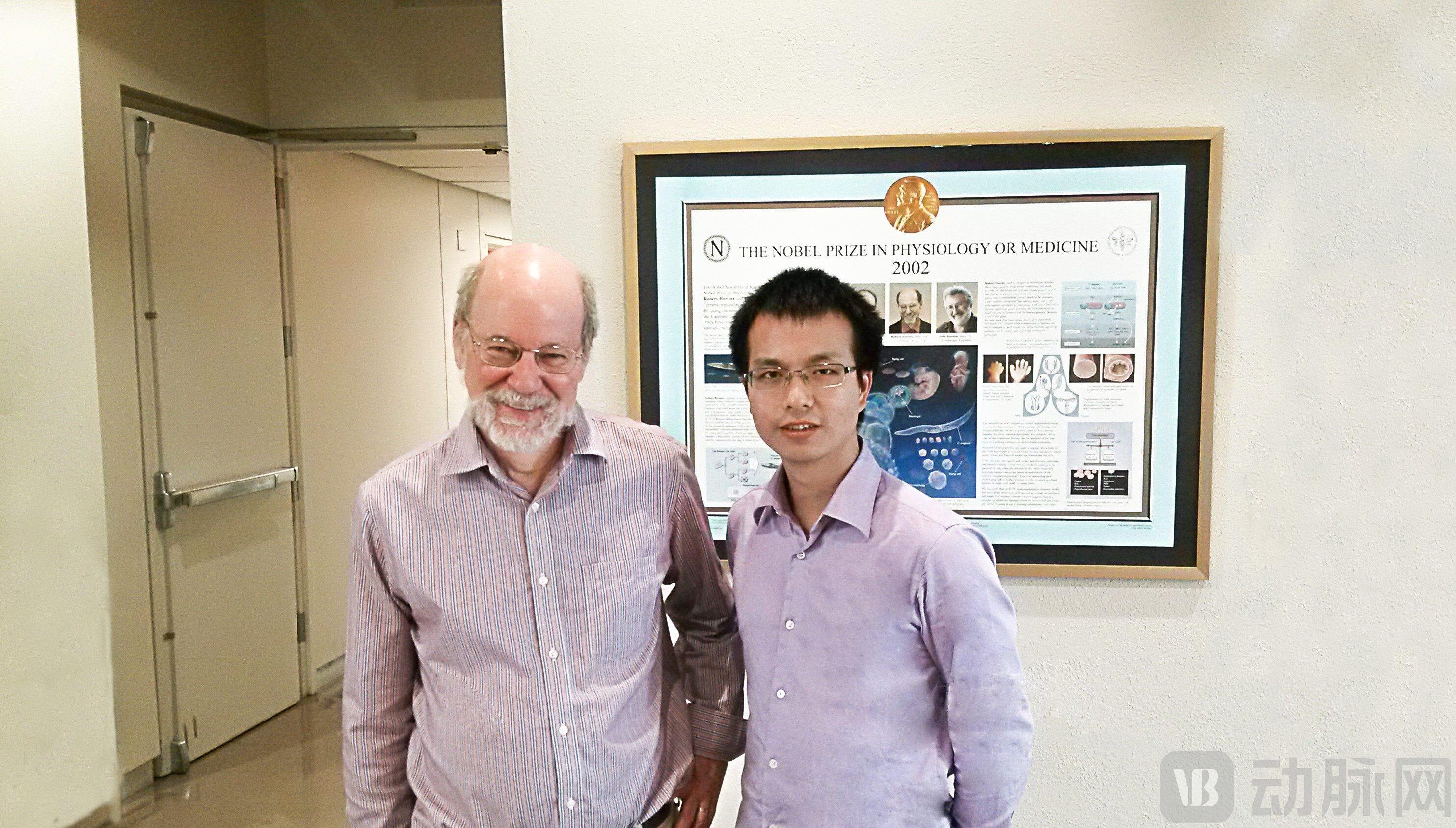 Professor at MIT,Nobel Prize winner Professor Robert Horvitz (left), Member of the FIMS Scientific Committee, Director of Haikou Key Laboratory of Stem Cells and Regenerative Medicine, and Chairman of Hainan Susheng Biotech Co., Ltd., Researcher Zeng Sheng (right)
Hainan's key support for high-end and sophisticated technology fields such as biomedicine is also contributing to the rapid growth of Susheng Biotech. As a key high-tech industry in the construction of Hainan Free Trade Port, biomedicine is an important strategic pillar industry for developing scientific and technological innovation in Hainan Province. Susheng Biotech, as a representative high-tech enterprise in Haikou National High-Tech Industrial Development Zone's "Pharmaceutical Valley," has received strong government support due to its leading technology and continuous innovation capabilities.Included in Hainan Province's "Specialized, Precise, Unique, and Innovative" Enterprise DatabaseIn March this year, the completion and unveiling of Haikou's Stem Cell and Regenerative Medicine Laboratory can also be regarded as a positive outcome of Susheng Biotech under the support of Hainan's advantageous policies.
Currently, Susheng Biotech is actively introducing the most advanced medical device products from overseas by leveraging the advantages of the Boao Lecheng International Medical Tourism Pilot Zone in Hainan.Among them, SmartBone, the latest introduced artificial bone regeneration material containing polyester collagen derived from xenogeneic bone matrix.®, which has been approved by the regional ethics expert conference, is about to carry out the first implantation in China in October for large-volume defect bone regeneration and repair.While registering imported medical devices, Susheng Biotech is also striving to gradually implement the innovative model of "Lecheng Pilot, High-tech Zone Production, and Nationwide Promotion" by 2023.
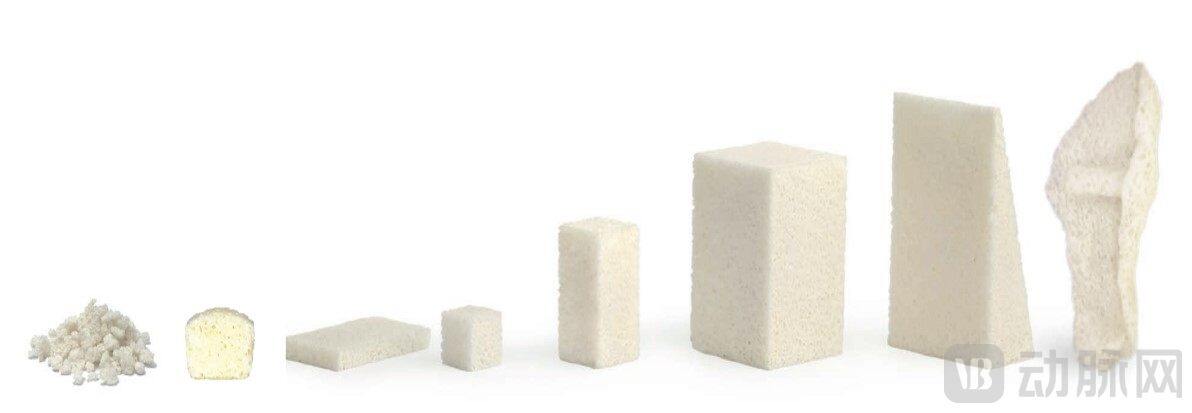 Bone Regeneration Material SmartBone®
The emphasis on innovation has also allowed Susheng Biotech to accumulate more strength for future development. Currently, Susheng Biotech has applied for 33 patents in the fields of implantable medical devices, biomaterials, and stem cells and regeneration. It has published over 40 academic papers in international top-tier journals such as *Nature* and *Cell* and their sister publications, and owns several original Class III innovative medical device products with internationally leading technology.
Perhaps, this is also the reason why Susheng Biotech has made significant progress in many cutting-edge fields of regenerative sports medicine, such as xenogeneic cartilage extracellular matrix scaffolds, and has gained government support and external attention.
As an elected member of the Scientific Committee of the World Congress of Sports Medicine, Researcher Sheng Zeng added that he would subsequently work with leading experts and top enterprises in the industry to promote the establishment of the Coordination Headquarters of the World Congress of Sports Medicine in Hainan, further facilitating the development of sports medicine in China, enhancing the level of sports medicine research in China, and strengthening China's voice in the field of sports medicine.
As a representative of the latest frontier technology in the field of regenerative sports medicine, the chairman of Susheng Biotech has a clear plan for the company's development:
In the field of traditional sports medicine, Susheng Biotech firmly adheres to the guiding principle of "me better," focusing on structural innovation and absorbable materials to achieve product innovation and a differentiated competitive advantage. For instance, its next-generation "absorbable interface screws" have benefited from improvements in internal structure, achieving results that are no less than, or even surpass, those of leading international counterparts, enabling patients to recover faster and with better outcomes post-surgery. Among the company's core developments in next-generation sports medicine products, Susheng Biotech is prioritizing the advancement of extracellular matrix composite scaffold products for cartilage regeneration and repair, with plans for global market launch in 2024. While maintaining its leading edge in cartilage regeneration, the company will also expand into more sports medicine scenarios, such as artificial rotator cuffs. Additionally, it plans to integrate technologies involving autologous/allogeneic mesenchymal stem cells (MSC) and universal iPSC differentiation into core regenerative tissues, ensuring strategic technical reserves and sustaining its leading position in the industry.
"The future demand for artificial rotator cuffs, artificial ligaments, and artificial cartilage is expected to reach hundreds of billions. Based on solid technical accumulation and team advantages, we believe that in this vast blue ocean market, Susheng Biotech will undoubtedly be a company that neither the capital market nor clinical institutions can ignore," summarized Researcher Zeng Sheng.