

Over 70 Leading Pharma Companies Enter the Space Medicine Race: How It's Unlocking a Trillion-Dollar Space Economy

Merck Group
Pharmaceutical R&D Developer
Every era has no shortage of people who look up at the stars. In ancient times, there were the Wright brothers; today, there is Elon Musk. In the near future, we will also welcome more pioneers of the space economy who venture into space to "open up new frontiers."
In recent years, commercial aerospace has developed rapidly, with the total volume of the space economy continuously expanding and its growth rate gradually accelerating, permeating various fields. In this regard, the State Council Information Office mentioned in the white paper "China's Space in 2021" released in January this year,In the next five years, China's aerospace industry will "foster the development of new space economy business forms such as space tourism, space biopharmaceuticals, space debris removal, and space experiment services, enhancing the scale and efficiency of the aerospace industry."。
In fact, numerous universities, research institutions, and enterprises worldwide have actively participated in the application and industrial exploration of aerospace research, medicine, life sciences, education, and more. Among them,Space Medicine(Space Medicine)It is the premise and guarantee for various activities such as space exploration, development, and even settlement, and an important fulcrum for leveraging the trillion-dollar space economy.。
Space Medicine originated from the monitoring of astronauts' physical conditions and the prevention and treatment of diseases, rooted in general medicine. Its research content involvesCell Tissue Engineering, Organ Transplantation, Regenerative Medicine, and Pathological ResearchIn multiple fields, after rapid development, it can give back to general medicine and inject new vitality into it.
From the perspective of basic research and industrial transformation, currently, there are over 60 research and development centers, more than 70 investment institutions, and over 70 companies deeply involved in the cause of space medicine worldwide. Among them are...Amgen, AstraZeneca, Bristol-Myers Squibb, Eli Lilly, Merck, Novartis, Sanofi, TakedaThe figures of multinational biotechnology and pharmaceutical giants such as... There is also a newly established company namedSP8CEVC's Venture Capital Fund, with a specific focus on the intersection of space technology and human longevity.
Once an unreachable expanse of stars and sea, space is now becoming a crucial gateway to solving persistent health challenges for humanity. This article, drawing on research from SpaceTech Analytics, focuses on the development of Space Medicine in global scientific research and industrial fields.
Space Medicine is an important branch of SpaceTech. Due to its unique environmental conditions, it has promising application prospects in the following major fields:
Pathogenic Mechanism Detection.Space radiation can have varying effects on human chromosomes, cells, and genes. Upon returning to Earth, research is needed on how to repair damaged genes. Therefore, advanced genomics research conducted in the space environment can help identify the pathogenic mechanisms of certain diseases.
New Drug Technology R&DFor pharmaceutical companies, the value of conducting nanotechnology research in the space environment is remarkable. The microgravity conditions in space are highly conducive to the development and improvement of drug manufacturing processes.
Research on Anti-aging MechanismsAfter entering space, the human body's aging process accelerates to ten times the rate of aging on Earth, while also experiencing partial functional changes, such as mitochondrial dysfunction, immune deficiency, and cognitive impairment. These changes are very similar to the mechanisms of chronic diseases and aging in ordinary people. Therefore, anti-aging strategies developed for astronauts can be fully applied to the elderly population on Earth.
In fact, many technologies and products developed on the ground initially originated from space programs, such as cochlear implants, insulin pumps, magnetic resonance imaging technology, and more. In the future, some basic scientific research can be further translated into products that are useful for humanity.
Currently, the development of space medicine has attracted the attention of many investment institutions. According to data from SpaceTech Analytics,More than half (approximately 74%) of the investment institutions in space medicine are from the United States.Another 14% of investment institutions come from Europe, with 4% each from the UK and Germany, and 3% each from Finland and Switzerland. Additionally, 3% of investment institutions originate from Singapore, with other investors distributed across the globe.
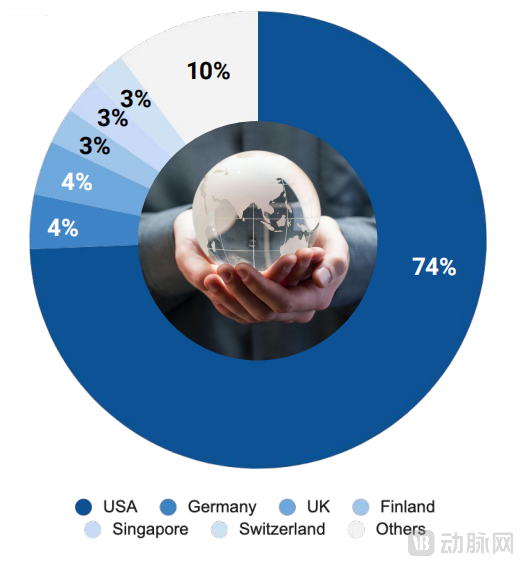
Global Distribution of Space Medicine Investment Institutions
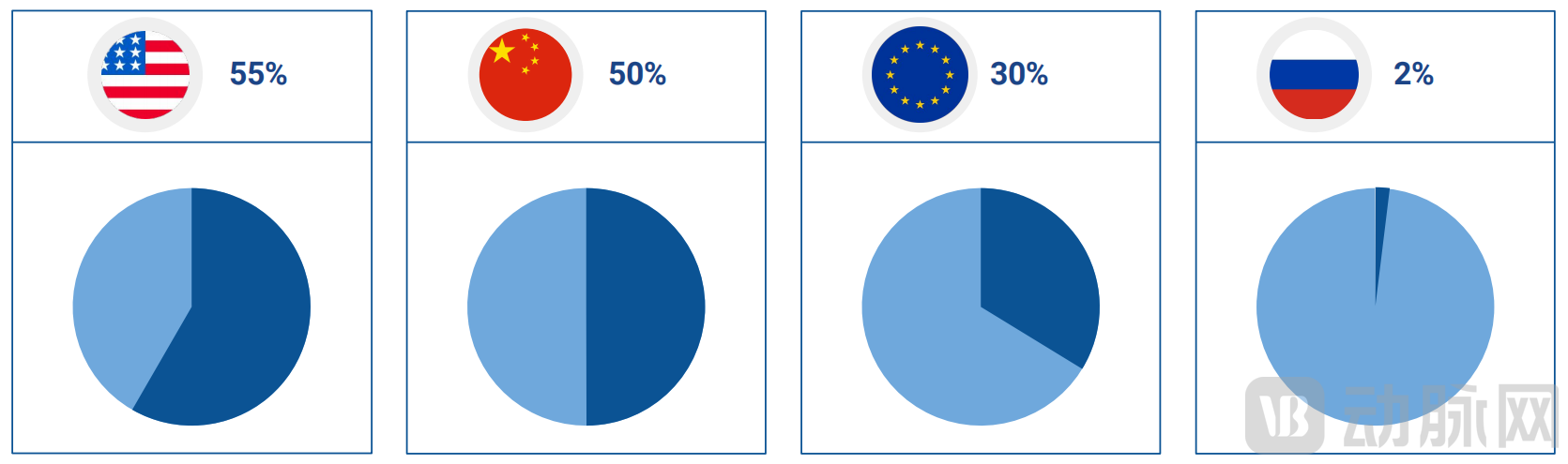
At the same time, an increasing number of space startups have emerged and are conducting space research, with commercial research projects gradually occupying the space medicine market. In terms of the number of research projects,The United States accounts for 55% of the space market development from private enterprises. China follows closely behind, with half of the market dedicated to commercial research and development.
The EU ranks third, with 30% of space projects initiated by private companies. Although Russia historically has the most experience in space research, its space commercialization only began in 2018, and currently, there is only one Russian company conducting commercial research projects in space—3D Bioprinting Solutions.
As an important frontier for new drug development, major pharmaceutical companies such as Biogen, Amgen, Merck, Eli Lilly, AstraZeneca, Sanofi, and Novartis have long invested in the field of space medicine.In addition, many international giants are involved in the layout. Statistics show that 60% of the companies are headquartered in the United States, followed by Israel, France, and Switzerland (accounting for 30% of all private companies), while other companies are distributed across the United States, the Netherlands, and Italy.
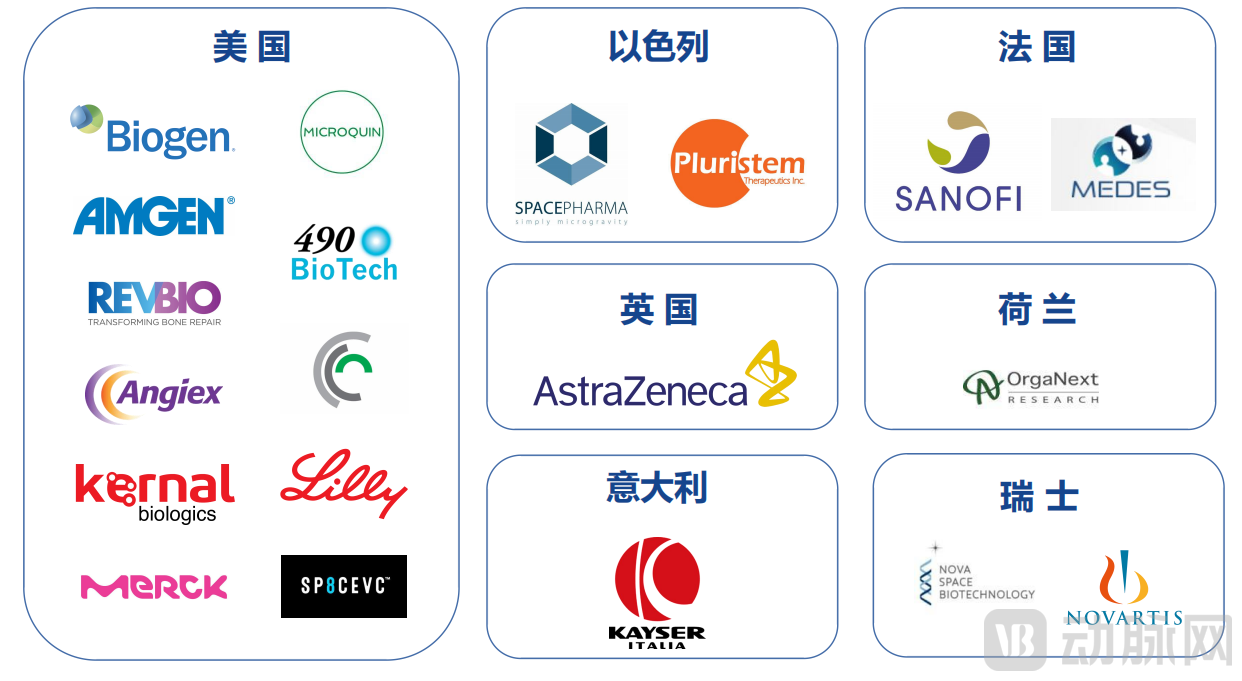
International Giant Enterprises in Space Medicine Layout
Since NASA introduced the Center for the Advancement of Science in Space (CASIS) to manage the International Space Station National Laboratory in 2011, CASIS has collaborated with various academic research institutions, government organizations, startups, and major commercial companies to jointly develop and utilize the microgravity laboratory in space.
One of NASA's key focus areas is life sciences, studying the effects of weightlessness on astronaut physiology, microbiomics, genetics, and life support systems (including food production systems) to provide support for future space exploration and settlement.
Since 2016, CASIS has been actively promoting the use of the microgravity environment on the International Space Station (ISS) to develop and improve treatments for patients on Earth within the pharmaceutical industry. The ISS also opened to various companies in the same year, with the majority of research being conducted by pharmaceutical enterprises.
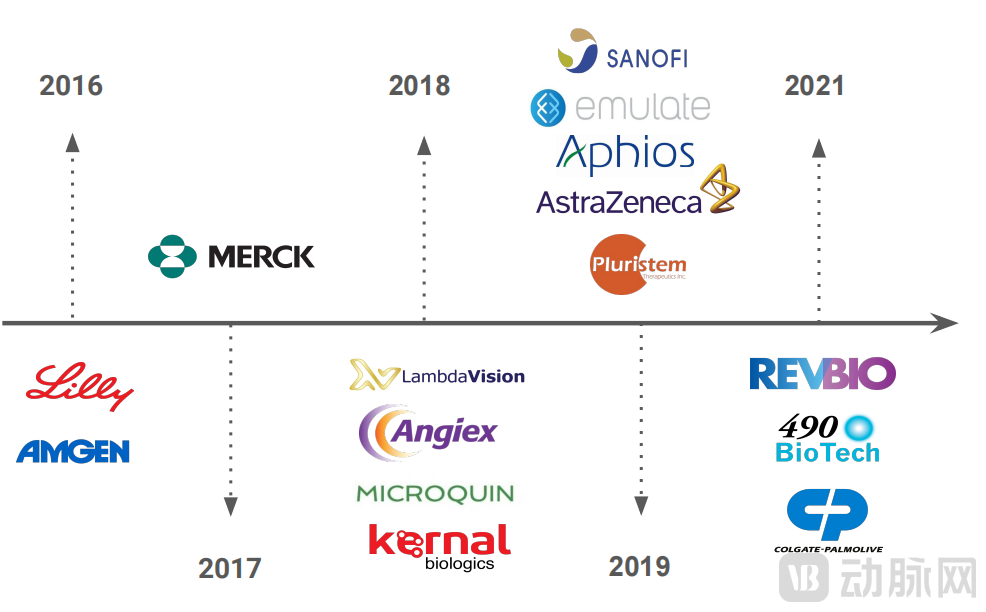
Timeline for Enterprises to Conduct Research on the International Space Station
Among them, companies such as Merck, Eli Lilly, and Novartis have sent multiple commercial payloads to the space station, including research on diseases such as osteoporosis and improving drug tablets to enhance efficacy.35% of all corporate research on the International Space Station is dedicated to breakthrough delivery systems for cancer drugs. Another 47% of applied science focuses on treatments for neurodegenerative diseases, primarily Alzheimer's disease, as well as regenerative medicine.
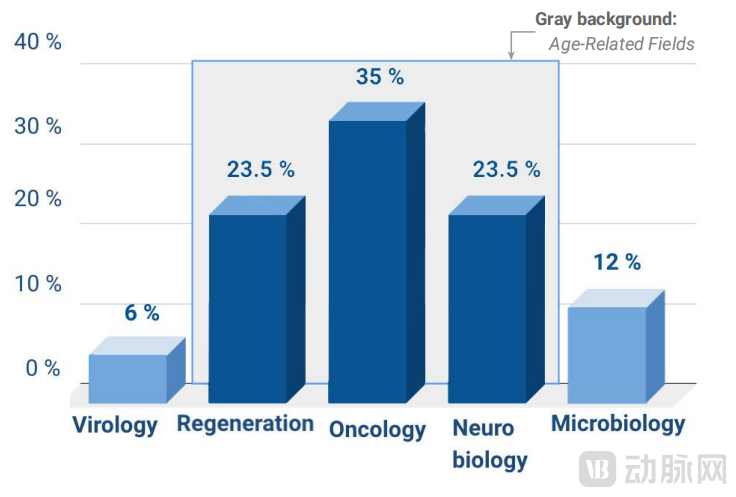
Main Areas of Focus in Commercial Space Medicine Research Projects
Biomanufacturing is a type of stem cell production that uses biological materials (such as microorganisms) to produce substances and biomaterials suitable for preclinical, clinical, and therapeutic applications. The production efficiency is higher under microgravity conditions. Therefore, space and microgravity environments are ideal places for biomanufacturing, with the potential to contribute to life-saving efforts by promoting the rapid large-scale production of stem cells.
Currently,The field of space biomanufacturing with the most research conducted globally is regenerative medicine (Regenerative medicine), accounting for23%; Organ printing (3D bioprinting) accounts for 22.4%, ranking second. In third place is drug discovery and development using protein crystallization technology, accounting for 11.6%.
Another 7.2% focused on the degenerative processes of bones, muscles, and brain function in space environments. Cell therapy accounted for 6.3%. Additionally, 13% was distributed across the fields of organ-on-a-chip, medical devices, and research equipment on the International Space Station.
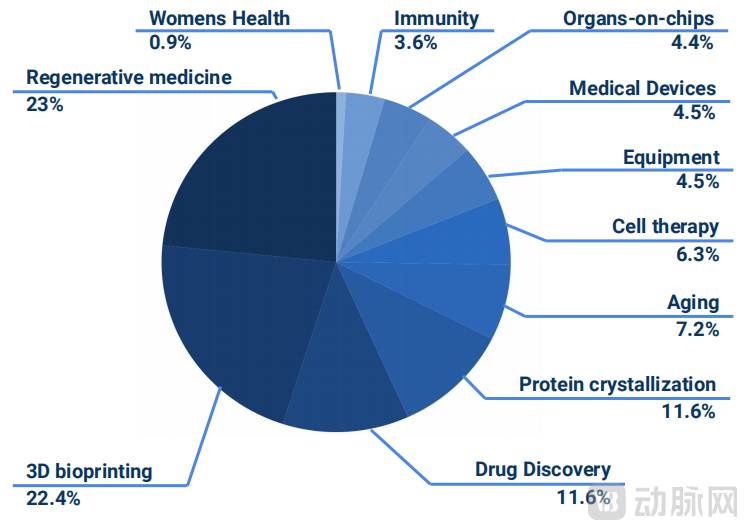
Number of Enterprises in Various Biomanufacturing Fields
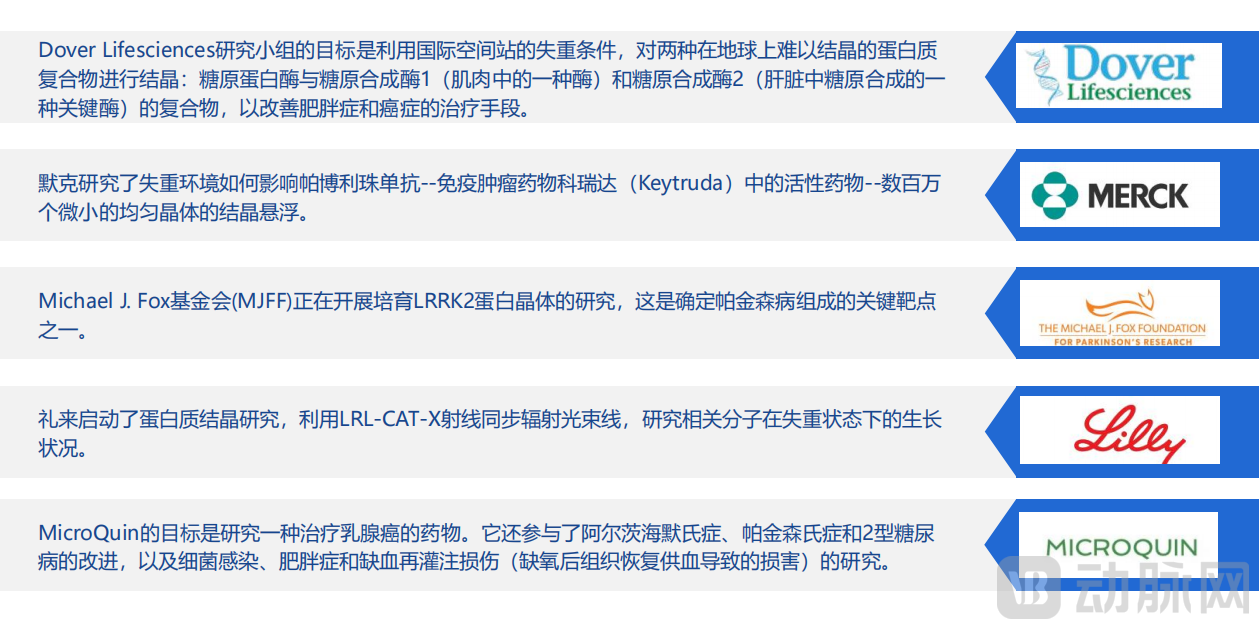
· Protein Crystallization for Drug Discovery
Protein crystals grown in microgravity environments are usually larger and more regularly arranged than those grown on Earth, which can provide better datasets for structure determination. Many research institutions and personnel, including companies, have begun to utilize the unique crystallization environment of the International Space Station National Laboratory to advance their research and development.
· Tissues and Organs on a Chip
Tissues and Organs on a Chip refer to tissue analogs with a certain spatial structure formed by in vitro three-dimensional (3D) culture using adult stem cells or pluripotent stem cells.
The National Center for Advancing Translational Sciences (NCATS) of the U.S. National Institutes of Health (NIH), the Center for the Advancement of Science in Space (CASIS), is collaborating with NASA to conduct a series of studies testing organ-on-a-chip in the microgravity environment of the International Space Station. The "Tissue Chips in Space Initiative" aims to better understand the effects of microgravity on human health and disease, translating these findings into effective ways to improve human health.
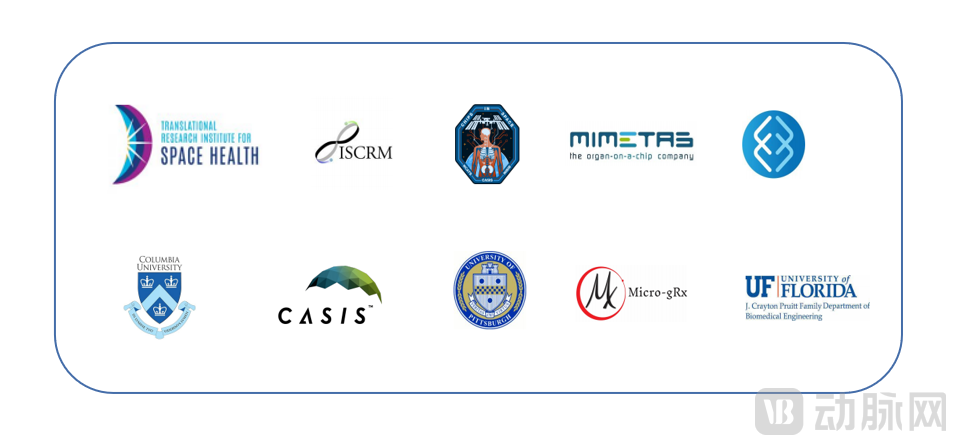
Major Global R&D Institutions for Tissue/Organ Chips
The prospect of organ engineering is broad, and it is very likely to become a commercial reality within the next decade. However, organ engineering currently faces some systematic commercialization challenges, among which creating full-organ engineering with homogeneous cell density and sufficient cell populations represents a technical gap.
To break through this barrier, it is necessary to advance stem cell research and improve cell invasion and adhesion in organ construction. Although current methods can incorporate multiple cell types into engineered organ constructs, they can only replicate certain single functions of organs, rather than all functions. Besides, Regulatory policies also pose a major challenge for the translation of organ engineering into organ transplantation.
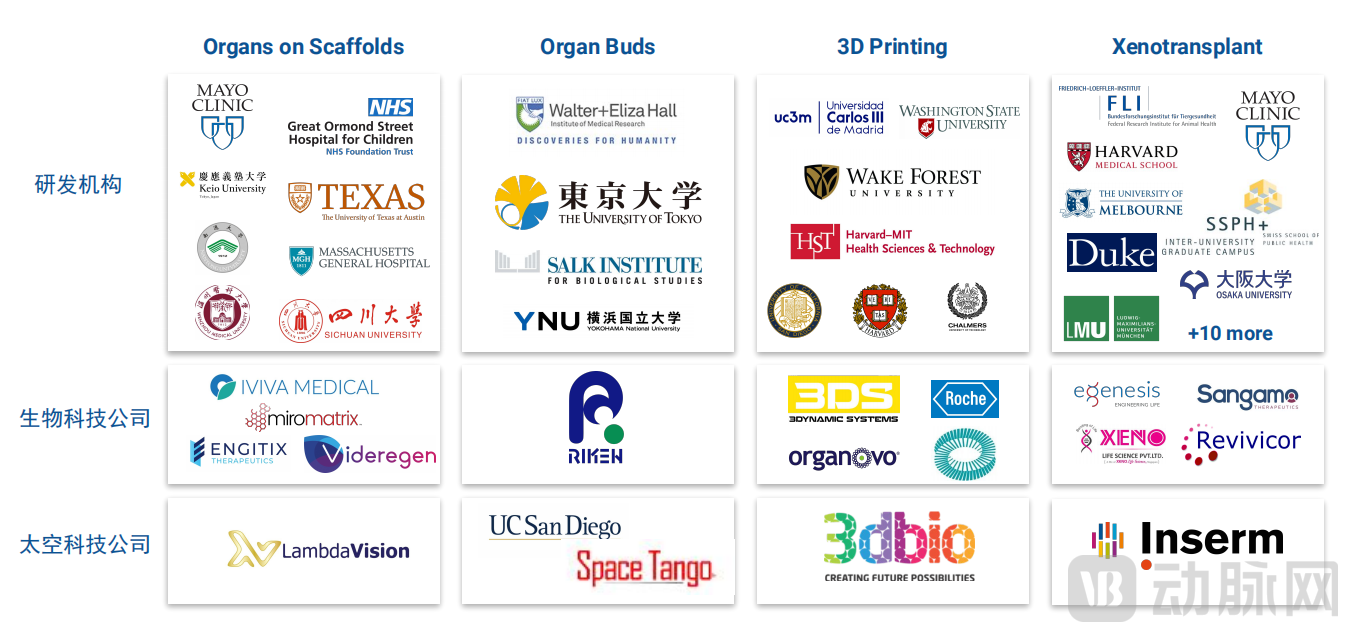
Main Participants in Organ Engineering Research
· Neurodegenerative Research
Currently, the ISS International Space Station is conducting research on neurodegenerative diseases such as Parkinson's disease and multiple sclerosis, focusing on the interaction between nerve and immune brain cells to identify the causes of these diseases. Research topics include the impact of microgravity on three-dimensional models of microglial cells in Parkinson's disease and multiple sclerosis, the growth and activity of microglial cells in three-dimensional cultures, and gene expression changes caused by microgravity.
Research has found that Parkinson's disease is associated with a mutation in the LRRK2 gene. MJFF has collaborated with the ISS National Laboratory on protein crystal studies to determine the structure of LRRK2. Additionally, iPSCs (induced pluripotent stem cells) from patients with Parkinson's disease and multiple sclerosis have been used to evaluate intercellular interactions.
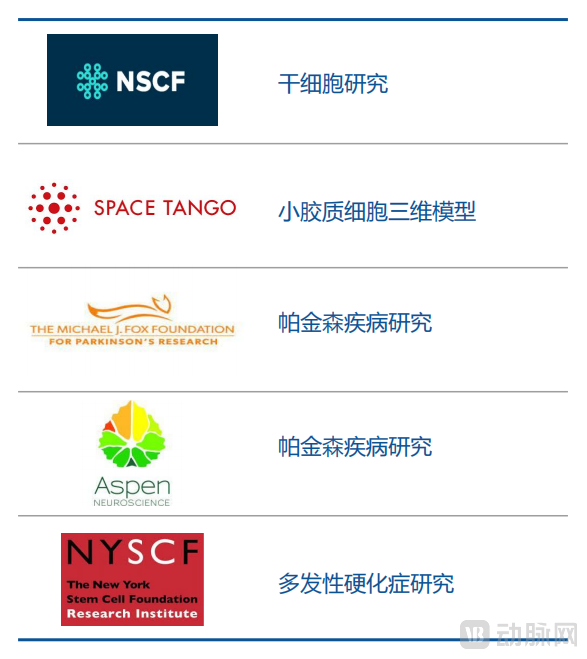
Neurodegenerative Disease Research Programs Conducted by Various Institutions
Currently, the United States remains the leading country in commercial space research, and the largest-scale institution conducting space medicine research is still CASIS-NASA. In the future, the ISS (International Space Station) will launch more commercial cooperation projects, but the cost of commercial collaboration has been increasing significantly, rising more than tenfold since April 2021.
This provides companies in emerging industries with a huge potential market to replace commercial solutions for the International Space Station.
Currently, the companies most likely to provide private space operation services are Axiom Space, Sierra Nevada, and Thales Alenia.
There is no doubt that the cost of entering and operating in space will inevitably decrease significantly. Space medicine, deep space exploration, and major advancements in space operations will become future trends. In the next decade and beyond, space medicine for deep space exploration and even space settlement activities will rapidly advance.
"The commercial aerospace industry is a very important choice for China. As science and technology advance rapidly, and new technologies such as information technology, artificial intelligence, network technology, and cloud technology develop swiftly, the integration of technology with aerospace requires the driving force of the market. It is essential to cultivate and explore the domestic market in China, especially the international market."Tian Yulong, Chief Engineer of the State Administration for Science, Technology and Industry for National Defense, said at the International Forum on the Commercial Aerospace Industry.
Currently, in the field of biopharmaceuticals, Cang Huaixing, a researcher at the Technology and Engineering Center for Space Utilization of the Chinese Academy of Sciences, has publicly pointed out, "Our country's scientific researchers conducted breeding experiments with pharmaceutical microorganisms aboard Shenzhou VII, and carried out protein crystallization experiments on Shenzhou III and Shenzhou VIII. Some biopharmaceutical companies have also made breakthroughs in treatment exploration and drug research and development, particularly in treating osteoporosis and breast cancer. The future achievements and socio-economic benefits of space biopharmaceuticals are highly anticipated."
At the same time, many companies in China have set their sights on the space biopharmaceuticals industry and are continuously contributing to its development. For example, at the end of 2021, RocketPi (Taicang) Aerospace Technology Co., Ltd. announced the completion of an angel+ round of financing worth tens of millions of yuan, with plans to move biomedicine into space.
Space medicine is undoubtedly a high-growth-potential and dynamic industry, and will inevitably become the next "must-contend-for territory" of hard technology.
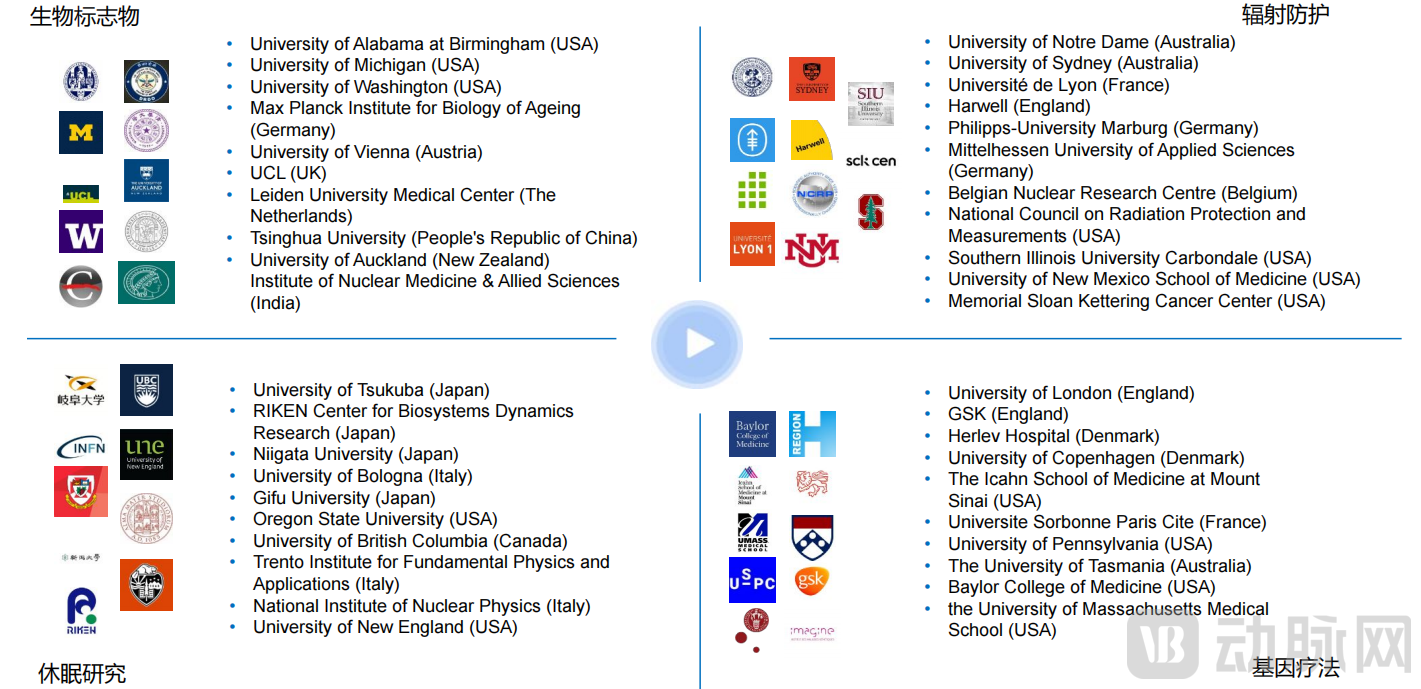
Attached Figure: Universities and organizations conducting research in the fields of biomarkers, radiation protection, hibernation studies, and gene therapy.
References:
1. 《Space Medicine and Human Longevity in Space》,SpaceTech Anylatics
2. "Space-Based Healthcare Unlocks Trillions in Space Economy! How Will This Journey to the Stars and Seas Play Out?", 21st Century Business Herald
3. "One Research Report to Understand: The Organoid Industry", by Zhongjun Yatai