

Bayer's Mirena IUS Receives European Approval for Extended Contraceptive Use Up to 8 Years

Bayer
Pharmaceutical Product R&D Developer
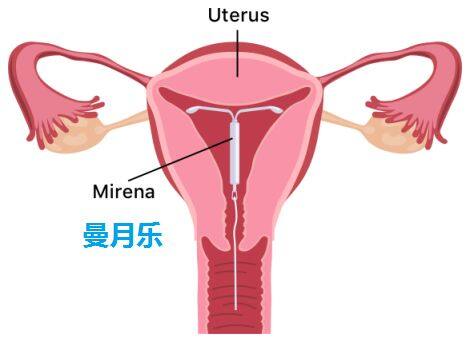
News / BIOON / -- Bayer, a leader in women's health care, recently announced,Long-Acting Reversible Intrauterine Contraceptive System (IUS) Mirena (Chinese brand name: Man Yue Le, Levonorgestrel Intrauterine System, LNG-IUS) 52mgRegulatory approval has been obtained through the European Worksharing Procedure: extending its service life by one year, making itCan be used for the prevention of pregnancy (contraception) with extended continuous use up to 8 years.
MIrena (Levonorgestrel Intrauterine System) 52mg is a market-leading intrauterine device (IUD).. In August 2022, Bayer received fromFDA Approval: Extension of Mirena's Contraceptive Indication to 8 Years。Mirena is placed in the uterus by healthcare professionals and achieves contraceptive purposes through the continuous release of a low dose of the progestin levonorgestrel (LNG).
This European regulatory approval was based on the results of a Phase 3 extension study (Mirena Extension, NCT02985541) evaluating the efficacy and safety of Mirena. The data confirmed:During the 6-8 years of use, the contraceptive effect remains above 99%.As the European work-sharing procedure is completed, Bayer expects to gain approval from the first group of EU countries in the fourth quarter of 2022.
This European approval also includes extending the use of Mirena for the treatment of idiopathic heavy menstrual bleeding (HMB) for up to 8 years or until symptoms resolve. The IUS should be removed or replaced no later than 8 years.
"Bayer's Chief Medical Officer, Dr. Michael Devoy, said: 'With the smooth progress of the European approval process, we are delighted to soon offer an extended label to women in Europe. This will enrich the range of contraceptive methods available, as personal contraceptive needs change throughout the reproductive years.'"
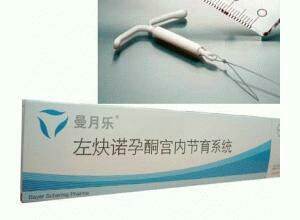
Levonorgestrel Intrauterine Contraceptive System (LNG-IUS) is one of the most effective contraceptive methods because it does not require compliance from the female user (such as daily administration or monthly refills). LNG-IUS is a type of Long-Acting Reversible Contraception (LARC) that is placed inside the woman’s uterus by a healthcare provider and can be removed at any time if the woman’s plans change, allowing for a rapid return to natural fertility. It is important to note that LNG-IUS should only be used after a thorough discussion and evaluation of all contraceptive options and the individual needs of the woman.
Mirena is a small and soft T-shaped frame that slowly releases the hormone levonorgestrel (LNG) in the uterus.Since its launch in 1990, Mirena has been marketed in over 120 countries worldwide. Mirena was approved in China in 1998 for contraception and idiopathic menorrhagia, and more than 100 million women globally have used it. In June 2020, the National Medical Products Administration approved an update to the indications for Mirena (Mirena): "Menorrhagia. For patients with structural menorrhagia, priority should be given to treating the primary disease." Mirena (Mirena) provides an effective non-surgical option for the treatment of menorrhagia.
Regarding Contraceptive Efficacy and the Mirena Extension Trial:In five large clinical trials involving 3,330 women, the contraceptive effectiveness of Mirena was studied over a period of up to five years.The Pearl Index for Mirena is approximately 0.2 in the first year and over 5 years, with a cumulative contraceptive failure rate of about 0.7%.In the Mirena extended trial, the contraceptive efficacy of Mirena was studied for up to 5 years (including 6-8 years). Based on two pregnancies (one in the 6th year and one in the 7th year) and 10,216 exposure cycles,At the end of the 3-year extended use period (Years 6-7-8), the 3-year (Years 6-7-8) Pearl Index was 0.28 (95% CI: 0.03-1.00), and the 3-year cumulative contraceptive failure rate was 0.68% (95% CI: 0.17-2.71).. The study confirmed the positive benefit-risk profile of Mirena, with no new or unexpected safety findings. The 8-year data from the extended trial were published in 2022 in the *American Journal of Obstetrics and Gynecology* (for details, see:Contraceptive efficacy and safety of the 52-mg levonorgestrel intrauterine system for up to 8 years: findings from the Mirena Extension Trial)
Pearl Index: It is an internationally recognized indicator used to measure the reliability of a contraceptive method, showing the annual failure rate of the method. If 100 adult women use a certain method of contraception and one woman becomes pregnant within a year, the Pearl Index of this method is 1. The higher the Pearl Index, the higher the failure rate of contraception. Conversely,The lower the Pearl Index, the more reliable the contraceptive method.. (Bioon.com)
Source: Mirena® approved in Europe for extended duration of use in contraception