

Pfizer Announces Positive Phase 3 Results for Talzenna (talazoparib) Plus Xtandi (enzalutamide) in Metastatic Castration-Resistant Prostate Cancer

Pfizer
Pharmaceutical R&D Developer

Image Source: Shutterstock
News / BIOON / -- Pfizer recently announced oralPARP Inhibitor Talzenna (talazoparib) Combined with Androgen Receptor Inhibitor Xtandi (enzalutamide) for the Treatment of Metastatic Castration-Resistant Prostate Cancer (mCRPC)Positive Top-Line Results from Phase 3 TALAPRO-2 Study (NCT03395197). The studyPatients with mCRPC enrolled in the study carried or did not carry homologous recombination repair (HRR) gene mutations.. This is a two-part, two-cohort, multicenter, randomized, double-blind, placebo-controlled study that enrolled 1095 patients with mCRPC (no systemic treatment started after mCRPC was documented) in the United States, Canada, Europe, South America, and the Asia-Pacific region. The study includes two patient cohorts: all patients (n=750) and patients with HRR mutations (HRRm; n=380). Patients in the trial who were receiving androgen deprivation therapy (ADT) or had undergone bilateral orchiectomy were randomly assigned to receive either Talzenna 0.5mg/day + Xtandi 160mg/day or placebo + Xtandi 160mg/day.
The primary endpoint of the trial is radiographic progression-free survival (rPFS), defined as: in Cohort 1 (all patients) and Cohort 2 (HRRm patients), the time from the date of randomization to the first objective evidence of radiographic progression by blinded independent review or death of the patient, whichever occurs first. The trial in Cohort 2 is still ongoing. Secondary endpoints include overall survival (OS), objective response rate (ORR), duration of response (DOR), and PSA response.
The results showed,The study met its primary endpoint: rPFS wasStatisticsStatistically and clinically meaningful improvement. The results of the primary endpoint exceeded the pre-specified hazard ratio (HR) of 0.696.
During the analysis,The results showed a trend of improvement in overall survival (OS)., This is a key secondary endpoint, but the data are not yet mature. Benefits were also observed in other secondary endpoints, including investigator-assessed rPFS, prostate-specific antigen (PSA) response, time to PSA progression, and ORR. Analysis of the other secondary endpoints is ongoing. At the time of the topline analysis, the safety profile of the Talzenna+Xtandi combination was generally consistent with the known safety profiles of each drug.
It is worth mentioning that,Talzenna is the first PARP inhibitor proven to show clinical efficacy in combination with Xtandi for the treatment of mCRPC.. InThis regimen demonstrated robust and highly consistent efficacy in mCRPC patients both with and without homologous recombination repair (HRR) gene mutations.The detailed results of the TALAPRO-2 study will be announced at upcoming medical conferences. These data will also be shared with global regulatory authorities to potentially support regulatory submissions.
Chris Boshoff, Chief Development Officer of Oncology and Rare Disease at Pfizer Global Product Development, stated: "Xtandi is a global standard-of-care therapy that has demonstrated overall survival benefits in mCRPC, non-metastatic CRPC, and metastatic castration-sensitive prostate cancer (mCSPC). We are very pleased with the robust findings from the TALAPRO-2 study, although no definitive conclusions can be drawn across trials.rPFS appears to be the longest time observed in randomized trials under these circumstances.. These data highlight that,If approved, the combination of Talzenna and Xtandi will become the new standard of care for mCRPC, regardless of HRR gene mutation status."We look forward to discussing these data with regulatory authorities around the world."
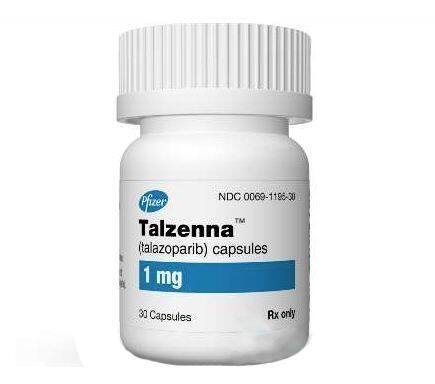
The combination regimen of Talzenna or Talzenna + Xtandi has not been approved by any regulatory agency for the treatment of mCRPC. In addition to the TALAPRO-2 trial, the TALAPRO-3 trial (NCT04821622) is evaluating the combination of Talzenna and Xtandi in a global, randomized, double-blind, placebo-controlled Phase 3 study enrolling male patients with HRR-deficient mCSPC.
Metastatic Castration-Resistant Prostate Cancer (mCRPC) is a type of cancer that has spread beyond the prostate, with disease progression despite reduction of testosterone levels through medication or surgery. Approximately 10%-20% of prostate cancer patients develop mCRPC within 5-7 years after diagnosis. In 2020, among the 3 million prostate cancer patients in the United States, about 60,000 to 90,000 cases were mCRPC.
Talzenna is an oral poly ADP-ribose polymerase (PARP) inhibitor, and PARP enzymes play a role in the DNA damage repair response.Preclinical studies have shown that Talzenna has a dual mechanism of action, capable of blocking PARP enzyme activity and trapping PARP at sites of DNA damage, leading to reduced cancer cell growth and induction of cancer cell death. Currently, Talzenna is being evaluated in several clinical trials for prostate cancer, as well as in combination with other targeted therapies for the treatment of various solid tumors. In 2018, Talzenna received approval from the U.S. FDA for the treatment of adult patients with deleterious or suspected deleterious germline breast cancer susceptibility gene (BRCA) mutations (gBRCAm), human epidermal growth factor receptor 2 (HER2)-negative locally advanced or metastatic breast cancer.

Xtandi (Enzalutamide), jointly developed and marketed by Astellas and Pfizer, is an androgen receptor signaling inhibitor., taken orally once daily, directly targets the androgen receptor (AR) and acts at three steps in the AR signaling pathway: (1) Inhibiting androgen binding – androgen binding induces conformational changes that can trigger receptor activation; (2) Preventing nuclear translocation – AR translocation to the nucleus is an essential step in AR-mediated gene regulation; (3) Impairing DNA binding – the binding of AR to DNA is crucial for the regulation of gene expression.
Xtandi was launched in 2012 and is a blockbuster product in the field of prostate cancer treatment. The drug has been approved for multiple treatment indications, which vary by country, including:Metastatic Castration-Resistant Prostate Cancer (mCRPC), Non-Metastatic Castration-Resistant Prostate Cancer (nmCRPC), Metastatic Castration-Sensitive Prostate Cancer (mCSPC). Particularly worth mentioning is,Xtandi is the first product approved for the treatment of three distinct types of advanced prostate cancer (nmCRPC, mCRPC, mCSPC).(Bioon.com)
Source: Pfizer Announces Positive Topline Results from Phase 3 TALAPRO-2 Trial