

Prevymis (Letermovir) Demonstrates Non-Inferior Efficacy and Superior Safety in Phase 3 Trial for CMV Prevention in High-Risk Kidney Transplant Recipients

MSD
Pharmaceutical R&D and Manufacturer
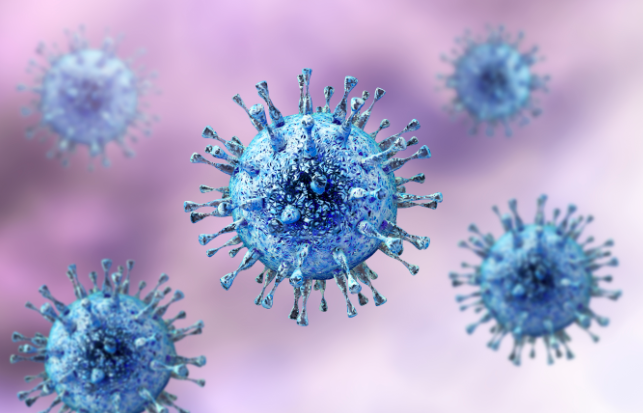
Image Source: SheTu Network
October 22, 2022 /BioValleyBIOON/ -- MSD (Merck & Co., Inc.) recently announced at the 2022 Annual Meeting of the American Infectious Diseases Week (IDWEEK 2022)Anti-Cytomegalovirus (CMV) Drug Prevymis (Letermovir)Results from a Phase 3 clinical trial. The trial was conducted in 601 adult kidney transplant recipients (D+/R-) at high risk of developing CMV disease.Compared Prevymis with the standard care therapy valganciclovir for the prevention of CMVThe efficacy and safety. In the study, patients were randomized in a 1:1 ratio to receive either 400mg of Prevymis once daily (n=301) or 900mg of valganciclovir once daily (n=300) from within 7 days post-renal transplantation up to 28 weeks post-transplantation (approximately 200 days), followed by a 52-week follow-up. The primary endpoint was the proportion of patients with CMV disease confirmed by an independent committee at week 52 post-renal transplantation.
The results showed,At 52 weeks post-kidney transplant, the trial met its primary endpoint: Prevymis was effective in preventing CMV disease, with non-inferior efficacy compared to valganciclovir.The specific data is as follows:In the Prevymis treatment group, 10.4% (n=30) of patients developed CMV disease, compared to 11.8% (n=35) in the valganciclovir treatment group (stratification-adjusted difference = -1.4, [95% CI, -6.5, 3.8]). The efficacy was comparable across all subgroups (age, gender, race, geography).For the secondary endpoint of CMV disease assessed at 28 weeks post-transplant, 0% (n=0) in the Prevymis treatment group and 1.7% (n=5) in the valganciclovir treatment group developed CMV disease (stratification-adjusted difference = -1.7 [95% CI: -3.4, 0.1]).
Pre-specified safety analysis showed,Prevymis Has a More Favorable Safety Profile Compared to ValganciclovirDrug-related adverse events and discontinuations due to adverse events were both infrequent.The proportion of patients experiencing myelotoxicity (measured by leukopenia or neutropenia) was significantly 38% lower in the Prevymis group compared to the valganciclovir group, and the data isStatisticsStatistical significance (26.0% [n=76] vs 64.0% [n=190]; 95% CI: -45.1, -30.3; p-value <0.0001)From treatment to 28 weeks post-transplant, the incidence of neutropenia (absolute neutrophil count <1000 cells/μL) was 4.1% (n=12) in the Prevymis group and 19.5% (n=58) in the valganciclovir group (95% CI: -20.7, -10.5). During the 28-week treatment period, discontinuation due to leukopenia occurred in 1.0% (n=3) of the Prevymis group and 5.4% (n=16) of the valganciclovir group; discontinuation due to neutropenia occurred in 1.4% (n=4) of the Prevymis group and 1.7% (n=5) of the valganciclovir group.
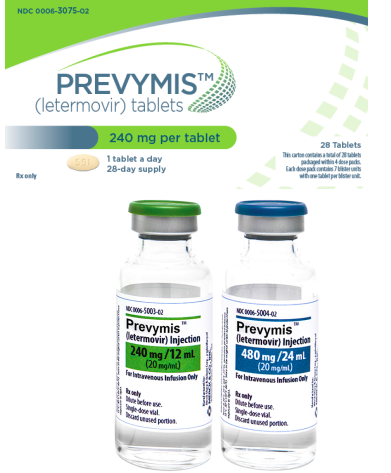
Based on the above clinical trial data, MSD plans to submit to the U.S. Food and Drug Administration before the end of this year.ManagementBureau (FDA) Submit a supplemental New Drug Application (sNDA) for Prevymis.
Dr. Ajit P. Limaye, Director of the Solid Organ Transplant Infectious Disease Program at the University of Washington School of Medicine, stated: "CMV disease is an important cause of morbidity and mortality in renal transplant recipients. In this context, valganciclovir is the most commonly used drug for CMV prophylaxis, but bone marrow toxicity (particularly neutropenia and leukopenia) is a significant limiting factor of this medication.For patients who are already receiving complex treatment regimens involving other drugs that also have bone marrow suppressive effects, bone marrow toxicity can be difficult to manage. I am pleased to see that these trial results indicate Prevymis has a similar effect in preventing CMV disease in kidney transplant patients as the current standard-of-care treatment (valganciclovir), but with significantly less toxicity.
Dr. Nicholas Kartsonis, Senior Vice President of Vaccine and Infectious Diseases at Merck & Co., Inc.'s Global Clinical Development Department, stated: "There is a need for more CMV prevention options for kidney transplant patients to help reduce the risk of opportunistic infections. These new findings in adult kidney transplant patients are encouraging and demonstrate the potential of Prevymis in preventing CMV disease, showing lower rates of neutropenia and leukopenia compared to the control."
Recently, MSD also completed another Phase 3 randomized, double-blind, placebo-controlled trial (NCT03930615). This trial was conducted in CMV seropositive allo-HSCT adult transplant recipients (R+) at high risk of developing clinically significant CMV infection (CS-CMVi) and aimed toAfter evaluating HSCT, the prophylactic treatment duration of Prevymis was extended from 100 days to 200 days., compared with placebo, can it bring additional benefits in preventing CMV infection.The trial met its primary endpoint.: The proportion of patients who develop CS-CMVi between the 14th week (approximately 100 days) and the 28th week (approximately 200 days) after HSCT. The specific data from this trial will be announced at a scientific conference to be held in the future.
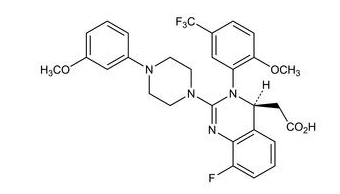
Letermovir Chemical Structure (Source: wikidoc.org)
CMV is a very common virus that is widespread among humans. It is estimated that approximately 50-80% of adults have CMV infections. The virus can exist in the human body in an inactive or latent state.ImmunityThe system can be reactivated after being damaged. Because of this, CMV may lead to severe, life-threatening infections in cases of immunodeficiency or immune compromise (such as transplant recipients). The hallmarks of CMV infection include fever, leukopenia (very low white blood cell count), and thrombocytopenia (very low platelet count), with or without organ dysfunction. In high-risk transplant recipients, two main strategies are currently employed for the prevention of CMV infection: (1) prophylactic treatment with anti-CMV drugs, and (2) pre-emptive therapy (also known as抢先治疗), which involves initiating treatment in patients highly suspected of having CMV infection but not yet confirmed.
Prevymis is a first-in-class antiviral drug, belonging to a new class of non-nucleoside CMV inhibitors (3,4-dihydroquinazolines), which inhibits viral replication by targeting the viral terminase complex.
Prevymis was approved by the U.S. FDA in November 2017 for allogeneic hematopoiesis in cytomegalovirus (CMV) seropositive patients.Stem CellsTransplant (allo-HSCT) adult transplant recipients (R+), for the prevention of CMV infection and disease. Notably, Prevymis was the first new drug in the U.S. market for the prevention of CMV infection in the past 15 years at that time.
In allo-HSCT recipients, CMV is a common and potentially severe viral infection. HSCT patients who are CMV seropositive are at high risk of CMV reactivation. Any level of CMV infection is associated with increased mortality in HSCT patients. The availability of Prevymis provides an important treatment option for this high-risk group. (Bioon.com)
Source of Original Text:Merck’s PREVYMIS™ Demonstrates Efficacy in Phase 3 Study for Prevention of Cytomegalovirus Disease in Adults After Kidney Transplantation