

Eisai Announces High Efficacy of Lenvima (Lenvatinib) in Real-World Data Study for Radioiodine-Refractory Differentiated Thyroid Cancer
Eisai
Pharmaceutical Product R&D and Manufacturer
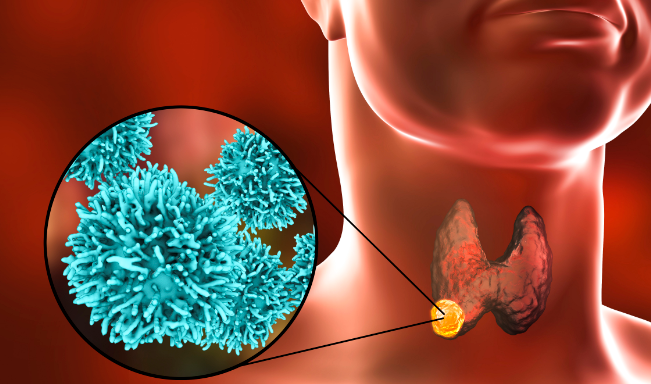
Image Source: Shutterstock
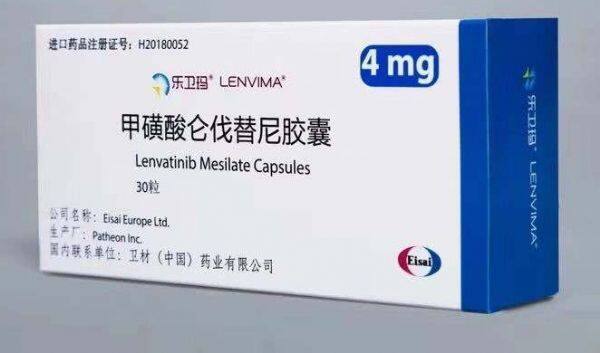
October 22, 2022 /BioValleyBIOON/ -- Eisai recently announced at the 91st Annual Meeting of the American Thyroid Association (ATA) in 2022Real-World Data (RWD) StudyThe final result. The study evaluatedLenvima (Chinese brand name: 乐卫玛, generic name: lenvatinib), an orally administered multi-receptor tyrosine kinase inhibitor, as a monotherapy for the first-line treatment of radioactive iodine (RAI)-refractory differentiated thyroid cancer (DTC).Clinical efficacy of patients.
In February 2015, the U.S. Food and DrugManagementBureau (FDA) Approval of Lenvima: For the treatment of locally recurrent or metastatic, progressive RAI-refractory DTC patients.
The RWD study presented at the meeting included 308 patients who received Lenvima monotherapy for RAI-refractory DTC in the first-line treatment. The median age of the patients at the start of treatment was 60 years, and 44.8% of the patients wereDiagnosisFor Stage III or IV disease, 89.6% of patients developed metastases. By the end of follow-up, 32.1% of patients had discontinued Lenvima treatment, while 67.9% remained on treatment. The median duration of Lenvima treatment was 17.5 months overall, 9.0 months for those who discontinued, and 20.2 months for those still on treatment. Kaplan-Meier analysis showed that the median time to discontinuation was 49.0 months (95% CI: 38.5-54.2). Among the 99 patients who discontinued, the most common reasons were disease progression (36.4%) and death (32.3%).
The final analysis of the RWD study shows,In patients treated with Lenvima, the best overall response rate (BOR) was 72.4%, with a complete response rate (CR) of 26.9% and a partial response rate (PR) of 45.5%. The median progression-free survival (PFS) was 49.0 months (95% CI: 37.0-54.2), with an estimated PFS rate of 68.2% at 24 months and 54.2% at 48 months. The median overall survival (OS) was not reached at the time of data cutoff. The estimated OS rate was 78.4% at 24 months and 57.0% at 72 months.
Eisai Chief Science Officer and Senior Vice President Dr. Takashi Owa said: "Evidence Supporting the Clinical Efficacy of Lenvima in Real-World Clinical Practice from RWD Studies, which is encouraging for oncologists and patients with RAI-refractory DTC, a challenging disease where cancer persists or recurs despite RAI treatment. Locoregional recurrence or metastasis, progressive, radioactive iodine-refractory differentiated thyroid cancer was the first approved indication for Lenvima. We remain committed to meeting the needs of these patients and improving their lives, which is part of our Human Health Care (HHC) mission."
Thyroid cancer is the most common endocrine malignancy, with global data indicating an increasing incidence trend. It is estimated that in 2022, there will be 43,800 new cases of thyroid cancer in the United States, and the probability of women developing thyroid cancer is three times that of men. The most common types of thyroid cancer, papillary and follicular (including Hürthle cell), are classified as DTC, accounting for approximately 90% of all cases. Although most DTC patients can be cured through surgery and radioactive iodine (RAI) therapy, those with persistent or recurrent cancer have a poorer prognosis.
Lenvima is a kinase inhibitor discovered and developed by Eisai. This drug is an orally administered multi-receptor tyrosine kinase (RTK) inhibitor capable of inhibitingBlood VesselKinase activity of endothelial growth factor receptors VEGFR1 (FLT1), VEGFR2 (KDR), and VEGFR3 (FLT4). In addition to inhibiting normal cell functions, Lenvima also inhibits other kinases associated with pathological angiogenesis, tumor growth, and cancer progression, including fibroblast growth factor (FGF) receptors FGFR1-4, platelet-derived growth factor receptor α (PDGFRα), KIT, and RET. Lenvima can reduce tumor-associated macrophages and increase activated cytotoxic T cells.
To date, the approved indications for Lenvima include:Thyroid cancer, hepatocellular carcinoma (HCC), combination with everolimus for renal cell carcinoma (second-line treatment), combination with Keytruda (pembrolizumab, PD-1 tumor)ImmunityTherapy) for the treatment of advanced endometrial cancerIn Europe, lenvatinib is marketed under the brand name Kisplyx for the treatment of renal cell carcinoma.
In China, Lenvima (generic name: lenvatinib) was approved in September 2018 as a monotherapy for the first-line treatment of patients with unresectable hepatocellular carcinoma (HCC) who have not previously received systemic therapy.. China has the largest number of liver cancer patients in the world. In November 2018, Lenvima was launched in China, markingThe First New Systemic Therapy for Unresectable Hepatocellular Carcinoma (HCC) in China in Nearly 10 YearsIn December 2019, LenvimaTreatment of Differentiated Thyroid Cancer (DTC)The new indication has been approved, which is the second indication for this drug to be approved in China. (Bioon.com)
Source of Original Text:Eisai Announces Real-World Evidence on the Clinical Effectiveness of LENVIMA? (lenvatinib) Monotherapy for the Treatment of Patients with Radioiodine-Refractory Differentiated Thyroid Cancer