

Fasenra Shows Significant Histological Improvement but Fails to Alleviate Dysphagia in Phase III EoE Trial

AstraZeneca
Biopharmaceutical Manufacturer
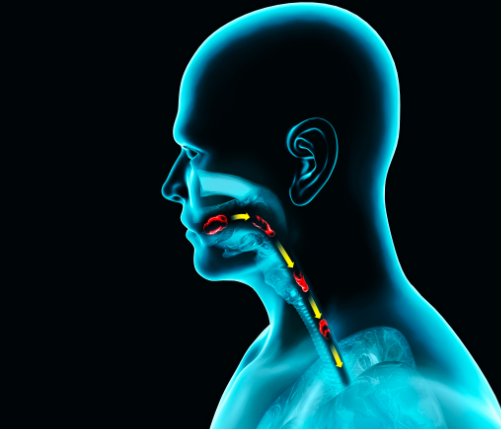
Image Source: Shutterstock
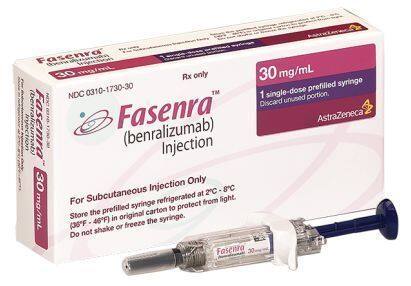
News on October 27, 2022 / BIOON / -- AstraZeneca recently announcedNew Anti-inflammatory Drug IL-5 Inhibitor Fasenra (Benralizumab) for the Treatment of Eosinophilic Esophagitis (EoE)High-Level Results of the Phase 3 MESSINA Trial. This is a randomized, placebo-controlled, double-blind, parallel-group, multicenter, global Phase 3 trial designed to evaluate the efficacy and safety of Fasenra compared to placebo in patients aged 12-65 with symptomatic and histologically active EoE.
The trial enrolled a total of 210 patients, who received Fasenra or placebo treatment once every four weeks.The dual primary endpoints of the trial are: histological disease remission rate at Week 24 of treatment, and change in dysphagia burden relative to baseline.Histological disease remission is defined as: peak eosinophil count in the esophagus ≤6 eosinophils per high-power field; the burden of dysphagia is measured by the average change in patient-reported Dysphagia Symptom Questionnaire (DSQ) scores relative to baseline.
Data shows,The trial did not meet one of the co-primary endpoints: histologic disease remission with Fasenra treatment compared to placebo in patients with EoE aged 12 years and older.StatisticsSignificant improvement in academic significance, but no obvious improvement in dysphagia symptoms.The safety and tolerability of Fasenra in the trial were consistent with the known drug profile.
The results of the MESSINA trial will be announced at an upcoming medical conference. Mene Pangalos, Executive Vice President of BioPharmaceuticals R&D at AstraZeneca, stated, "The results of the MESSINA Phase 3 eosinophilic esophagitis trial confirm,Fasenra Achieved Near-Complete Reduction of Tissue Eosinophils, which is consistent with its mechanism of action, but this did not translate into an improvement in dysphagia symptoms.We will continue to analyze the full dataset and share it with the scientific community."
Eosinophilic Esophagitis (EoE) is a rare, progressive, chronic inflammatory esophageal disease,Characterized by eosinophils (a type of white blood cell, which isImmunityA normal component of the system) accumulates in the esophageal mucosal tissue, causing damage and inflammation.This disease can lead to esophageal damage, fibrosis, and dysfunction. If not effectively treated, it may cause difficulty or discomfort in eating, potentially leading to chronic pain, dysphagia, poor growth, malnutrition, and weight loss.
The most common symptoms of EoE include reflux unresponsive to medication, dysphagia, food impaction in the esophagus, nausea and vomiting, abdominal or chest pain, loss of appetite, difficulty sleeping, and anxiety. For treatment, patients often use corticosteroids to control inflammation.
In May 2022, Sanofi's anti-inflammatory drug Dupixent (Chinese trade name: 达必妥, generic name: dupilumab) received approval from the U.S. FDA for the treatment of eosinophilic esophagitis (EoE) in adult and pediatric patients (≥12 years old, weighing ≥40 kg). Notably,Dupixent is the first drug in the United States specifically used to treat EoE.
The active pharmaceutical ingredient in Fasenra is benralizumab, a monoclonal antibody that directly binds to the alpha subunit (IL-5Rα) of the interleukin-5 receptor on eosinophils and uniquely attracts natural killer cells (NK cells), inducing rapid and nearly complete depletion of eosinophils through apoptosis (programmed cell death).
Fasenra has been proven effective for severe eosinophilic asthma. To date, in the United States, the European Union, Japan, and other countries, Fasenra has been approved as an add-on maintenance therapy for the treatment of patients with severe eosinophilic asthma. In the United States, the European Union, and other countries, the self-administration option and Fasenra pen have also been approved. (Bioon.com)
Source: Update on the MESSINA Phase III trial for Fasenra in eosinophilic esophagitis