

China Innovation Talk | After a half-century against cancer: Prof. Ma Jun on guiding AI into oncology’s future
"I'm a bit ahead of the curve. Though I'm older, my thinking stays ahead of its time," Professor Ma Jun reflects. It is this commitment to continuous learning and embracing innovation that keeps the 72-year-old at the forefront of medical AI.
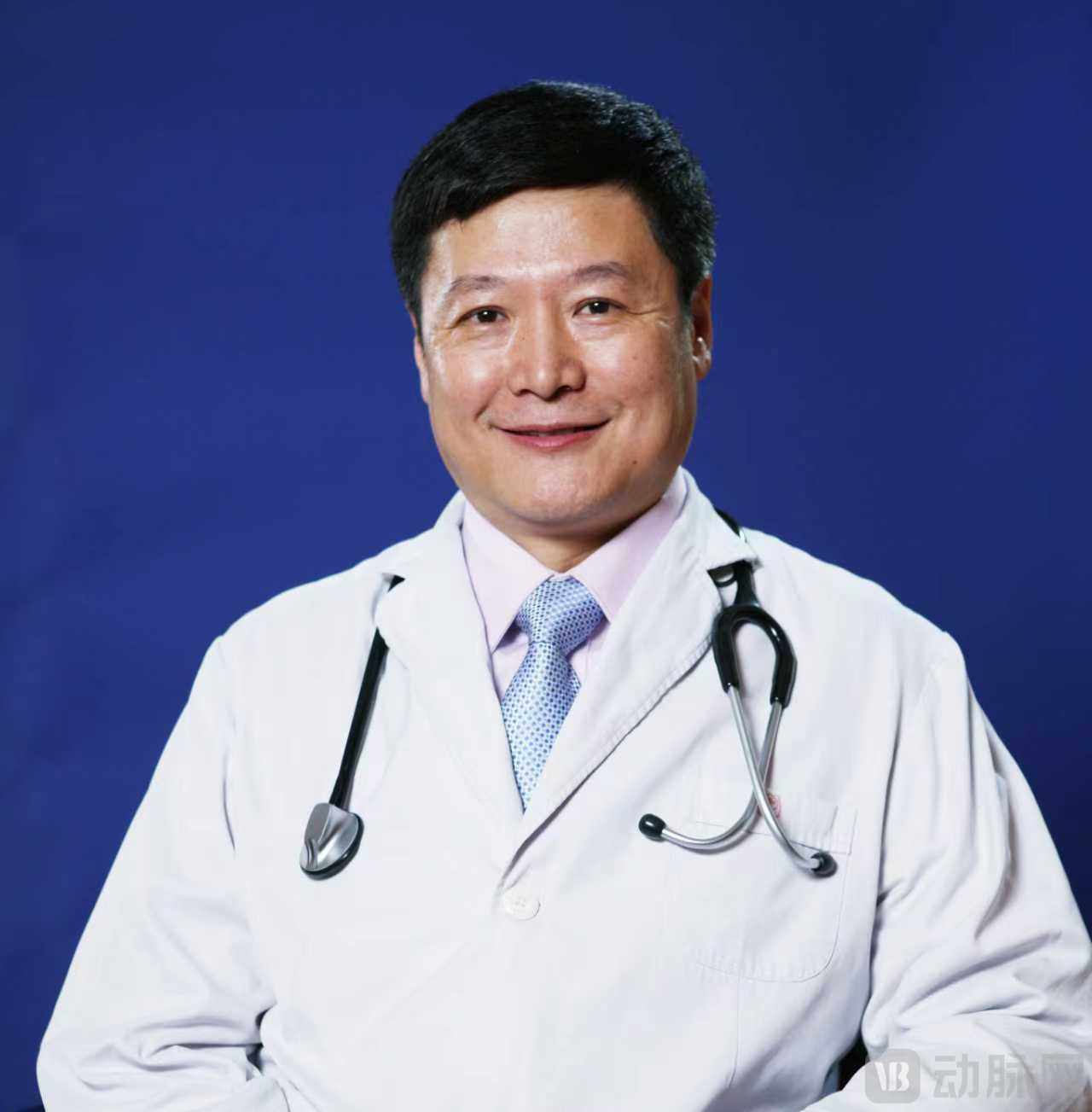
Ma Jun, Director of the Harbin Institute of Hematology and Oncology
At a pivotal moment in the development of medical AI in China, a clinical expert with 55 years of dedication in battling hematologic tumors is leveraging his profound expertise to advance the establishment of standards for an AI physician in lymphoma. Professor Ma Jun, a senior specialist who has witnessed nearly six decades of evolution of cancer therapy in China, has consistently remained at the forefront of medical innovation—from facilitating the launch of China's first chemotherapeutic agent, cyclophosphamide, to leading the introduction of the first advanced therapeutic drug for lymphoma. Perhaps a future addition to his legacy will be: pioneer in AI physician innovation.
As the clinical lead for establishing standards for the lymphoma AI physician, Professor Ma Jun has a clear roadmap for the development of AI in medicine. He emphasizes that standard-setting must be grounded in clinical needs, ensuring not only the technological advancement but, more critically, its usability and safety in real-world clinical settings. He has defined three core objectives for the standard system: clarifying the functional boundaries of AI, establishing technical specifications, and building an auditing mechanism. This framework ensures that the technology becomes a reliable assistant to physicians without ever crossing the red line of medical safety.
Professor Ma Jun, Director of the Harbin Institute of Hematology and Oncology and a founding member of the Chinese Society of Clinical Oncology (CSCO), brings 55 years of clinical experience. As a bridge between China's first and second generations of hematologists, he has personally witnessed the entire journey of lymphoma treatment in the country—from having no effective drugs to having them, and from having them to refining them. These invaluable experiences have endowed him with a unique sensitivity to the innovation and application of medical technology.
In an interview with VCBeat, Professor Ma Jun stated that hematologic and lymphatic system tumors have been among the earliest and fastest fields to drive medical innovation, with many breakthrough drugs and technologies originating from hematology research. With the rapid advancement of AI, intelligent tools have shown immense potential in evidence-based medicine, knowledge updating, and clinical decision support, offering prospects to alleviate practical challenges such as heavy workloads for physicians and difficulties in passing down experiential knowledge.
Professor Ma Jun pointed out that the current "Lymphoma AI Physician" is entering the clinical validation stage, carrying the goal of structuring and standardizing expert experience to benefit more patients. He looks forward to the industry jointly advancing technological refinement to bring higher-quality and more accessible medical services to patients with hematologic tumors.
"The essence of standards," Professor Ma Jun concluded, "is to define boundaries, ensuring technology develops without ever crossing the red line of medical safety."
Professor Ma Jun placed particular emphasis on AI's unequivocal "assistive role," a conviction rooted in his long-term clinical observation. As early as the 1970s when he began practicing medicine, he deeply appreciated the decisive impact of accurate diagnosis on patient prognosis. Therefore, he insists that AI systems must achieve near-perfect accuracy to intervene at the initial diagnosis stage.
"The diagnosis of treatment-naïve patients relies on a physician's observation of details and experience, which is difficult for AI to replace," Professor Ma Jun emphasized solemnly to VCBeat.
The technical specifications focus on stipulating key requirements such as human-computer interaction standards, confidence level assessment, and anomaly alert mechanisms. These specifications ensure AI systems can integrate effectively into clinical workflows, providing reliable technical support for healthcare professionals.
Professor Ma Jun illustrated with an example: in clinical practice, physicians need to clearly understand the confidence level of an AI's judgment and under what circumstances human intervention is required. This attention to technical detail reflects his professionalism as a clinical expert. Furthermore, the standards also cover requirements for interfacing AI systems with existing hospital information systems, ensuring new technologies can be smoothly incorporated into the current medical working environment. These detailed technical specifications provide clear guidance for the development of AI medical products.
Regarding the implementation of standards, Professor Ma Jun is particularly attentive to their adaptability in primary care settings.
Aligned with the views of many experts, Professor Ma Jun believes that the current lymphoma diagnosis and treatment process is complex, with information updating rapidly, while the demand for standardized management from primary care physicians and patients is increasingly urgent. There is a need for an intelligent tool that can reduce information gaps, enhance diagnostic consistency, and support long-term management.
In fact, establishing the "Lymphoma AI Physician" standards will not only help translate the latest guidelines and evidence-based data into actionable clinical recommendations but also improve overall efficiency in follow-up management, risk warning, and medication assistance, offering patients a more standardized and accessible diagnostic and treatment experience.
Beyond defining functional boundaries, Professor Ma Jun also proposed the establishment of auditing mechanisms and risk control frameworks.
The auditing mechanism provides quality assurance for AI medical applications. Through explainability requirements and decision-audit processes, it enhances the transparency and trustworthiness of AI systems. Professor Ma Jun emphasized that medical decisions concern patients' lives and health, making it imperative to ensure that every critical decision is traceable and reviewable. This mechanism not only helps physicians understand the basis of an AI's judgment but also provides an effective review pathway in cases of disagreement.
In practical application, the auditing mechanism will include multiple components such as data recording, decision logs, and anomaly reporting, forming a comprehensive quality monitoring system. This design aligns with the requirements of medical quality management and the inherent logic of medical AI development.
The risk management mechanism is also a vital component of the standard system. Drawing on international experience, Professor Ma Jun suggested establishing corresponding insurance safeguards. Utilizing market-based mechanisms to distribute potential risks provides a safety net for the large-scale application of medical AI. He noted that in developed countries like the United States, AI medical liability insurance has become a standard industry configuration, and such experience is worth learning from. Insurance mechanisms not only protect patient rights but also provide risk buffers for medical institutions and technology companies. The standards require AI medical products to have corresponding insurance coverage as a basic condition for market entry. This institutional design reflects a balanced protection of all parties' interests.
Regarding professional qualification requirements, Professor Ma Jun proposed the concept of a certification system for AI medical practitioners. This system would ensure users possess both medical expertise and AI application skills. He explicitly stated that physicians operating or relying on AI for diagnosis and treatment require specialized training, assessment, and corresponding certification. This requirement is a responsibility to patients and a form of protection for medical staff.
The certification system would include multiple stages such as theoretical knowledge learning, practical skill training, and continuing education, ensuring certified personnel are competent to work in an AI-medical environment. Establishing this system would safeguard the safe and effective use of medical AI from a talent perspective.
Concerning data security and privacy protection, Professor Ma Jun also set clear requirements: medical data involves patient privacy, necessitating strict data protection mechanisms. The standards include specific clauses on data security, requiring AI systems to comply with national data security regulations and ensure patient information is neither misused nor leaked.
Simultaneously, the standards stipulate the principle of transparency in data usage, requiring clear disclosure to patients about data purposes and obtaining appropriate authorization. These provisions protect patient rights while laying the foundation for the industry's standardized development.
Professor Ma Jun remarked that standards are not shackles binding technology but tracks allowing it to progress steadily and reach far.
Professor Ma Jun also pays special attention to the accessibility of AI technology. He noted that while promoting technological innovation, it is essential to ensure the benefits can reach medical institutions at all levels. To this end, he suggested developing different product versions to meet the needs of hospitals at different tiers. For primary care institutions with limited resources, lightweight, easy-to-operate versions could be developed; for large top-tier hospitals, more comprehensive professional versions could be provided. This product strategy ensures AI technology can be effective in various scenarios, promoting the overall improvement of medical standards.
In this regard, Wang Aihua, Deputy Chief Engineer of the China Academy of Information and Communications Technology (CAICT), also stated that the core mission of CAICT in promoting the standardization of health industry intelligent agents is to ensure that artificial intelligence always prioritizes patient interests, serving to enhance patient experience and healthcare quality. Lymphoma diagnosis and treatment involve long pathways and high professional dependence, so AI intervention must be based on strict norms and clearly defined capability boundaries.
Han Shengri, Chairman of Entire Health, expressed a similar view, noting that lymphoma patients have a strong need for authoritative information and risk assessment throughout the diagnosis and treatment cycle, but physician resources are limited and cannot cover all critical points in time. Intelligent agent technology can provide reliable support for patients while assisting physicians in improving management efficiency. He emphasized that establishing standards will set unified norms for the industry, allowing intelligent tools to develop within a safe and orderly framework, building a trustworthy AI-assisted diagnosis and treatment system for patients.
Professor Ma Jun illustrated the practical value of AI technology in clinical practice through specific cases, providing important reference points for the development direction of AI in healthcare. In one challenging case, the AI system assisted doctors in identifying a rare cause. A lymphoma patient had repeatedly failed treatments, but through prompts from the AI system and further investigation by the physician, a piece of gauze left from surgery six years prior was ultimately discovered in the patient's body.
This case vividly demonstrates the unique value of AI in assisting physicians with differential diagnosis of complex conditions. Professor Ma Jun noted that while such special circumstances might occur "only once in several thousand cases," prompts from the AI system can help doctors notice these easily overlooked details, thereby improving diagnostic quality. This case also illustrates that AI technology can complement physicians' clinical experience, jointly enhancing the standard of care.
Professor Ma Jun pointed out that through intelligent triage and precise referral, the utilization efficiency of specialist resources can be effectively improved, alleviating the problem of "difficulty accessing medical care." He provided an example: a patient in a primary care setting can receive accurate guidance via the AI system, connecting them directly to appropriate specialist resources. This model is particularly suitable for regions with relatively scarce medical resources.
In terms of medical resource optimization, AI technology demonstrates significant advantages. Agimed Medical is advancing the intelligent interactive model and application of "Digital Twin Experts." Qian Xu, its Chief Operating Officer, explained that by deeply learning clinical knowledge, integrating follow-up data, and simulating expert reasoning, they are building a "Digital Twin Expert" system. This system structures and preserves expert experience for application in management and follow-up scenarios, achieving a closed loop of "expert assistance, patient interaction, and data feedback." The system allows doctors' knowledge to efficiently reach more patients while enabling patients to receive scientific, standardized, and reliable guidance outside the hospital, improving the continuity and safety of treatment management.
In practical application, AI systems can recommend the most suitable medical institutions and doctors for patients based on their symptoms, medical history, combined with specialist expertise and appointment availability. This not only improves healthcare access efficiency but also maximizes the value of specialist resources. Professor Ma Jun emphasized that this innovative service model is of great significance for improving the accessibility of healthcare services.
Patient follow-up management is another important application scenario for AI technology. Professor Ma Jun pointed out that using digital tools for regular follow-up and medication guidance can significantly enhance treatment adherence and improve patient prognosis. For example, in the management of chronic diseases like lymphoma, AI systems can automatically remind patients of review times, track medication usage, and promptly identify abnormal indicators. This continuous health management is crucial for improving treatment outcomes. Particularly in primary care institutions, AI follow-up systems can compensate for human resource shortages, providing patients with more comprehensive health management services. Professor Ma Jun believes this application model has broad prospects in the field of chronic disease management.
Professor Ma Jun noted that the application of AI technology should be differentially designed according to the characteristics of different diseases. For complex and critical conditions, professional diagnostic assistance systems should be developed; for common diseases, the focus could be on tools for health education and primary care guidance. Using lymphoma as an example, he explained that such diseases have complex diagnoses and numerous subtypes, requiring support from specialized AI systems. For common illnesses like the common cold or hypertension, AI systems can play a greater role in health education and primary care guidance. This tiered design approach ensures both the efficiency of resource investment and better meets medical needs in different scenarios. Professor Ma Jun emphasized that such differential design is key to the successful implementation of AI in healthcare.
During technology promotion, Professor Ma Jun particularly stressed the need to consider patients' financial affordability. He advocates for developing inclusive AI healthcare products so that patients across different economic conditions can benefit from technological progress. In his clinical work, he deeply understands the impact of medical costs on patients and therefore places special emphasis on the price accessibility of AI healthcare products.
He pointed out that technological development should make healthcare more inclusive, not exacerbate inequalities in medical resources. To this end, he suggested that technology developers consider cost factors during the product design phase, lowering usage barriers through technological innovation.
Professor Ma Jun expressed the hope that while promoting technological innovation, the benefits of technological achievements should reach medical institutions at all levels. Therefore, he recommended developing different versions of products to meet the needs of hospitals at different tiers. For primary care institutions with limited resources, lightweight, easy-to-operate versions could be developed; for large top-tier hospitals in China, more comprehensive professional versions could be provided. This product strategy ensures that AI technology can be effective in different scenarios, promoting the overall improvement of medical standards.
Professor Ma Jun also attaches particular importance to the role of AI technology in enhancing healthcare safety. He noted that AI systems can identify potential medical risks through big data analysis, providing doctors with early warning information. For example, during drug use, AI systems can monitor drug interactions and adverse reaction risks in real-time; in treatment plan formulation, AI systems can provide efficacy assessments based on extensive clinical data. These functions can significantly improve healthcare safety levels. Professor Ma Jun emphasized that the development of medical AI must always prioritize patient safety, and the application of any new technology must undergo thorough validation to ensure it does not introduce new risks.
At the same time, Professor Ma Jun believes AI technology will change medical education models. He pointed out that the new generation of doctors needs to master the basic principles and application skills of AI technology to better adapt to the requirements of the smart healthcare era. He recommended that medical schools offer related courses to help medical students develop a correct understanding of AI technology. Additionally, practicing doctors should also be provided with ongoing training opportunities to help them master the use of AI tools. Professor Ma Jun emphasized that this innovation in talent development models is crucial for the long-term development of medical AI.
In fact, the development of medical AI requires the joint participation of various stakeholders. Professor Ma Jun emphasized the need to establish collaboration mechanisms among medical institutions, research units, and enterprises to form an innovative landscape that complements each other's strengths. He pointed out that the process of establishing lymphoma AI physician standards is a model of multi-party collaboration. In this process, clinical experts provide professional knowledge and clinical needs, research institutions are responsible for technology development, and enterprises handle productization and market promotion. This collaborative model fully leverages the strengths of all parties, promoting the rapid implementation of technology. Professor Ma Jun believes that establishing such an innovation ecosystem is of great significance for the long-term development of medical AI.
With the improvement of the standard system and the acceleration of technological progress, artificial intelligence will play a greater role in enhancing the quality of healthcare services and optimizing resource allocation. Professor Ma Jun emphasized that technological development must ultimately serve patient needs, ensuring that technological innovation truly benefits every patient. This philosophy runs through the entire standard-setting process and is reflected in every technical detail.