

Yoren Heart Submits IPO Prospectus: Pioneering Pulsatile Artificial Heart Technology Inspired by Wang Shiqi's Story

EVAHEART
Cardiovascular Medical Device Developer
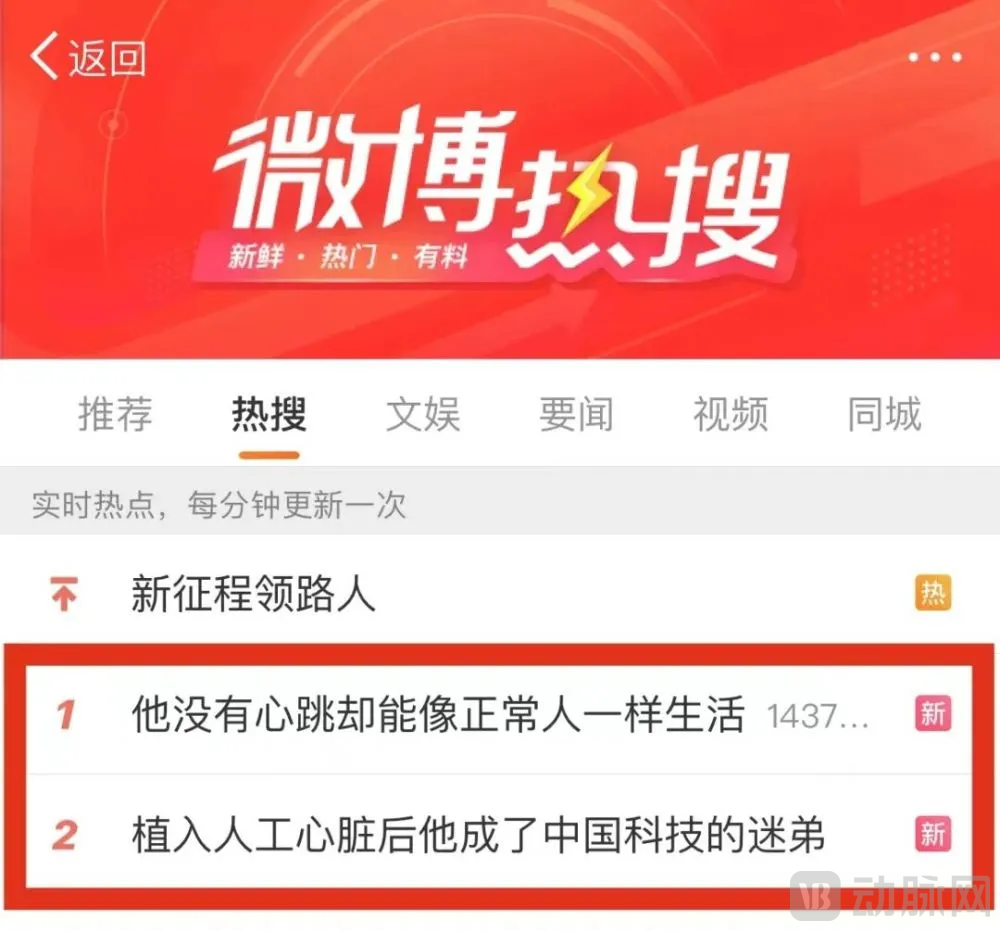
Recently,The news about talk show actor Wang Shiqi implanting an artificial heart and living healthily went viral on the internet, keywords“He Has No Heartbeat, Yet Lives Like a Normal Person"Also quickly topped the Weibo hot search list, triggering widespread attention."
(Image Source: Weibo)
Public reports show that blood circulates throughout the body with the heartbeat and generates a pulse with each heartbeat. Wang Shiqi has no heartbeat or pulse because of the implantedContinuous Flow Artificial HeartLike a suction pump, it draws blood flow into the arterial vessels, keeping the blood flow constant.
Clinical experts stated: The blood flow generated by the heart's beating is pulsatile blood flow, while the continuous-flow artificial heart produces non-pulsatile blood flow. Non-pulsatile blood flow may lead to severe complications such as right heart failure and stroke. Therefore,People need pulse and heartbeat; pulsatile blood flow plays an important role in the human body.。
Clinical evidence suggests that pulsatile blood flow can increase vascular elasticity, improve circulation levels, enhance the success rate of cardiac rehabilitation, and reduce the incidence of critical illnesses and complications.
Therefore, how to enable artificial heart recipients like Wang Shiqi to have a heartbeat and pulse has become the research and development direction of the fourth-generation artificial heart.
In fact, after decades of development, artificial hearts have undergone the evolution, innovation, and development of three generations of technical routes: pulsatile artificial hearts, mechanical bearing artificial hearts, and suspension artificial hearts.
The first-generation artificial heart mimics the natural heart's principle of contraction and relaxation, assisting blood circulation through "contraction and expansion" and achieving pulsatile blood flow. However, this generation of products was relatively large in size and wore out quickly, later being replaced by the second-generation mechanical bearing artificial heart.
The second-generation artificial heart drives blood flow through an axial flow pump, similar to a water pump, achieving blood circulation. This generation of artificial hearts is smaller in size and more durable. However, it provides non-pulsatile blood flow, eliminating the patient's pulse and significantly increasing the incidence of bleeding, thrombosis, and right heart failure.
The third-generation artificial heart includes magnetic-liquid suspension, magnetic suspension, and hydraulic suspension. However, the vast majority of third-generation artificial hearts still maintain the characteristic of non-pulsatile blood flow, unable to provide pulsatile blood flow. As a result, patients implanted with a third-generation artificial heart have no pulse, posing risks of severe conditions such as thrombosis, stroke, and right heart failure.
Today, multiple innovative companies around the world are developing fourth-generation novel bionic pulsatile pumps, which retain the advantages of third-generation artificial hearts while adding features such as pulsatile blood flow and wireless charging.
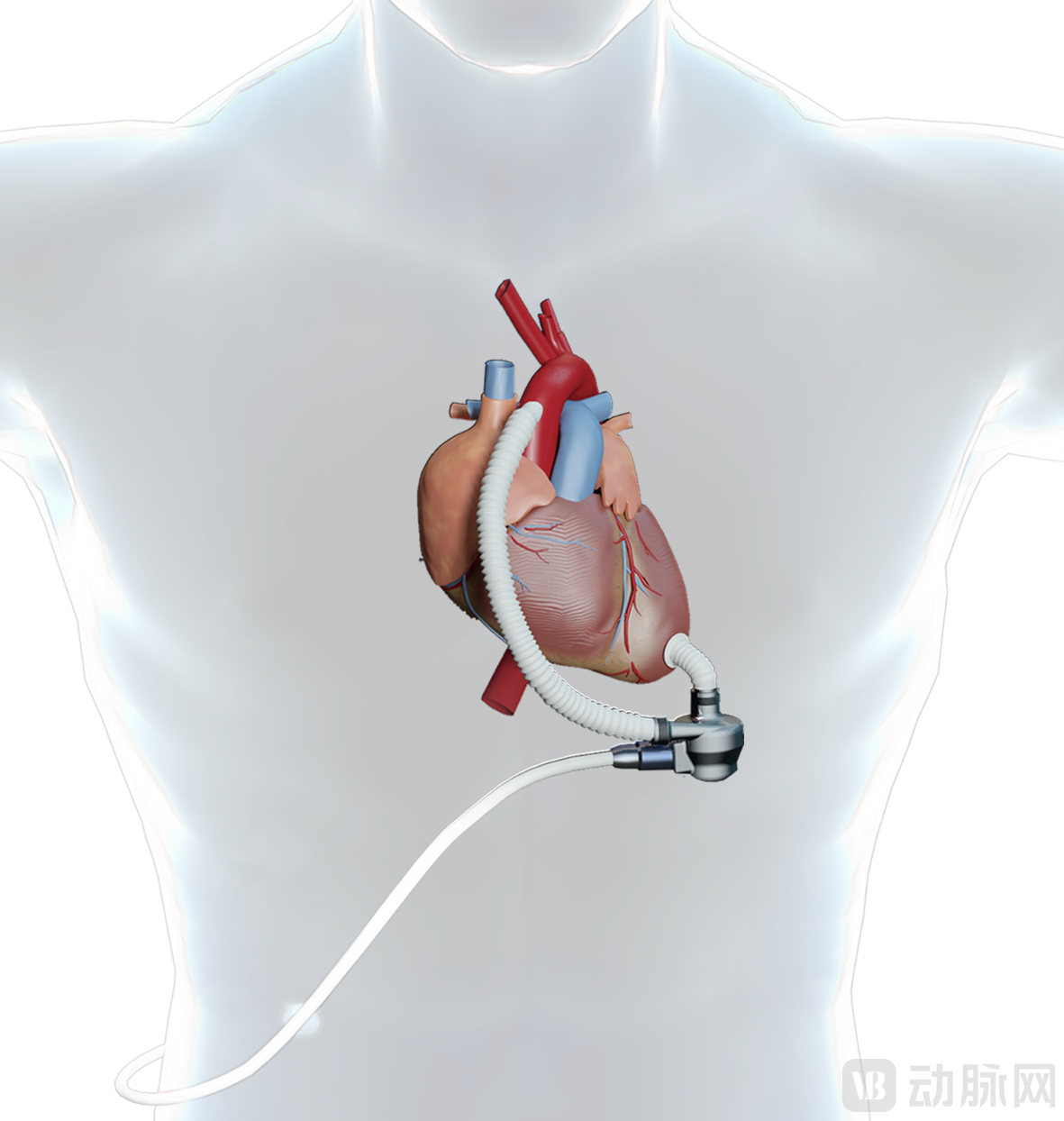
(EVAHEART Artificial Heart)
It is worth mentioning that the leading enterprises in China's artificial heart fieldEVAHEARTIn collaboration with the University of TokyoThe implantable left ventricular assist system EVAHEART, developed by EVAHEART, is not only the first domestically approved suspended artificial heart product in China but also the only bionic artificial heart. It pioneered the use of hydraulic suspension technology and bionic design, achieving pulsatile blood flow.In this regard, EVAHEART launched by EVAHEART can be called a 3.5-generation artificial heart, with more clinical advantages.。
As of now, EVAHEART, launched by the Chinese company EVAHEART, is one of the few suspended artificial hearts capable of providing pulsatile blood flow.
Data shows that EVAHEART generates pulsatile blood flow by simulating a real heart. Meanwhile, the pulsation of EVAHEART is consistent with the heart's beating frequency, meeting the physiological needs of the human body.Compared with the products of globally renowned multinational device companies, the effects of the domestically produced artificial heart EVAHEART are more physiological.
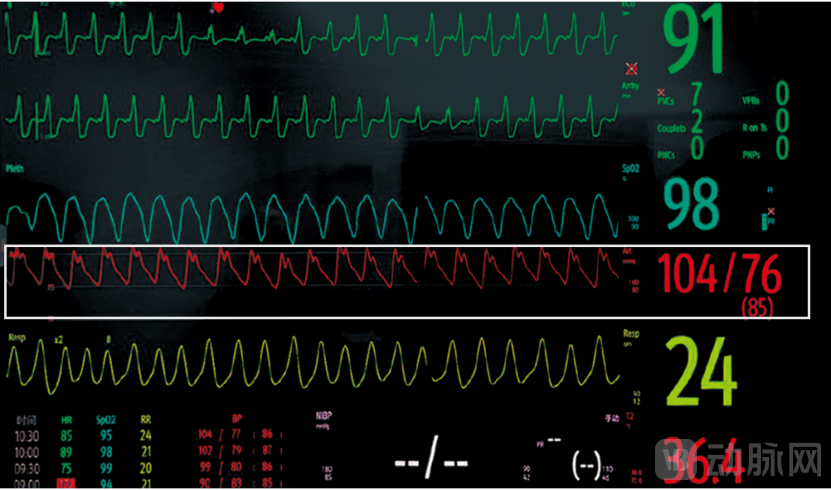
(EVAHEART-assisted patient ECG monitoring shows that this artificial heart achieves good pulsatility.)
EVAHEART's innovation allows patients to enjoy the various advantages of third-generation artificial hearts while also maintaining a pulse and pulsatile blood flow.
Based on pulsatile blood flow, EVAHEART reduces the incidence of right heart failure, thrombosis, gastrointestinal bleeding and other diseases, enhances vascular elasticity and blood circulation effects, providing greater benefits to patients.
Meanwhile, EVAHEART is the blood pump with the lowest operating speed among all artificial heart products available on the global market. Through its extremely low rotational speed, EVAHEART avoids blood damage and significantly reduces gastrointestinal bleeding events.
Public reports show that, to date, only three artificial heart products have been approved in China. Among them, EVAHEART, developed by Chongqing EVAHEART Medical Device Co., Ltd., is the first domestically produced artificial heart product to be approved for marketing in China. It is also currently the only artificial heart product approved by the National Medical Products Administration (NMPA) for long-term treatment. Long-term treatment means that after a patient receives the EVAHEART implant, there is no need for a second open-chest surgery to transition to a heart transplant, as it can be used for life.
Clinical experts stated: "Long-term treatment indications require artificial heart products to operate stably within patients for several years or even more than a decade, posing extremely high demands on the safety and stability of these artificial heart products."
In this regard, the design life of EVAHEART by EVAHEART is 30 years. Previously, EVAHEART has been widely used in developed countries such as Europe, the United States, and Japan. In Japan, EVAHEART has assisted a patient for 11 years, and the patient is still healthy; in the United States, EVAHEART has completed multiple implants in hospitals across 13 states, achieving excellent clinical outcomes. This demonstrates that EVAHEART by EVAHEART possesses exceptional stability, safety, and effectiveness.
At the same time, the bionic pulsatility of EVAHEART has gained unanimous recognition from overseas clinical experts.
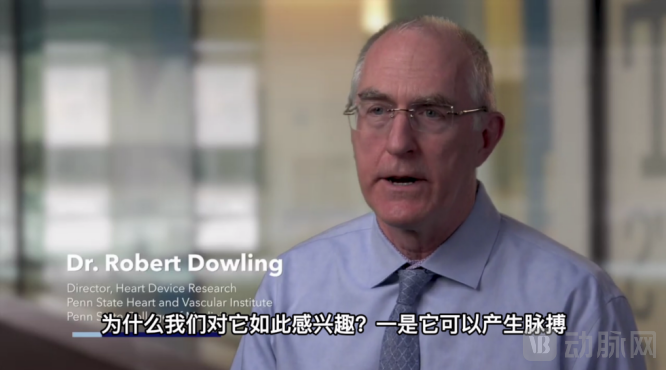
(Penn State Hospital's Robert Dowling introduces the pulsatility of EVAHEART)
In addition, EVAHEART, developed by Chongqing EVAHEART Medical Device Co., Ltd., gained approval from the National Medical Products Administration (NMPA) for long-term treatment due to its exceptional clinical data in China. According to reports, the domestic clinical trial of EVAHEART, led by Academician Shengshou Hu, achieved a one-year survival rate of 100%. This outstanding clinical performance was praised by overseas experts as the "world's best clinical achievement" and has been recognized by the NMPA, clinical experts, and patients alike.
Currently, EVAHEART has become the most widely used artificial heart product in China. According to hospital statistics, EVAHEART accounts for more than 70% of artificial heart implants in China.