

Pegasi Medical completes tens of millions in angel funding to advance localization of prostate thermal vapor ablation technology in China

VCBeat
Internet Medical Health Media
Pegasi Medical, a company dedicated to male urological health, announced the completion of a tens of millions angel round financing exclusively invested by Medistar Capital. The funds will be primarily used for clinical trials, registration, and industrialization advancement of the company's core product—a thermal vapor ablation system.

Benign Prostatic Hyperplasia (BPH) is a common urological condition among elderly men worldwide, with its incidence rising significantly with age. Symptoms include frequent urination, urgency, dysuria, difficulty in urination, and interrupted urinary flow. According to epidemiological data from The Lancet, men aged 65–74 bear the highest absolute burden of BPH.
Based on population statistics released by China's National Bureau of Statistics in January 2025, the population aged 60 and above in China is approximately 310 million, accounting for about 22% of the total population. As the aging trend continues to intensify, age-related male health issues typified by BPH will become a significant public health challenge in China.
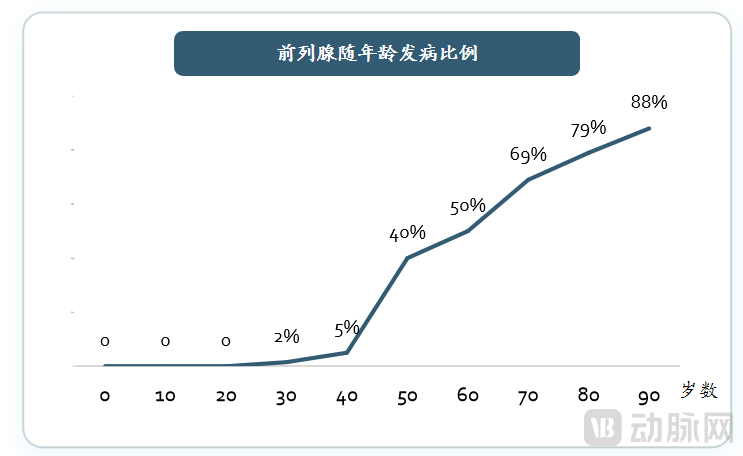
Incidence of Benign Prostatic Hyperplasia. Image provided by Pegasi Medical.
However, traditional BPH treatment options—ranging from medication to surgical intervention—are often associated with limitations such as variable efficacy, invasiveness, and risks of complications (e.g., bleeding, retrograde ejaculation, and erectile dysfunction). In recent years, minimally invasive treatments represented by thermal vapor ablation have emerged as a promising next-generation approach for BPH, offering advantages including precise targeting of hyperplastic tissue, short procedure time, favorable preservation of sexual function, and low complication rates.
Internationally, Boston Scientific's Rezūm™ Thermal Vapor Ablation System has been widely adopted in European and American markets since receiving FDA approval in 2015. Compared to traditional Transurethral Resection of the Prostate (TURP), thermal vapor ablation works by delivering high-temperature steam into the hyperplastic prostate tissue. The thermal energy causes the targeted tissue to necrose and atrophy, thereby relieving urethral obstruction. This approach offers advantages such as minimal procedural trauma, faster recovery, and reduced complications.
In contrast, no domestically manufactured thermal vapor ablation system has yet been approved in China. Imported devices are still in the market introduction phase, highlighting a significant market gap and opportunity. Pegasi Medical's thermal vapor ablation system (branded as Freedomax™) represents a key contender in this cutting-edge field.
Pegasi Medical's thermal vapor ablation system (Freedomax™) is entirely self-developed and has been protected by multiple invention patents (five of which have been granted). The system's core technologies include a radiofrequency heating module, an injection module, and proprietary algorithms.
To date, the product has successfully passed type testing and completed multiple rounds of animal trials. The results showed that the test animals remained normal both immediately after the procedure and during follow-up, with no complications observed. A significant reduction in prostate volume was achieved, meeting the expected therapeutic goals. Pegasi Medical plans to initiate a large-scale, multi-center clinical trial in the near future, with an anticipated market launch of the product in 2027.
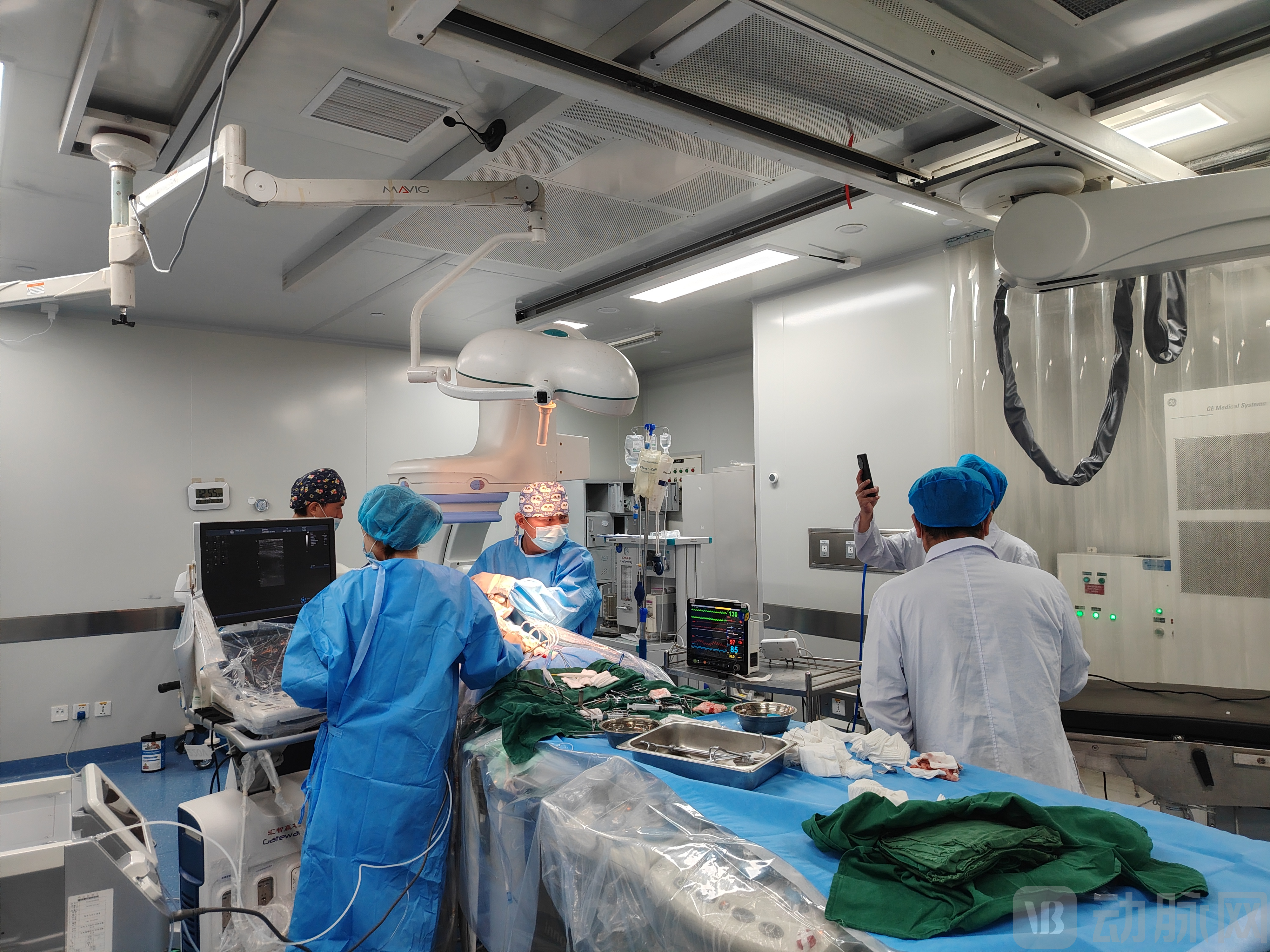
Pegasi Medical's ambition extends beyond a single product. The company aims to build a urology-focused platform covering both hospital and out-of-hospital settings, comprising Class I, II, and III medical devices.
Beyond its vapor ablation system, Pegasi Medical's pipeline includes multiple urological treatment and care products. This strategy of combining high-value therapeutic devices with daily care products creates an ecosystem that integrates in-hospital treatment with out-of-hospital management, reinforcing each other. This approach enhances the company's market resilience and long-term value.
Behind this strategy stands a core team whose members average over 12 years of industry experience. All have previously worked at internationally renowned medical companies such as Medtronic, Johnson & Johnson, and MicroPort. With deep expertise in high-value medical device fields including radiofrequency ablation, ultrasonic scalpels, and implantable/interventional products, the team has a proven track record of successfully taking multiple Class III medical devices from R&D through to market approval. Relying on this experienced team, Pegasi Medical is rapidly advancing both product iteration and commercialization.