

AstraZeneca's Expanding Health Innovation Ecosystem: A Strategic Blueprint for Global-Local Synergy

AstraZeneca
Biopharmaceutical Manufacturer
The tide of medical innovation is sweeping in.
On the one hand, with the aging of the population, the continuous improvement of the digital economy, and the change in health concepts, the diversification of healthcare demands continues to grow, bringing new development opportunities to the healthcare industry.
On the other hand, since 2015, a series of policies encouraging pharmaceutical innovation have been introduced intensively, pushing the pharmaceutical industry to a peak of rapid development. Currently, China's innovative drug research and development has become an important force in global pharmaceutical innovation, with 26 Class 1 new drugs approved for marketing in 2021, reaching the highest point in history.
Medical innovation has undoubtedly entered "the best of times," and in this unprecedented wave, countless innovative ideas in the healthcare field have emerged.
However, it is important to note that the road to medical innovation is long and fraught with challenges. The ability to aggregate resources, connect upstream and downstream players in the industry chain, and promote collaboration and exchange among global industries is crucial for the practical implementation of innovations.
As early as 30 years ago, AstraZeneca had already entered the Chinese market, gradually building an innovative health ecosystem centered around patients.China Center for Intelligent Health Innovation (CCiC)、International Life Science Innovation Park (iCampus)AndAstraZeneca-CICC Healthcare Industry FundTrinity, linking multiple resources such as government, industry, academia, research, medicine, and investment, to promote innovation in the global medical industry.
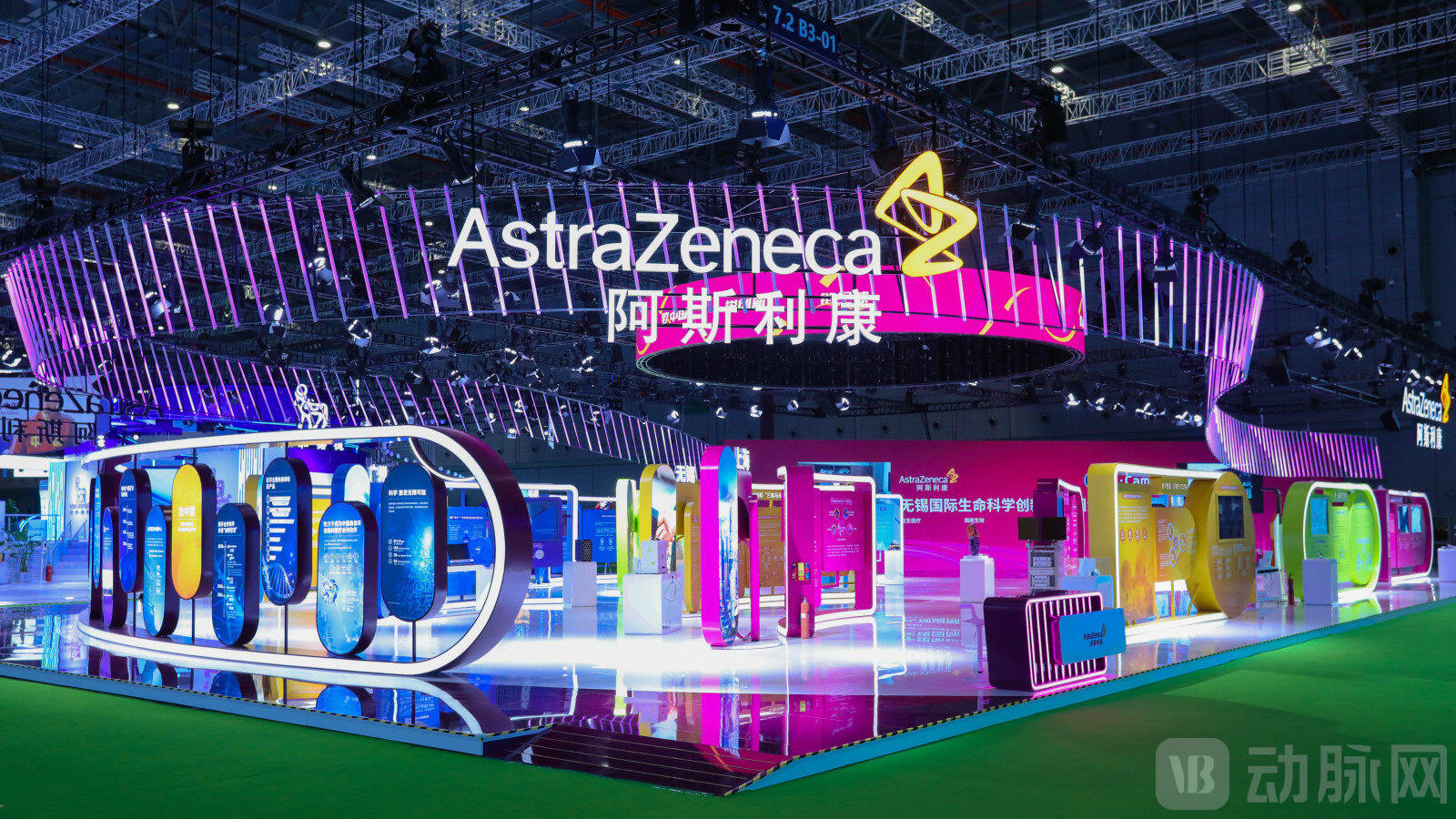
AstraZeneca Main Booth at the 2022 CIIE
At the 5th China International Import Expo (hereinafter referred to as "CIIE"), AstraZeneca showcased the fruitful achievements of its innovative ecosystem.The continuous expansion of the innovative ecosystem may serve as a model for global healthcare industry innovation.
But behind this, how does the innovative ecosystem specifically serve the healthcare industry's innovation? What kind of strategy is AstraZeneca implementing in the Chinese market? Using the innovative achievements of this CIIE as a window, we will take a glimpse into the unique logic behind these innovative outcomes.
Focus on Vertical Fields, Innovation in Health Ecosystem Expands Again
On the first day of the CIIE,Qingdao International Life Science Innovation Park, Qingdao Smart Healthcare Innovation Center Hold Unveiling CeremonyBased on the strong cooperation between AstraZeneca and the Qingdao government, AstraZeneca will establish an International Life Science Innovation Park in Qingdao. Leveraging AstraZeneca's global resource advantages and influence, the park will connect and introduce high-quality project resources from home and abroad, accelerating the aggregation of biopharmaceutical innovation resources in Qingdao.
At the same time, in QingdaoAn innovation center themed on rare diseases, showcasing cutting-edge clinical technologies for rare diseases through an open venue that integrates diagnosis and treatment solutions.。
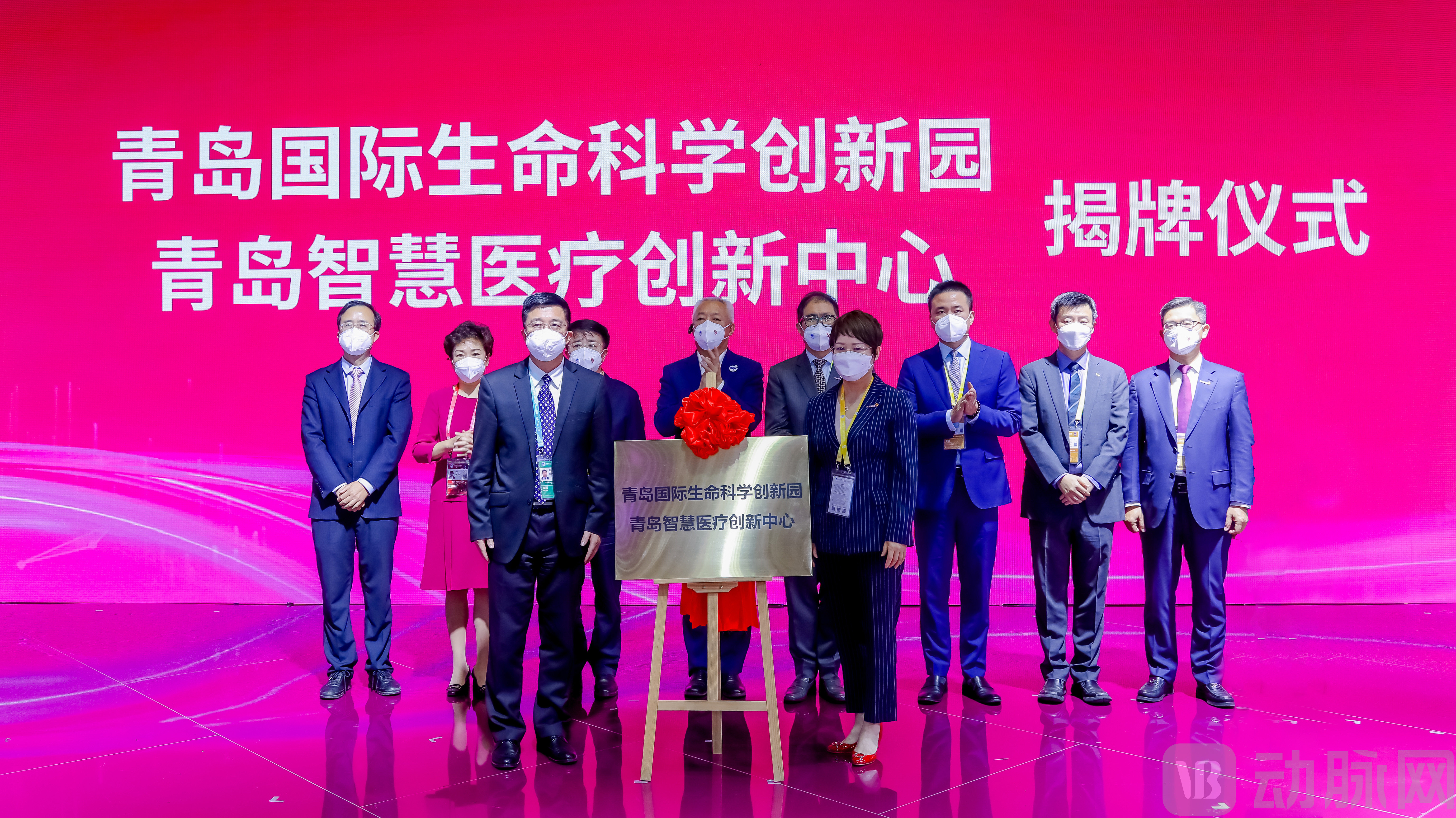
Qingdao International Life Science Innovation Park, Qingdao Smart Healthcare Innovation Center Inaugurated
The unveiling of Qingdao iCampus marks a continuous expansion of AstraZeneca's innovation ecosystem.
Since the opening of the first iCampus in Wuxi in 2019, a nationwide collaborative life science innovation ecosystem network has begun to take shape, covering eight cities: Wuxi, Beijing, Hangzhou, Chengdu, Shanghai, Yixing, Guangzhou, and Qingdao.
AndCombined with the local regional characteristics and industrial features, the positioning of each innovation park will vary.For example, Qingdao iCampus focuses on the rare disease field, stemming from Qingdao's years of deep cultivation in the rare disease industry.
As early as 2012, the "Opinions on Establishing an Urban Serious Illness Medical Assistance System (Trial)" issued by the General Office of the Qingdao Municipal People's Government proposed that for large medical expenses incurred by insured patients with serious or rare diseases, a multi-channel compensation assistance mechanism should be established on the medical insurance management platform. This mechanism would be government-led, incorporate multiple resources, and implement project-based management.
This opinion is a pioneering move, explicitly including rare diseases in the serious illness medical security system for the first time, achieving a breakthrough from nothing to something in the rare disease medical security system, and ultimately forming the "Qingdao Model" for rare disease assistance.
At this year's CIIE, various innovation parks have welcomed a new batch of enterprise settlements and cooperation agreements. For instance, Wuxi Innovation Park, which focuses on covering the entire life health industry chain, has attracted seven innovative companies to join, including Highbiot Medicine, Fusheng Medical, Medzero Technology, Lianyi Technology, Lucence Biotech, Sangguo Health, and VCBeat. This will further expand Wuxi's medical industry cluster and broaden AstraZeneca's ecosystem.
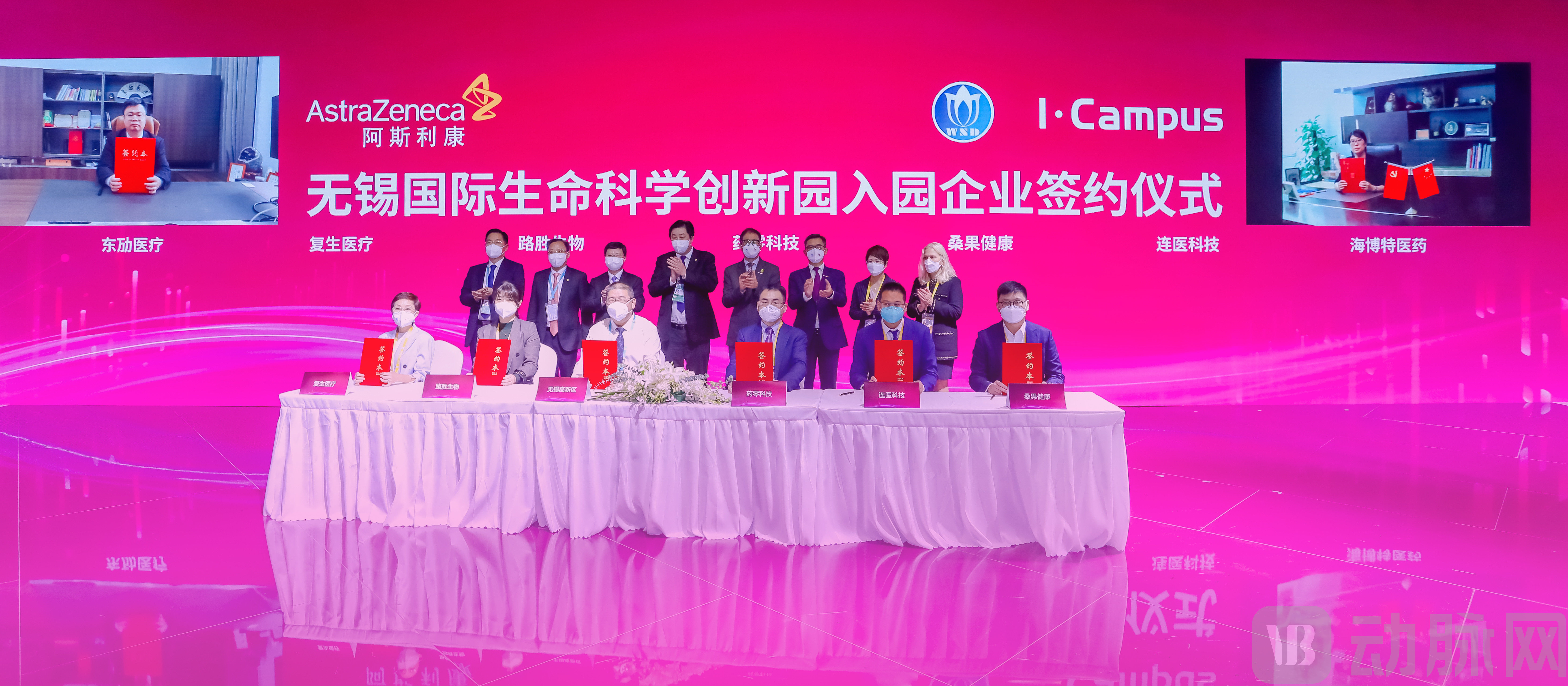
Wuxi International Life Science Innovation Park Welcomes Seven More Innovative Enterprises
Chengdu Innovation Park is committed to the modernization of integrated traditional Chinese and Western medicine. It has signed a strategic cooperation memorandum with Huibaoyuan Biotechnology, Boji Pharmaceutical, and Lida Advanced. AstraZeneca will further build a distinctive ecosystem for Chengdu's pharmaceutical industry by strengthening cooperation with traditional Chinese medicine enterprises, creating a one-stop incubation and industrial empowerment platform for traditional Chinese medicine in western China, and promoting regional economic development.
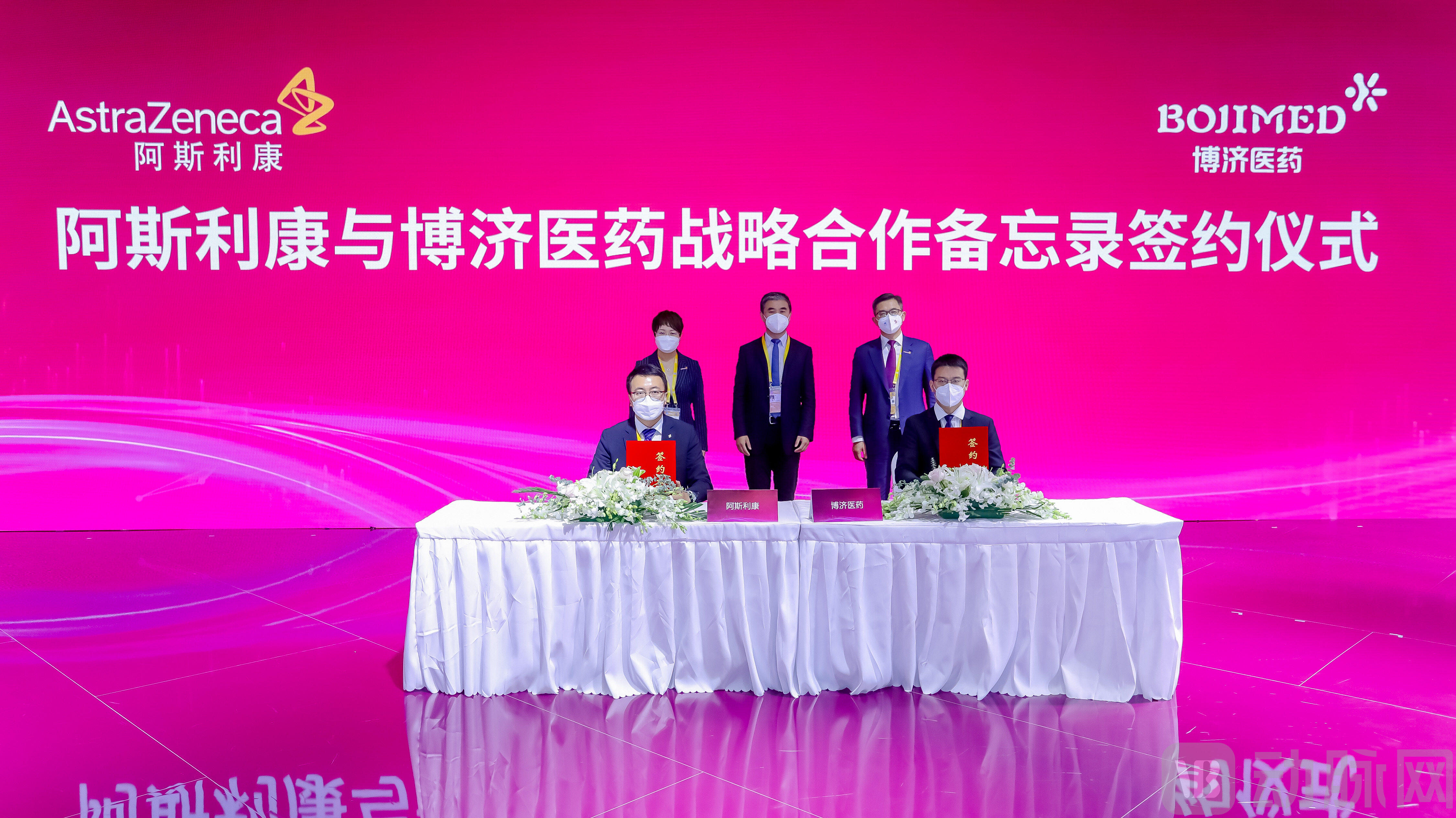 AstraZeneca Signs Strategic Cooperation Memorandum with Boji Medical
Guangzhou Innovation Park Focuses on Precision Diagnosis, Welcomes First Batch of Resident Companies at CIIE, Including Ruiyin Maituo, South China Precision, and Bingpian Technology. By Building an Open Innovation Ecosystem, the Innovation Park Aims to Provide a One-Stop Innovation Empowerment Platform for Innovative Enterprises from Home and Abroad, Featuring Diagnostics and Testing, Supporting Project Implementation, Incubation, and Commercialization.
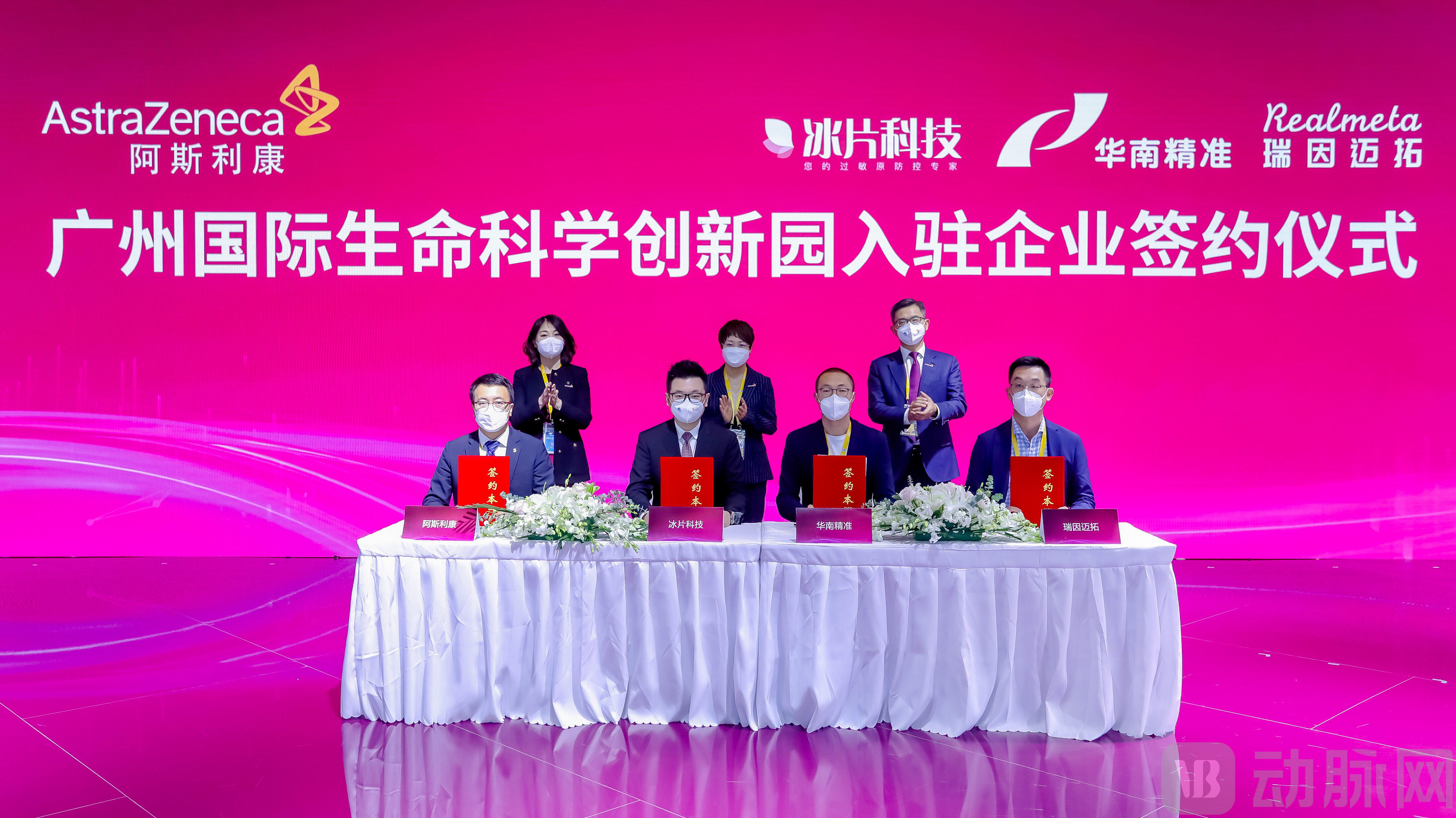
Guangzhou International Life Science Innovation Park Welcomes First Batch of Innovative Enterprises
Shanghai International Life Science Innovation Park Focuses on Artificial Intelligence, Adds 13 Innovative Companies Officially Moving In. In just one year, Shanghai iCampus has not only successfully attracted 15 innovative companies, but also facilitated multi-level cooperation between six of these companies and AstraZeneca’s business units. Going forward, Shanghai iCampus will continue to drive the growth of pharmaceutical R&D innovation and healthcare digitalization companies through open innovation, promoting the development of Shanghai's health innovation ecosystem.
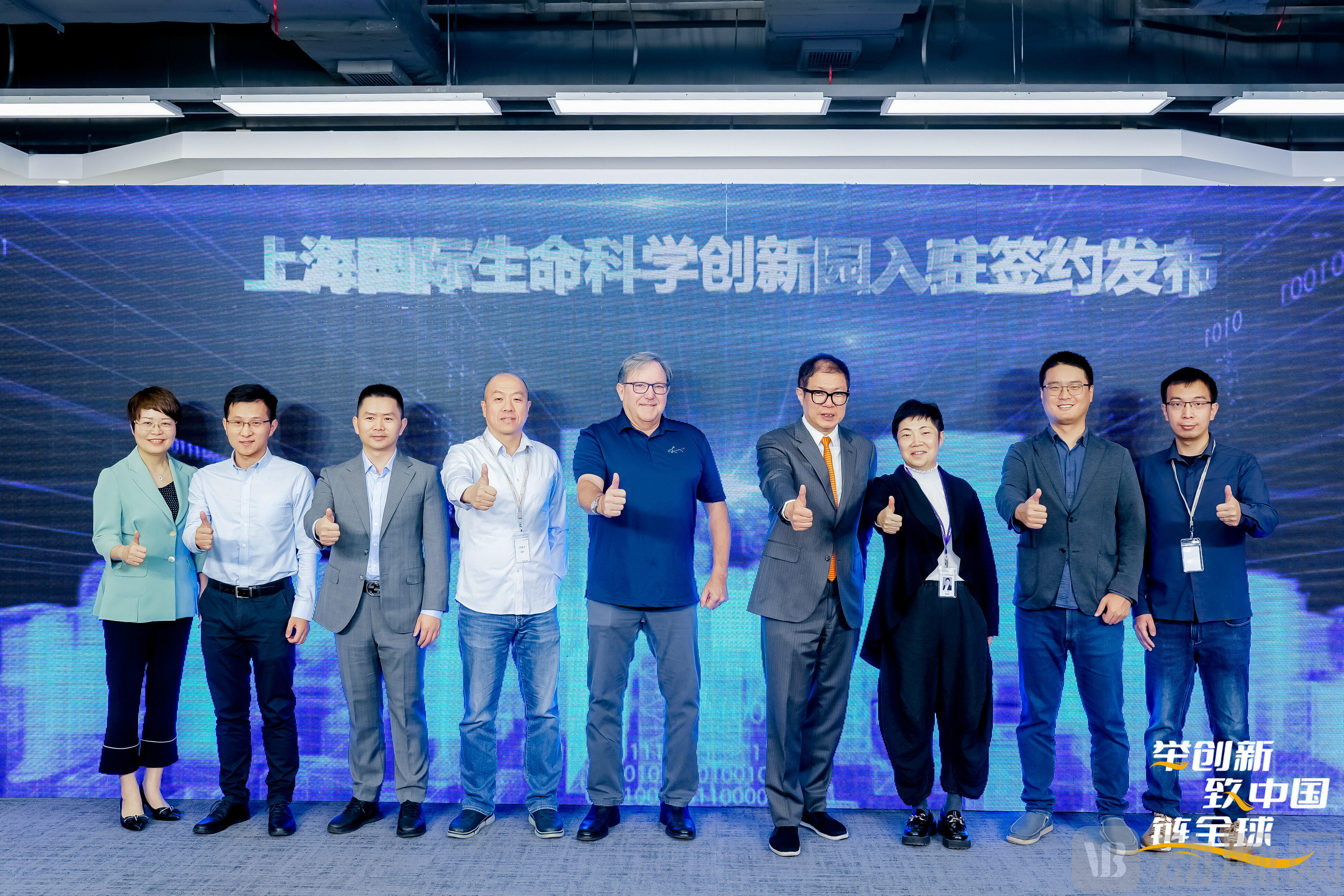

Shanghai International Life Science Innovation Park Welcomes Another Innovative Company
This time, AstraZeneca also completed a strategic cooperation agreement with the Shanghai Yangtze River Delta Commercial Innovation Foundation. The two parties will work together to aim at discovering and cultivating technology entrepreneurs, and carry out closer and wider long-term cooperation in scientific and technological public welfare research, incubation, and talent training, thereby building a sustainable innovation ecosystem in the Yangtze River Delta.
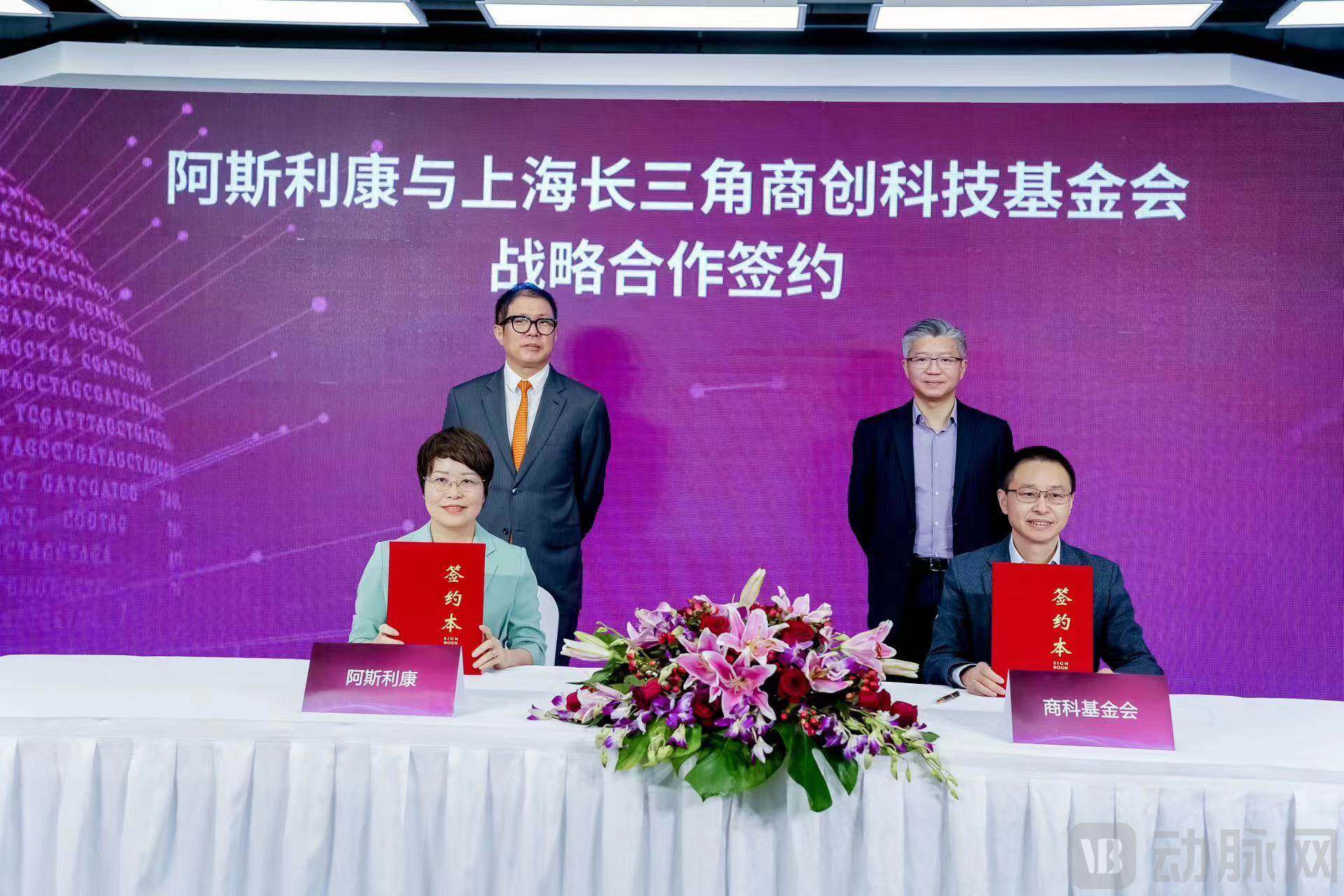
AstraZeneca Completes Strategic Cooperation Signing with Shanghai Yangtze River Delta Business Innovation Foundation
It can be seen that iCampus innovation parks across China are in full swing, with innovative achievements blooming in various areas and the innovative health ecosystem continuously expanding.
It is worth noting that, at this year's CIIE, asAnother heavyweight player in the innovation ecosystem——Metabolic Industry ParkAlso successfully completed the signing of the first batch of research cooperation enterprise intentions with Tangji Medical and Du'an Baiyu.
This collaboration will help build a full-chain ecosystem for metabolic diseases, encompassing clinical research, achievement transformation, incubation acceleration, industrial implementation, and clinical validation.Clarify the key pathways for the clinical and industrial integration of metabolic diseases, and form an innovative model for the diagnosis and treatment of metabolic diseases.

Metabolic Industry Park Completes First Batch of Intentional Research Cooperation Enterprise Signings
The Metabolic Industry Park was initiated by Ning Guang, an academician of the Chinese Academy of Engineering, based on the MMC Standardized Metabolic Diseases Management Center, and jointly built through a strategic cooperation among Wuxi High-tech Zone, AstraZeneca, and Zhizhong Medical.
It is reported that the National Standardized Metabolic Diseases Management Center (MMC) was established under the advocacy of Academician Ningguang Ning, with the support of AstraZeneca to the Shanghai Medical and Health Development Foundation.Committed to promoting the whole-process management of early diagnosis, prevention, and treatment of metabolic diseases and their complications.Currently, MMC has been implemented in 960 hospitals across China, benefiting more than 1 million patients.
The layout of the Metabolism Industry Park also highlights AstraZeneca's new upgrade in China's innovation ecosystem, by linking innovative companies with financial resources.Focus on in-depth cultivation in the vertical treatment field and empower through multi-faceted collaboration within the ecosystem.In the future, AstraZeneca will further explore its scalable and replicable model to create more clinical value for patients through integrated diagnosis-treatment and full-course disease management.
What is the innovative logic behind the fruitful results?
In summary, AstraZeneca's international health innovation ecosystem has initially taken shape. Behind the fruitful results, what kind of innovative logic is at play?
As we all know, to achieve the true implementation of innovation and help innovative enterprises grow, multi-party collaborative support is required. Among these, the most important elements are the policy, funding, incubation, and resource对接 services provided by industrial parks.AstraZeneca's innovation ecosystem is precisely such an incubation network that integrates resources from multiple parties, including government, industry, academia, research, medicine, and investment.
In addition to basic spatial carriers and infrastructure, CCiC, iCampus, and AstraZeneca-CICC Healthcare Industry Fund act as the three "horses" of business innovation, driving the innovative development of the healthcare industry from multiple aspects such as policy, funding, and industrial resource coordination.
Unlike other industrial parks in China, iCampus International Life Science Innovation Park is the first global innovation incubation industrial park in China co-built by the government and a leading global multinational pharmaceutical company.Such an innovative model allows入驻企业to simultaneously enjoy the support and resources provided by both parties.
From the government level, enterprises can gain access to policy formulation, support, and industry guidance for the biopharmaceuticals sector, as well as benefits such as tax reductions, expedited green approval processes, inter-enterprise communication, and investment-financing matchmaking.
Taking Wuxi iCampus as an example, the Jiangsu Provincial Medical Products Administration and the Wuxi Municipal Government have established the "Wuxi High-tech Zone Biomedical Industry Innovation and Development Service Center" within Wuxi iCampus to provide specialized guidance on the approval process. This has opened a "green channel for pharmaceuticals and medical devices access" for入驻企业, creating a fast-track review and approval service channel that significantly enhances the efficiency of business relocation. iCampus also actively participates in the discussion of biomedical policies within the park, organizing and providing feedback on enterprises' latest demands regarding the industry, talent, and regulatory approval. It aligns the most timely innovation needs of enterprises with the implementation pace of support policies. Through closed-door seminars at industry conferences, industry associations, and alliances, among other formats, iCampus collaborates with ecosystem partner companies to contribute ideas and efforts towards advancing industrial policy development.
At the enterprise level, AstraZeneca has always been at the forefront of innovation, itsExtensive innovative resources and a global network can provide market insights both in China and overseas, product concept validation, business innovation collaboration, sales licensing, and agency promotion.Support in areas such as helping them better understand market and patient needs, thereby creating stronger synergy with ecosystem partners and accelerating business development.
In addition, with the help of AstraZeneca's extensive global innovation network, iCampus can introduce foreign startups to China, allowing companies in the park to have the opportunity to expand globally with the support of AstraZeneca’s worldwide network. To date, AstraZeneca's global International Innovation Centers have exceeded 15, located across the United States, Brazil, Argentina, Sweden, the United Kingdom, France, Israel, Russia, South Korea, India, Singapore, and more.
In addition to the empowerment at the policy and business levels, a major threshold for medical innovation is also reflected in funding.The more innovative the technology or product, the more it requires continuous R&D investment and market validation.Many innovative companies are precisely stuck at this critical point.
Based on this, at the financial level, AstraZeneca fully utilizes its own resource endowments, strengthens cooperation and interaction with ecosystem partners, and has established a multi-level, multi-model fund system to comprehensively support the development of innovative enterprises.
On the one hand, as an important participating role in the innovation ecosystem,AstraZeneca and CICC Capital jointly establishedAstraZeneca-CICC Healthcare Industry Fund, has successfully invested in more than 10 medical and health innovation enterprises since its establishment, with a sufficient pipeline of reserve investment projects.
On the other hand,iCampus jointly establishes the iCampus Fund with local governments, state-owned enterprises, and relevant social capital., mainly providing capital empowerment to high-quality enterprises in the iCampus park and its ecosystem, accelerating the development of innovative enterprises and further promoting cooperation and synergy.
For example, AstraZeneca, Wuxi Industry Development Group, and Wuxi National High-Tech Industrial Development Zone jointly initiated the establishment of the Wuxi International Life Science Innovation Park iCampus Fund, with a planned scale of 1 billion US dollars and an initial funding of 100 million RMB. The fund focuses on investing in high-quality innovative companies in the broader health industry, including medical devices, diagnostics, digital healthcare, CXO, and specialized medical foods, to promote collaborative cooperation and innovation in related therapeutic areas. Currently, the fund has invested in projects such as Guangzhou Highbot Pharmaceutical, with other projects progressing in an orderly manner.
In August 2022, the second phase of the Guangzhou iCampus project – the "AstraZeneca-Guangzhou Bio Island International Life Science Innovation Park," a collaboration between AstraZeneca and Guangzhou International Bio Island Group Co., Ltd. – was officially launched. Fully integrating domestic and international industrial resources, the two parties have joined hands to create an international and flagship innovation platform, establishing a long-term cooperation mechanism to collaboratively build the park's industrial ecosystem.
Both parties will jointly establish a supporting fund for the innovation park to increase the number of入驻 enterprises, overall output value, etc., and play an important role in introducing talent, patents, and landing headquarters or subsidiaries of listed companies. Promote more high-quality "specialized, refined, unique, and innovative" enterprises from home and abroad to settle in Bio Island, taking advantage of the construction of the Guangdong-Hong Kong-Macao Greater Bay Area to accelerate the creation of a medical and health cluster area. It is reported that the two parties will also cooperate to build a highland for the precision medical life and health industry.
The spark of innovation also hinges on internal corporate collaboration. As a new wave of companies move in, the innovation ecosystem will continue to expand, harnessing the strength of all parties to jointly advance healthcare innovation across cycles, fostering vigorous growth.
In the Wave of Industrial Innovation, Building the Blueprint for Future Healthcare Innovation Ecosystem
The healthcare industry is ushering in a wave of innovation, with a clinical focus remaining the constant theme.
With the acceleration of drug review and approval, and the deepening advancement of medical insurance reform, China's innovative drug sector has entered a period of红利 (bonus). Relevant data shows that in 2020, the Center for Drug Evaluation accepted 1,062 registration applications for Class 1 innovative drugs, representing a year-on-year increase of 51.71%. Moreover, the number of innovative drugs approved in the first half of this year is already close to the total for last year.
However, the continuous outbreak of innovative drugs has been accompanied by serious homogenization, overcapacity, and crowded tracks. How to find the true value regression in the "bubble" of the innovative drug sector is an urgent problem that medical innovation needs to solve.
In July 2021, the CDE's "Guiding Principles for Clinical Development of Anti-Tumor Drugs Oriented by Clinical Value (Draft for Comments)" emphasized that clinical value and patient needs should be prioritized, once again sending a signal to the industry:Guided by clinical needs, focusing on breakthroughs from 0 to 1 is true innovation in the real sense., and only then can it drive China's pharmaceutical innovation into a virtuous cycle.
Patient needs are the underlying logic for AstraZeneca to build a full medical industry chain and an innovative ecosystem.AstraZeneca has always been at the forefront of innovation, building an integrated diagnosis and treatment model with full-course disease management across nine specialized fields. It is committed to creating a more refined platform for innovative development in therapeutic areas.
At the CIIE, AstraZeneca made its debut showcasing nine therapeutic areas, includingTumor, Cardiovascular, Kidney, Metabolism, Respiratory, Digestive, Vaccine Antibody, Autoimmune, Rare Diseases, focusing on patient needs and continuously expanding the scientific frontier with scientific leadership.
At the same time, AstraZeneca also showcased the full disease management and innovative solutions it has supported in various disease areas in collaboration with partners, as well as initiatives to expand and deepen access to quality healthcare resources through digitalization and grassroots strategies, thereby enhancing the accessibility of healthcare at the grassroots level.
In the five years of laying out the innovation ecosystem, AstraZeneca has achieved an exploration from 0 to 1 and then to 10 in terms of business innovation. In the future, AstraZeneca will place greater emphasis on integrating diagnosis and treatment in vertical fields, as well as implementing innovative models for full-course disease management. The company will further explore replicable and scalable models while continuing to incubate new ideas at the forefront, aiming to achieve a leap from 10 to 100.
Based on this, the Metabolic Industry Park is a benchmark case for AstraZeneca's focus on vertical therapeutic areas and empowerment through multi-faceted collaboration within the ecosystem. In the future, AstraZeneca will further expand the Metabolic Industry Park model into other disease areas and replicate it across China to promote innovation in the healthcare industry.
Amid the mighty tide of innovation, AstraZeneca's innovative health ecosystem will continue to expand, leveraging the strengths of all participants to build a blueprint for the future of healthcare innovation.