

Beton Kids Eye Care: Taming a New Species in Ophthalmology with 9 Clinics and Backing from Top Investors

BABY VISION
Eye Health Diagnosis and Treatment Service Provider
Dalton Venture
Venture Capital Institutions in the Medical and Health Field
When it comes to ophthalmology, what’s the first thing that comes to your mind? Is it the "Eye茅" worth billions in market value, or the incredibly popular OK lenses? What kind of sparks will be ignited when chain ophthalmic medical services focus on youth optometry?
This is a story favored by VC, giants in the children's consumption industry, and large insurance companies. The protagonist of this article — BABY VISION Pediatric Ophthalmology — is a medical chain brand dedicated to providing eye health diagnosis and treatment services for children and adolescents aged 3-18. It follows the American eye health prevention and care system, creating a professional, warm, and efficient eye health paradise for children.
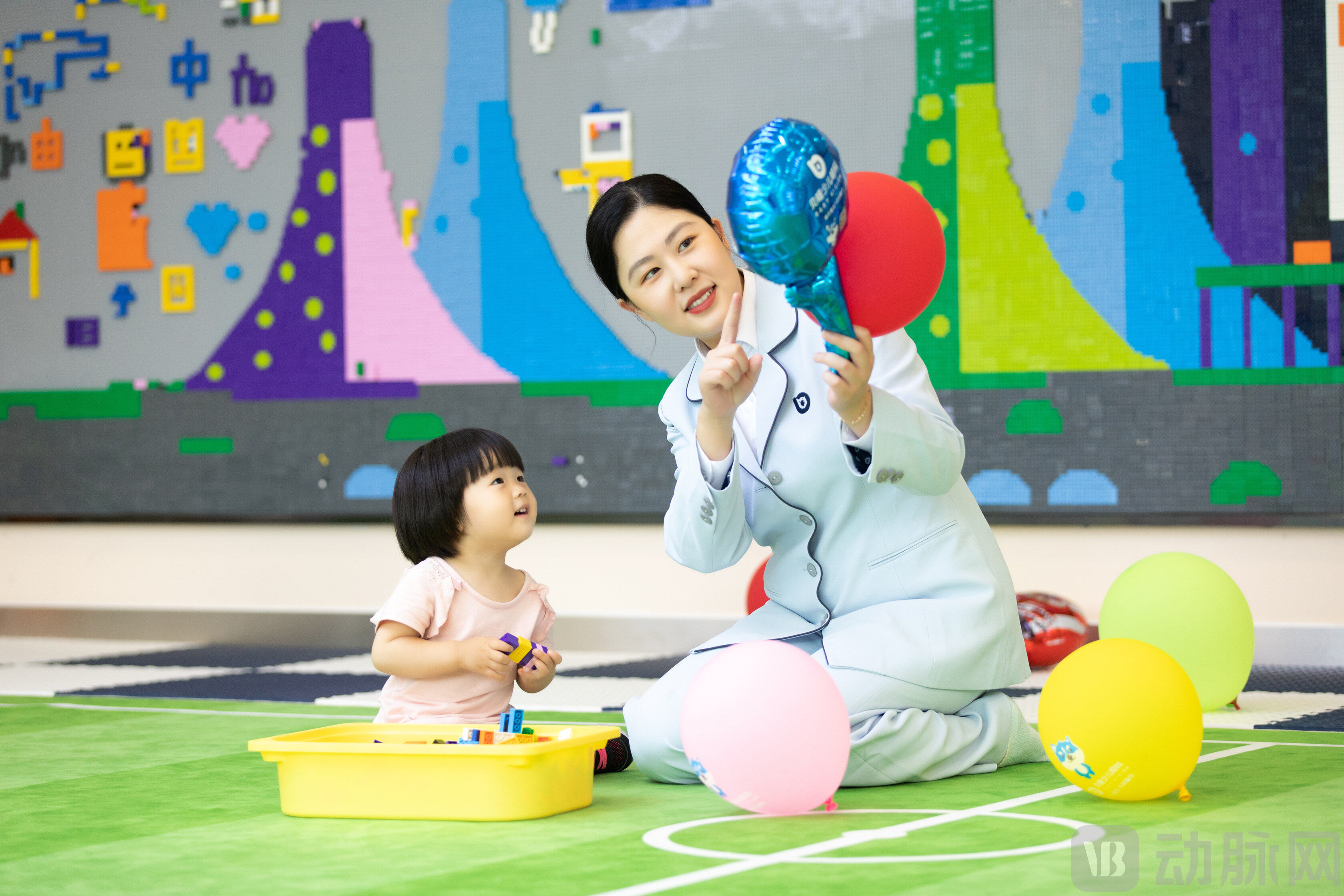
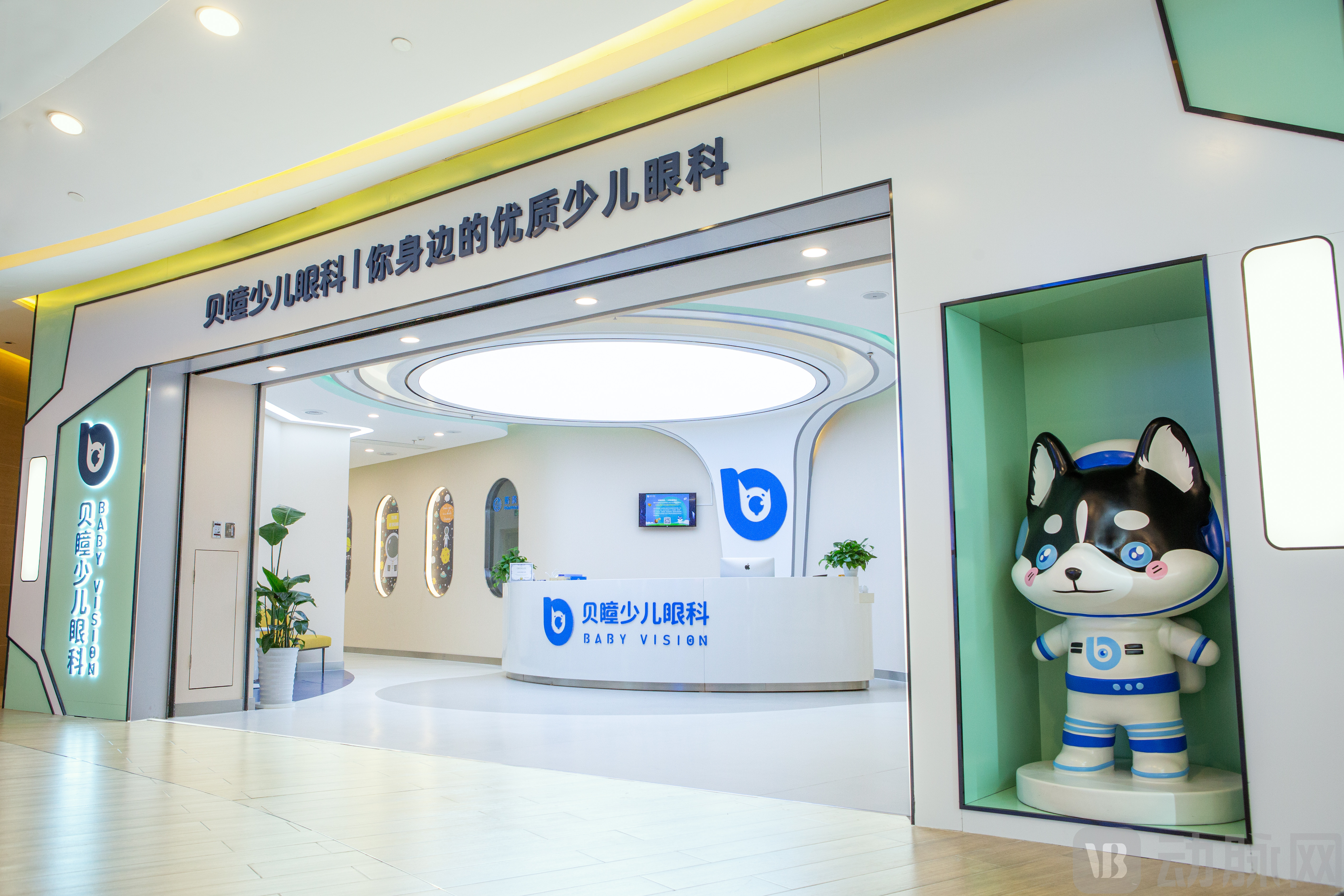
As of now, BABY VISION has opened 9 directly operated ophthalmology specialty clinics in Shanghai, with several more clinics in preparation, making it the leading youth optometry chain medical institution in terms of scale in East China.
As a new species in ophthalmology, different from the already mature adult ophthalmic diagnosis and treatment businesses in the capital market, the continuous maturation of innovative products and technologies such as orthokeratology lenses and defocus soft lenses has brought new opportunities to children and adolescent eye health management while also presenting new requirements. Adolescent optometry services need further exploration. In this journey of exploration, BABY VISION, which has been quietly moving forward, has already attracted support from multiple capital sources.
In 2019, BABY VISION received its angel round investment from Dalton Venture during its initial establishment; in 2020, BABY VISION completed its Series A financing jointly invested by Yijing Capital and Starlight Capital; in 2022, BABY VISION completed its Series B financing exclusively invested by Taikang Insurance.
Looking back, Zhu Yabin, co-founder of BABY VISION, believes that 2015 was a special turning point for the development of China's ophthalmic medical market. Since that year, practitioners in China's ophthalmic medical services industry began to contemplate the future direction of the sector.
"At that time, the industry reached a consensus on the changes occurring in the private ophthalmology sector: First, there should be a shift from traditional medical insurance projects to other types of projects; second, a transition from surgical projects to non-surgical ones. Based on this, two main directions for innovative exploration emerged: focusing on refractive surgery services and emphasizing children and adolescent vision care services," said Zhu Yabin, co-founder of BABY VISION, to VCBeat.
BABY VISION has chosen a less-traveled path. Unlike the already widely popular surgical services, BABY VISION has opted for a niche route — pediatric and adolescent optometry services.
BABY VISION's official website describes its business layout as: adolescent myopia prevention and screening, medical optometry, visual function training, dry eye examination and care, pediatric strabismus and amblyopia screening, and orthokeratology lens fitting.
"In fact, our business scope extends beyond these six modules." Zhu Yabin stated that, whether viewed from clinical requirements or the effectiveness of adolescent vision health management, every link in the process—from prevention, screening, to treatment, and then to follow-up rehabilitation and health care—should be addressed, and must be addressed.
Similar to establishing an ophthalmology specialty hospital, setting up a medical service institution focused on children and adolescents' visual health also requires these four key elements — clinical talent resources, financial resources, industry resources, and an understanding of policies.
In terms of human resources, VCBeat learned that the current team at BABY VISION Eye Clinic mainly consists of a doctor team, optometry team, nursing team, and customer service team. Among them, the doctors at BABY VISION are primarily outstanding middle-aged and young ophthalmologists from well-known medical schools in China, such as Peking University Health Science Center, Fudan University, Tongji University, Xiangya School of Medicine, and Wenzhou Medical University, with senior-titled doctors accounting for 80%. Additionally, BABY VISION has specially invited several ophthalmology experts from Class A tertiary hospitals in China to serve as clinical advisors.
In view of long-term development and to address the issue of fewer optometry professionals trained by domestic optometry schools and the scarcity of professional optometrists in China, BABY VISION has been cooperating with Shanghai Health Medical College since 2020 and has become an internship base for the institution.
"Since 2020, Shanghai Health Medical College has arranged 30 to 40 graduating students to intern at BABY VISION each year. At the end of the internship period, BABY VISION conducts a two-way selection process with the interns," said Zhu Yabin. "Every year, we select 10 to 15 outstanding graduates from Shanghai Health Medical College to work at BABY VISION’s clinics, becoming formal employees of BABY VISION."
Unlike adult ophthalmology, which is mainly surgery-oriented, BABY VISION currently focuses on outpatient services. Due to the unique characteristics of the pediatric population and the treatment requirements for common eye conditions in this group (such as myopia, amblyopia, and visual function disorders), the traditional ophthalmology hospital model struggles to meet their medical needs. Pediatric ophthalmology requires not only deep specialization in clinical expertise but also meticulous attention to service quality. This calls for a new set of values and methodologies, along with management standards and operational support systems distinct from those of traditional brands.
Zhu Yabin further explained that children and adolescents have a higher frequency of visits for optometric examinations, which implies that patients incur a significant time cost when seeking medical care. Therefore, to reduce the time cost for patients, the service pathway for children and adolescents' visual health management should focus on "small and refined" clinics rather than large hospitals.
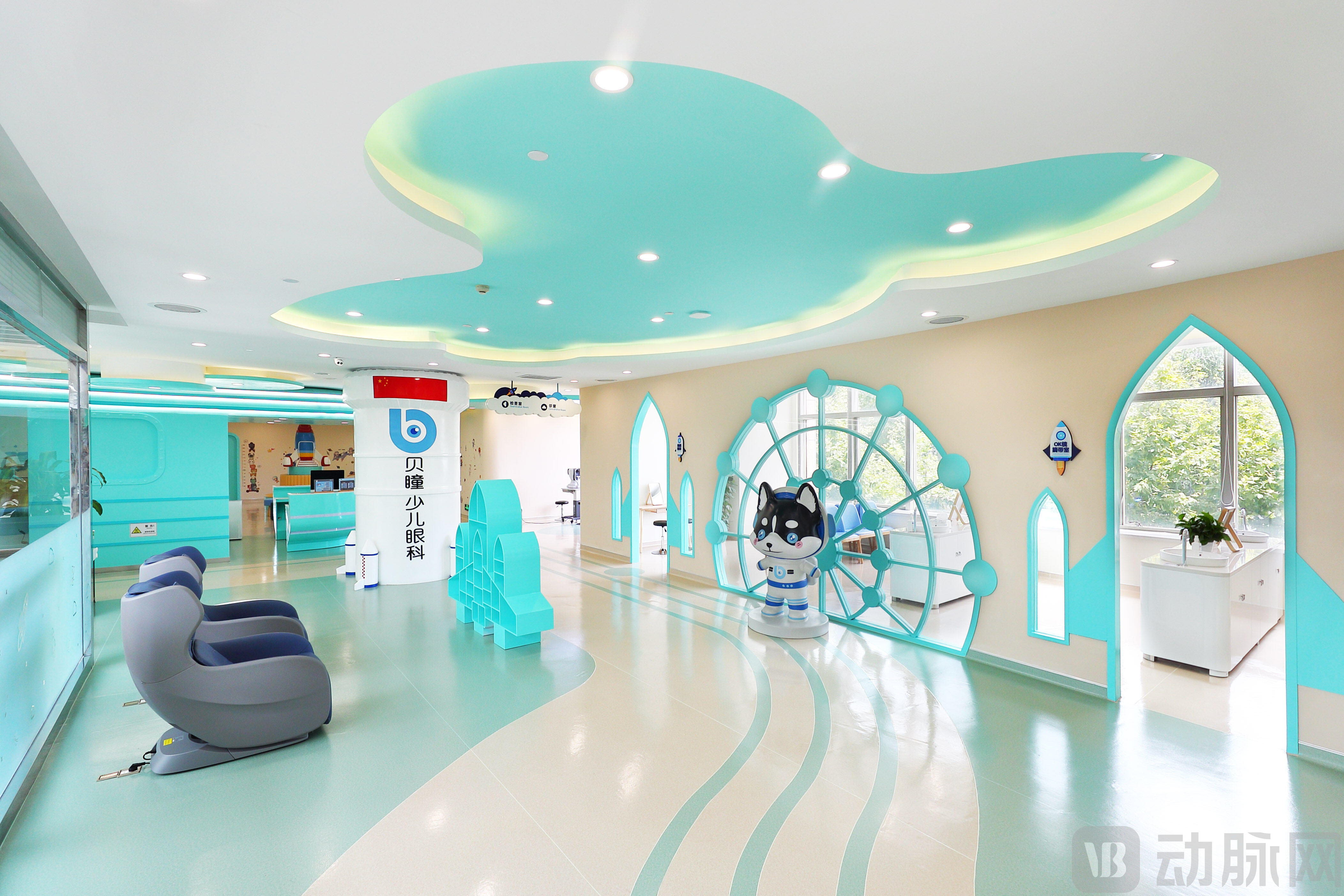
From prevention plans to treatment plans and then to rehabilitation and healthcare plans, all diagnostic and therapeutic products of BABY VISION are highly customized. Moreover, to quickly respond to patient needs, BABY VISION has also established an online and offline butler-style service system. To achieve standardization in medical care and services, BABY VISION has developed a quality control system consisting of three management teams based on national standards – the Optometry Technology Quality Management Team, the Nursing Quality Management Team, and the Customer Service Quality Management Team – thereby ensuring BABY VISION's service standards.
"All BABY VISION clinics, whether the current 9 or the future 20 or 30, will strictly provide medical services according to the standards," said Zhu Yabin.
As early as before the establishment of BABY VISION Ophthalmology, Dalton Venture had already recognized the significant opportunity in adolescent vision management and had been seeking high-quality targets in the adolescent vision field.
"The myopia rate and total number of myopic children and adolescents in China rank first in the world. The issue of adolescent myopia has become a major problem concerning the future of the nation and the country, even drawing attention from the highest levels. In 2018, the Ministry of Education, the National Health Commission, and six other ministries jointly issued the 'Implementation Plan for Comprehensive Prevention and Control of Myopia in Children and Adolescents,' explicitly stating the preventive measures to be taken by families, schools, medical institutions, students, and relevant government departments. By 2030, the goal is to achieve a significant reduction in the new cases of myopia among children and adolescents," said Lin Zhencheng, Managing Director of Dalton Venture. However, at that time, Dalton Venture had not found a suitable investment target until they eventually discovered Zhu Yabin and his related team. Sharing the same vision, both parties decided to jointly establish BABY VISION.
In 2020, the sudden outbreak of the COVID-19 pandemic forced BABY VISION Clinic to temporarily suspend operations. However, during this challenging time, BABY VISION received investments from Yijing Capital and Xingnaher. Both institutions are well-known in the industry and possess substantial strength.
Yijing Capital stated: "BABY VISION is grounded in the professional foundation of optometry, deeply engaged in children and adolescent eye health services and treatments, and positioned to provide high-quality eye health management services for urban families. Yijing Capital remains focused on and has long-term confidence in the healthcare industry. We are honored to accompany BABY VISION in its growth and look forward to BABY VISION contributing to the development of medical services."
Wang Jianguo, the founding partner of Xingnahe Capital, is also the founder of Child King (SZ 301078), with deep industry experience in children's retail and chain consumption.
"Xingnahe Capital has noticed the trend of myopia occurring at a younger age among children and continues to be optimistic about the pediatric ophthalmology industry. BABY VISION is an excellent company specializing in pediatric medical optometry services. The founding team has extensive experience in the children's ophthalmology-related industry. We have chosen BABY VISION and are willing to support its growth. We look forward to BABY VISION continuing to provide professional and comfortable eye health products and services to children in China and becoming a well-known brand in this field," said the Xingnahe investment team.
In 2021, BABY VISION Pediatric Ophthalmology reached a cooperation consensus with the Shanghai regional headquarters of Kids King. They participated in the regular member activities at Kids King’s Shanghai regional stores every month, providing exclusive customized pediatric eye health science education lectures for Kids King's member families. In 2021, they have served more than a hundred Kids King member families.
At the beginning of 2022, BABY VISION also received an exclusive B-round investment from Taikang Life. Xu Jun, Managing Director of the Strategic Equity Investment Department of Taikang Asset, stated: "The myopia rate among Chinese teenagers exceeds 50%, and myopia prevention and control has always been a key focus of national concern. BABY VISION concentrates on myopia prevention and control, providing professional solutions and high-quality services for teenagers with myopia. Meanwhile, as a chain service provider, BABY VISION can serve as a terminal service platform for emerging ophthalmic therapies based on innovative medical devices and drugs. Taikang is highly optimistic about the vision care sector. This investment in BABY VISION aims to support its development and jointly contribute to China's efforts in teenage myopia prevention and control."
Similar to its layout in the dental field, after investing in BABY VISION, Taikang is also trying to work with BABY VISION to accelerate in-depth services. Currently, BABY VISION has cooperated with Taikang Life Insurance to launch membership service products for Taikang customers, aiming to provide tens of millions of customers with more professional, affordable, and convenient ophthalmic services.
BABY VISION's rapid development has also attracted the attention and joining of Ye Zhaohong, a senior figure in the ophthalmology field. In the ophthalmic medical investment sector, Ye Zhaohong already has over twenty years of professional experience. From 1997 to 2019, he held positions such as Investment Manager at Aier Eye Hospital and General Manager at Pure Eyes, where he was engaged in ophthalmic medical investment management for a long time. During the establishment of BABY VISION, Zhu Yabin exchanged ideas multiple times with Ye Zhaohong regarding the development of juvenile optometry, and they found many of their concepts to be aligned.
Ye Zhaohong appreciates Zhu Yabin's youthful energy as a young person. As an excellent founder, Zhu Yabin is able to lead his team to provide references for the implementation of adolescent optometry services in China within a short period of time; Zhu Yabin also admires Ye Zhaohong's profound insights into industrial development and his ability to integrate resources.
At this point, BABY VISION has gathered a group of high-quality and deeply trusted teammates, laying a solid foundation of human resources and assets for further exploration of pediatric ophthalmology business implementation.
In addition to opening clinics and extending visual health management services to more children and adolescents, can BABY VISION also contribute to some deeper and more meaningful initiatives?
The answer is naturally affirmative, and BABY VISION has already taken practical action.
At the social level, during the "13th Five-Year Plan" period and the "14th Five-Year Plan" period, the screening for refractive errors in children and adolescents has been a top priority in China's visual health work for children and adolescents. For instance, the June 2021 notice, "Regarding the Submission of Key Information on Regular Vision Monitoring for Primary and Secondary School Students," explicitly emphasized the need to shift the focus earlier, advance vision testing, and ensure early monitoring, early detection, early warning, and early intervention.
In response, various regions across China have begun to actively respond to national policies and promote the development of related work. Since 2019, BABY VISION has partnered with the Orbis International project to provide eye health public welfare education annually to kindergartens, primary and secondary schools in districts of Shanghai. To date, BABY VISION has offered eye health public welfare education services to hundreds of schools in Shanghai, reaching more than hundreds of thousands of people. During the pandemic in 2022, BABY VISION participated in Tencent's "Cloud Public Welfare" campaign, providing online eye health education training for nearly a hundred rural teachers across China, doing its utmost to support rural education and contribute to rural revitalization.
In terms of industry, BABY VISION is also leveraging its strengths to actively seek cooperation with various industry players, including the latest AI product technologies. For instance, this year, BABY VISION joined hands with Airdoc Technology to prepare for the development of an AI diagnosis and follow-up system for children and adolescents, providing long-term eye health diagnosis and management services that integrate online and offline platforms throughout the entire growth cycle for children and adolescents aged 3-18.
"And with the help of technology and finance to better serve every child, BABY VISION will continue to focus on clinic expansion for a long time in the future. By next year, the number of clinics in Shanghai will reach 15-20, and it will expand beyond Shanghai, selecting 1-2 cities for further development," said Zhu Yabin.