

Enhertu Recommended by EU CHMP for HER2-Positive Advanced Gastric Cancer — First HER2-Targeted Therapy in Europe in Over a Decade

AstraZeneca
Biopharmaceutical Manufacturer
Daiichi-Sankyo
Pharmaceutical R&D Developer

Committee for Medicinal Products for Human Use
Committee for Medicinal Products for Human Use (CHMP)The Committee for Medicinal Products for Human Use (CHMP) is the committee within the European Medicines Agency (EMA) responsible for human medicines. The CHMP replaced the former Committee for Proprietary Medicinal Products (CPMP) in May 2004.The CHMP plays a vital role in the authorization of medicines in the European Union (EU). In the centralized procedure, the CHMP is responsible for: 1) conducting initial assessments of marketing authorization applications across the EU; assessing modifications or extensions to existing marketing authorizations (“variations”); considering recommendations from the Agency’s Pharmacovigilance Risk Assessment Committee regarding the safety of medicines on the market, and, where necessary, advising the European Commission to amend the marketing authorization of a medicinal product, or to suspend or withdraw it from the market.The CHMP also evaluates medicines authorized at the national level that are referred to the EMA, with the aim of maintaining a harmonized position throughout the EU.Furthermore, the CHMP and its working groups promote the development of medicines and pharmaceutical regulation by: providing scientific advice to companies researching and developing new medicines; developing scientific and regulatory guidelines to assist pharmaceutical companies in preparing marketing authorization applications for human medicines; and collaborating with international partners to harmonize regulatory requirements.
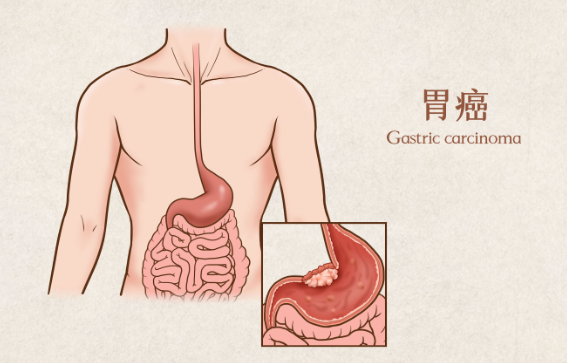
Image Source: Shutterstock
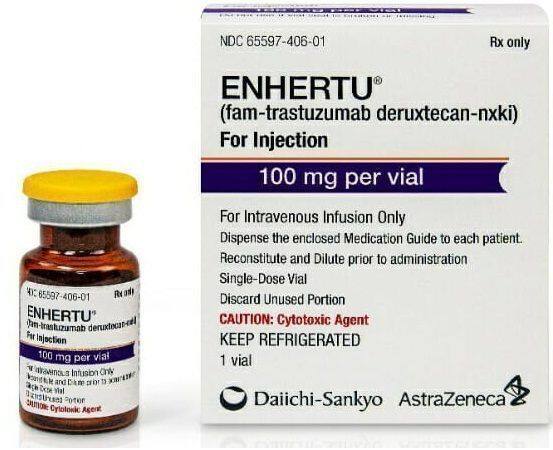
News on November 18, 2022 /BioValleyBIOON/ -- AstraZeneca and its partner Daiichi Sankyo recently announced jointly that the European MedicinesManagementThe Committee for Medicinal Products for Human Use (CHMP) of the European Medicines Agency (EMA) has issued a positive review opinion,Recommend approval of the HER2-targeted antibody-drug conjugate (ADC) Enhertu (fam-trastuzumab deruxtecan): as a monotherapy for the treatment of adult patients with advanced HER2-positive gastric or gastroesophageal junction (GEJ) adenocarcinoma who have previously received trastuzumab (HER2-targeted monoclonal antibody) regimen.Enhertu is jointly developed and commercialized by AstraZeneca and Daiichi Sankyo.
In many European countries,Gastric CancerUsually in the late stageDiagnosisComing out, patients face a high mortality rate.. If approved,Enhertu will be the first HER2-targeted drug for advanced gastric cancer patients in the EU in over a decade.. Currently,Enhertu has been approved in the United States and other countries for the treatment of locally advanced or metastatic HER2-positive gastric cancer.
The positive review opinion of EMA CHMP is based on the results of two Phase II clinical trials (DESTINY-Gastric01, DESTINY-Gastric02).The prognosis of gastric cancer is poor, especially in the late stage of the disease, with only 5%-10% of patients surviving for five years.。About one-fifth of gastric cancers are considered HER2-positive.The recommended first-line treatment regimen for HER2-positive advanced or metastatic gastric cancer is chemotherapy combined with trastuzumab (HER2-targeted monoclonal antibody) therapy. Although the benefits of HER2-targeted therapy in first-line metastatic gastric cancer treatment have been well-documented, the disease will eventually progress, and second-line treatment options are limited, creating an urgent need for new HER2-targeted therapies.
Enhertu is the first ADC drug approved for the treatment of HER2-positive gastric cancer. It was approved in Japan in September 2020 and in the United States in January 2021 for the treatment of patients with HER2-positive metastatic gastric or GEJ adenocarcinoma.. It is worth mentioning that,Enhertu is the first HER2-targeted therapy to demonstrate a significant improvement in overall survival (OS) compared to chemotherapy in patients with HER2-positive metastatic gastric cancer previously treated with chemotherapy and anti-HER2 therapy (DESTINY-Gastric02 trial results, median OS: 12.5 months vs 8.4 months).Based on the compelling and robust efficacy demonstrated in clinical trials, Enhertu will become the new standard of care for the clinical treatment of such patients.
DESTINY-Gastric02 is the first trial specifically designed to evaluate Enhertu in Western patients with gastric cancer. The data show that, in HER2-positive metastatic and/or unresectable gastric or gastroesophageal junction (GEJ) adenocarcinoma patients previously treated with a trastuzumab regimen, Enhertu treatment provided clinically meaningful and durable tumor responses.
Data presented at the 2021 ESMO Congress showed that: In the initial analysis, the confirmed overall response rate (ORR) for Enhertu (6.4 mg/kg) as assessed by independent central review (ICR) was 38%. After a median follow-up of 5.7 months, the median duration of response (DoR) was 8.1 months.
Presented at the 2022 ESMO CongressLatest data show: With a median follow-up of 10.2 months, the confirmed ORR assessed by ICR for Enhertu was 41.8%. The median Duration of Response (DOR) was 8.1 months, and the median Overall Survival (OS) was 12.1 months. The milestone 12-month survival rate was 50.6%.
DESTINY-Gastric01 is an open-label, randomized phase 2 trial that enrolled 187 patients (including 149 from Japan) with HER2-positive advanced gastric cancer or gastroesophageal junction adenocarcinoma (defined as: IHC3+ or IHC2+/ISH+), who had previously received two or more regimens (including 5-FU, platinum-based chemotherapy, and trastuzumab) but experienced disease progression. In the study, patients were randomly assigned in a 2:1 ratio to receive Enhertu (6.4mg/kg) or investigator-selected chemotherapy (paclitaxel or irinotecan monotherapy) every three weeks.
The trial'sLatest results show: ORR was 51.3% in the Enhertu group and 14.3% in the chemotherapy group. The risk of death was reduced by 40% in the Enhertu group compared to the chemotherapy group (HR=0.60; 95% CI: 0.42-0.86; p=0.01). The median OS was 12.5 months in the Enhertu group and 8.9 months in the chemotherapy group. Additionally, according to ICR assessment, the confirmed ORR was 42.0% in the Enhertu group and 12.5% in the chemotherapy group.
Gastric cancer is the fifth most common cancer worldwide and the fourth leading cause of cancer-related deaths. The 5-year survival rate for patients with advanced or metastatic disease is only 5%-10%. In 2020, there were approximately 1 million new cases of gastric cancer globally, with 768,000 deaths. Gastric cancer is often diagnosed at an advanced stage, but even when detected early, the survival rate remains low.
Approximately one-fifth of gastric cancers are HER2-positive. HER2 is a tyrosine kinase receptor pro-growth protein expressed on the surface of many types of tumor cells, includingBreast Cancer, Gastric Cancer,Lung CancerAndColorectal Cancer。HER2 overexpression may be associated with a specific HER2 gene alteration known as HER2 amplification.
For HER2-positive advanced or metastatic gastric cancer, the recommended first-line treatment is chemotherapy combined with trastuzumab. Trastuzumab is an anti-HER2 drug that has been proven to improve patient survival when used in combination with chemotherapy. For patients with metastatic gastric cancer, if progression occurs after initial treatment with a trastuzumab-based regimen, treatment options are limited, and in many regions of the world, no other HER2-targeted drugs are available.
Enhertu is a next-generation antibody-drug conjugate (ADC) that links the HER2-targeted humanized monoclonal antibody trastuzumab (Herceptin) with a novel topoisomerase 1 inhibitor exatecan derivative (DX-8951 derivative, DXd) via a 4-peptide linker, enabling targeted delivery of cytotoxic agents to cancer cells and reducing systemic exposure compared to conventional chemotherapy.
In March 2019, AstraZeneca and Daiichi Sankyo reached a deal worth up to $6.9 billion in total.ImmunityOncology Collaboration to Co-Develop Enhertu for Treating Various Cancer Patients with HER2 Expression Levels or HER2 Mutations, Including Gastric Cancer, Colorectal Cancer, Lung Cancer, and HER2-Low Breast Cancer. Under the agreement, both parties will co-develop and commercialize Enhertu globally. Daiichi Sankyo retains exclusive rights in the Japanese market and will fully manage manufacturing and supply.
As of now,Enhertu has been approved for the treatment of: HER2-positive breast cancer, HER2-low breast cancer, and non-small cell lung cancer with activating HER2 mutations (NSCLC), HER2-positive gastric cancer.(Bioon.com)
Source of Original Text:Enhertu recommended for approval in the EU by CHMP for patients with previously treated HER2-positive advanced gastric cancer