

FDA Restricts Zejula (Niraparib) to gBRCAmut Patients for Second-Line Maintenance Therapy in Advanced Ovarian Cancer

GSK
Pharmaceutical R&D Manufacturer

FDA
U.S. Food and Drug Administration
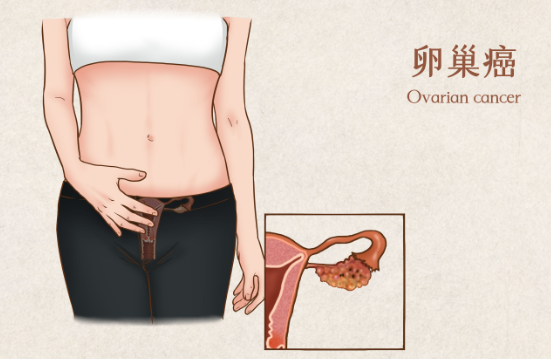
Image Source: Shutterstock
News on November 18, 2022 /BioValleyBIOON/ -- GlaxoSmithKline (GSK) recently issued a notice in response to the U.S. Food and DrugManagementBureau (FDA) requirements, willRestriction on the Second-Line Maintenance Treatment Indication of PARP Inhibitor Zejula (Niraparib):Only applicable to advanced cases carrying harmful or suspected harmful germline BRCA mutations (gBRCAmut).Ovarian Cancer(Patients with epithelial ovarian cancer, fallopian tube cancer, or primary peritoneal cancer). In the United States,Zejula's indication for first-line maintenance treatment in patients with advanced ovarian cancer who have had a complete or partial response to platinum-based chemotherapy remains unchanged.
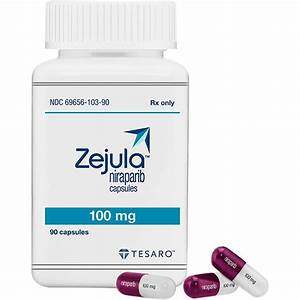
Zejula is an oral, once-daily PARP inhibitor for the maintenance treatment of platinum-sensitive recurrent ovarian cancer.The FDA's decision came after the FDA reviewed the final overall survival (OS) analysis of the ENGOT-OV16/NOVA Phase III trial, which was the basis for the approval of the second-line maintenance indication. In the final OS results of the ENGOT-OV16/NOVA trial,The hazard ratio (HR) for the secondary endpoint of OS in the non-gBRCAmut cohort was 1.06 (95% CI: 0.81-1.37).
ENGOT-OV16/NOVA is a randomized, double-blind, placebo-controlled Phase III trial that evaluated Zejula for maintenance treatment in patients with platinum-sensitive recurrent ovarian cancer. The primary endpoint of the trial was progression-free survival (PFS), assessed as two independent cohorts (gBRCAmut and non-gBRCAmut).The results showed that Zejula provided clinically meaningful benefits in both cohorts as well as in the HRD subgroup of the non-gBRCAmut cohort.StatisticsPFS benefit with statistical significance。The secondary endpoints are safety and long-term exploratory endpoints, including overall survival (OS). GSK is in discussions with regulatory agencies around the world regarding these data as well as OS data.
Globally,Ovarian cancer is the eighth most common cancer in women.。Although patients have a high response rate to platinum-based chemotherapy in first-line treatment, about 85% of them will experience disease recurrence.Once the disease recurs, it is difficult to cure, and the interval between each recurrence shortens.
The active pharmaceutical ingredient of Zejula is niraparib, an orally administered small molecule poly ADP-ribose polymerase (PARP) inhibitor that exploits deficiencies in DNA repair pathways to preferentially kill cancer cells. This mechanism of action gives the drug the potential to treat a wide range of tumors with DNA repair defects. PARP is associated with a broad spectrum of tumor types, particularlyBreast CancerAnd ovarian cancer.
Zejula was developed by Tesaro and acquired by GSK in December 2018 for $5.1 billion (approximately £4 billion). At the end of September 2016, Zai Lab entered into a licensing agreement with Tesaro, obtaining the rights to Zejula in mainland China, Hong Kong, and Macao.
In December 2019, the National Medical Products Administration (NMPA) approved Zejula: as a single-agent maintenance treatment for adult patients with platinum-sensitive recurrent ovarian cancer who have achieved complete or partial response to platinum-based chemotherapy. In September 2020, the NMPA approved a supplemental new drug application for Zejula: for maintenance treatment in adult patients with advanced ovarian cancer who have achieved complete or partial response to first-line platinum-based chemotherapy. (Bioon.com)
Source of Original Text:GSK provides an update on Zejula (niraparib) US prescribing information