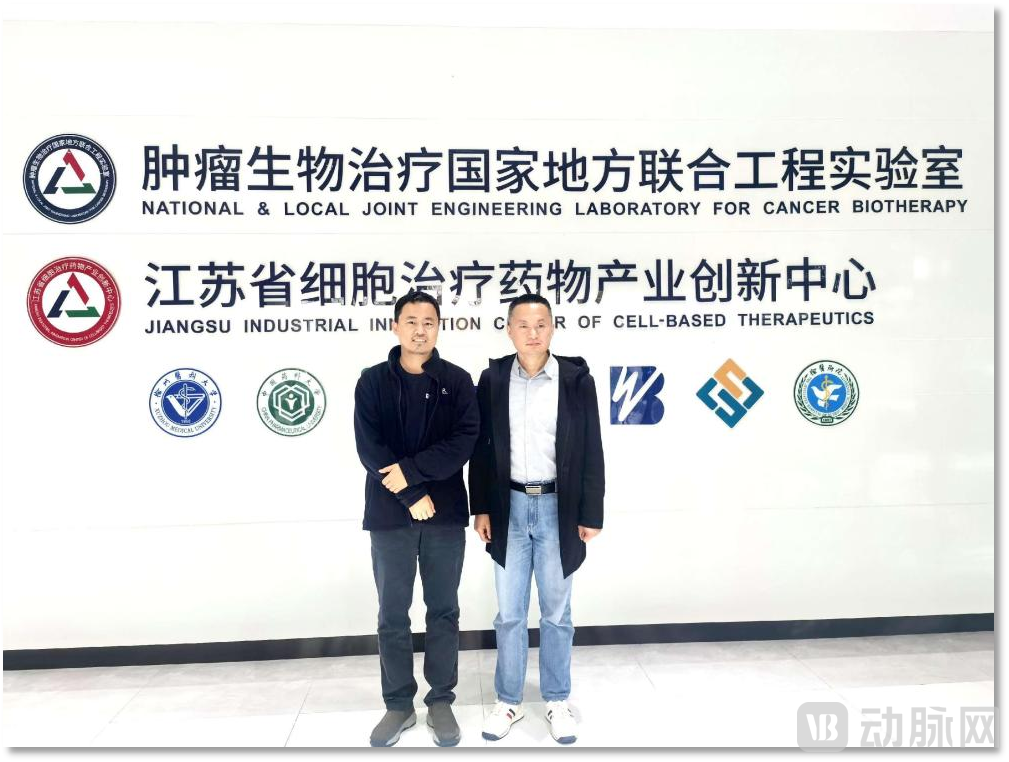
Kunstone Biotech and Juchuang Bio Forge Collaboration to Launch CAR-M Investigator-Initiated Trial Targeting Solid Tumors at the Affiliated Hospital of Xuzhou Medical University

Rock Roc Biotechnology
Macrophage Chimeric Antigen Receptor Therapy Developer
VCBeat learned that on December 8, 2022,ROC ROCK Biotechnology (Shenzhen) Co., Ltd.(hereinafter referred to as: ROC ROCK Biotechnology) andJiangsu Juechuang Biotechnology Research Institute Co., Ltd.Reach a cooperation agreement, will be inXuzhou Medical University Affiliated HospitalLaunchExploratory Clinical Study (IIT) of CAR-M Immunocyte Therapy Targeting Solid Tumors, providing full-cycle safety and preliminary efficacy evaluation for novel CAR-M immunocyte drugs.
In recent years, cancer treatment technology has advanced rapidly. For end-stage cancer patients, tumor immunotherapy has become a star treatment. Since the approval and market launch of Kymriah in August 2017 for leukemia and Yescarta in October 2017 for lymphoma treatment, CAR-T cell therapy has shown remarkable success in hematologic malignancies.
However, there are many problems to be solved in CAR-T treatment for solid tumors, such as the lack of specific targets, tumor heterogeneity, the tumor microenvironment, and poor tumor infiltration, which make the development of CAR-T products for solid tumor treatment face challenges. Not only that, the therapeutic effect of CAR-T cell therapy on solid tumors is also very limited. An important reason for its poor efficacy in treating solid tumors is: T cells have difficulty entering the tumor tissue microenvironment.
In the human immune system, there is also a type of "macrophage," which has shown remarkable potential in treating solid malignant tumors.Studies show that macrophages modified with specific CARs (CAR-M) can precisely target tumor cells while avoiding damage to healthy cells, and also enhance the phagocytic activity and antigen-presenting ability of macrophages against tumors.
Overall, using myeloid-derived macrophages as a cell therapy platform, macrophages can overcome various challenges of solid tumors—such as infiltration, immunosuppression in the tumor microenvironment, lymphocyte exclusion, and target antigen heterogeneity—due to their unique killing ability and capacity to penetrate tumors.
Furthermore, due to the physical barrier formed by the stroma around tumor cells, T cells cannot enter the tumor environment, andMacrophages, due to their unique killing and penetration capabilities, can infiltrate into the tumor environment.Macrophages modified through genetic engineering can even be activated and differentiated into pro-inflammatory M1-type macrophages. These cells not only target and phagocytose tumor cells but also play a significant role in tumor invasion, metastasis, immune suppression, and angiogenesis by secreting pro-inflammatory cytokines to alter the microenvironment around the tumor.
Not only that, but compared to CAR-T,CAR-M exhibits enhanced tumor-specific phagocytosis and clearance both in vivo and in vitro., and also has the function of antigen presentation, activating the killing effect of effector T cells on tumors. More importantly,CAR-M has a limited circulation time., compared with CAR-T,Non-tumor-targeted toxicity is smaller.。
On the other hand,IIT (Investigator-Initiated Trials) is a widely existing research form in the pharmaceutical industry both in China and internationally.Its main feature is that medical institutions take the lead in exploring new treatment methods for diseases or new clinical applications of drugs, which complements the clinical trials initiated by enterprises. This approach promotes the depth and breadth of drug research, generates more research data, provides evidence for evidence-based medicine, and also supports innovative drug development.
Jiangsu Juechuang Biotechnology Research Institute Co., Ltd.Relying on the construction and operation of Xuzhou Medical University and Jiangsu Cancer Biotherapy Research Institute, it is the only cell therapy drug research institute established by the Yangtze River Delta National Innovation Center for one city and three provinces. It aims to build a first-class tumor biotherapy technology platform in China that integrates R&D, transformation, and clinical application. With over 20 years of basic research and industrial exploration experience in the field of cell therapy, it has a relatively mature R&D and clinical transformation team system. It has independently developed multiple fully human CAR-T product pipelines and carried out several IITs.
Xuzhou Medical University Affiliated Hospital Has National Phase I Clinical Research Center, the Clinical Trial Ethics Committee of the hospital passed the SIDCER-FERCAP international ethics certification in 2015. The technical and management level of ethical review ranks among the most advanced in China, and it is the only ethics committee in the Huaihai Economic Zone that has passed the FERCAP certification. Currently, the hospital has carried out more than 40 clinical trials of CAR-T immunocyte therapy, making it one of the hospitals conducting the most CAR-T clinical trials in China.
ROC ROCK Biotechnology's CAR-M platform has demonstrated effective anti-tumor activity in preclinical solid tumor models. The strategic cooperation with Jiangsu Juechuang Biotechnology Research Institute Co., Ltd. is of great significance for accelerating the advancement of CAR-M-IIT clinical research trials. CAR-M immunocyte therapy has opened up a new avenue for the treatment of solid tumors, providing new options and hope for end-stage cancer patients who have failed multiple lines of treatment.