

Ruishenan Medical Advances Quietly with Multiple Neurostimulation Devices Approved and IPO Filing Submitted

Rishena Medical
Implantable Medical Device R&D and Production Manufacturer
Neuromodulation Technology as a Frontier Science Involving Medicine, Bioengineering, and Physics, with the Advancement of Research in Various Countries, Has Experienced Rapid Development Worldwide. The Application Scenarios of This Technology Have Expanded from Movement Disorders Such as Parkinson's Disease, Dystonia, and Essential Tremor to Mental Disorders Including Pain, Epilepsy, Obsessive-Compulsive Disorder, Anorexia, and Depression.
Facing a potentially huge market, many companies have successively joined the field of neuromodulation, which has also revealed broad development opportunities. According to Markets and Markets, the global neuromodulation market will grow from $5.8 billion in 2020 to $8.8 billion in 2025. However, the neuromodulation sector remains relatively low-key and discreet.
Rishena Medical (hereinafter referred to as "Rishena") is one of the earlier companies in China to enter this field. As early as 2010, Professor Wang Zhihua's team from Tsinghua University's Institute of Microelectronics collaborated with Beijing China-Japan Friendship Hospital to continuously conduct experimental research on implantable gastric electrical stimulators. Subsequently, Ms. Du Yuhui, the founder of Rishena, took over the transformation task of the project. After years of effort, the gastric electrical stimulator and vagus nerve stimulator products have developed commercially viable prototypes. In 2013, Rishena settled in the national-level development zone in Changzhou, Jiangsu, successfully achieving the transformation of industry, academia, and research.
Now, Rishena Medical has taken a step further, focusing on the field of active implantable neurostimulation. Using drug-resistant epilepsy as an entry point, it is expanding and laying out its approach to more disease treatment areas.Currently, several products developed by the company, including the implantable vagus nerve stimulator (VNS), single-use intracranial EEG electrode (SEEG), transcutaneous auricular vagus nerve stimulator (tVNS), and implantable spinal cord stimulator (SCS), have all been approved for marketing.
Rishena Medical focuses on important fields of brain science research such as epilepsy, pain, Parkinson's disease, depression, and Alzheimer's disease.
At the time of its establishment, the Rishena Medical team noticed that there were many epilepsy patients in China, often referred to as brain cancer, with a total of approximately 9 million cases. Among them, about 3 million are patients with drug-resistant epilepsy, mostly children and adolescents. These patients cannot control the progression of their condition through medication and can only opt for surgical treatment. There are mainly two types of surgical procedures: one is craniotomy resection for patients with clear lesions, which can significantly alleviate the condition. To more accurately locate the lesion, some patients also require the implantation of deep brain electrodes to better assist in the resection surgery. However, some patients have multiple lesions or lesions located in functional areas, making resection impossible. For these patients, neuro-modulation methods such as vagus nerve stimulation (VNS) implants are the last resort.
Based on the observation of clinical pain points, Rishena Medical independently developed the implantable Vagus Nerve Stimulator (VNS) and simultaneously researched and developed intracranial deep electrodes (SEEG). These two products received approval from the National Medical Products Administration (NMPA) in 2020 and 2021 respectively and have been marketed for sale. VNS and SEEG cover the majority of the population undergoing surgical treatment for epilepsy, providing a comprehensive solution for epilepsy treatment.
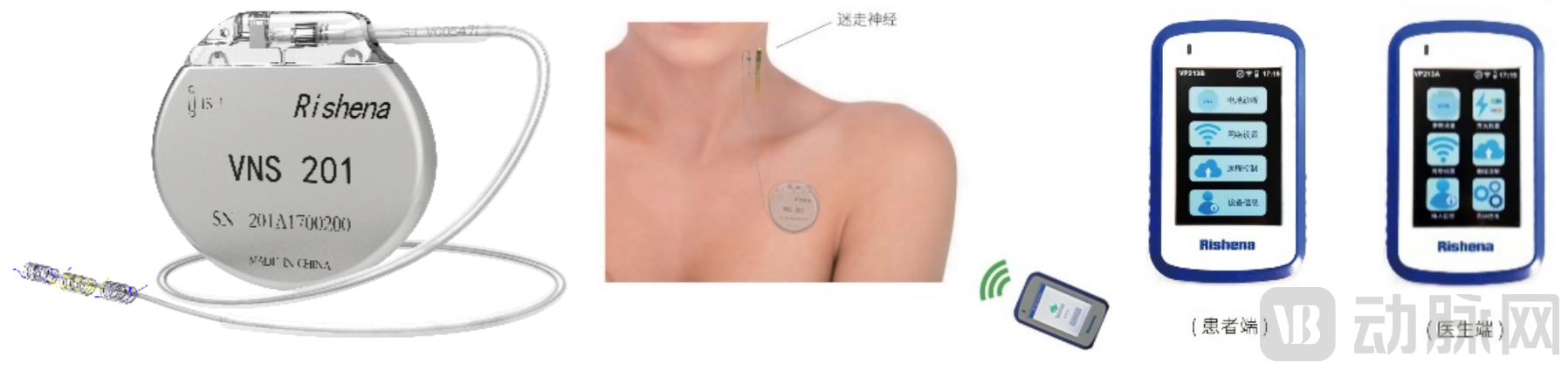
Implantable Vagus Nerve Stimulator System (VNS)
It is worth mentioning that Rishena Medical's VNS pioneered the remote control function.After completing the implant surgery, patients can receive remote adjustments from doctors at home, eliminating the need for frequent hospital visits. Meanwhile, to address the bottleneck issue of imported batteries, Rishena Medical has recently launched a VNS product with a built-in domestically produced fluorocarbon battery, marking another breakthrough in China's neuromodulation field. This VNS not only minimizes the financial burden on patients but also features a larger battery capacity, offering patients a better treatment experience.
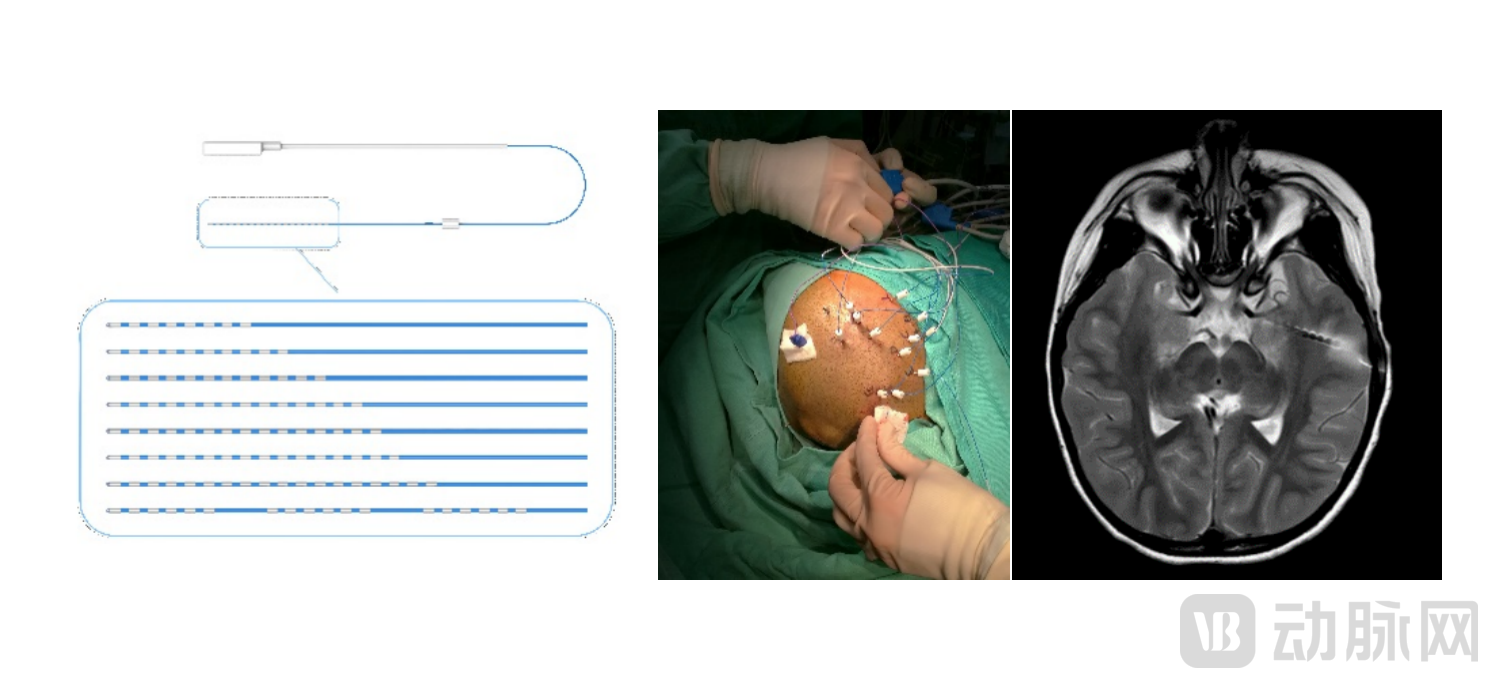
Single-Use Intracranial Electrode System
At the same time, Rishena Medical's SEEG also has unique innovation.Initially, clinicians approached Rishena Medical to seek the addition of temperature-controlled radiofrequency thermocoagulation functionality in SEEG electrodes for patients implanted with them. After repeated trials,Rishena Medical Successfully Developed SEEG Electrodes with Built-in Temperature SensorsClinical trials have been successfully conducted at Xuanwu Hospital of Capital Medical University, Chinese PLA General Hospital, Second Affiliated Hospital of Zhejiang University, Renji Hospital affiliated to Shanghai Jiao Tong University School of Medicine, Qilu Hospital of Shandong University, and other hospitals. The good effect of SEEG electrode temperature-controlled radiofrequency thermocoagulation has been verified. During treatment, radiofrequency thermocoagulation can be performed within the range of 65°C-85°C according to the patient's intracranial condition, ensuring the safety and effectiveness of thermocoagulation.
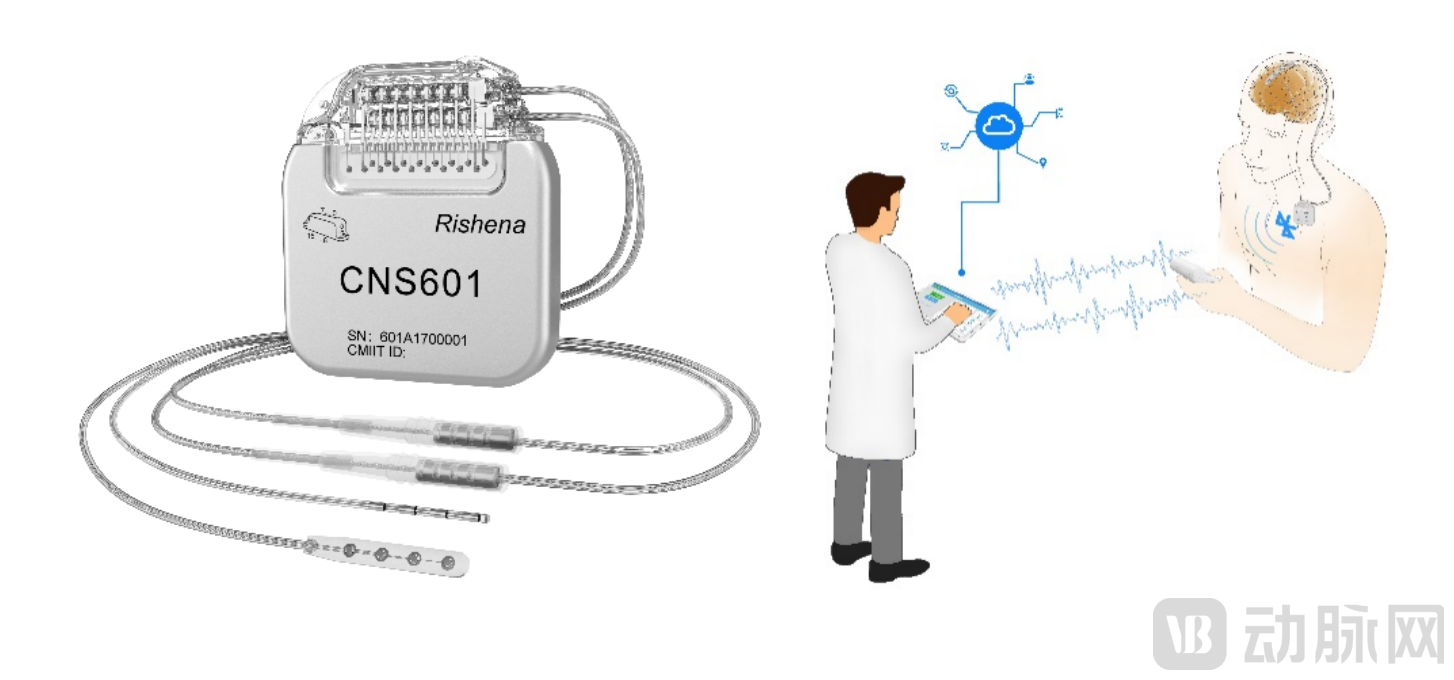
Closed-Loop Neurostimulator (CNS)
Not only that,Rishena Medical has also developed a new generation of implantable closed-loop neurostimulator (CNS) with both responsive neurostimulator (RNS) and deep brain stimulator (DBS) functions, providing a more comprehensive solution for epilepsy treatment.At the same time, this CNS can also be used for the treatment of Parkinson's disease, freezing of gait, and psychiatric disorders. The CNS has a total of 16 stimulation channels, 8 of which have signal acquisition capabilities, a feature that has also initiated research into the correlation between brain diseases and electrophysiology. By interpreting abnormal EEG signals in epilepsy patients, feedback stimulation can be provided to effectively suppress epileptic seizures; by analyzing the EEG characteristics of Parkinson’s disease patients, personalized adaptive parameters can be activated to avoid indiscriminate stimulation. Currently, Rishena Medical's CNS is conducting clinical trials on epilepsy, Parkinson’s disease, and Alzheimer’s disease, with the clinical trials expected to be completed by 2023, paving the way for registration application with the regulatory authorities.
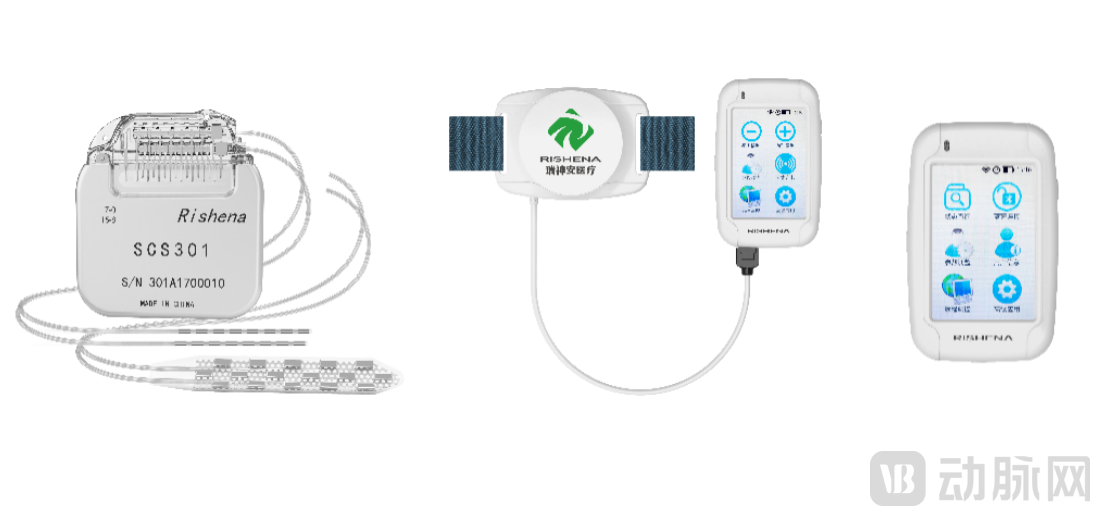
The implantable spinal cord stimulation system (SCS) is one of Rishena Medical's key products in the field of pain treatment, and the system is mainly used for treating chronic intractable pain.Rishena Medical, in 2016, led the acquisition of national key R&D program support for SCS. The SCS product integrates the strengths of multiple foreign SCS systems while incorporating innovative features such as dual-mode communication, remote control, combined programming and charging, ultra-high frequency stimulation, and dorsal root ganglion electrodes. These advancements give China-produced SCS products a late-mover advantage with the most advanced technology. Rishena Medical's SCS was launched in September 2022, breaking the long-term monopoly of imported products and marking another significant milestone for Rishena Medical in the field of neuromodulation.
Rishena Medical is always committed to providing comprehensive solutions for disease treatment, not just a single product.
According to Du Yuhui, diseases of the nervous system are mostly very complex, especially those within the brain, which are even more difficult to interpret and correct. The use of neuromodulation can precisely intervene in local neural functions, directly exerting a therapeutic effect. In addition to the well-known Parkinson's disease, epilepsy, and pain, clinicians are exploring more treatment areas, such as stroke rehabilitation, post-paralysis recovery, depression, obsessive-compulsive disorder, and Alzheimer's disease. In the future, humans may be able to uncover the precise operational programs of the nervous system, successfully intervening in or replacing damaged neural tissues to treat more diseases.
It is precisely based on this that the low-key Rishena Medical team has never stopped progressing since 2010. The company has built an industrial platform for active implantable medical devices, continuously integrating university and clinical resources. With more than a decade of R&D accumulation, it currently owns over a hundred patents.In addition to the research, development, and implementation of products related to epilepsy, pain, and Parkinson's disease, they are also continuously exploring new directions for industrialization.More products, such as implantable drug pumps and electrode robotic arms, are under development. These products not only fill the gap in China but also add more innovative devices to this industry.
Currently, China's medical device industry is still in a phase of rapid catch-up. The Rishena Medical team recognizes that without accumulation, there can be no innovation—only by steadily accumulating experience can they eventually reach the top of the pyramid. Ms. Du Yuhui stated that in the future, the Rishena Medical team will continue to collaborate extensively with universities and medical institutions, keep track of international industry trends and research progress, expand various indications for each product, and continuously provide Chinese patients with safe, effective, and affordable solutions.