

Domestic Biotech Pioneer Multitude Therapeutics Unveils Novel ADC Platform Overcoming DS-8201a/Trodelvy Resistance

Multitude Therapeutics
Innovative Drug Developer
Antibody-drug conjugate (ADC), from the proposal of this concept (Magic Bullet, Paul Ehrlich, 1913) to the successful launch of the first ADC drug (Mylotarg, Pfizer Inc., 2000), scientists spent nearly a century. After another decade of silence, ADC drugs began to gradually reveal their charm.
如今,越来越多的机构和企业投入到了ADC药物研发的领域,经过多个ADC技术和产品的迭代,Trodelvy和Enhertu(DS-8201a)的问世将可裂解连接子-喜树碱类的ADC药物推入了公众的视线,后者更是将ADC的“准入门槛”提升到了一个新的高度。尽管如此,(除了在少数肿瘤之外,比如Breast Cancer) These ADCs still show limited efficacy in the vast majority of cancer patients and almost always encounter both innate and acquired resistance, thus leaving significant room for improvement. A profound and accurate understanding of the resistance mechanisms of DS-8201a or Trodelvy has become highly necessary and urgent.
Recently, the research team of Puzhong Discovery Pharmaceutical Technology (Shanghai) Co., Ltd. (Multitude Therapeutics), a pharmaceutical company in China, published a research paper titled "Antibody-exatecan conjugates with a novel self-immolative moiety overcome resistance in colon and lung cancer" in Cancer Discovery, a top journal in the field of cancer research.
This study comprehensively reveals the resistance mechanisms of DS-8201a (and other DXd family ADCs) and TRODELVY, and based on this, designs and screens a novel class of ADCs—T moiety-exatecan ADC.
Compared with existing technologies, this new technology benefits from a better "hydrophobic shielding effect" and stability, significantly enhancing the therapeutic efficacy of ADC, prolonging the drug's duration of action, overcoming multidrug tumor resistance, and importantly, without increasing toxic side effects, further expanding the therapeutic window of current ADC drugs. T moiety-exatecan ADC is expected to become a representative of the next generation of ADCs in the "post-8021" era.
The research team selected Exatecan (Topoisomerase I inhibitor) as the payload and conducted a comparative study with two other toxins of the same type, DXd and SN-38. Through various mechanistic studies, it was confirmed that Exatecan has unique advantages as an anti-tumor payload, including strong killing ability, rapid action, and minimal impact from multidrug resistance mechanisms (MDR). Based on this payload, the research team developed a series of "T moiety" linkers and comprehensively evaluated them in terms of the physicochemical properties of ADCs and anti-tumor activity at the cellular level. T800-T1000 was identified as the preferred Exatecan linker, overcoming the challenge posed by Exatecan’s strong hydrophobicity, which prevents direct conjugation to antibodies, while also enhancing the bystander effect and tumor infiltration capabilities of the ADC.
Importantly, the study compared multiple hydrophilic modification chemistries of linkers (PEG, glycosidase, etc.) and sites (polypeptide or MC). Through screening, it was determined that modifications on the self-cleavable structure pAB, which is closest to the payload, were more effective in enhancing ADC stability and hydrophilicity than modifications at other sites. The modification chemistry of T800-T1000 also demonstrated advantages over classic hydrophilic modifications such as PEG and glycosidase.
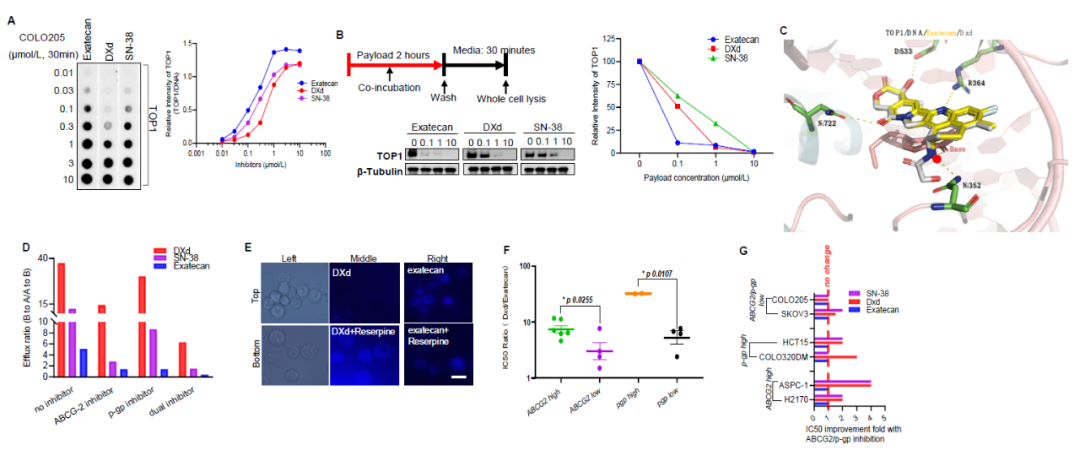
Figure 1. Exatecan/DXd/SN-38 Mechanism Study (Image Source: Reference 1)
The research team applied T1000 conjugation technology to further conduct "head-to-head" anti-tumor activity efficacy studies on multiple drug targets (HER2, TROP2, HER3, CDH6). The efficacy models included multiple different indications (Lung Cancer、Colorectal Cancer、Pancreatic Cancer, renal cancer, etc.), different model types (CDXs, PDXs, syngeneic mouse model), different MDR characteristics, and cover the expression levels of all research targets as well as the main types of cancer gene mutations. Through this comprehensive set of in vivo efficacy data in mice, it fully demonstrates that the "T moiety" technology has superior anti-tumor activity and broader applicability compared to the existing DXd/SN-38 conjugation technologies.
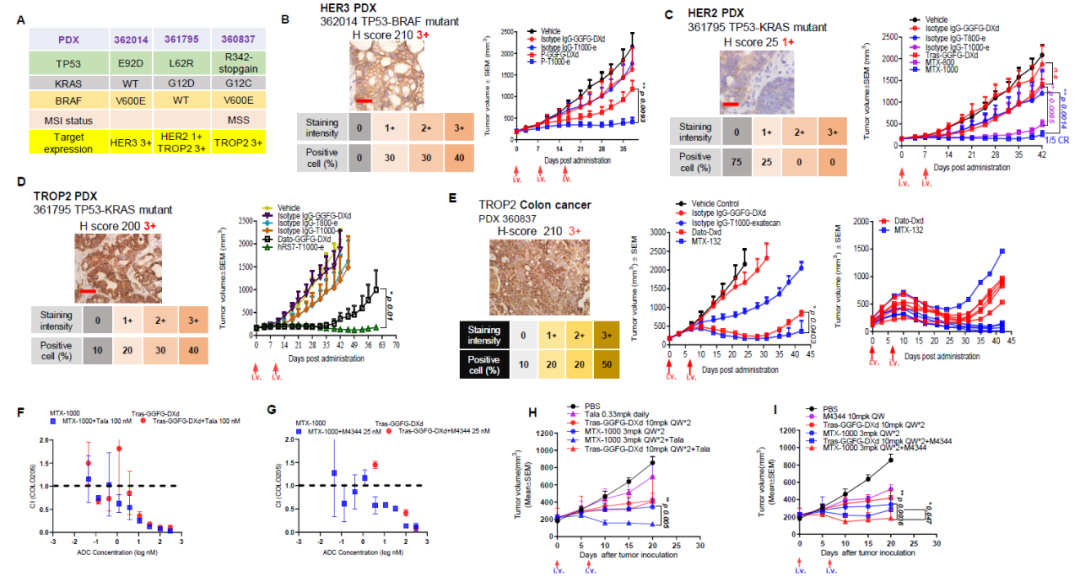
Figure 2. In vivo efficacy study (Image source: Reference 1)
In terms of drug safety, the research team conducted toxicology experiments on rats and cynomolgus monkeys, and performed myelosuppressive toxicity experiments at the in vitro cellular level. The experimental results demonstrated that although Exatecan, as a small-molecule drug, exhibits stronger anti-tumor activity than DXd/SN-38, its toxicity is also relatively higher. However, after being developed into an ADC drug as a payload using T1000 conjugation technology, the toxicity of the ADC drug was successfully controlled to a level comparable to that of DXd/SN-38 ADC drugs. Compared with DS-8201a and Trodelvy, the therapeutic window was improved several times over. Meanwhile, the T moiety chemistry showed characteristics of enhancing ADC stability and reducing toxicity.
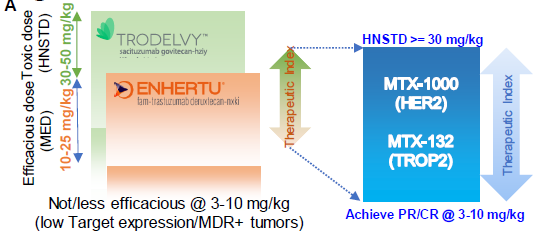
Figure 3. Comparison of Treatment Windows (Image Source: Reference 1)
Equally important, research data shows that T moiety-exatecan ADC has synergistic effects with other anti-tumor molecules, providing a basis for the clinical combination strategy of such ADCs. In colorectal cancer, the combination of T moiety-exatecan ADC and inhibitors of the DNA damage pathway demonstrates enhanced tumor suppression effects. When combined with PD-1, the T moiety-exatecan ADC MTX-1000 targeting HER2 exhibits a stronger synergistic effect compared to DS-8201a.
In addition to the unique advantages of the "T moiety" linker technology platform, as the first industrial research team in China to present original ADC new drug research results without clinical data on an internationally top-tier journal in the cancer field, they also benefited from the following research highlights and characteristics:
1. For the first time, a detailed and rigorous basic research on camptothecin toxin payloads and corresponding ADC drugs has been conducted, including the design concept of molecules, structural and mechanistic characteristics, physicochemical property studies of molecules, expanding to research on drug-resistant substrates and mechanisms, as well as in-depth pharmacodynamics and toxicity studies.
2. Through a large number of PDX model experiments and cutting-edge organoid technology, deepen and broaden the clinical translational research; through drug toxicity studies of different types, further predict the efficacy and safety of drugs.
3. T moiety chemistry has extensive expandability and application scenarios. T moiety chemistry can be considered as “click” chemistry, which can directly link classical peptide linkers with payload molecules of various mechanisms of action. Therefore, T moiety can be used to construct dual-payload ADC molecules, including cytotoxins of different mechanisms orImmunityAgonist.
Finally, the authors of the paper specifically pointed out that since ADC is an integration of biological and chemical components, it requires comprehensive design and validation of the entire system, including linker and payload chemistry, the overall molecular mechanism of action of ADC, biology, pharmacology, etc. It is hoped that the methodology of this study can provide a standard and reference for the ADC field, continuously enhancing the height and depth of ADC research.