

Global First! Zhongyin Tech Completes First Patient Dosing in Phase I/II Clinical Trial of ZVS101e Injection for Bietti’s Crystalline Dystrophy

CHIGENOVO
Clinical Genetic Diagnosis, Prevention, and Gene Therapy Drug Development for Hereditary Eye Diseases
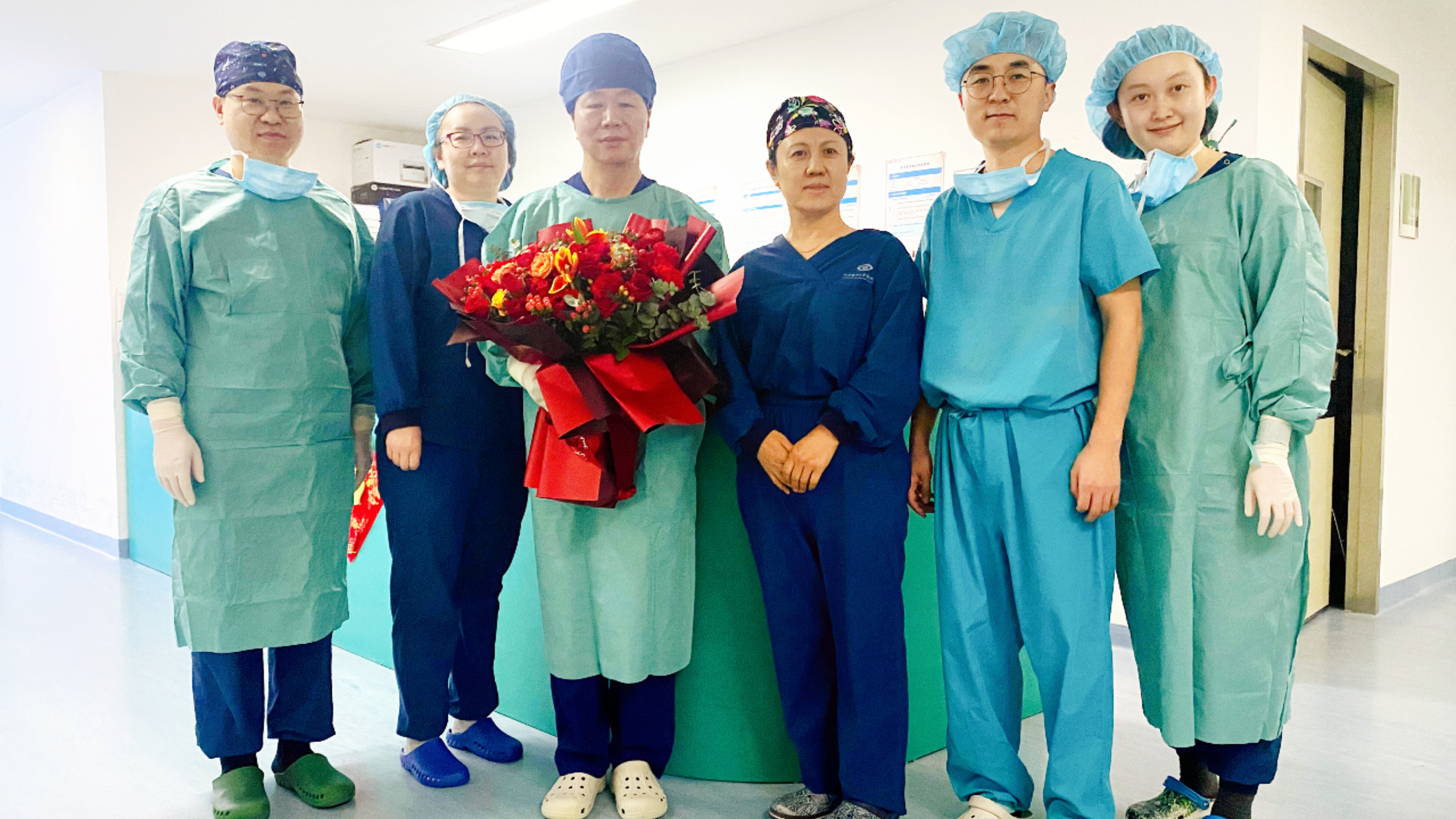
VCBeat learned that the Phase I/II clinical trial of ZVS101e injection, a gene replacement therapy drug developed by CHIGENOVO Co., Ltd., has successfully completed the enrollment and dosing of the first subject at the Tianjin Medical University Eye Hospital. This isThe world's first registrational gene therapy clinical trial for Bietti's Crystalline Dystrophy (BCD) has been initiated.
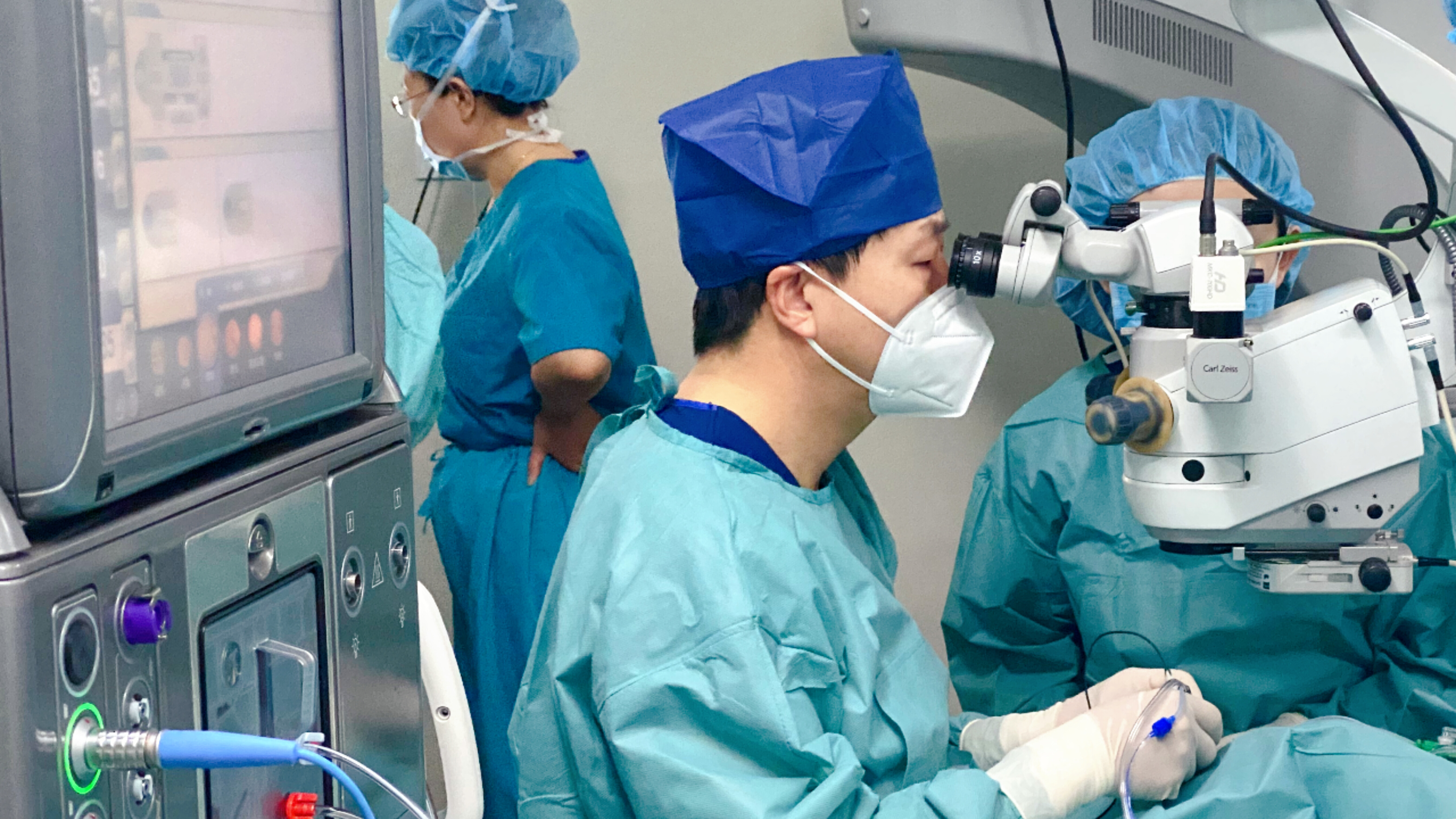
Before the patient was admitted to the hospital,Tianjin Medical University Eye Hospital, President Li Xiaorong's TeamThe patient underwent a detailed assessment, based on which a rigorous surgical design was carried out. The surgery, performed by President Li Xiaorong, involved subretinal drug delivery.
President Li Xiaorong stated: "Currently, there are no safe and effective drugs or surgeries available globally for BCD, and patients cannot avoid the outcome of blindness. Gene therapy, which addresses the root cause of the disease, holds tremendous therapeutic potential. The preliminary IIT study of ZVS101e has shown promising progress. As a clinician, I hope this injection can be launched as soon as possible to save patients' vision."
About CHIGENOVO
CHIGENOVO Co., Ltd. is a national high-tech enterprise specializing in genetic eye disease gene diagnosis and gene therapy drug development, committed to providing "one-stop" services for precise diagnosis and treatment for patients with hereditary eye diseases. CHIGENOVO has established a genetic eye disease database and large cohorts based on its diagnostic platform, summarizing the mutation spectrum of Chinese patients to provide therapeutic targets for drug research and development. On this basis, it develops drugs with independent intellectual property rights, including gene replacement therapy and gene editing therapy, striving to achieve a "from zero to one" breakthrough. Currently, the team has nearly 100 members and has established a complete drug development system, including target screening, basic research, animal experimental validation, stem cell validation, AAV virus research and production, clinical trial operations, and drug registration applications.
About Tianjin Medical University Eye Hospital
Tianjin Medical University Eye Hospital (formerly Tianjin Medical University Eye Center) was established in 1989. It is a Grade III, Class A ophthalmic specialty hospital integrating medical treatment, teaching, research, and training, funded by international benefactors. As the only affiliated eye hospital of Tianjin Medical University, it serves as the doctoral (and master's) degree-granting site for ophthalmology and optometry at Tianjin Medical University, as well as the postdoctoral research station for ophthalmology. The hospital is currently a National Drug Clinical Trial Institution and a National Medical Device Clinical Trial Institution. It is also home to the Fifth Phase Key Discipline of Tianjin, the Tianjin Primary and Secondary School Students' Vision Health Management Center, the Tianjin Key Laboratory, the Tianjin Biobank, the Tianjin Ophthalmology Quality Control Center, and the Tianjin International Science and Technology Cooperation Base.
About BCD
BCD is a special type of retinitis pigmentosa, with typical changes characterized by yellowish-white shiny crystalline material deposited on the retina. Clinically, it manifests as progressive vision loss and narrowing of the visual field. Patients typically become blind around the age of 40, and currently, there is no effective treatment available. China has approximately 60,000 to 100,000 BCD patients, making it one of the significant causes of irreversible bilateral blindness in the working-age population and a key focus of blindness prevention and treatment efforts. BCD is caused byCYP4V2Caused by gene mutations, inherited in an autosomal recessive manner, where gene mutations lead to the loss of function of the encoded protein, making it suitable for gene replacement therapy.
About ZVS101e
ZVS101e isCYP4V2Gene replacement therapy drug, containing a recombinant AAV serotype 8 vector (rAAV8-hCYP4V2) expressing human CYP4V2 protein. After subretinal administration of ZVS101e injection, it can efficiently infect the RPE cells of the retina and specifically express CYP4V2 protein in RPE cells, compensating for the loss of protein function caused by gene mutations, thereby effectively restoring retinal function in BCD patients. This replacement therapy drug will be applicable to all carriers.CYP4V2BCD patients with gene mutations.