

Xinling Med Completes China's First Animal Implantation of Domestically Developed Polymeric Surgical Heart Valve

HearHill
Cardiovascular Innovation Product Developer
Recently,China Successfully Completes the First Formal Animal Experiment of a Domestically Produced Polymer Surgical Valve: The Experimental Product is HearHill's Self-Developed Polymer Aortic Surgical Valve (PoliaValve)。
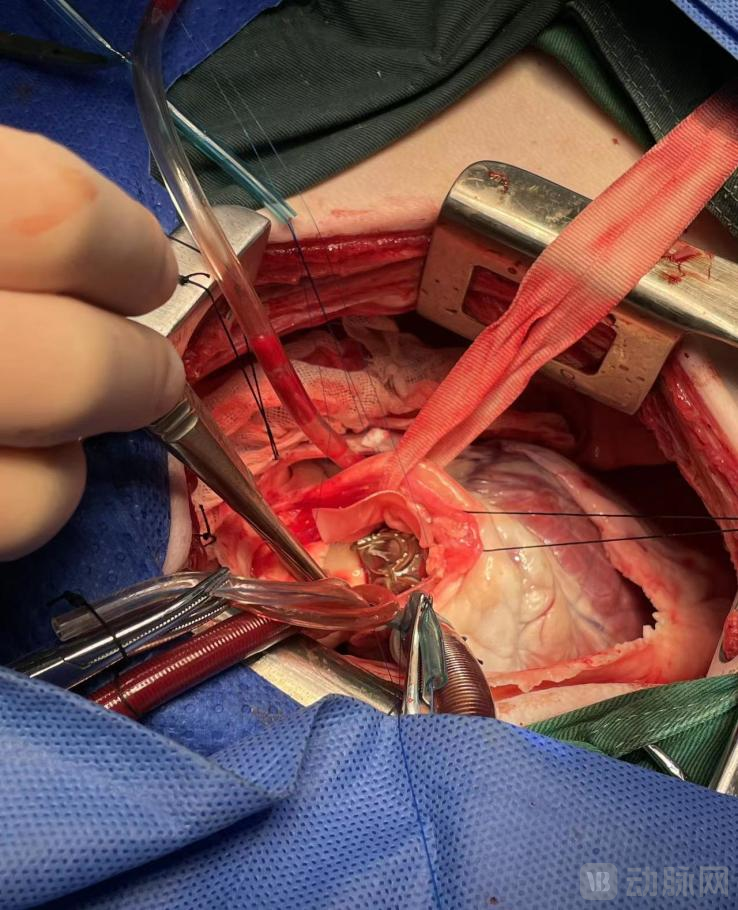
The successful implementation of this surgery means that HearHill'sChina-produced polymer surgical valves take a big step forward, stepping into the first tier of the global heart valve field.。
Just as Tesla is pursuing more efficient new energy sources and OpenAI is exploring more advanced artificial intelligence, companies in the heart valve field such as HearHill are also constantly seeking more ideal new materials for artificial valves.
Traditional artificial heart valves can be divided into mechanical valves and biological valves according to the manufacturing materials. The main material of mechanical valves is pyrolytic carbon, which has good wear resistance and a service life of over 50 years. However, pyrolytic carbon has poor blood compatibility and is prone to adverse events such as thromboembolism, requiring patients to take anticoagulant drugs for life after surgery. Moreover, taking anticoagulant drugs for life is similar to chronic disease management, presenting significant challenges, and these drugs also have certain side effects.
To address the pain points of mechanical valves, researchers have developed bioprosthetic valves using porcine or bovine pericardium, which have better blood and tissue compatibility, reducing the anticoagulation therapy duration to 3-6 months. Based on this advantage,The usage rate of bioprosthetic valves in developed countries in Europe and America has exceeded 70%, gradually replacing mechanical valves.。
However, the service life of biological valves is only 10-15 years. As valvular disease is becoming more prevalent in younger populations and the average human lifespan is gradually increasing, they will increasingly struggle to meet our clinical needs. Additionally, some patients may experience valve tissue calcification shortly after valve replacement, leading to valve degeneration.
It is worth mentioning that, despite being used for over 50 years, mechanical and bioprosthetic heart valves have seen no significant breakthroughs in the past three decades after the initial ten years of rapid development. The 10-year mortality rate for valve replacement remains as high as 30%-55%.。
Faced with this dilemma, breakthroughs in materials science have brought new hope to the field of heart valves. Some emergingPolymeric materials haveAnti-calcification, Anti-coagulation,Excellent mechanical properties,With characteristics such as long service life, high biocompatibility, and ease of cutting and processing, it is considered by the industry to be an ideal material for the new generation of artificial heart valves. Polymeric valves are also regarded as the next generation of heart valves.。
Internationally, Foldax is a pioneer in the polymer valve field and the fastest-progressing company globally in this domain. Its published research data shows that polymer valves have a longer service life than traditional biological valves, lasting up to 25 years. They also provide a larger effective opening area compared to traditional valves, establishing hemodynamic performance similar to human heart valves.
As of now, Foldax's Tria polymer surgical aortic valve has entered the human clinical trial phase and achieved positive clinical outcomes: one year after Tria implantation, patients showed significant improvements in transvalvular pressure gradient, effective orifice area (EOA), and cardiac function, with no need for long-term anticoagulant medication.
Based on its clinically advantageous polymer valve product, Foldax has been rated by many authoritative institutions as a disruptive technological innovation enterprise, and it has received double favor from investment institutions and the market.
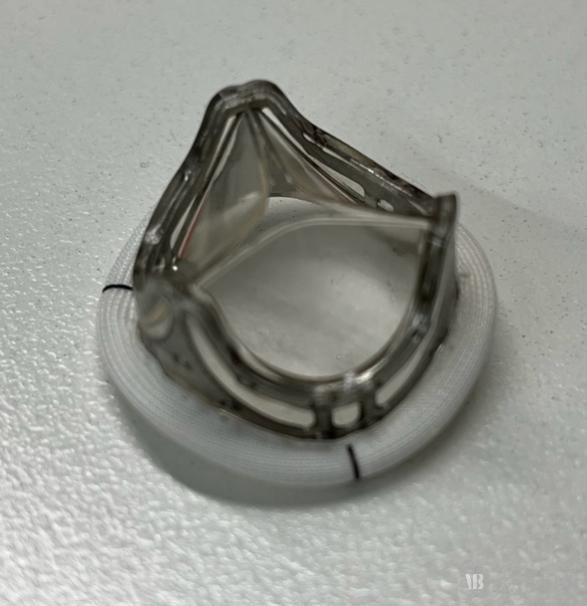
(HearHill's Polymeric Aortic Surgical Valve PoliaValve)
The technical threshold for polymer valves is extremely high.
So far, only a few companies in the world have mastered the core technology of polymer valves. According to reports, the HearHill polymer material platform is led by several PhDs in materials science, and based on their professional knowledge and extensive experience in the medical field, they quickly developed an integrated polymer surgical valve.
After multiple rounds of design iteration and thorough design verification, HearHill's polymer surgical heart valve demonstrates fluid dynamics and fatigue resistance performance no less than that of biological valves, as well as anti-calcification properties far superior to those of biological valves. For instance, in a 90-day subcutaneous calcification test on mice, the number of calcification crystals in HearHill’s polymer aortic surgical valve was one-third that of common biological valves.
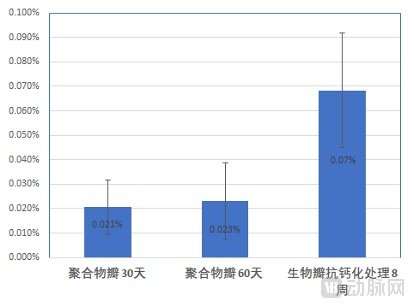
Now, HearHill's polymeric aortic surgical valve (PoliaValve) has completed the first official animal experiment in China, taking the lead. The experimental results show:After PoliaValve implantation, the effective orifice area (EOA), transvalvular pressure gradient, and other indicators are not inferior to those of traditional bioprosthetic valves.。
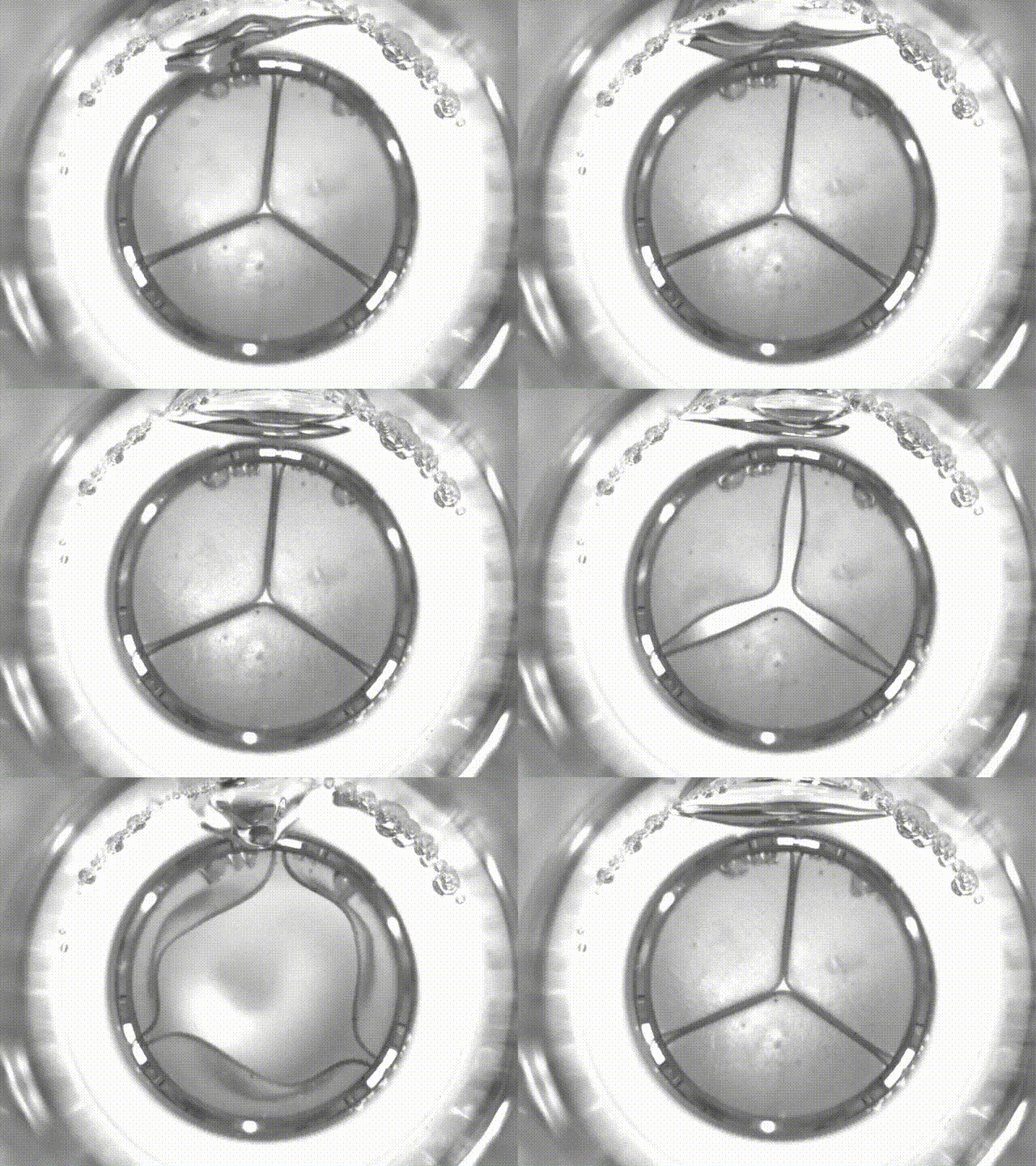
(Polymeric Valve Pulsatile Flow Imaging)
In addition, HearHill isThe First in China to Adopt Robot-Automated Production of Polymeric Heart ValvesEnterprises. Among them, the processes of valve material dip molding, drying, and thickness measurement are all completed by robots. Compared with manual operations, robots can achieve intelligent, high-precision, high-quality, large-scale applications, reduce costs, and eliminate the uncontrollability of manual production.
(High-Polymer Valve Robot Production Video)
In the field of structural heart disease, China's bioprosthetic tissue anti-calcification technology still needs to catch up with overseas leading technologies. HearHill's application of self-developed innovative polymer materials is expected to achieve leapfrog rapid development in this field in China. HearHill's polymer surgical valve serves as a validation platform for material synthesis and processing technology. After full verification, the polymer aortic transcatheter valve will also enter the development and design stage.
As a hard-core technology company driving China's cardiovascular disease solutions to a globally leading level, HearHill is committed to deploying cutting-edge international technologies and building an innovative cardiovascular platform centered on life support. To date, all three of its self-developed percutaneous ventricular assist devices (pVAD) have obtained type inspection reports and are about to enter formal clinical trials in the near future. Relying on patented core technologies with diameters of 6mm and 4mm....6mm brushless air cup motor platform, HearHill has become the leading domestic interventional ventricular assist device (pVAD) company with the most type inspection reports, and its core product was once implanted in large animals for operation.0For more than a day, it holds the record for the longest in-vivo animal testing among similar products in China.