

HDtsing's chitosan: a rising star in regenerative aesthetics

Huadong Medicine
Large Comprehensive Pharmaceutical Product Developer
The competition in regenerative aesthetic materials is heating up.
The regenerative anti-aging segment is the fastest-growing category within the medical aesthetic injectable market, according to Frost & Sullivan and Yuanda Information Consulting. In 2023, the market size for regenerative anti-aging materials in China reached approximately RMB 4.05 billion and is projected to exceed RMB 20.4 billion by 2028, expanding at a compound annual growth rate (CAGR) of 38.2%.
Amidst this rapid market expansion, the industry continues its quest for regenerative aesthetic materials that offer superior efficacy and can be tailored to individual needs. Recently, a material called chitosan has garnered significant attention. This surge in interest follows Huadong Medicine's announcement of enrolling the first subject in its Chinese clinical trial for a novel hydrogel booster based on carboxymethyl chitosan. Concurrently, the South Korean medical aesthetics and biomaterials company Medifab secured tens of millions of US dollars in funding to advance clinical trials and regulatory approval for its own chitosan-based hydrogel booster.
So, what makes this material so special? The reasons lie in chitosan's distinctive properties.
Anti-inflammatory and Anti-oxidant Properties
Like most regenerative medical aesthetic materials, chitosan boasts excellent biocompatibility. However, its key advantages lie in three distinct areas: hydration, anti-oxidation, and anti-inflammation, which set it apart.
1. Moisturizing and Restorative Properties
Skin hydration is a foundational need for aesthetic patients. Research indicates that as a natural polysaccharide polymer, chitosan's moisturizing efficacy surpasses that of collagen in both low and high humidity environments. Furthermore, with a degree of carboxymethylation exceeding 0.8 and a molecular weight greater than 2.4 x 10⁵, chitosan demonstrates superior hydration capacity even compared to hyaluronic acid, thereby enhancing skin moisturization. Additionally, when chitosan is introduced into fine skin fissures, it can interact with ceramides in the epidermal lipid barrier layer. This mechanism enables the material to repair the skin barrier and accelerate wound healing.
2. Neutralizing Free Radicals and Enhancing Antioxidant Capacity
In recent years, the demand for skin antioxidant care among aesthetic consumers has become increasingly evident. This stems from the fact that excess free radicals generated during skin oxidation not only lead to pigmentation, dullness, and fine lines but also compromise the skin barrier, impairing its innate antioxidant defense system. (Note: While skin possesses its own antioxidant system, external stressors such as UV exposure, pollution, and sleep deprivation can cause free radicals to exceed normal levels, overwhelming the skin’s natural capacity to counteract them.)
Chitosan, on one hand, utilizes the unique -NH₂ groups in its molecular structure to neutralize excess free radicals in the skin, providing an antioxidant effect. On the other hand, it enhances the skin's immune function, thereby boosting its intrinsic antioxidant capacity. Simultaneously, to address dullness caused by oxidation, chitosan both inhibits the activity of melanin-producing enzymes—reducing melanin generation triggered by factors like metabolic imbalance—and interacts with the epidermal lipid barrier layer. This interaction helps block or mitigate damage from UV rays and pathogens, thereby preventing melanin deposition.
3. Suppressing Inflammation to Delay Skin Aging
Meanwhile, a growing body of research indicates that aging is closely linked to chronic inflammation and the macrophage immune microenvironment. Polarization of macrophages towards the M1 phenotype can induce the secretion of chronic inflammatory factors such as IL-6 and TNF-α, exacerbating cellular senescence. In contrast, polarization towards the M2 phenotype promotes the secretion of repair-focused growth factors like IL-10 and VEGF, accelerating cellular and tissue regeneration and repair.
Consequently, experts suggest that screening for superior tissue regeneration materials can be based on a material's ability to regulate M1/M2 macrophage activity in vivo. Therefore, modulating the immune microenvironment and chronic inflammation represents a key developmental direction for regenerative materials aimed at delaying skin aging. Chitosan demonstrates this capability by significantly suppressing the secretion of pro-inflammatory cytokines like IL-6 and TNF-α, hereby helping to soothe inflammation triggered by various factors and, to some extent, to decelerate the aging process.
In summary, the properties of chitosan—including moisturization, repair, anti-inflammatory, and antioxidant effects—not only secure its place in foundational aesthetic applications like hydration and restorative care but also equip it with the potential and credibility to venture into advanced markets targeting antioxidant and anti-aging benefits.
Furthermore, the tunable performance of chitosan derivatives and their ability to function across different skin layers during degradation enable companies to build diversified product portfolios. This versatility helps firms establish a strong competitive moat in both product offerings and commercial development.
As a result, chitosan is gaining traction as a focus material for an increasing number of industry players. Among them is HDtsing, which has already invested in the R&D and application of chitosan.
Regenerative Materials Expert With 20+ Years of Expertise Steps Into the Arena
HDtsing is a company dedicated to regenerative aesthetics under Beijing Datsing Bio-Tech. Leveraging over two decades of Datsing Bio-Tech's technological expertise and industrial experience in regenerative medical materials, HDtsing has established a comprehensive platform for the preparation and application of chitosan and its derivatives, offering customized raw materials and product development services to its clients.
In the preparation of chitosan-based raw materials, HDtsing possesses three core advantages:
Precision and Consistency: By strictly controlling the degree of deacetylation and the substitution levels of various functional groups, HDtsing ensures the precise and stable efficacy of its raw materials.
High Purity Standards: According to Mr. Dai Jinming, CEO of HDtsing, industry standards for residual foreign proteins in chitosan are typically ≤0.2%, and for endotoxins <0.5 EU/mg. HDtsing's chitosan, however, achieves a residual foreign protein level of <0.03% and an endotoxin level of <0.015 EU/mg, meeting the stringent requirements for injectable-grade aesthetic materials. This makes its purity standards a leader in China.
International Quality Certification: The company's chitosan raw material production line received EU ISO certification in 2024, ensuring robust quality and production capacity support for both domestic and international aesthetic markets.
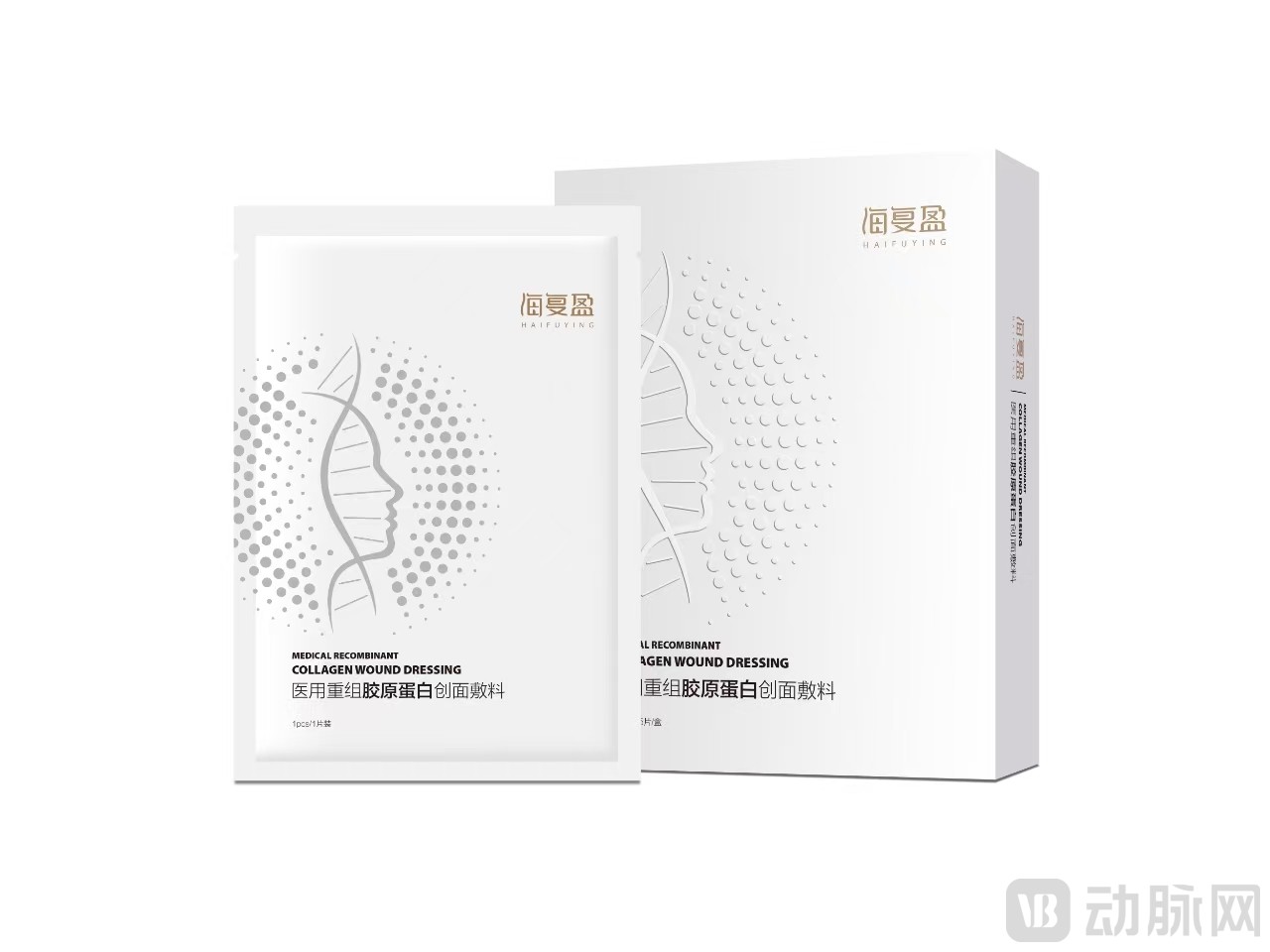
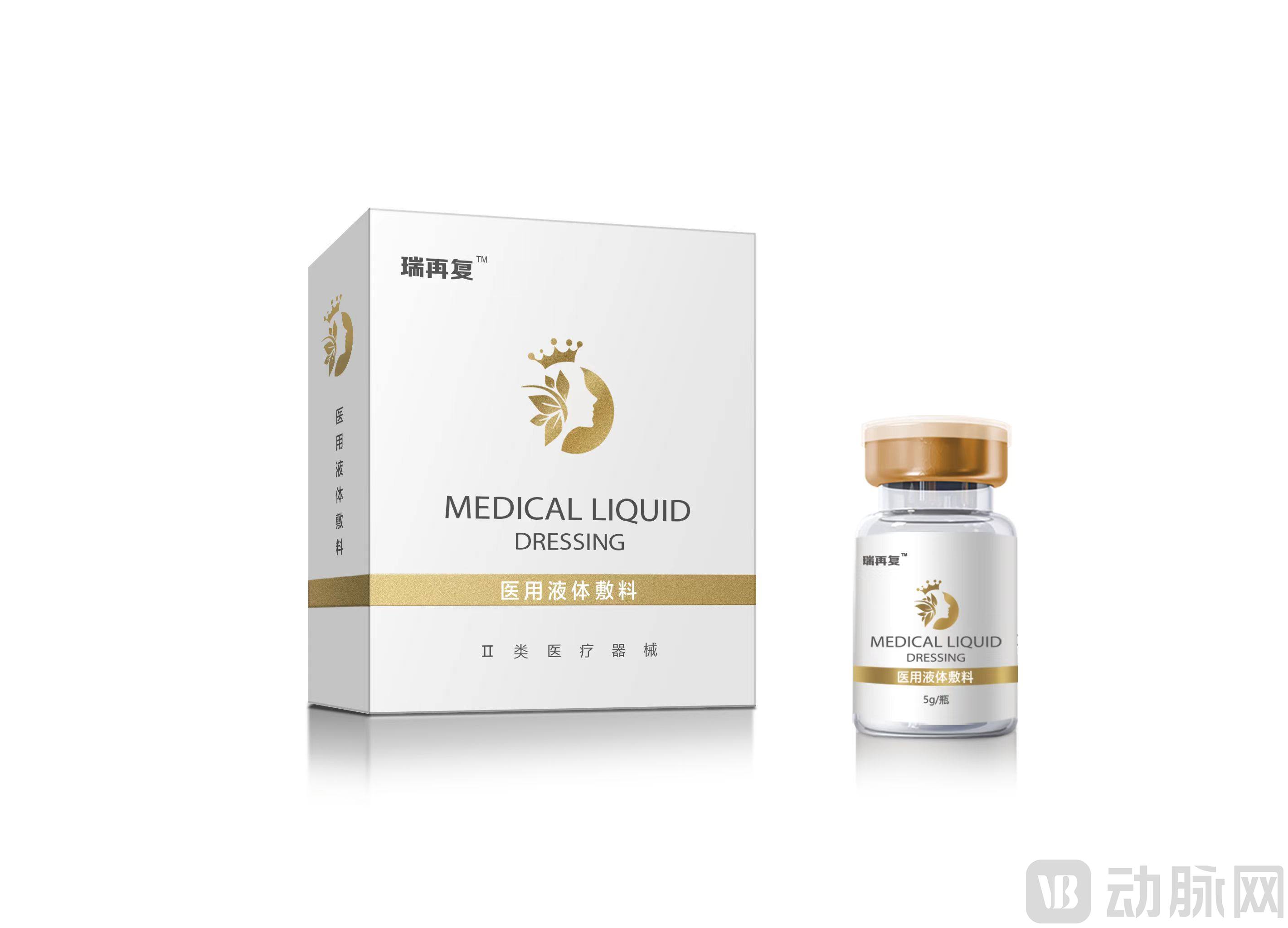
Beyond raw material preparation, HDtsing is also advancing its portfolio of Class II and Class III medical device products for aesthetics. For Class II devices, it has launched chitosan-based soluble film and lyophilized powder dressings, as well as composite liquid dressings combining chitosan with hyaluronic acid or recombinant collagen. For Class III devices, the company has initiated clinical enrollment for its first chitosan-based composite hydrogel product, with plans to submit for Class III medical device registration in 2026.
While advancing its chitosan and derivative product lines, HDtsing has also expanded its business layout to include acellular extracellular matrix materials. CEO Dai Jinming emphasized that the company will continue to build upon both chitosan derivatives and acellular matrix materials to pioneer the research and practical application of regenerative materials capable of modulating the skin's immune microenvironment—specifically macrophage M1/M2 polarization—within the medical aesthetics field.
Driven by HDtsing and other industry leaders, the arrival of a new era in regenerative aesthetics, powered by chitosan, appears to be on the horizon—a development well worth watching.