

China's First mRNA Tumor Neoantigen Vaccine Receives CDE IND Acceptance, Showcasing the Power of AI+RNA Drug Development
NeoCura
RNA Innovative Drug Developer
On March 4, 2023, the Investigational New Drug (IND) application for China's first mRNA tumor neoantigen vaccine was accepted by the Center for Drug Evaluation (CDE) of the National Medical Products Administration.
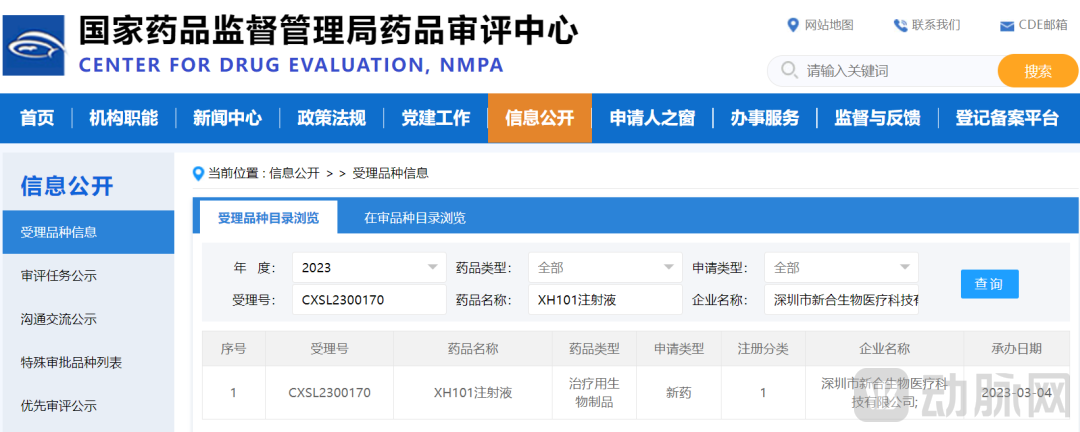
NeoCura XH101 Injection IND Application Acceptance Information
The vaccine, named "XH101 Injection," is developed by NeoCura Bio-Medical Technology Co., Ltd.(hereinafter referred to as: NeoCura)A globally pioneering (First in Class) therapeutic mRNA tumor vaccine independently developed by NeoCura, targeting public neoantigens in gastric cancer.Current preclinical study data show that XH101 injection can effectively stimulate T-cell immune response and tumor cell killing effect in patients, demonstrating significant clinical treatment potential.
Compared with traditional drugs, this vaccine has stronger immunogenicity and can induce the body's natural immune response. It not only shortens the vaccine preparation cycle and reduces the treatment cost for patients, but also generates long-lasting immune memory in patients, providing possibilities for preventing tumor recurrence and metastasis. Meanwhile, XH101 injection can also effectively suppress advanced and metastatic tumors.
NeoCura Reaches a Significant Milestone Today, Driven by Its Top-Tier R&D Team's Continuous Efforts in the "AI+RNA" Field. The team has independently built an AI technology platform covering the entire process from data analysis, target discovery, drug design to validation and screening, playing a crucial role in every aspect of RNA drug development and accelerating the progress of pipeline research.
AI Empowering Drug Development Is No Longer a Novelty in China, but According to VCBeat Statistics, Among the Over a Hundred AI Innovative Pharmaceutical Companies in China, Less Than One-Third Apply AI Technology to Biopharmaceutical R&D, and Companies Directly Focusing on "AI+RNA" Drugs Are Few and Far Between.
In fact, compared with the abundant databases available for chemical drug development, the databases and data volume available for biopharmaceutical development are very limited. Especially for companies like NeoCura, which focus on niche tracks of single biologics, enterprises not only need to build AI algorithms and databases but also need to establish corresponding validation platforms to verify and optimize the data within the database.
Since it is so challenging, setting aside market factors for biologics, why does NeoCura persist in developing AI technology for application in the RNA innovative drug field? Dr. Wang Yi, co-founder and CEO of NeoCura, shared: If algorithms can automate the process from early target discovery to drug design—identifying the target protein, optimizing the protein, and then automatically optimizing its RNA sequence—it would significantly reduce R&D costs and shorten the development cycle.
Therefore, Dr. Wang Yi has built a core research team of more than a hundred members, including dozens of PhDs and postdocs from top universities such as Harvard, Cambridge, Cornell, Peking University, Tsinghua University, and the Chinese Academy of Sciences. The team covers a wide range of interdisciplinary talents in fields such as omics testing, AI algorithms, bioinformatics, chemistry, delivery systems, tumor immunology, and vaccine development.
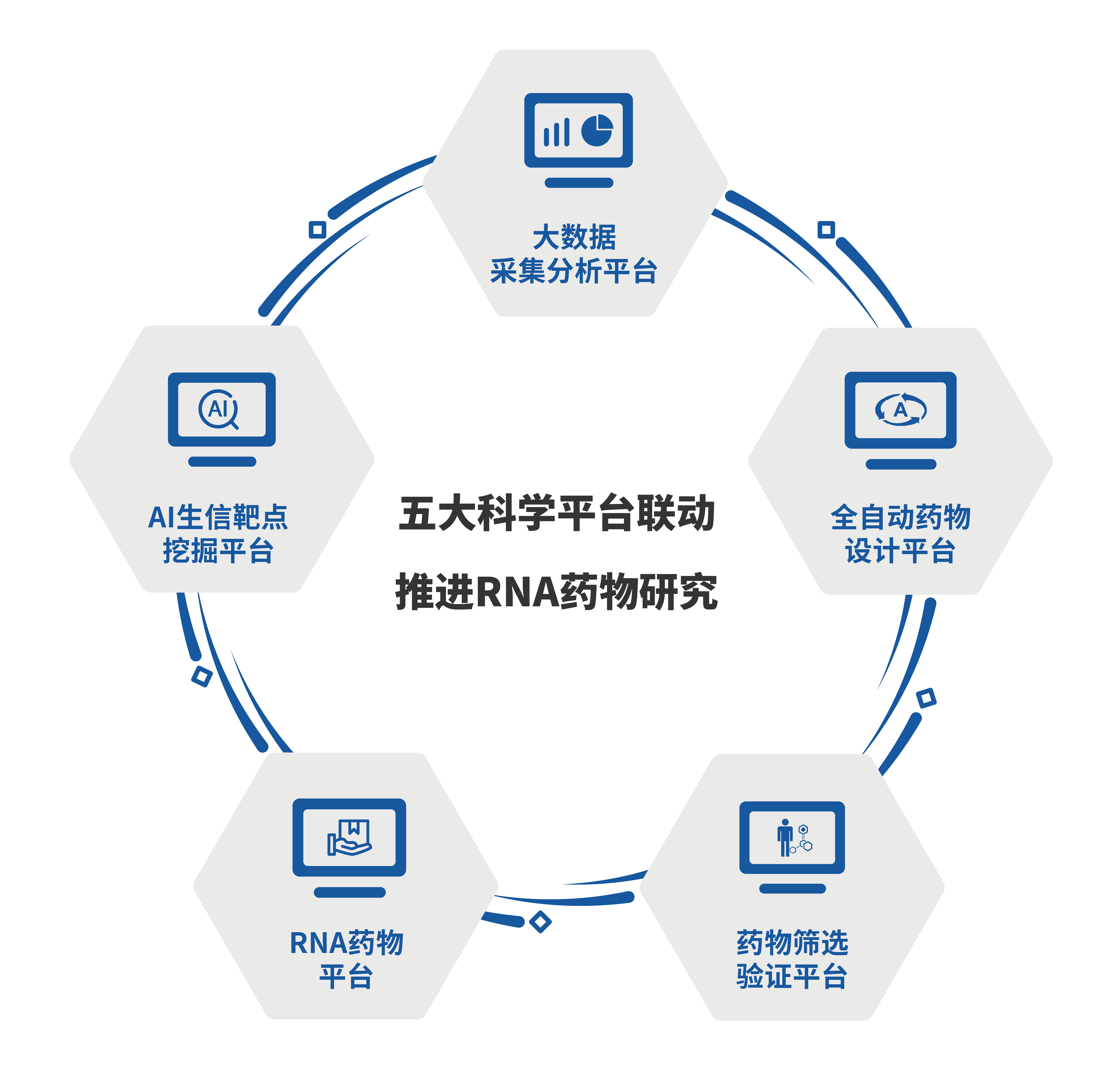
NeoCura's Five Major Scientific Platforms
Under the division of labor and cooperation of the team,NeoCura Independently Develops a Technology Platform Covering the Entire RNA R&D Process: Big Data Collection and Analysis Platform, AI Bioinformatics Target Mining Platform, RNA Drug Platform, Fully Automatic Drug Design Platform, and Drug Screening and Validation Platform, aiming to advance RNA drug research and development through AI algorithms + real-world data validation.
Neoantigens arise from specific mutations during the growth of cancer cells, but not all mutations can serve as effective targets.High-quality targets not only need to appear on the surface of tumor cells but also must be able to stimulate a sufficiently strong immune system response in patients. However, in reality, only a small number of mutations are presented on the surface of tumor cells to become neoantigens.
The novel antigen in XH101 injection is a sequence of public tumor neoantigen with strong immunogenicity and broad coverage, which was screened by NeoCura researchers through whole-set sequencing of a large number of gastric cancer patient samples. The algorithm combined with the sequencing results was used to predict and select high-quality targets, and then the algorithm was applied to verify these targets.This key technology for neoantigen prediction is also the ace technology of NeoCura: the NeoCura AI ALPINE tumor neoantigen prediction system.
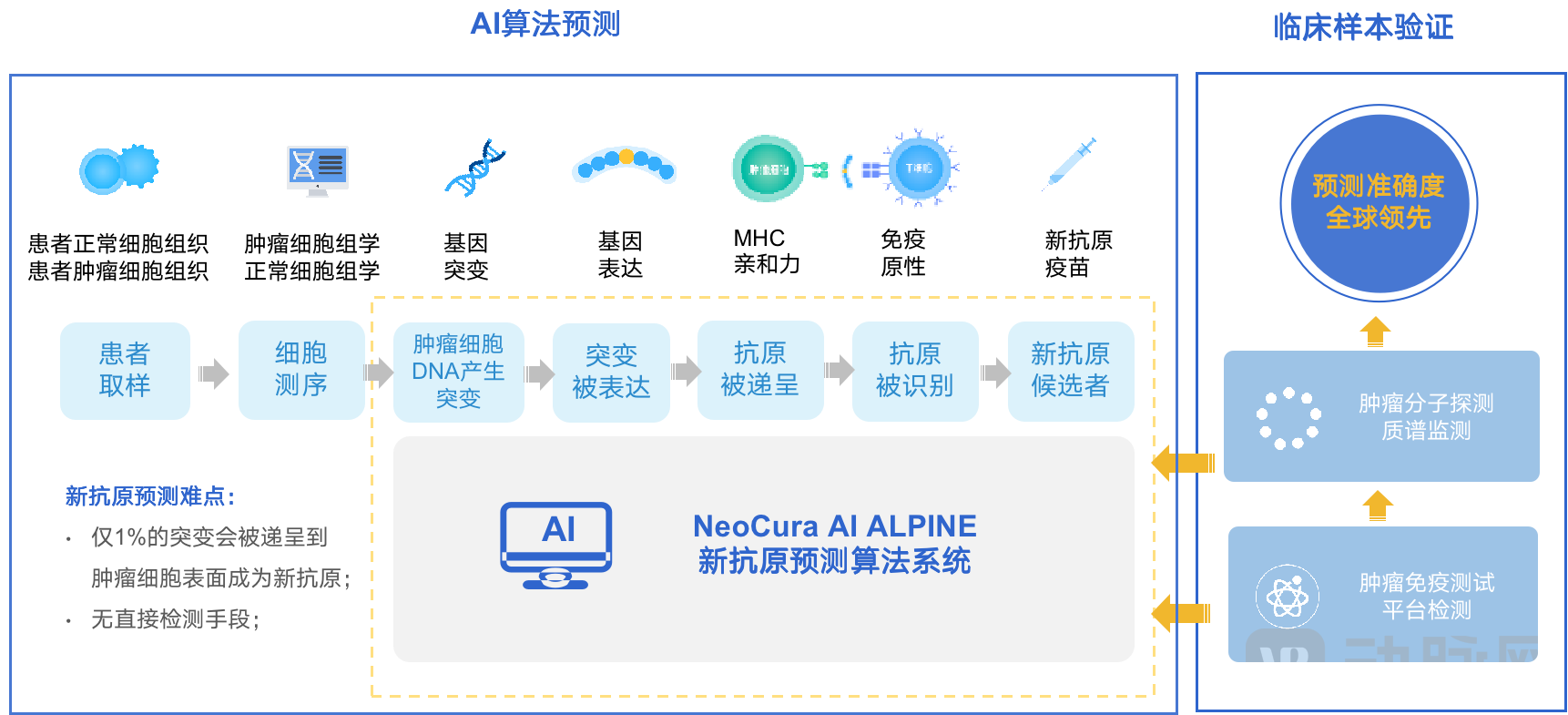
NeoCura Tumor Neoantigen Prediction System
After performing high-throughput sequencing alignment on the sequences of tumor cells and normal cells, in order to accurately screen out usable high-quality neoantigens from numerous complex mutation sequences and expression profiles, AI technology and bioinformatics algorithms still require the support of large-scale standardized databases. However, there are not many public neoantigen databases globally, and achieving antigen prediction still necessitates independent data collection. To this end, NeoCura has reached cooperation with multiple scientific research institutes and key medical institutions in China, gaining access to abundant sample collection channels.Currently, NeoCura has collected a large amount of data on high-frequency cancer types in Asia and discovered multiple widely covered public neoantigens.
Based on the company's continuous efforts in database construction and AI algorithm development,Currently, the NeoCura AI ALPINE system has increased the accuracy of neoantigen prediction to over 75%, surpassing the published international data by a large margin.The NeoCura AI ALPINE system has become the foundational technology for NeoCura in developing neoantigen vaccines and is one of the key technologies that distinguish it from other AI pharmaceutical companies.
With the strong support of the NeoCura AI ALPINE system, NeoCura has identified mRNA tumor vaccines as its main research and development direction, launching the mRNA tumor neoantigen vaccine pipeline NeoCura Ag. This includes the "off-the-shelf" public neoantigen tumor vaccine NeoCura Ag-COM and the "customized" personalized neoantigen tumor vaccine NeoCura Ag-IND.Both types of vaccines exhibited characteristics of low toxicity, the ability to stimulate specific immune responses, and the capacity to generate long-term immune memory. Moreover, they can produce a "1+1>2" therapeutic effect through combination therapy.
Currently, tumor vaccines available in the market can be divided into mRNA vaccines, DNA vaccines, polypeptide vaccines, and cell carrier vaccines based on differences in technical approaches. Compared with other tumor vaccines, the advantages of mRNA vaccines are mainly reflectedNow with strong immunogenicity, short R&D and production cycles, and good safety.and other aspects.
mRNA neoantigen vaccines do not require additional immunological adjuvants, avoiding the risk of adverse reactions caused by adjuvants. Additionally, XH101 injection not only targets CD8+These cytotoxic T cells have a very strong activation capability, can also activate memory immune responses, and promote the clearance and long-term control of tumor cells.
In addition, traditional vaccines generally require more than 8 years of R&D cycle. The R&D cycle for DNA vaccines has been shortened, but still takes 4-7 years. In contrast, the R&D cycle for mRNA vaccines has been reduced to 3-5 years or even shorter, with production expected to be completed within 40 days. XH101 injection, as a vaccine targeting public neoantigens in gastric cancer, does not require waiting for the vaccine preparation cycle. Once successfully matched, treatment can begin immediately, saving precious time for patients with advanced cancer and those with narrow treatment windows.
Not only that, but the safety aspect is also where the mRNA tumor neoantigen vaccine stands out. According to reports, after XH101 is injected into the human body, it will be translated into the target protein antigen in the cytoplasm of human cells, without entering the nucleus. Compared with DNA vaccines, the protein expression rate is higher, and it will not integrate into the human genome, posing no risk of insertional mutagenesis, making it more efficient and safer.
mRNA drugs have a relatively short history. Although the industry has high expectations for their application scenarios, the overall industrial chain is far from as mature as that of small molecule drugs and antibody drugs.For enterprises, a solid technical platform and sustainable innovation capabilities are the foundation for standing in this high-tech field.
NeoCura Stands Out Among Numerous mRNA Innovative Drug Companies with Its Leading Technology and Forward-Looking Research. Meanwhile, the Company Leverages Its Technological and Team Advantages to Precisely Focus on Cancer Vaccines and Accelerate Clinical Progress, Demonstrating Unlimited Potential That Has Attracted Significant Attention from Investors.
So far, NeoCura has completed angel to A+ rounds of financing from investment institutions such as Kunlun Capital, IDG Capital, Yahu Capital, CDH Investments, PICC Capital, Shunxi Fund, and Jiayin Fund, accumulating approximately 800 million RMB, making it an absolute "darling of capital."
Regarding future opportunities in the industry, Dr. Wang Yi believes that "prevention" and "treatment" are directions worth exploring and implementing for mRNA technology in the future.
Prophylactic mRNA vaccines have "shone brightly" in the COVID-19 vaccines over the past three years, with their efficacy and safety fully validated, marking a major "highlight" since the advent of mRNA vaccines.
And if we want to develop therapeutic mRNA drugs, the current technology will still face many challenges. Whether focusing on tumors or expanding to new fields such as self-limiting diseases, achieving more precise drug delivery and expression from the organ level to the cellular level will push the boundaries of possibility for mRNA drugs.
For tumor vaccines, the future may not be limited to单一疾病的治疗 (single-disease treatment). Expanding the application of tumor vaccines in early intervention, combination therapy, prevention of recurrence, and prevention of metastasis will further unlock the infinite potential of mRNA in activating the human immune system.