

Shoulder Innovations Secures $42M Series D Funding to Address Primary Cause of Shoulder Arthroplasty Failure

Shoulder Innovations
Shoulder Replacement System Developer
Recently, Shoulder Innovations, a U.S.-based developer of shoulder joint replacement implants, announced the completion of an oversubscribed Series D financing round, raising approximately US$42 million (equivalent to about 291 million RMB).
This round of financing was led by Gilde Healthcare Partners, one of the largest investment companies in Europe, with participation from US Venture Partners, Lightstone Ventures, Gilmartin Capital, and Aperture Venture Partners.
Over the years, Shoulder Innovations has filed 13 patent applications for various innovative products, including inlay humeral components and inlay glenoid components. At the same time, its appeal in the market has gradually become evident, paving the way for its future growth. In the coming years, Shoulder Innovations is expected to not only become a "capital magnet" but also gradually secure a position in the U.S. shoulder arthroplasty implant market.
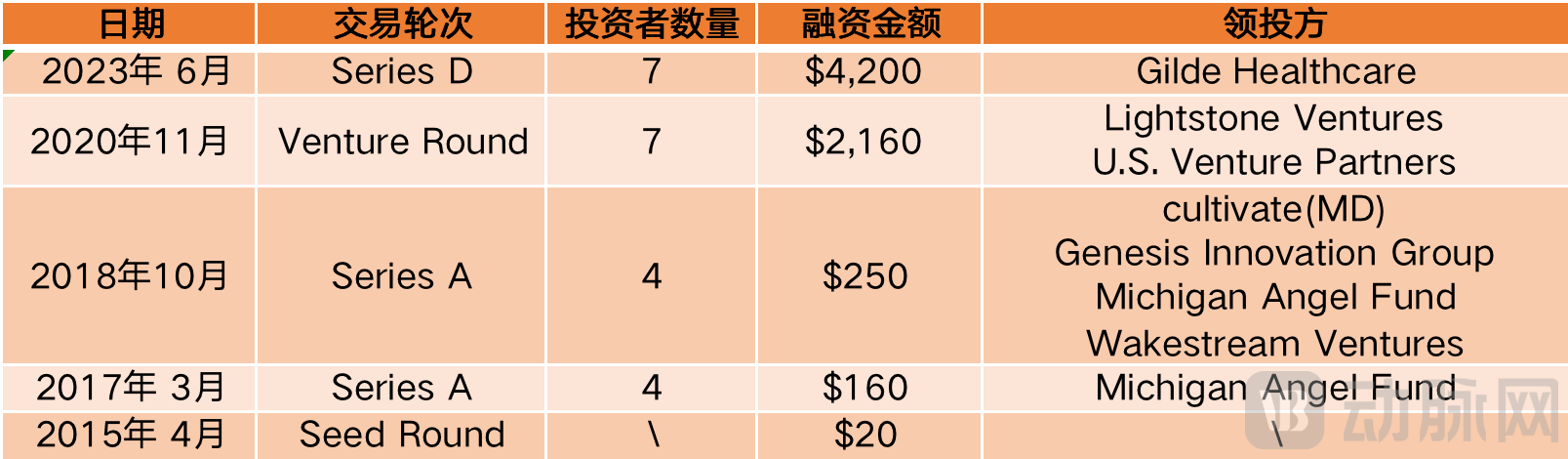 Overview of Shoulder Innovations' Historical Financing Information
Embedded Fixation Technology: Strength Increased 40 Times, Loosening Reduced by 87%
Shoulder Innovations, founded in 2009 and headquartered in Michigan, USA, is a medical device company specializing in the research, development, production, and sales of shoulder replacement systems. Its self-developed embedded glenoid fixation technology addresses the primary cause of shoulder replacement failure—loosening of the glenoid implant.
In traditional total shoulder arthroplasty, the replaced glenoid is typically positioned at the top of the bony surface. However, as patients perform a series of movements such as raising and swinging their arms, the humerus exerts pressure on the scapula or the bone surface, which in turn causes the humerus to move up and down, rotate, and slide back and forth due to reactive forces. This ultimately leads to loosening of the glenoid, thereby affecting the patient’s limb mobility and potentially worsening the condition. This phenomenon is known as the "rocking horse" effect.
Shoulder Innovations' InSet Glenoid Technology Breaks Through the "Rocking Horse" Effect. This technology embeds the glenoid within the bone, offering the significant advantage of high-strength fixation. It does not require extensive bony support to place the implant in bones with deficient quality, thereby providing greater mechanical stability between the implant and the bone.
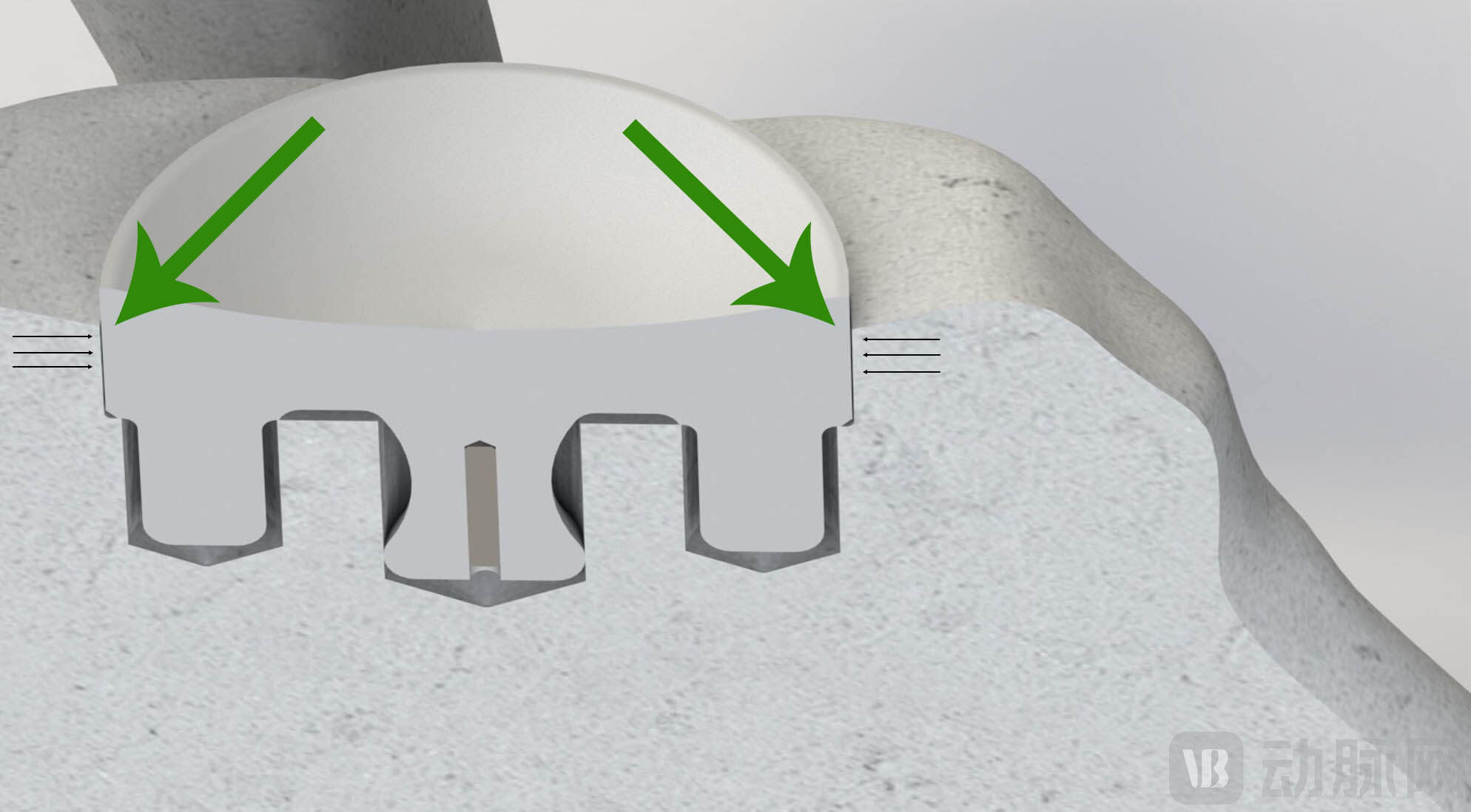 InSet Glenoid Technology Concept Diagram Source: Shoulder Innovations Official Website
Data from the Journal of Shoulder and Elbow Surgery《Journal of Shoulder and Elbow Surgery》indicates that inlay glenoid fixation technology can increase fixation strength by up to 40 times. Compared with traditional glenoid designs, inlay shoulder products reduce micromotion by 87%, with no complications, no cases of glenoid implant loosening, and no need for any revisions.
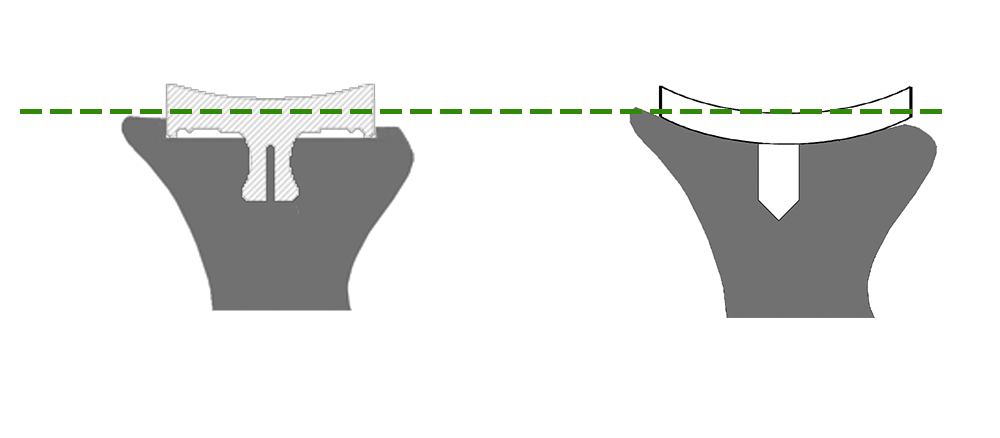 Comparison of Embedded Glenoid and Traditional Glenoid Design. Image Source: Shoulder Innovations Official Website
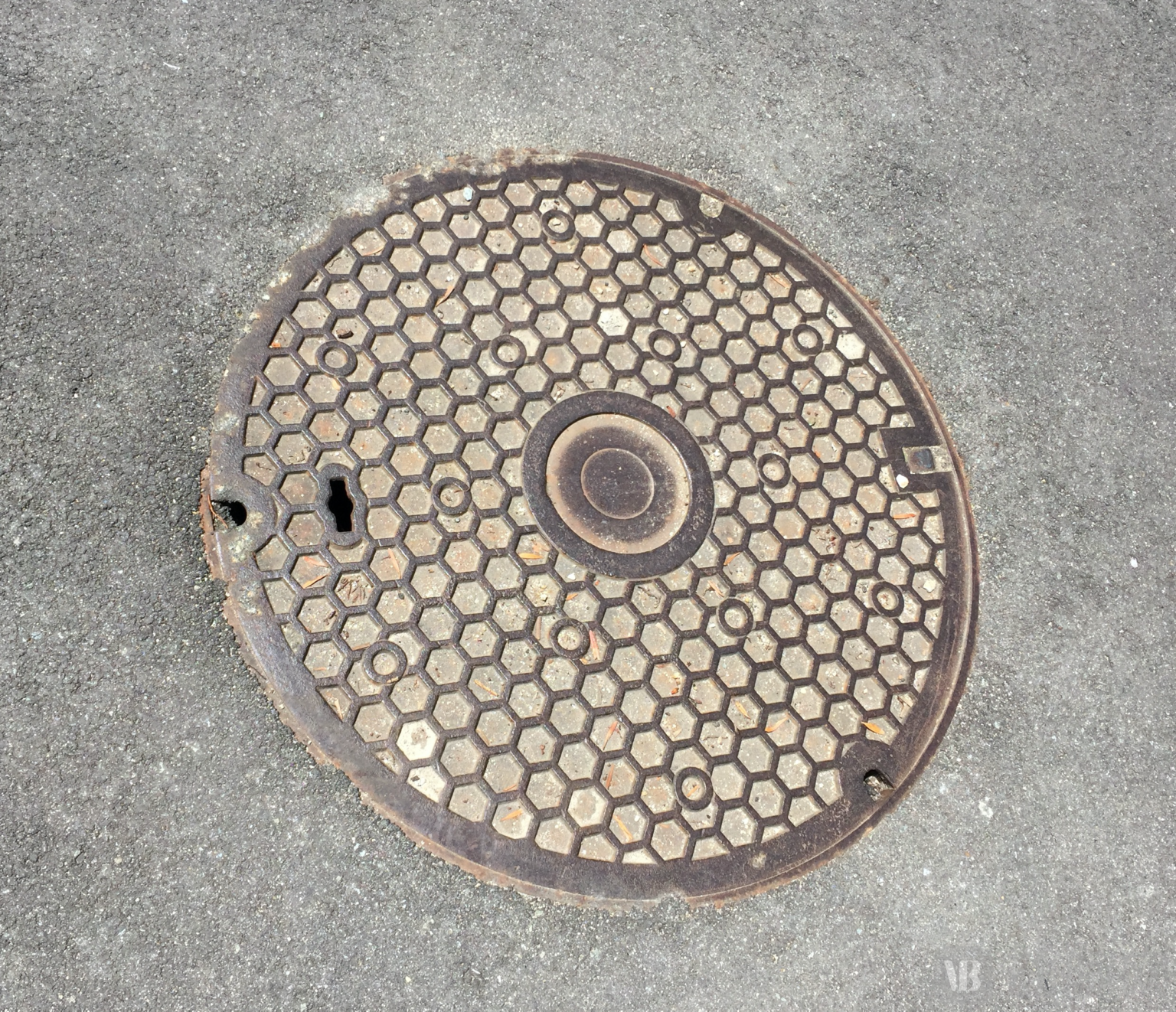
On this basis, Shoulder Innovations surrounded the entire glenoid with hardened bone in a 360-degree manner, making the mechanical interface of the InSet glenoid resemble a manhole cover, capable of being securely embedded into the bone.
The articular surface of the InSet glenoid comprises three distinct radii zones, allowing for complete interchangeability, reduced pressure, and minimizing the "rocking horse" effect.
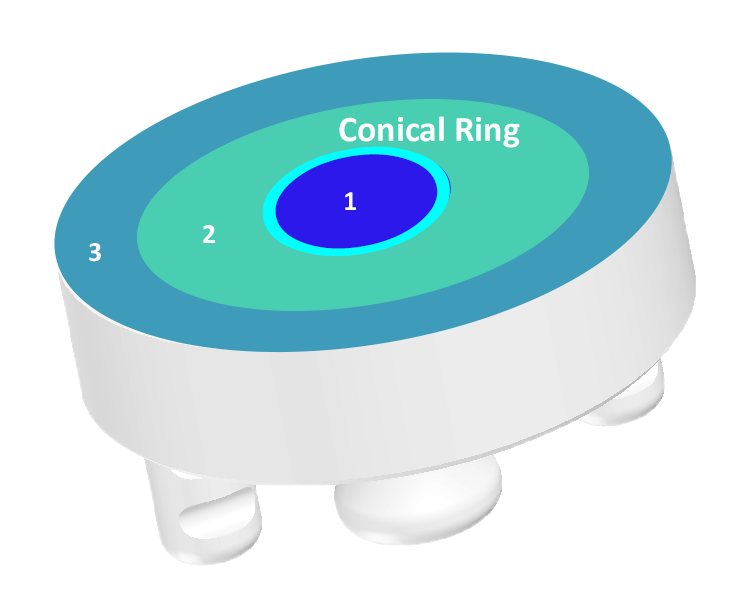 InSet Glenoid Structure Diagram Source: Shoulder Innovations Official Website
The central area of the InSetT glenoid (shown in dark blue in the figure) is a conical filler. The light blue outer ring is a polyethylene contact ring, which tracks the humeral head in this region. This central cone is universal across all glenoid products and allows interchangeability within all glenoids in the Shoulder Innovations system.
The second ring is a highly consistent area where, when the patient performs an arm abduction movement, the humeral head translates approximately 5 millimeters posteriorly and superiorly relative to the glenoid. This region is designed to optimize the relative congruence between the humeral head and the glenoid during this motion.
The outermost area of the joint surface gives the glenoid cavity a larger radius, which does not match the radius of the humeral head. The larger radius allows the head to translate when necessary, rather than getting stuck at the edge of the implant as in traditional inlay components, reducing the incidence of "seesaw" motion.
The back of the InSet glenoid from Shoulder Innovations controls the final implant's bone cement coverage.
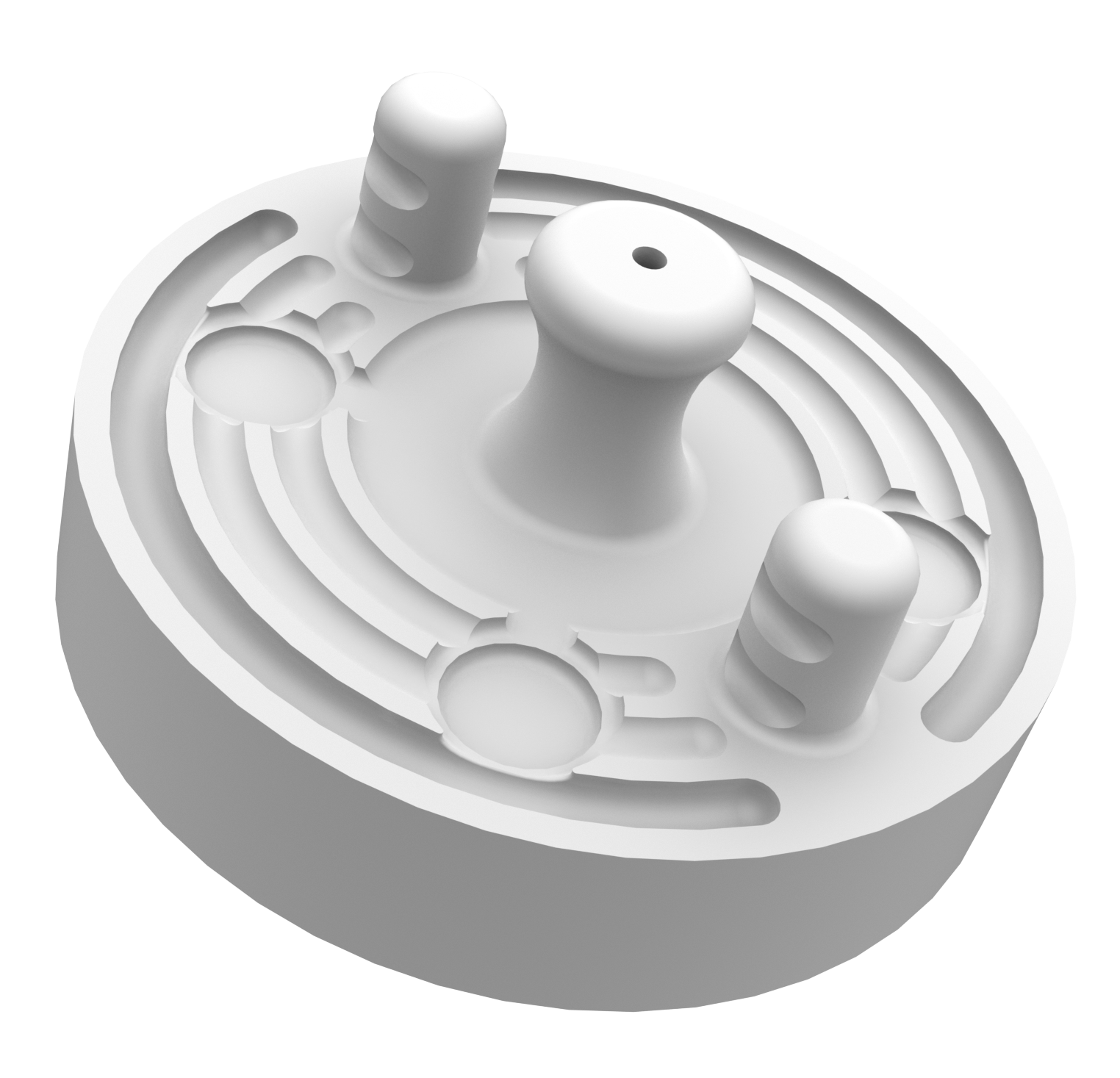 InSet Glenoid Back View Image Source: Shoulder Innovations Official Website
The back of the implant features a peripheral bone cement channel with a diameter of 2 millimeters, which prevents the rupture of the bone cement coating; the central glenoid peg, with a diameter of 6.5 millimeters and a shape that is either undercut or hourglass, integrates with the bone cement and resists pull-out under load; the design of the central glenoid peg allows for line-to-line fitting with the prepared drill hole at the far end of the peg, enabling the pressurization of bone cement into the surrounding bone.
These designs are combined with bone mud and bones to control the overlay.
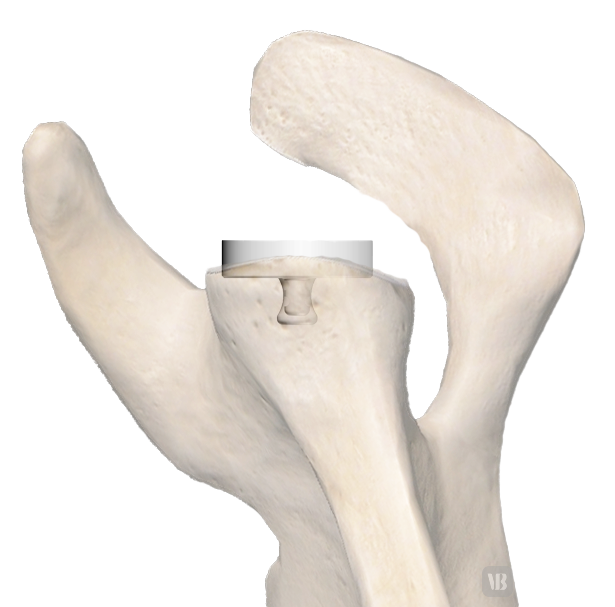
InSet Glenoid Model Diagram Source: Shoulder Innovations Official Website
Compared with standard curved back glenoids, the InSetTM glenoid requires less bone volume removal, especially in the central area of the glenoid. The reduction in bone volume is due to the round design of the reamer and glenoid as well as the flat-back design.
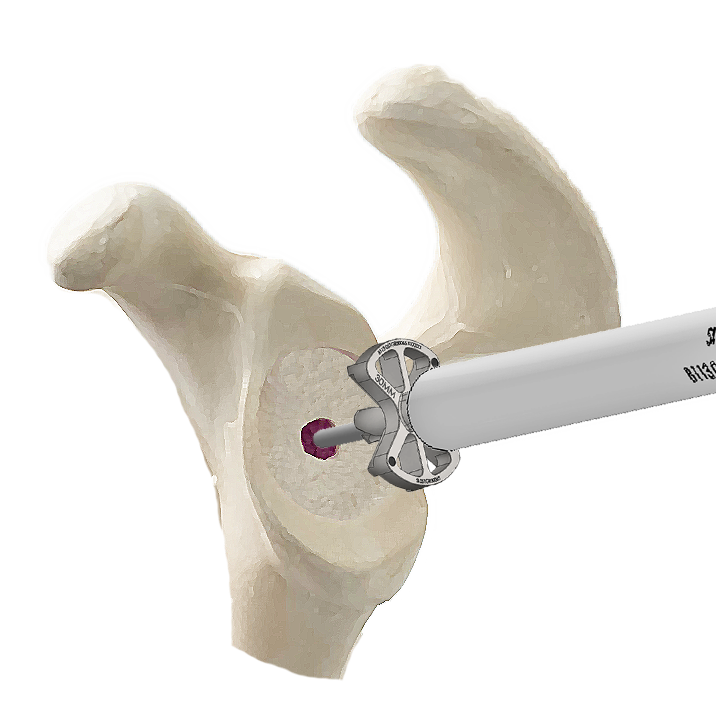 InSet Glenoid Model Diagram Source: Shoulder Innovations Official Website
The flat-back design of the InSet glenoid utilizes peripheral bone-milling surfaces, allowing for implantation and rigid fixation with minimal depth. This results in less bone resection. Currently, the InSetTM glenoid implants are available in four sizes: 22mm, 24mm, 27mm, and 30mm; each size comes in two thicknesses: 6mm and 8mm.
At the same time, there is no need to worry about issues such as curvature and radius mismatch with the bone for the InSet glenoid. As David Blue, Chief Operating Officer of Shoulder Innovations, said: "In the past, we had to worry about what size joint matches what size humeral head. But with the InSet glenoid, the size of the joint doesn't matter. Because we can now place the largest head on the smallest joint or the smallest head on the largest joint, which creates a unique flexibility."
In 2022, the InSet glenoid received FDA approval and was put into clinical use, with corresponding research results validated in the Journal of Shoulder and Elbow Surgery. The research showed a statistically significant increase in pain reduction and high patient satisfaction during follow-up of patients who underwent InSet glenoid replacement.
Orthopedic Doctor Partners with Johnson & Johnson Executive to Start Business, Device Company Collaborates with Software Company
The team of Shoulder Innovations can be divided into two aspects: the clinical team and the leadership team. However, a common characteristic of these two teams is that they both have experience backgrounds related to orthopedics.

Stephen Gunther, Founder of Shoulder Innovations
Shoulder Innovations originated from the invention of Dr. Stephen Gunther. Stephen comes from a medical family, with both his father and grandfather being orthopedic surgeons, and he himself pursued a doctorate in medicine. At the same time, his life has been surrounded by creativity, as the other half of his family members are engaged in various forms of artistic work.
Therefore, it took Stephen a long time to find his passion, which is probably why he entered academia and became obsessed with the design and innovation of medical devices.
Stephen first obtained his medical degree at Dartmouth Medical School, then went on to teach at the University of California, San Francisco. During that time, in addition to focusing on research papers and lectures, he also had the opportunity to work in the engineering lab at the University of California, Berkeley. This experience led him to become interested in polyethylene research and introduced him to the early study of joint replacement surgery.
During his time as a lecturer in California and Director of Shoulder Services, Stephen identified a pressing issue—young people were increasingly suffering from arthritis, with severe cases often requiring shoulder replacement surgery. At that time, these surgeries had a high failure rate because the glenoid was placed on the bone surface, leading to an unstable fixation.
While reviewing the mechanical literature and trying to figure out how to place the glenoid in the bone, Stephen came up with the InSet glenoid solution. While other implant companies were focused on making more pegs, longer pegs, grooved pegs, anchor pegs, and other methods to enhance glenoid fixation, Stephen offered a completely new approach to solving the problem.

CEO and Executive Chairman Robert Ball
At Shoulder Innovations, Robert Ball serves as the Chief Executive Officer and Executive Chairman. He has spent over two decades bringing medical device technologies to market, including proprietary orthopedic materials. Ball previously served as the Global Vice President of Research and Development at Tornier NV, during which time Tornier's annual revenue grew from approximately $70 million to $300 million through organic growth driven by new products.

Vice President Don Running
Vice President Don Running also has work experience in the orthopedic industry, having held various C-level and R&D, marketing, and BD executive positions at companies such as Johnson & Johnson (Depuy-Synthes), Biomet, DVO, and Genesis Innovation Group.
In addition, the clinical team of Shoulder Innovations includes professors, directors, surgeons, etc., from the University of Utah School of Medicine in Salt Lake City, Utah, and St. Washington University.
In order to "reach new heights," Shoulder Innovations naturally collaborated with Genesis Software Innovations (hereinafter referred to as GSI). GSI is a company that creates solutions in the orthopedic field. Its PreView software can visualize CT data before surgery, providing surgeons with the ability to fully understand the patient's condition.
In short, Shoulder Innovations has the technology that matches the GSI model, and GSI is an effective path for Shoulder Innovations to enter the market.
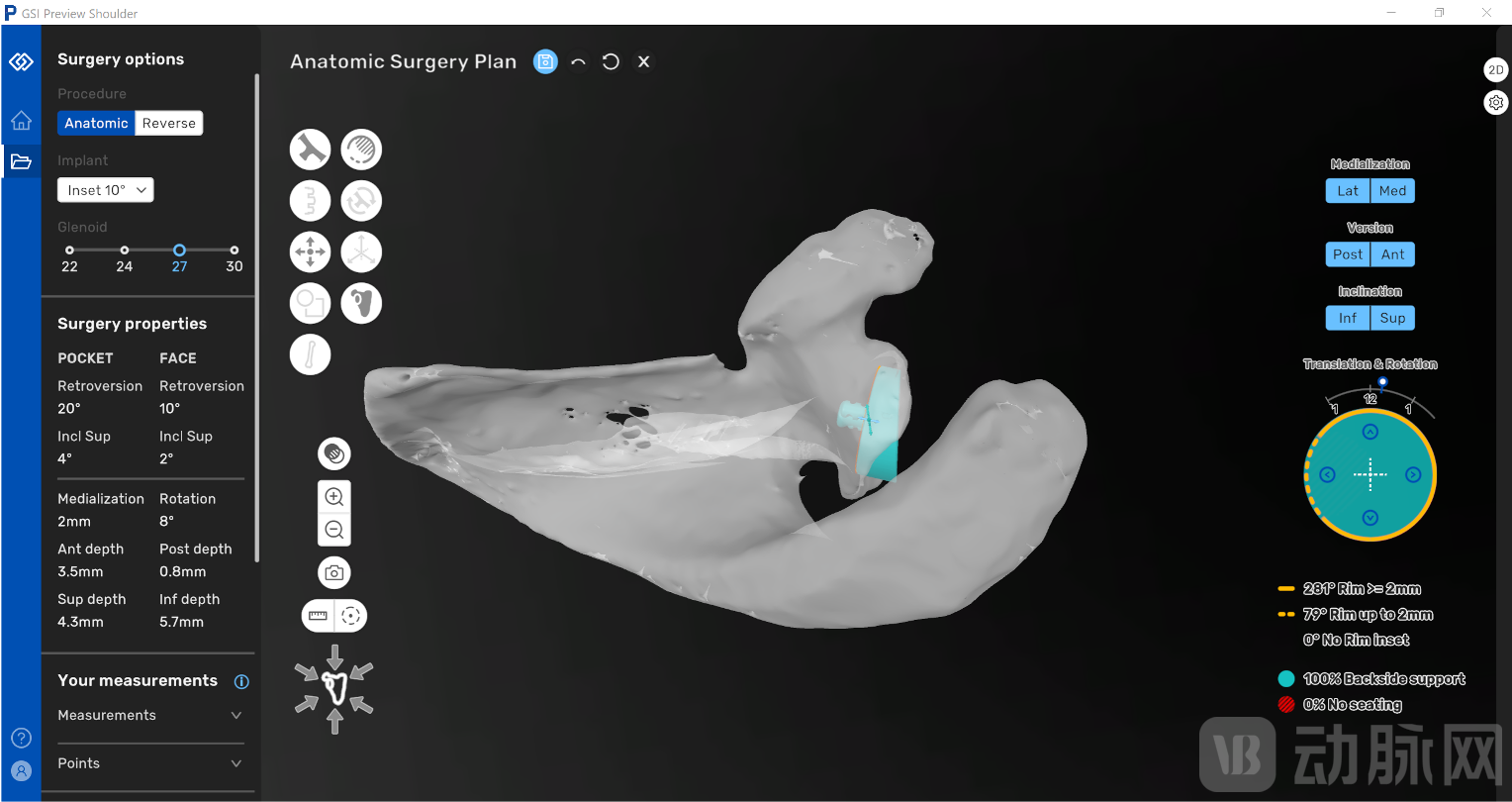 Genesis Software Innovations' PreView Software 3D Imaging
Source: Genesis Software Innovations official website
In the blue ocean of the artificial shoulder joint replacement market, there are fewer than ten companies in China.
The konaequity website shows that Shoulder Innovations' annual revenue last year was $4.245 million, with an annual revenue increase of $617,000 since its establishment, which is higher than the industry average.
In China, artificial shoulder joint replacement surgery also plays an important role in the treatment of osteoarthritis of the shoulder, rheumatoid arthritis, comminuted fractures of the proximal humerus, avascular necrosis of the humeral head, irreparable rotator cuff tears, and/or arthropathy.
Although the research on artificial shoulder joint replacement started around the same time as that of artificial hip joints and artificial knee joints, due to the relatively complex structure of the artificial shoulder joint, its larger range of motion, and higher replacement requirements, the long-term outcomes of artificial shoulder joint replacements are currently not as good overall as those of artificial hip joints and artificial knee joints.
According to statistics from the medical device data cloud, there are nearly 20 artificial shoulder joint products that have been approved for marketing in China. The proportion of domestically produced brands is still lower than that of foreign brands. Local companies that have obtained registration certificates for artificial shoulder joint products include Beijing Chunli Zhengda Medical Devices Co., Ltd., BONESUPPORT (Shanghai) Medical Technology Co., Ltd., Shanghai Puwei Medical Equipment Factory Co., Ltd., and Beijing Youcai Jinghang Biotechnology Co., Ltd.
Data released by institutions such as VCBeat shows that by 2024, the market size of orthopedic implant medical devices in China is expected to reach 60.7 billion yuan, with an average annual compound growth rate of approximately 14.51% from 2019 to 2024.
Orthopedic implant medical devices, particularly artificial joints, represent one of the fastest-growing segments in the market. As research reports from institutions like VCBeat indicate, the market size of artificial joint implant medical devices in China grew from 4 billion yuan in 2015 to 8.6 billion yuan in 2019, with an average annual compound growth rate of 20.65%. It is projected that by 2024, this market will reach 18.7 billion yuan. Artificial shoulder joints, as a significant branch of the artificial joint implant market, are also expected to grow rapidly.
In addition, in recent years, the aging of China's population has intensified, and the demand for medical services has continued to increase, which has, to a certain extent, driven the high-speed growth of the market size for orthopedic implant medical devices in China. Data from the National Bureau of Statistics shows that from 2015 to 2020, the number of people aged 60 and above in China increased from 231 million to 267 million, and their proportion of the total population rose from 16.70% to 18.90%.
It is foreseeable that, with the increase in China's elderly population, the market demand for orthopedic implant medical devices such as artificial shoulder joints may be further released.
Therefore, China's artificial shoulder joint market still has broad development space. Local enterprises need to further enhance their R&D and innovation capabilities, deeply cultivate professional background fields, to quickly break through technical bottlenecks and end the monopoly of foreign products.