

QurAlis Files Prospectus to Advance Breakthrough ALS Therapies Following $135.5M Funding

LSP Dementia Fund
Neurodegenerative Disease Therapy Investment Fund

QurAlis
Developer of New Therapies for Amyotrophic Lateral Sclerosis (ALS)

Lilly Ventures
Life Science Innovation Investor
ALS Investment Fund
Venture Capital Firm

Mitsui & Co. Global Investment
Private Equity Investment Firm

Amgen Ventures
A venture capital firm based in California

Sanofi Ventures
Venture Capital Firms
Do you still remember the ALS Ice Bucket Challenge that swept the globe in 2014?
When celebrities like Felicity and Bill Gates poured ice buckets over themselves, donations flowed into the ALS Association on the other side. Ultimately, the ALS Association raised over $115 million from the Ice Bucket Challenge, funding 130 research projects across 12 different countries and 40 potential ALS treatments currently under development.
Amyotrophic Lateral Sclerosis (ALS), also known as Lou Gehrig's disease, is a progressive and fatal neurodegenerative disease with an average life expectancy of three years for patients. There is currently no cure for ALS, so pharmaceutical companies and the scientific community continue to invest funds in the hope of advancing research to find a cure.
Kevin Eggan and Clifford Woolf from Harvard University are two pioneers in stem cell technology and ALS translational research. In 2016, they, along with Kasper Roet, founded QurAlis Corporation to take on the challenge of ALS, with the goal of halting disease progression and significantly improving prognosis.
In March 2023, QurAlis secured $88 million in Series B financing, bringing the company's total funds raised to $135.5 million (approximately 931.7 million RMB). The financing was led by EQT Life Sciences, with major investors including LSP Dementia Fund, Sanofi Ventures, and Droia Ventures. Participants included well-known investment institutions such as ALS Investment Fund, Eli Lilly and Company, Amgen Ventures, and Mitsui & Co. Global Investment.
The 900 million yuan R&D fund is merely the entry ticket. Facing the goal of "curing ALS," QurAlis does not advance blindly but instead makes strategic arrangements early on, placing its bets on research pathways, team building, and commercial strategies.
As two scientific founders renowned for stem cell research, Kevin Eggan and Clifford Woolf provide technical support to QurAlis.
Eggan is a professor of Stem Cell and Regenerative Biology at Harvard University. In 2006, at the age of just 32, he was awarded the MacArthur Fellowship. Woolf is a professor of Neurology and Neurobiology at Harvard Medical School and was awarded the American Society of Anesthesiologists Award in 2004.
The other co-founder, Kasper Roet, has a background in both science and business. He earned his Ph.D. at the Netherlands Institute for Neuroscience and Vrije Universiteit Amsterdam, focusing on gene therapy for ALS and other neurodegenerative diseases, as well as precision medicine solutions based on stem cell technology. In terms of business knowledge, he received training from industry thought leaders at Johnson & Johnson and forward-thinking scientific and business leaders at Harvard University.
While working for the Netherlands Brain Bank, he witnessed scientific advances in ALS stem cell modeling and gene discovery, realizing that this direction might offer effective treatments for ASL patients. He then decided to move with his wife from the Netherlands to Boston to collaborate with two visionary researchers in ALS stem cell disease modeling—Woolf and Eggan—aiming to bring breakthrough precision therapies for ALS and other neurodegenerative diseases.
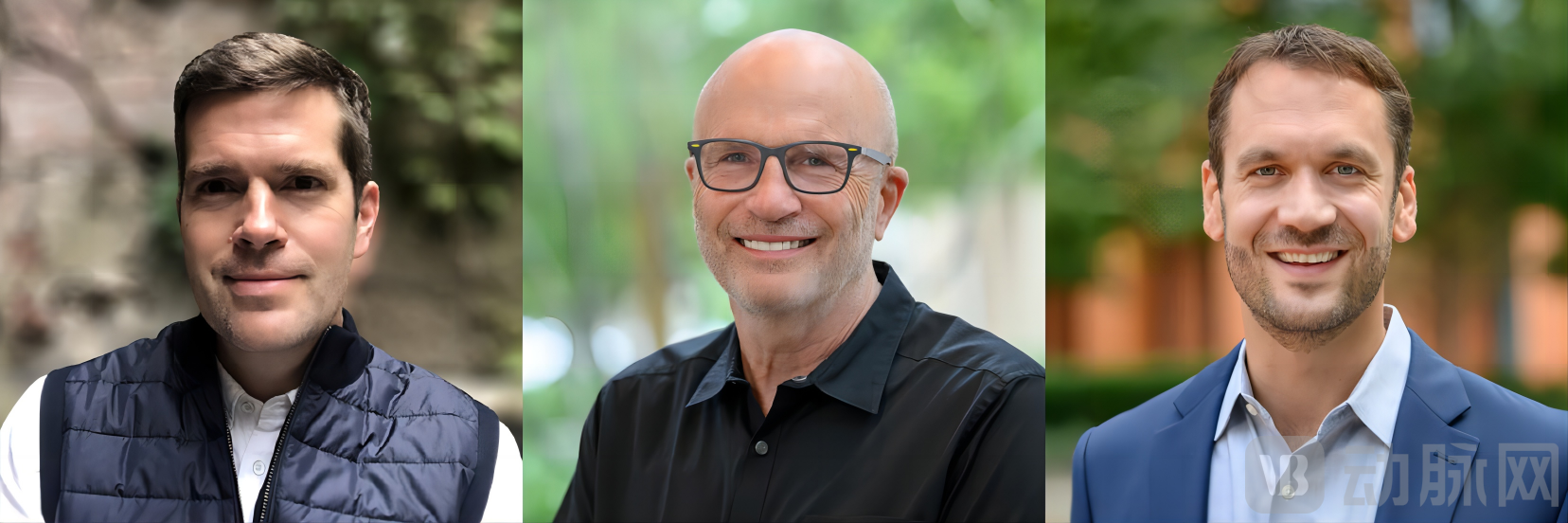
Three founders: Kevin Eggan, Clifford Woolf, Kasper Roet
Image source: QurAlis
In the initial stage, QurAlis relied on the sponsorship of large pharmaceutical companies to save on R&D costs.
In 2017, QurAlis was awarded the LabCentral Golden Ticket by Amgen.LabCentral is a shared laboratory. Through Amgen's sponsorship, QurAlis has been granted one year of free access to the lab, including LabCentral’s shared infrastructure and services, as well as mentorship from Amgen scientists.
QurAlis Utilizes LabCentral's Space and Facilities to Develop a Dedicated ALS Patient Stem Cell Platform and Leverages This Platform to Advance Therapeutic Programs.In 2018, QurAlis Corporation received the Pfizer Golden Ticket Award.
In April 2018, Amgen, which provided research space for QurAlis, recognized the R&D potential of QurAlis.Amgen Ventures, under Amgen, joined QurAlis Corporation's seed round together with MP Healthcare Venture Management and Alexandria Venture Investments.MP Healthcare Venture Management is a subsidiary of Mitsubishi Tanabe Pharma Corporation, which developed Radicava, the first new therapy specifically for ALS to receive FDA approval in the United States in the past 22 years.
Roet believes that the participation of MPH, Amgen, and Alexandria validates the company's strategy and enables them to bring innovative precision medicine to ALS patients more quickly.
In 2020, more capital flowed in. QurAlis raised $42 million in its first round of financing. The initial funding enabled QurAlis to take a significant step forward, utilizing the funds to develop new therapies for ALS and genetically related frontotemporal dementia, with the aim of advancing the leading projects into the clinical trial phase.
In the same year, QurAlis reached an agreement with Eli Lilly and Company to conduct excitotoxicity tests targeting Lilly's ALS candidate drug.
Excitotoxicity in ALS is a hallmark of the disease, triggered by neuronal hyperactivity. This excessive activity leads to the accumulation of toxic proteins and metabolic waste within cells, subsequently causing the death of motor neurons in the brain and spinal cord. QurAlis' excitotoxicity research program aims to prevent neuronal hyperexcitability through specifically targeted small-molecule drugs, thereby halting this process and stopping the progression of ALS in patients.
In collaboration with Eli Lilly and Company, QurAlis' leading project is one step closer to clinical trials.
The QR43 platform developed by QurAlis enables researchers to study disease drivers and potential therapeutic agents in human model systems, with a range of functional readouts.On this platform, Kevin Eggan, co-founder of QurAlis, used human neuronal stem cell models from ALS patients to discover in 2019 that the expression of STMN2 is regulated by TDP-43.
TDP-43 is a DNA/RNA binding protein primarily expressed in the nucleus, regulating various steps of RNA metabolism, including mRNA splicing, transport, translation, and microRNA synthesis. TDP-43 is the most prominently characterized pathological protein in ALS. Under physiological conditions, TDP-43 is mainly localized in the nucleus and plays a crucial role in RNA metabolism. In most ALS cases, TDP-43 is depleted in the nucleus and forms aggregates in the cytoplasm.
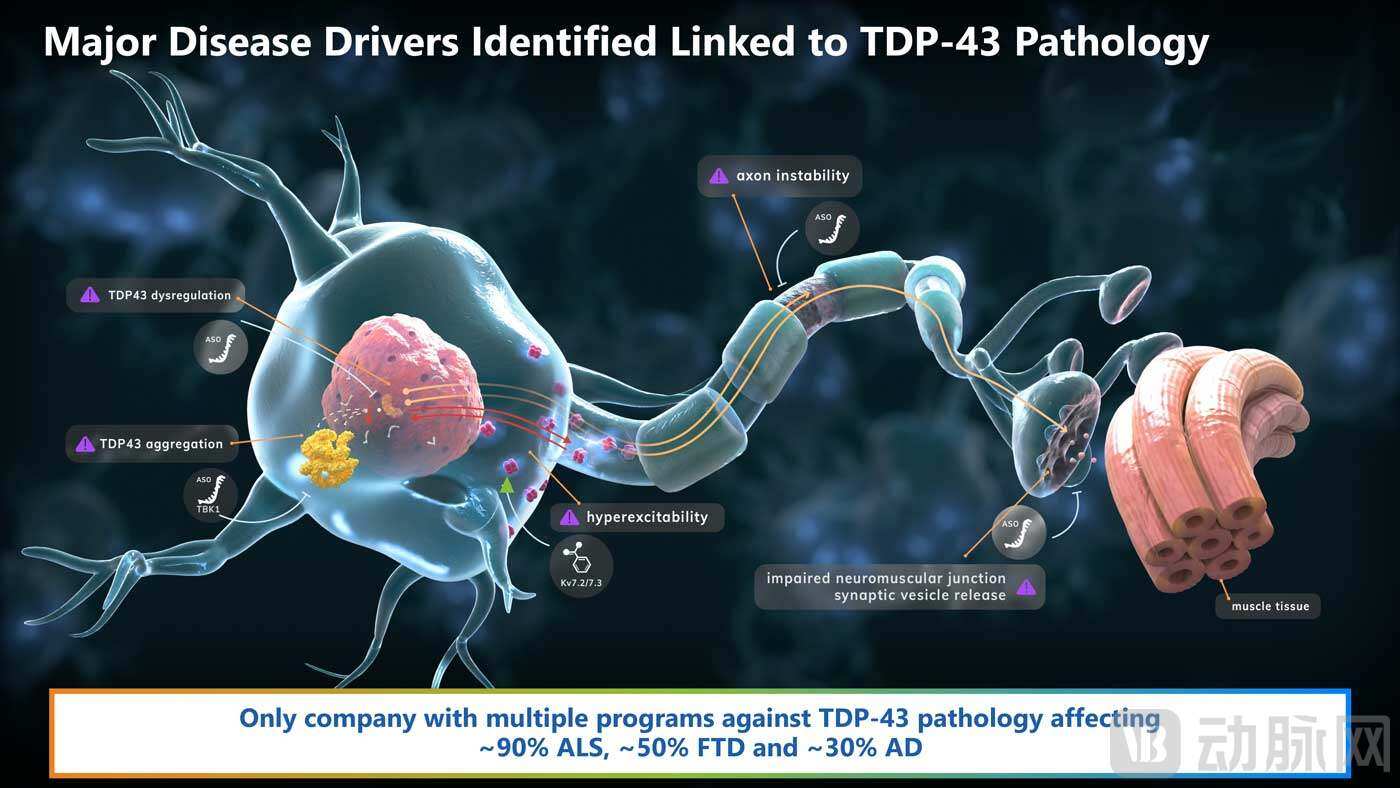
Identify the Major Disease Drivers Associated with TDP-43 Pathology
Image source: QurAlis
Eggan Lab's research published in "Nature Neuroscience" shows that the loss of normal TDP-43 function leads to a significant reduction in STMN2 expression and impairs neuronal repair, which can be rescued by restoring STMN2 levels to recover TDP-43 function.
The FlexASO splicing modulator platform was developed by QurAlis for the splicing conversion of antisense oligonucleotides (ASOs).
In the past decade, the development and clinical application of ASOs have sparked a storm in gene therapy. The idea behind ASOs is very straightforward: if a mutated gene leads to protein toxicity and causes disease, then gene intervention can be used to suppress the transcription of the toxic protein gene, giving rise to ASOs.
ASOs therapy can alter disease-associated gene expression and be customized for each specific patient subgroup. Scientists at QurAlis are utilizing the FlexASO splicing modulator platform to assist in developing treatments for ALS.
Currently, the FDA has approved six drugs for treating ALS and its symptoms: Relyvrio, Radicava, Rilutek, Tiglutik, Exservan, and Nuedexta. However, existing drugs cannot cure ALS, which also prompts researchers to continue studying new treatment options.
The Meaning of QurAlis——Conquer Amyotrophic Lateral Sclerosis is precisely to conquer ALS, with the hope of finding a cure for ALS.
ALS affects the nerve cells in the brain and spinal cord of patients, reducing their muscle function and muscle control abilities. ALS can be caused by mutations in more than 25 human genes and is typically a combination of various subtypes of conditions, representing a group of diseases with different underlying mechanisms. Like cancer, each ALS subtype requires precise treatment.
Based on the pathogenic mechanism of ALS, QurAlis' research and development strategy is to systematically study treatment options for specific pathogenic mechanisms targeting different patient populations.Researchers at QurAlis extract cells directly from ALS patients and use them to model the disease in the laboratory to identify potential therapeutic pathways.
QurAlis is developing three different forms of ALS treatments: ① a transformative device to remove toxic proteins; ② drugs to treat overactive neurons and prevent cell death through excitotoxicity; ③ drugs to restore the dysfunctional waste clearance system in cells.
QRL-201 and QRL-101 are two therapeutic products that have already taken shape.
Among them, QRL-201 aims to restore STMN2 expression in ALS patients who have lost STMN2 expression. QRL-101 is a Kv7 opener for the treatment of ALS, designed to reduce neurodegeneration induced by hyperexcitability.
Preclinical study results of the STMN2 project indicate a significant cell biological connection between STMN2, TDP-43, and ALS.Currently, the clinical trial application (CTA) for QRL-201 has been approved by Health Canada, and QRL-101 has entered the first phase of clinical trials.
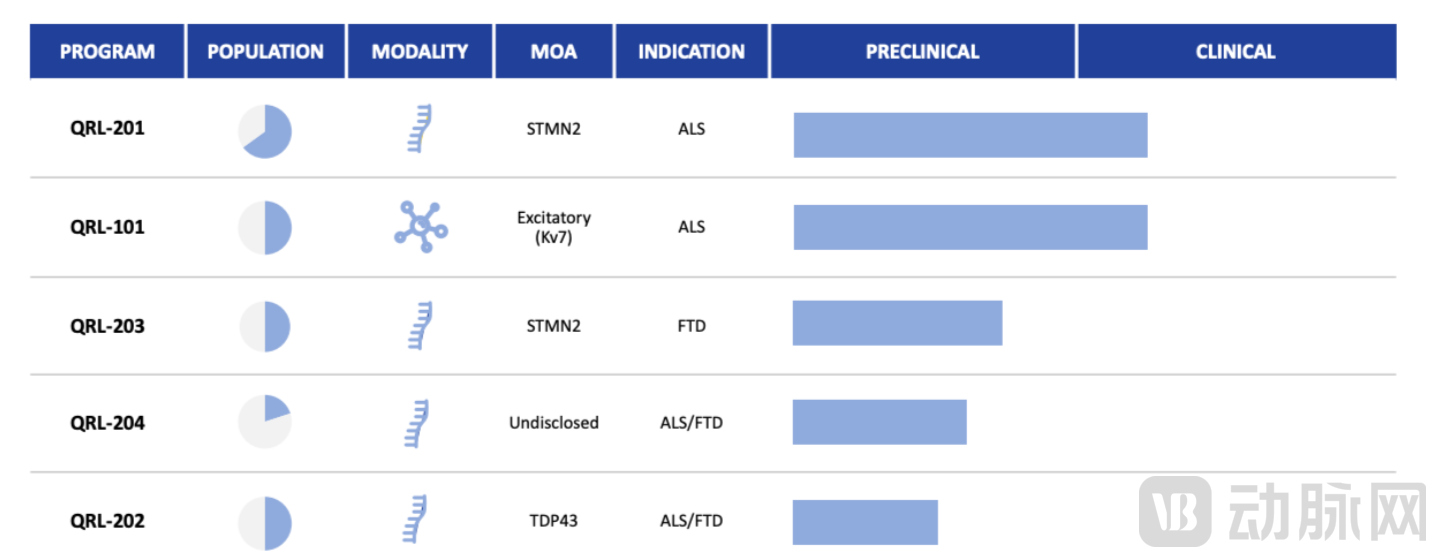
QurAlis Pipeline Layout
Image source: QurAlis
QurAlis's new drug development process is proceeding steadily, and its talent strategy is also unfolding gradually.
From 2020 to 2022, QurAlis recruited nine talents into its core management team to leverage their expertise in regulatory affairs, clinical operations, and marketing, thereby driving the company's strategic objectives.
Take Angela Genge, who became the Chief Operating Officer in 2020, as an example. She has extensive experience in drug development and clinical trials for ALS and other rare neurological diseases. Since 1994, Dr. Genge has held a professorship at McGill University. She is also the Executive Director of the Clinical Research Unit at the Montreal Neurological Institute. In 2014, she became a Distinguished Clinical Researcher in the Global Neuroscience Clinical Development department at Novartis and has served as an independent consultant to dozens of companies developing and launching neurotherapies.
In February 2022, QurAlis further expanded its leadership team, aiming to strengthen its expertise in regulatory affairs, clinical operations, and global supply chain management. Bryan Boggs was appointed as Head of Regulatory Affairs; Christopher Gerry Lohan was appointed as Head of Clinical Operations; and Guzide Adhikari was appointed as Head of Global Supply Chain Management.
Among them, Boggs joined QurAlis after serving at Eli Lilly for 30 years, where he led early- and late-stage drug development project teams, including new drug applications for diabetes, depression, and chronic pain. He participated in dozens of drug registration submission processes, with three successful drug registrations.
Most new drug developments take 10 to 15 years. According to the founding time, QurAlis has been through 5 years. Can it develop a cure for ALS? We are waiting for an answer.