

CARGO Therapeutics Secures $200M Series A to Advance Next-Gen CAR-T Therapies from Stanford Innovators

Cargo Therapeutics
CAR-T Cell Therapy Developer

Third Rock Ventures
Venture Capital Firms
In March, CARGO Therapeutics (formerly Syncopation Life Sciences) announced the completion of a $200 million oversubscribed Series A financing round. This financing was co-led by Third Rock Ventures, RTW, and Perceptive Xontogeny Venture Fund.
Third Rock Ventures is a renowned venture capital firm in the United States that focuses on the healthcare industry. According to data from the Third Rock Ventures official website, out of the 60 companies it has invested in, 21 have now gone public and 14 have been acquired.
The proceeds from this round of financing for CARGO will be used to develop the next generation of CAR-T cell therapy and support clinical trials and manufacturing for its autologous CD22 CAR-T cell therapy candidate, CRG-022.
This rising star in the American Biotech scene was established in 2021 and has so far secured two rounds of financing. In January 2022, CARGO Therapeutics (hereinafter referred to as CARGO) received its initial seed funding from Emerson Collective and Red Tree Venture Capital, with the amount undisclosed. A year later, it completed a significantly oversubscribed Series A round, raising $200 million, with all seed investors participating in the follow-on investment.
Cellular immunotherapy is a new trend in global cancer treatment in recent years. As a startup company in the biotechnology field focusing on immune cell therapy, why has Cargo Therapeutics been favored by major well-known investment institutions in the popular CAR-T track?
Since it was first proposed in 1989, CAR-T technology has now evolved to the fifth generation.
The technological innovation in the CAR-T field has sparked a therapeutic revolution for patients with R/R (relapsed/refractory) hematologic malignancies and solid tumors. Since its development, CAR-T cell therapy has achieved remarkable clinical outcomes, but risks and opportunities coexist. In more than half of patients, CAR-T cell therapy lacks durability and efficacy.
An article published in Leukemia, a top journal in the field of hematology, in January this year pointed out that among 305 adults who received CD19 CAR-T cell therapy, 182 experienced either non-response or disease recurrence due to issues such as cancer cell resistance, failing to ensure the effectiveness and durability of the treatment.
In response, CARGO utilized its innovative engineering and manufacturing technologies to develop a new generation of CAR-T cells, focusing on solving the following four challenges.
01 Antigenic Escape
The reduction or even loss of cancer cell-targeted antigens allows them to evade immune surveillance by CAR-T cells, preventing recognition and elimination. CARGO enhances CAR-T cells by incorporating multiple targeted antigens through gene transfer and modification, preventing a decrease in treatment efficacy due to the loss of any single targeted antigen, thereby improving the therapeutic effectiveness and durability of CAR-T.
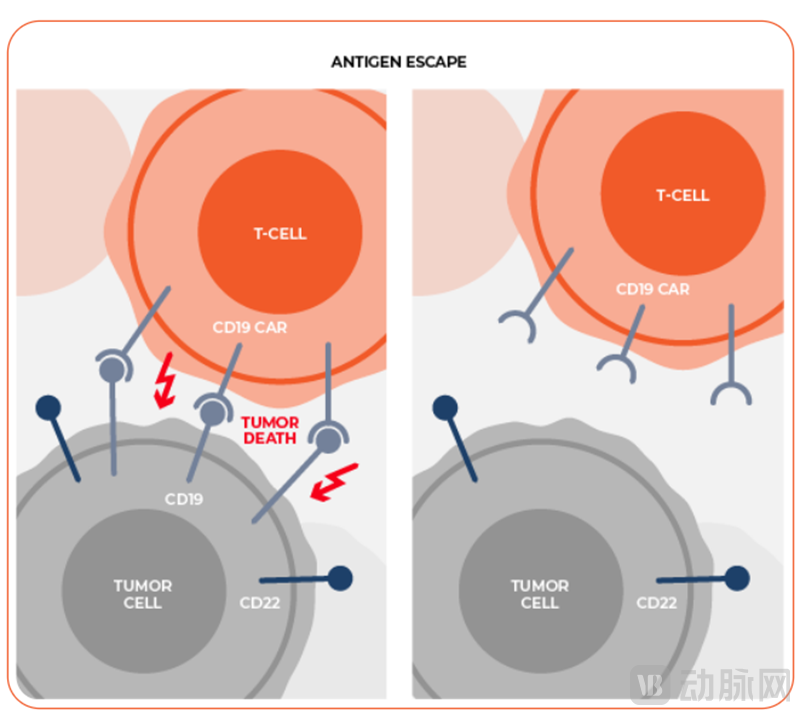
CD22 CAR-T and multispecific CAR-T validated through clinical trials and registration studies
Source: CARGO Therapeutics Official Website
02 Loss of Co-stimulatory Signals
CD58 is an antigen expressed on lymphoma cells and plays a crucial role in the immune system's recognition and response to cancer cells. In the treatment of LBCL (large B-cell lymphoma), CD19 CAR-T therapy relies on the expression of CD58 on cancer cells, but 25% of LBCL patients have CD58 mutations or deletions.
CD58 deficiency has also been observed in other tumor types (myeloma, acute myeloid leukemia, colon cancer, melanoma).
CARGO Utilizes CD2 as a Co-stimulatory Receptor, Binding It with CD58 to Design a Novel CAR-T Cell Therapy. This therapy employs the CD2/CD58 co-stimulation pathway to enhance T-cell persistence and activity, ultimately improving patient outcomes and prognosis.
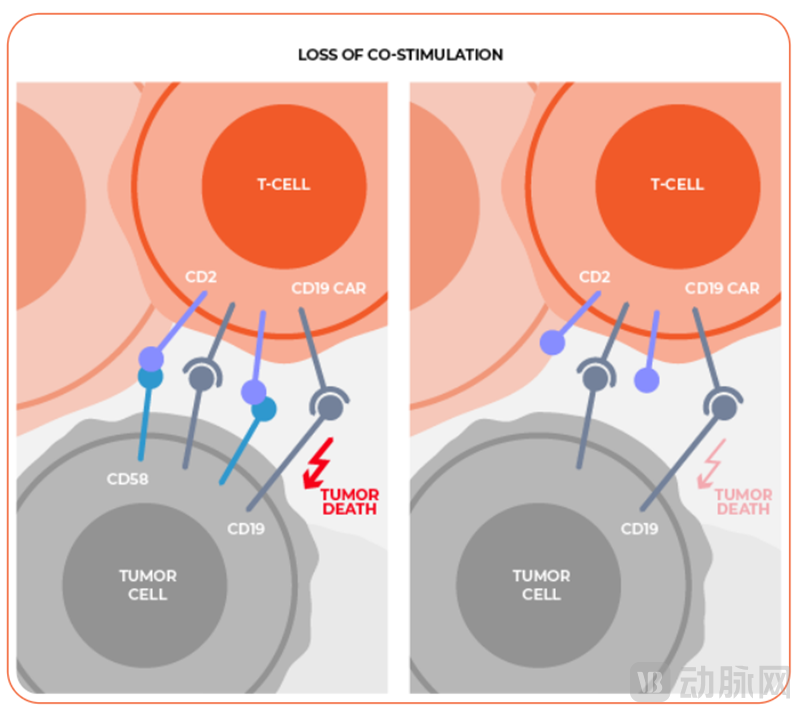
The CD2 co-stimulation platform aims to address the issue of CD58 loss in ≥25% of DLBCL (Diffuse Large B-Cell Lymphoma) and other hematological and solid tumors.
Source: CARGO Therapeutics Official Website
03 CAR-T Cells Lack Persistence
In CARGO Therapeutics' next-generation CAR-T cell therapy, the CAR-T cells are derived from individuals, fully leveraging the power of the individual's immune system, thereby reducing and minimizing human immune reactions and extending the persistence of CAR-T cells.
In addition, CARGO has developed a genetic tool that modulates cytokine-driven responses. CARGO enhances the activity and persistence of CAR-T by controlling the method of cytokine signaling for therapeutic purposes.
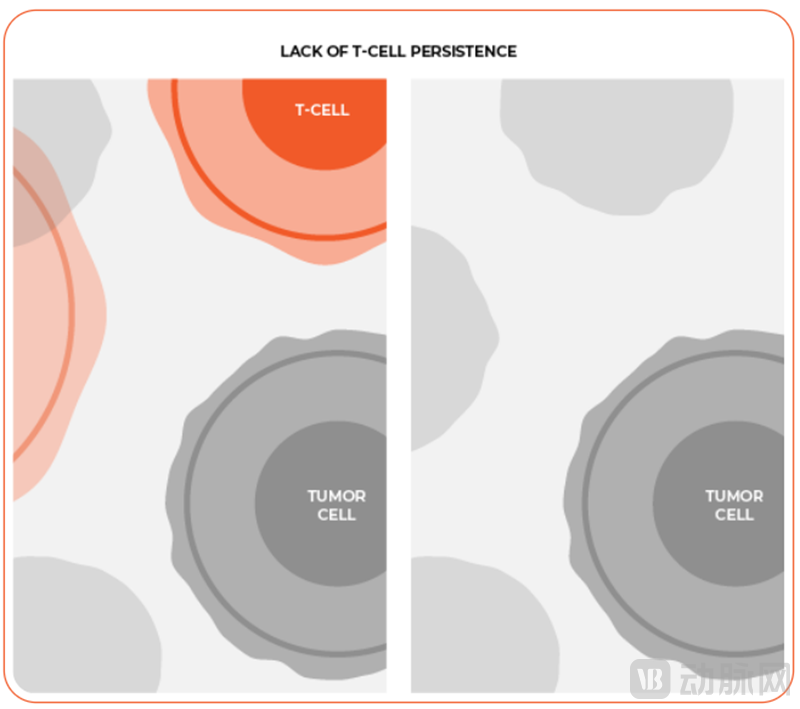
Autologous CAR-T can prolong its persistence and modulate cytokine signals to expand its numbers.
Source: CARGO Therapeutics Official Website
04 Universal CAR-T Development Platform
CARGO's STASH/GAS platform can design the next generation of multi-specific and multi-functional CAR-T cell therapies, overcoming resistance mechanisms in various cancers.
The next generation of CAR-T therapy needs to introduce multi-specific CAR-T cell vectors capable of carrying multiple targets. However, engineered cells with multiple targets often produce heterogeneous and non-uniform cell products during the design process, only a portion of which are CAR-T cell vectors that meet the design requirements.
Novel STASH/GAS technology can purify these multi-targeted vectors by tagging, producing uniform and universal CAR-T products, which is beneficial for advancing the next generation of cell therapy into clinical applications. Multi-specificity and multi-functional targeting also expand the applicability of the new generation of CAR-T cell therapy to other cancers, including solid tumors.
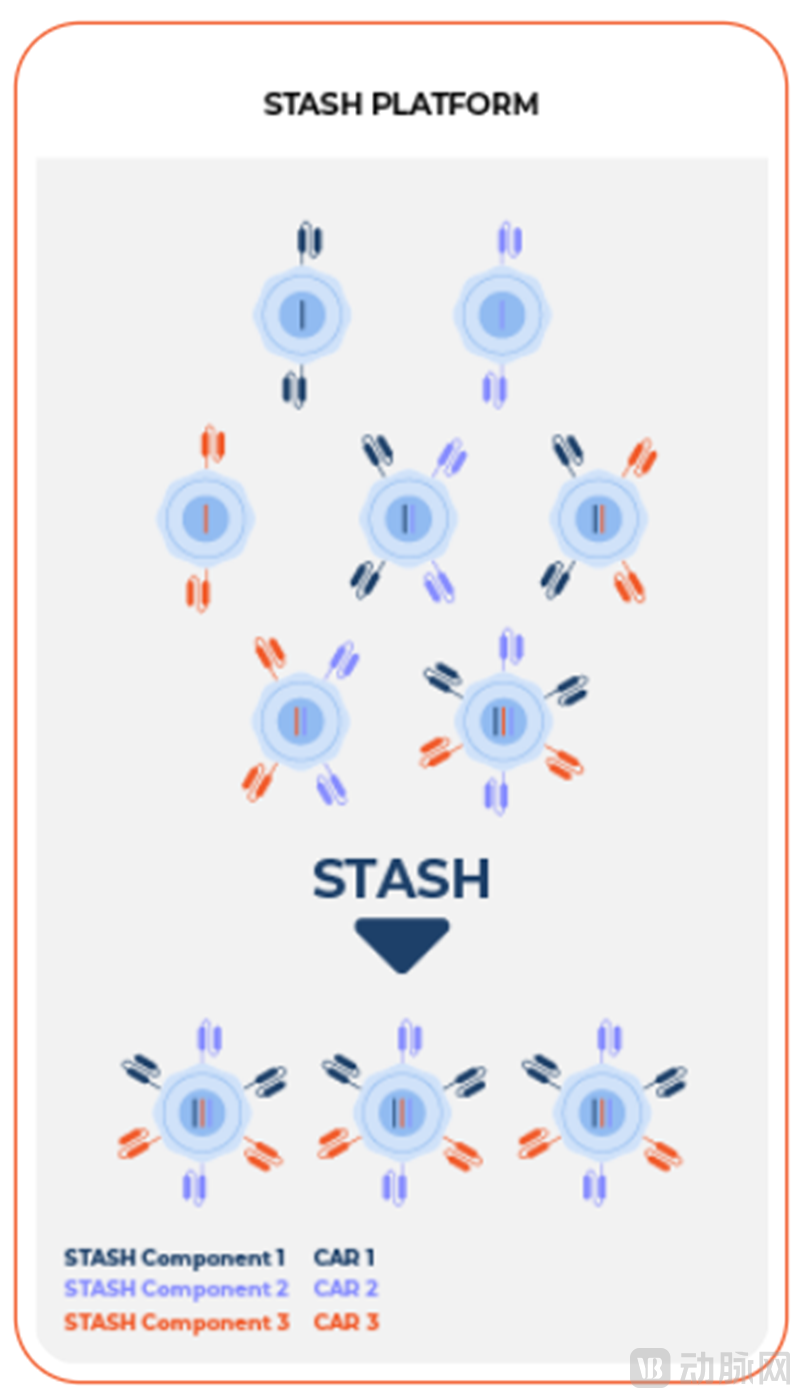
STASH/GAS Technology Can Support Next-Generation Diversified CAR-T Cell Engineering
Source: Cargo Therapeutics Official Website
In 2017, the FDA approved the first CAR-T cell therapy product. More than five years have passed, and according to incomplete statistics, China's NMPA currently...Two have been approved for marketing.Six CAR-T cell therapy products have been approved for marketing by the U.S. FDA. However, these CAR-T cell therapy products have cured less than half of cancer patients.
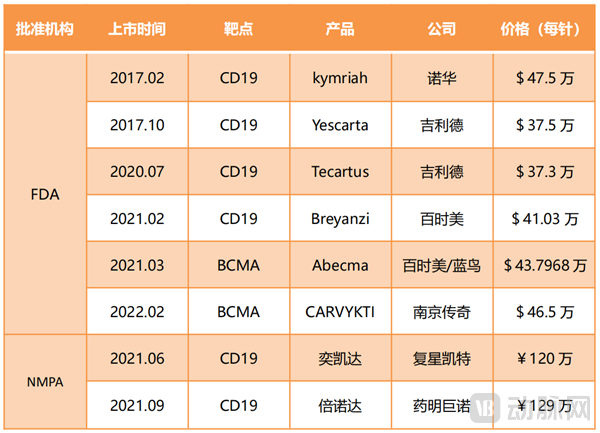
Approved CAR-T Therapy Products
Compiled and produced by VCBeat
Thanks to the rapid development of human life science research and gene editing technology, CAR-T technology has gone through five iterations. CARGO is advancing a "First/Best in class" new generation of CAR-T cell therapy to conquer cancer.
CARGO Therapeutics currently has two product lines under research and development: CD22 CAR-T and Multi-Specific CAR-T. In addition, CARGO plans to advance the stage development of its exclusive platform technology and new technological innovations, covering a wider range of cancer types and enabling more patients to benefit from CAR-T therapy.
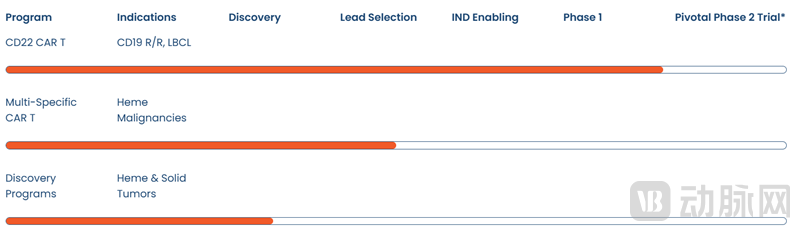
CARGO Therapeutics' R&D Product Pipeline
Source: CARGO Therapeutics Official Website
Large B-cell lymphoma (LBCL) is the most common aggressive lymphoid malignancy in the United States and Europe, accounting for approximately 30% to 40% of all non-Hodgkin lymphomas (NHL). CD22 is a transmembrane protein expressed on normal B cells and B-cell malignancies, and the majority of B-cell lymphomas exhibit CD22 expression.
Cargo Therapeutics' CD22 CAR-T cell therapy is a precision treatment based on the CD22 target. The product is currently in Phase I clinical trials, evaluating the role of CD22 CAR-T cell therapy in LBCL patients who have relapsed or are refractory to CD19 CAR-T cell therapy.
The study recruited 41 patients, of which 38 successfully received treatment. On February 17, 2023, CARGO presented the latest results of this clinical trial at the joint meeting of ASTCT (American Society for Transplantation and Cellular Therapy) and CIBMTR (Center for International Blood and Marrow Transplant Research): after an average follow-up of 18.4 months, the ORR (Objective Response Rate) of the 38 patients was 68%, and the CR (Complete Response) was 53%.
Preliminary results in adults indicate that CD22-targeted CAR-T cell therapy demonstrates safety and anti-tumor activity in patients with R/R LBCL who have undergone CD19 CAR-T cell treatment.
Based on Phase I trial data, CD22 CAR-T has been granted Breakthrough Therapy designation by the U.S. Food and Drug Administration (FDA), which will allow the product to receive priority review and special approval in subsequent regulatory processes.
CARGO is also developing a multi-specific CAR-T therapy with CD2 co-stimulatory signaling, aiming to overcome various cancer cell resistance mechanisms such as antigen loss, co-stimulatory (CD58) loss, and lack of CAR-T persistence.
CARGO Therapeutics stated that the therapy has the potential to treat various malignant hematologic tumors, and is planning to select a development candidate program and advance an IND to support research.
Three of the founders of CARGO are internationally renowned experts in medicine and biology from Stanford University, and the other is a juris doctor dedicated to promoting the development of cancer drugs through policy.

The Four Founders of CARGO Therapeutics
Source: CARGO Therapeutics Official Website
Crystal Mackall is a professor of pediatrics and medicine at the Stanford University School of Medicine, while also serving as the deputy director of the Stanford Cancer Institute and the co-medical director of the Laboratory for Cell and Gene Medicine. The core of CARGO's CAR-T therapy clinical candidate CRG-022 originates from the CD22-CAR developed in Crystal Mackall’s laboratory (Blood, 2014).
Robbie Majzner is an assistant professor of pediatrics in hematology and oncology at the Stanford University School of Medicine. Cargo Therapeutics has introduced the CD2 platform designed by Robbie Majzner's team and is co-developing it with the company’s CD22 CAR-T to overcome cancer cell resistance.
Louai Labanieh is a PICI (Parker Institute for Cancer Immunotherapy) scholar and postdoctoral researcher at the Stanford University School of Medicine. He uses synthetic biology and protein engineering to develop smarter, safer, and more effective CAR-T cells. He has co-authored 24 articles in top journals such as Nature, Science, and Cell.
Nancy Goodman holds a Juris Doctor degree from the University of Chicago, a Master's degree from Harvard Kennedy School, and a Bachelor of Arts degree from the University of Pennsylvania. She is also the CEO of Kids v Cancer, an organization dedicated to advancing policy reforms to attract biotechnology and pharmaceutical companies to develop pediatric cancer drugs.
The founders have accumulated a wealth of medical experience and technical achievements in the fields of cellular immunology and CAR-T cell engineering. These experiences and achievements form the basis for subsequent CARGO research and are also an important reason why it has gained the expectations of well-known investors in the CAR-T field.
Less than 10 approved globally, will CARGO succeed?
As a new trend in global cancer treatment, the CAR-T sector has become an object of pursuit for major capital. According to data from the journal Nature Reviews Drug Discovery: the pipeline for CAR-T cell drug development in 2021 increased by 299 compared to 2020.
The contradiction between thousands of R&D companies globally and only a few companies with products approved for marketing stems from the characteristics of CAR-T cell therapy, namely, the treatment model of "personalized customization" conflicts with the scaled and automated production and supply of commercial products.
In 2021, China's first approved CAR-T drug—Axicabtagene Ciloleucel Injection (Yikaida) garnered significant public attention due to its price of 1.2 million RMB per injection, while most CAR-T drugs in the United States are also priced at hundreds of thousands of dollars.
CAR-T drugs have limitations such as high production costs, long manufacturing times, and difficulties in standardizing the process. Therefore, how to achieve product commercialization based on clinical development is a challenge that companies must face.
CARGO, as a startup, has developed a CMC (Chemistry, Manufacturing and Controls) approach to address key issues related to access, cost, and supply in the production of autologous CAR-T cell therapies.
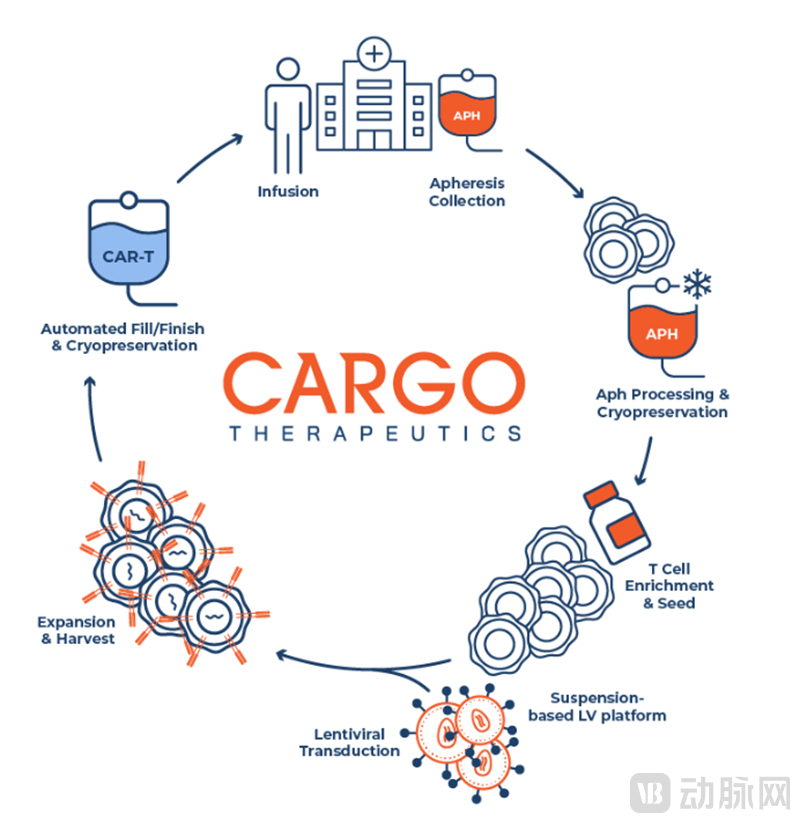
Acquisition, Cost, and Supply Process of CAR-T Products
Source: CARGO Therapeutics Official Website
CARGO has also established a differentiated manufacturing process, which, in addition to supporting the ongoing CD22 CAR-T clinical trials, has the technical operations team exploring ways to make the development of CAR-T cell therapy efficient and cost-effective, ensuring clinical development and eventual commercialization.
For CAR-T treatments that are not a one-time cure, CARGO is dedicated to maintaining and extending the activity of CAR-T cells throughout their entire lifecycle, preventing cancer cells from evading immune surveillance, thereby improving treatment outcomes.
Carl June, known as the "Father of CAR-T," once said that when computers first appeared, they cost millions of dollars each, but now you can buy a computer with tens of thousands of times better performance for just a thousand dollars. Therefore, through continuous technological iteration, CAR-T therapy can be made more affordable and accessible to more patients.
Cargo Therapeutics' new generation of CAR-T cell therapy is committed to extending precision medicine to cover more diseases, benefiting more patients, prolonging the lives of more patients, and bringing new changes to the field of immune cell therapy.