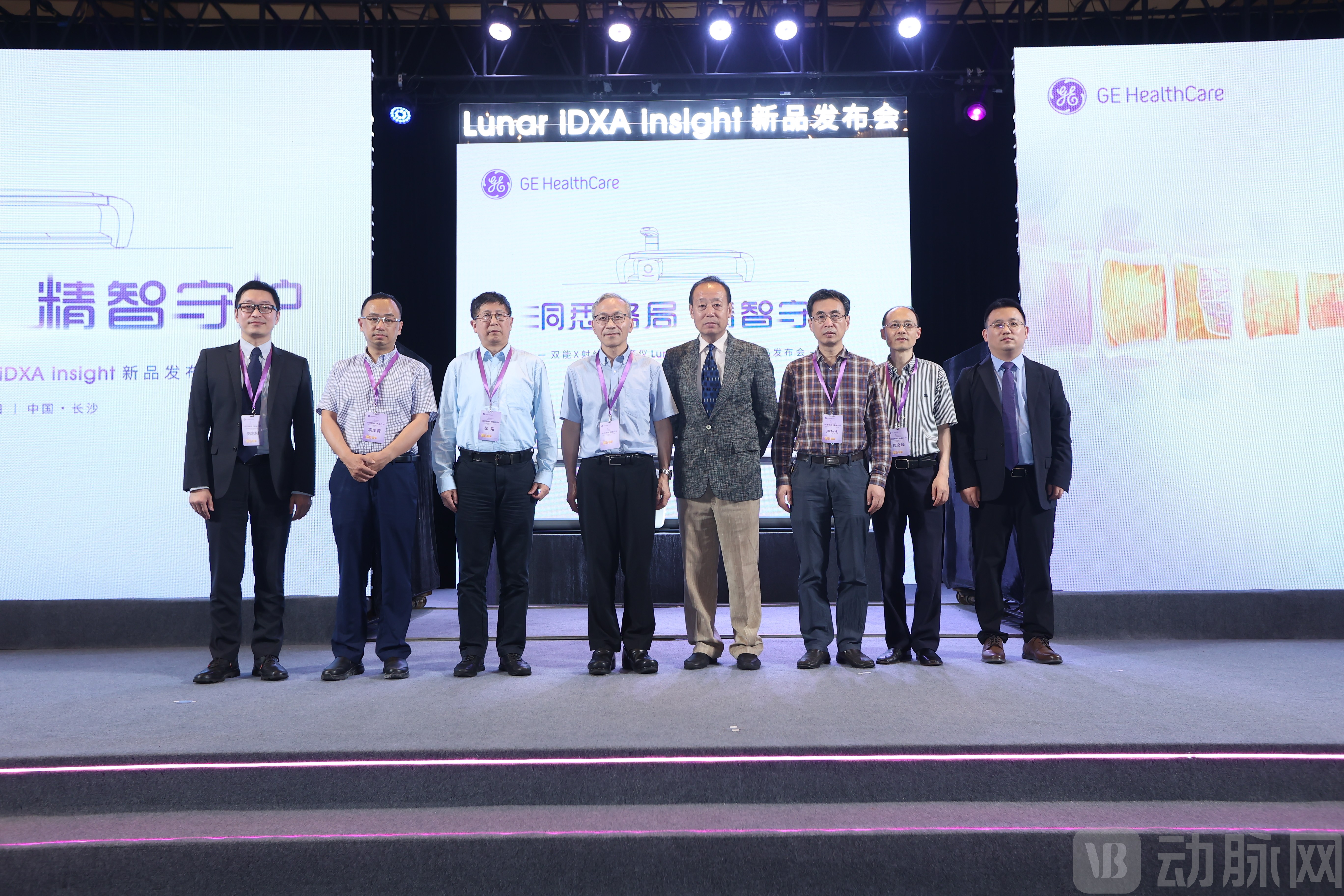
GE Healthcare Launches First Domestically Manufactured Lunar iDXA Insight Dual-Energy X-ray Absorptiometry Bone Densitometer in China

GE Healthcare
Digital Solution Provider
June 2, 2023, Changsha — GE Healthcare's first domestically produced high-end research dual-energy X-ray bone densitometer, Lunar iDXA insight, debuts in China.
This device is the latest achievement from GE Healthcare's Beijing Imaging Equipment Manufacturing Base. Its TBS Trabecular Bone Score system enables the assessment of bone microstructure and comprehensive evaluation of bone quality. Compared with traditional methods, it effectively increases the detection rate of high-risk fracture populations by 30% and warns of potential fracture risks.
The launch of Lunar iDXA insight not only provides strong support for the implementation of the Healthy Aging initiative and the "Healthy China 2030" strategic plan, but also marks another significant milestone in GE Healthcare's "Comprehensive Localization" strategy.
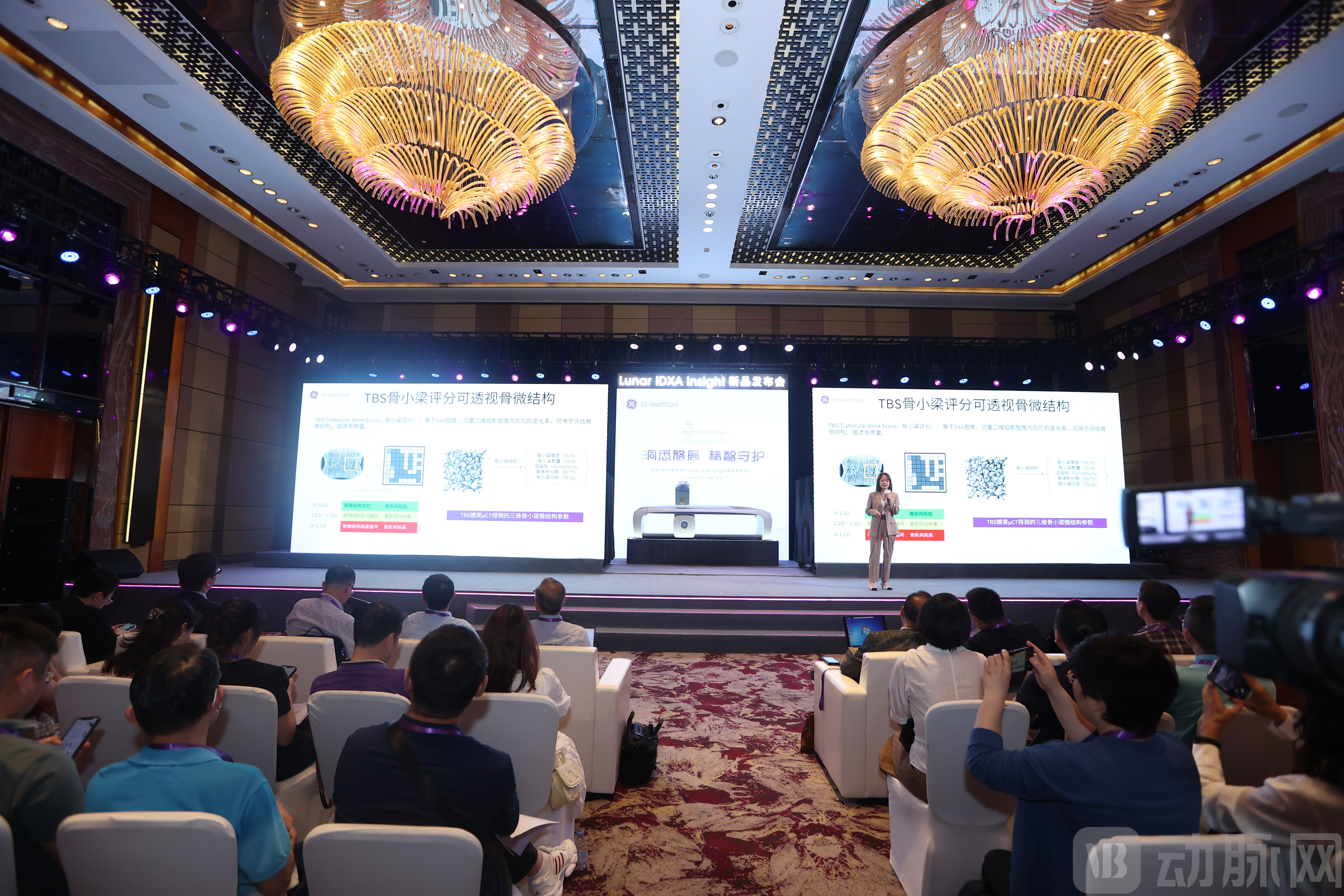
According to the "Guidelines for the Diagnosis and Treatment of Primary Osteoporosis 2022 Edition," approximately 90 million people in China are affected by osteoporosis, making China the country with the highest number of osteoporosis patients globally. However, the prevention and treatment of osteoporosis in China face severe challenges characterized by a high prevalence rate and low awareness, diagnosis, and treatment rates ("one high and three lows"). Significant disparities also exist in the level of osteoporosis diagnosis and treatment between different regions and urban and rural areas in China. The public's awareness and diagnosis rates of osteoporosis are only 7.4% and 6.4%, respectively, which remain relatively low. More critically, even after fragility fractures occur, the treatment rate for osteoporosis in China is only 30%.
In this regard, Professor Xie Zhongjian from the Second Xiangya Hospital of Central South University explained"Osteoporosis is more prevalent than any acute or chronic disease and can lead to a series of fractures or even more severe conditions. However, unlike blood pressure, osteoporosis is not easy to detect and requires professional equipment for diagnosis. This further results in people’s awareness and attention towards osteoporosis being less than that of cardiovascular and cerebrovascular diseases, with the overall diagnosis and treatment rate for osteoporosis in China being relatively low."
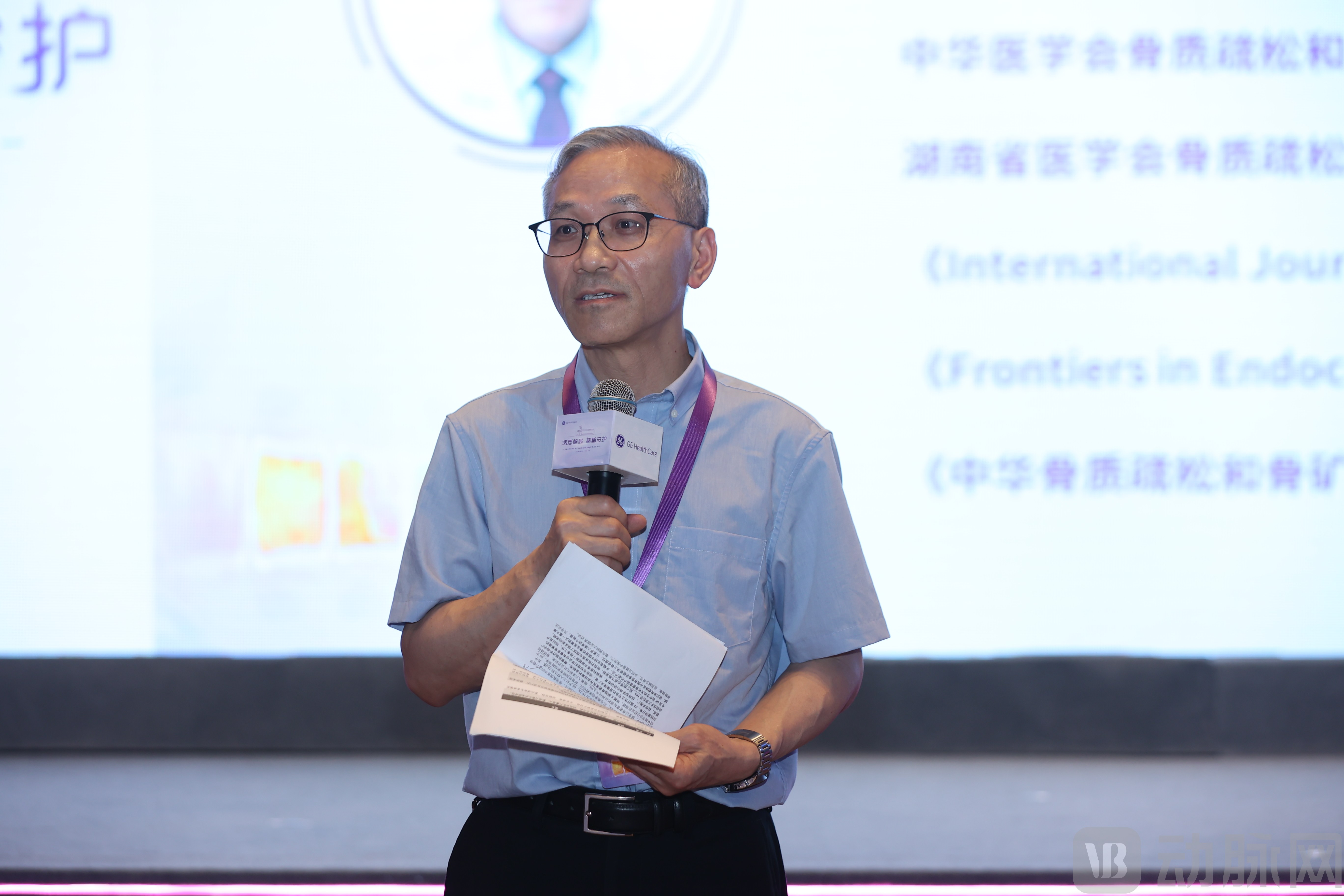
Professor Yu Wei from Peking Union Medical College Hospital stated"Due to China's large population base and the low penetration of relevant equipment and technology, both the general public and medical professionals have a relatively low level of awareness regarding bone health. This insufficient awareness and attention further lead to fewer medical visits for related diseases and a significant shortage of equipment. In fact, bone densitometers have long been recognized by the WHO as the gold standard for diagnosing osteoporosis. However, according to statistics from the World Health Organization (WHO), it is not only in China but also globally that there is a significant shortage of bone densitometer devices. The industry urgently needs experts, associations, medical institutions, and equipment manufacturers to collectively raise awareness and prioritize diagnostic coverage and prevention efforts in the field of bone health."
With the aggravation of China's aging population, "Healthy Aging" has become a common goal pursued by the whole society. At the same time, the elderly population is paying more attention to high-quality life and bone health, and the clinical demand for bone density testing is increasingly showing a diversified trend. The "14th Five-Year Plan for Healthy Aging" proposes nine tasks, including improving the preventive healthcare service system that emphasizes both physical and mental health, enhancing the level of geriatric medical services, improving geriatric health service capabilities, and promoting the technology and industry development for healthy aging.
For patients with osteoporosis, it is important not only to focus on their own bone density but also to comprehensively evaluate bone quality by considering bone microstructure, in order to detect hidden skeletal risks as early as possible. The dual-energy X-ray absorptiometry (DXA) scanner, recognized globally as the "gold standard" for diagnosing osteoporosis, is a non-invasive, rapid, and safe examination that can effectively improve the detection rate of bone diseases.
GE Healthcare's newly released bone densitometer, Lunar iDXA insight, not only expands a wealth of clinical functions to meet the application needs of multiple departments across the hospital but also provides precise diagnostic results and serves clinical research work through its "bone density + bone microstructure" measurement system. Additionally, by integrating an intelligent platform, it makes the technician's operation more convenient and efficient while standardizing procedures. This effectively enhances the efficiency of patient visits and hospital throughput, allowing the elderly population to undergo more cost-effective osteoporosis testing.
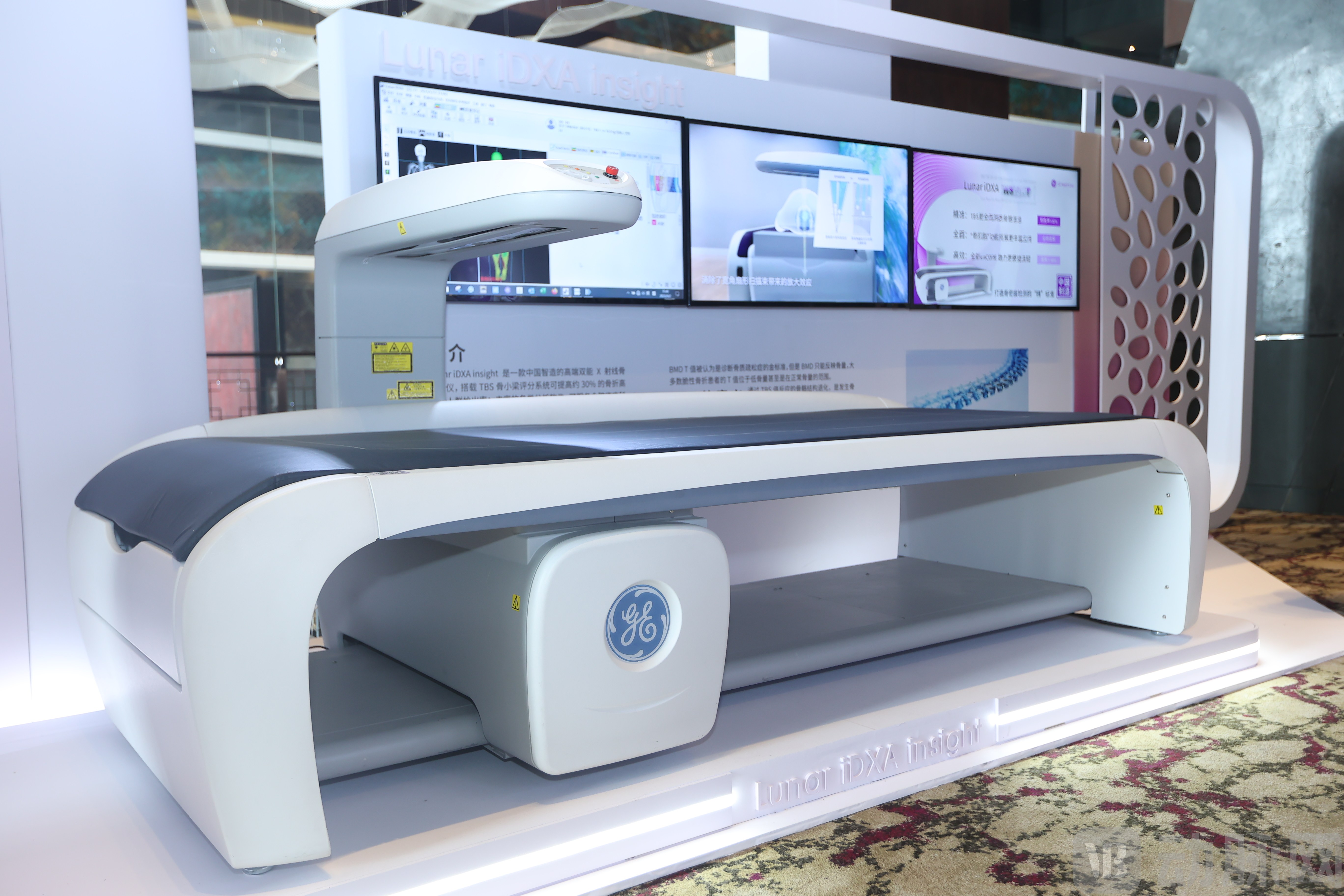
On one hand, the device is equipped with the TBS (Trabecular Bone Score) system, which can perform trabecular structure analysis based on 2D images scanned by the main unit without additional scanning time or radiation dose. It simultaneously provides assessment data on skeletal and metabolic health, offering functions such as osteoporosis diagnosis, fracture risk evaluation, skeletal morphology/geometric analysis, body composition analysis, sarcopenia assessment, and sports medicine capabilities. This allows for a comprehensive evaluation of bone microstructure and bone quality. While meeting the clinical and research needs of multiple departments, it increases the detection rate of osteoporosis patients by approximately 30%.
On the other hand, the Lunar iDXA insight bone densitometer not only offers comprehensive clinical testing and analysis functions but also, based on the all-new enCORE software platform system installed on the device, assists technicians with computer-aided guidance through the entire process from scanning to report generation. This allows for a single positioning to complete scans of the lumbar spine, femur, and whole body, improving work efficiency by approximately 40%. Moreover, the enCORE software platform provides over 200 customizable equations, metrics, ratios, and thresholds, helping doctors better manage patient data and explore new research fields.
In addition, the device-specific intelligent quality control — Scancheck automatic intelligent inspection function — can assist technicians in standard positioning checks from the quality control end, improving clinical examination efficiency while enhancing the patient's medical experience.
Hui Fei, General Manager of GE Healthcare China DXR Business, said"Osteoporosis is known as a 'silent killer,' posing severe challenges to bone health in the aging population. Based on a comprehensive localization strategy, GE Healthcare has launched a domestically produced high-end innovative bone densitometer that fills the gap in equipment technology. This empowers precise diagnosis and treatment of osteoporosis in China’s elderly population and effectively warns of potential fracture risks. At the same time, for grassroots healthcare, we will actively collaborate with industry experts and scholars to enhance doctors’ operational skills while promoting the widespread use of the equipment. This ensures that medical institutions at all levels can utilize the devices proficiently and better serve patients. As a leader in industry products and technology, we have a responsibility to work with industry experts. Based on the DXA ‘gold standard’ for precise diagnosis, we aim to improve hospitals' understanding of the multifunctional clinical development and application of bone densitometers across various departments. Additionally, we will promote public welfare campaigns on bone health in broader fields to raise awareness and improve overall skeletal health in China."