

Frontier Medicines Files IPO Prospectus: Targeting 'Undruggable' Proteins with a Proprietary Chemoproteomics Platform and 150,000+ Protein Hotspots

Frontier Medicines
Proteomics Platform Developer
Frontier Medicines, founded in 2018, is an innovative pharmaceutical company in the field of precision medicine, focusing on proteomics drug research and development. Frontier has developed a proprietary chemoproteomics platform that can be used to discover targetable sites on "undruggable" proteins, thereby developing targeted drugs.
Frontier Medicines' first small-molecule covalent drug, FMC-376, has entered the preclinical stage. Data shows that the efficacy of FMC-376 is 1000 times more potent than the previous generation of inhibitors.
On January 5 this year, Frontier Medicines announced that the second and third pipelines under its collaboration with AbbVie have entered the potential lead generation stage, which will utilize novel E3 Ligases for targeted protein degradation.
On April 6, Frontier Medicines Corporation announced the plan to initiate the IND application for FMC-376 in the second half of the year.
The Future of Proteomics Beckons to Humanity,FMC-376 has a long way to go, butThe Frontier platform is precisely the moat that Frontier has dug in proteomics technology. This gives it control over multiple pipelines awaiting development and more than 150,000 protein hotspot residues.
Biomedical innovation has long entered the era of molecular biology.
As research deepens, the information presented by genomics can no longer fully explain the formation of complex human diseases. An increasing amount of evidence shows that the correlation between mRNA expression and protein expression is limited. Key functions such as post-translational modification, cleavage, complex formation, and localization of proteins have not received due attention.Against this backdrop, proteomics has emerged as a new pinnacle in the field of biological science.
Proteomics can be used to systematically study the expression levels, cellular localization, post-translational modifications, and protein interactions of proteins in living organisms. In the field of disease research, proteomics, combined with physiology, biochemistry, cell biology, and bioinformatics, provides an in-depth understanding of the actual and abnormal conditions of proteins encoded by the organism's genes, elucidates the mechanisms of disease occurrence, and offers new therapeutic insights.
As a deep-water track in precision medicine, proteomics applications span multiple areas such as scientific research discovery, drug transformation, and diagnostic applications. The corresponding technology market and pharmaceuticals market have also become a big cake.
According to Frost & Sullivan, by 2025, the global proteomics services market size will reach 6.8 billion USD, with a compound annual growth rate of 17.6%. Data from Cowen Equity industry research shows that in 2021, the global proteomics market size was as high as 28 billion USD, with an increase of over 10%.
Frontier Medicines Corporation, based on its proprietary chemoproteomics platform, is targeting those "undruggable" disease-causing proteins to develop breakthrough therapeutic drugs.
Currently, 90% of the human proteome surface lacks identified binding sites, making it impossible for small molecules to target effectively. These are referred to as "undruggable" disease targets.Frontier Medicines Corporation believes that proteins are three-dimensional molecular structures in constant motion, exhibiting plasticity under native physiological conditions. When they undergo conformational changes or movement, "transient pockets" appear, which are sites that can be targeted.
Chemoproteomics is an indirect discovery strategy based on targets, capable of directly identifying compoundable sites, providing support for subsequent research and applications in molecular mechanisms such as drug target binding, drug selectivity, drug action mechanisms, and pathogenic mechanisms.
Therefore, Frontier Medicines Corporation has developed a drug discovery platform powered by chemical proteomics, covalent chemistry, and machine learning, named Frontier.
Dataset Druggability AtlasTM
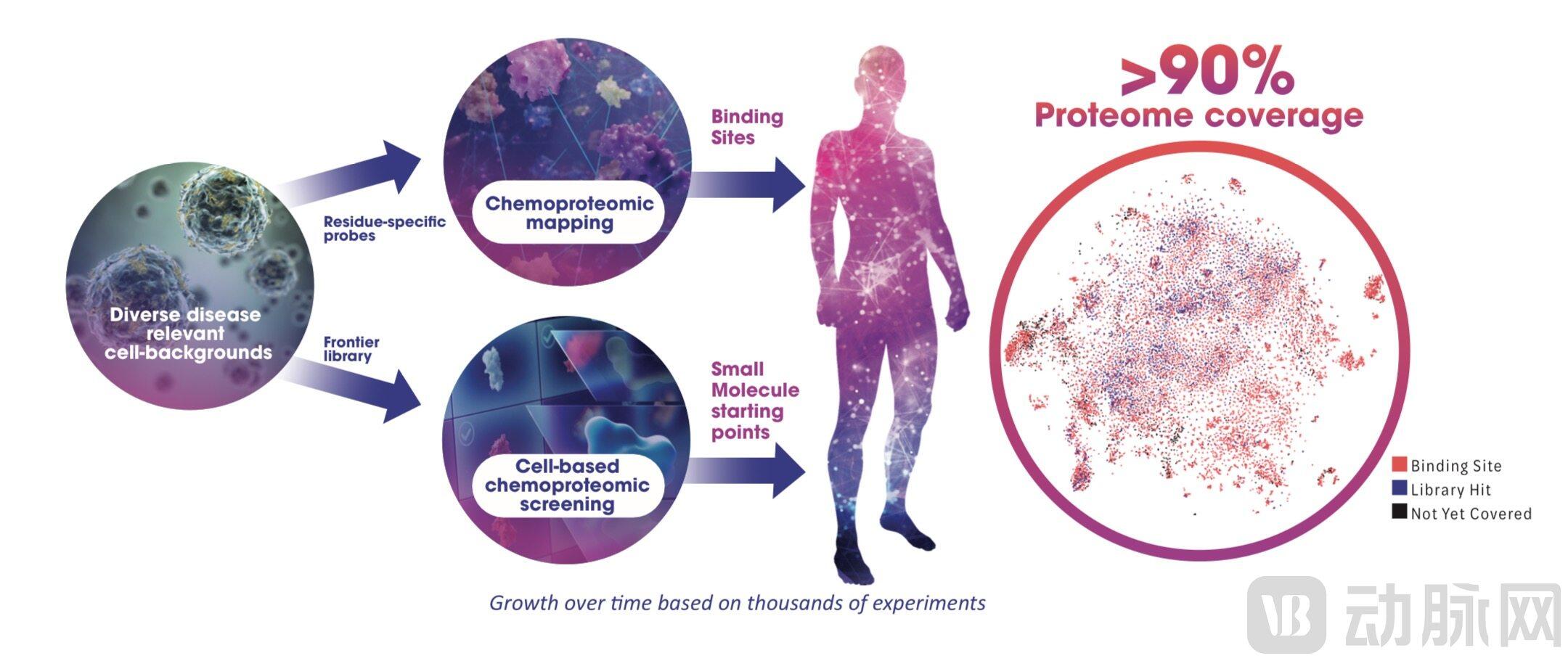
Frontier Platform Construction Logic
Source: Frontier Medicines
Frontier platform integrates billions of experimental chemoproteomics data points, covalent modification sites, and customized AI algorithms into the dataset Druggability Atlas.TM。Druggability AtlasTMIt is the starting point for understanding potential therapeutic target drugs, enabling seamless integration and access to 90% of the human proteome and over 150,000 protein hotspots (hot spots).
Frontier Medicines Corporation has developed proprietary machine learning algorithms utilizing the Druggability Atlas.TMThe hot data in the database prioritizes the comprehensive potential of protein relative reaction regions and enters an effective machine screening strategy.
Covalent Chemistry
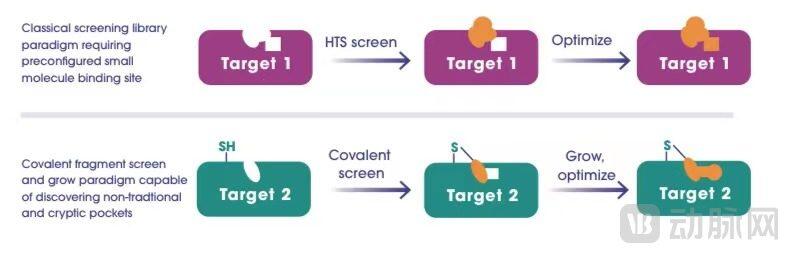
Comparison of Traditional Molecular Binding (Top) and Covalent Fragment Fixation (Bottom)
Source: Frontier Medicines
Compared with molecules in traditional high-throughput screening libraries, covalent fragments are less complex and thus more likely to bind to "transient pockets" on proteins.
Covalent drugs form chemical bonds with their targets. When there are ambiguous "temporary pockets" or disordered domains, chemical bond binding provides an anchor for constructing effective drug molecules. Once the precise site of the target is identified, the bound covalent drug can inhibit disease-related protein activity.
Covalent Fragment Library
Based on the discoveries from chemical proteomics and the fixation of covalent chemistry, Frontier Medicines Corporation has customized a proprietary covalent fragment library powered by artificial intelligence algorithms. The covalent fragment library will screen small molecule fragments to identify those that preferentially bind to the key proteins under research focus.
Using high-throughput biophysical, biochemical, and biotechnological methods, Frontier Medicines' high-throughput protein mass spectrometry platform can process thousands of complete protein samples daily. Based on the mass spectrometry results of protein samples, a covalent fragment library employs high-resolution mass spectrometry to investigate selectively bound fragments for determining binding kinetics, modification sites, and proteome-wide selectivity. Once algorithmically validated, specific fragment hits and drug design will be rapidly advanced.
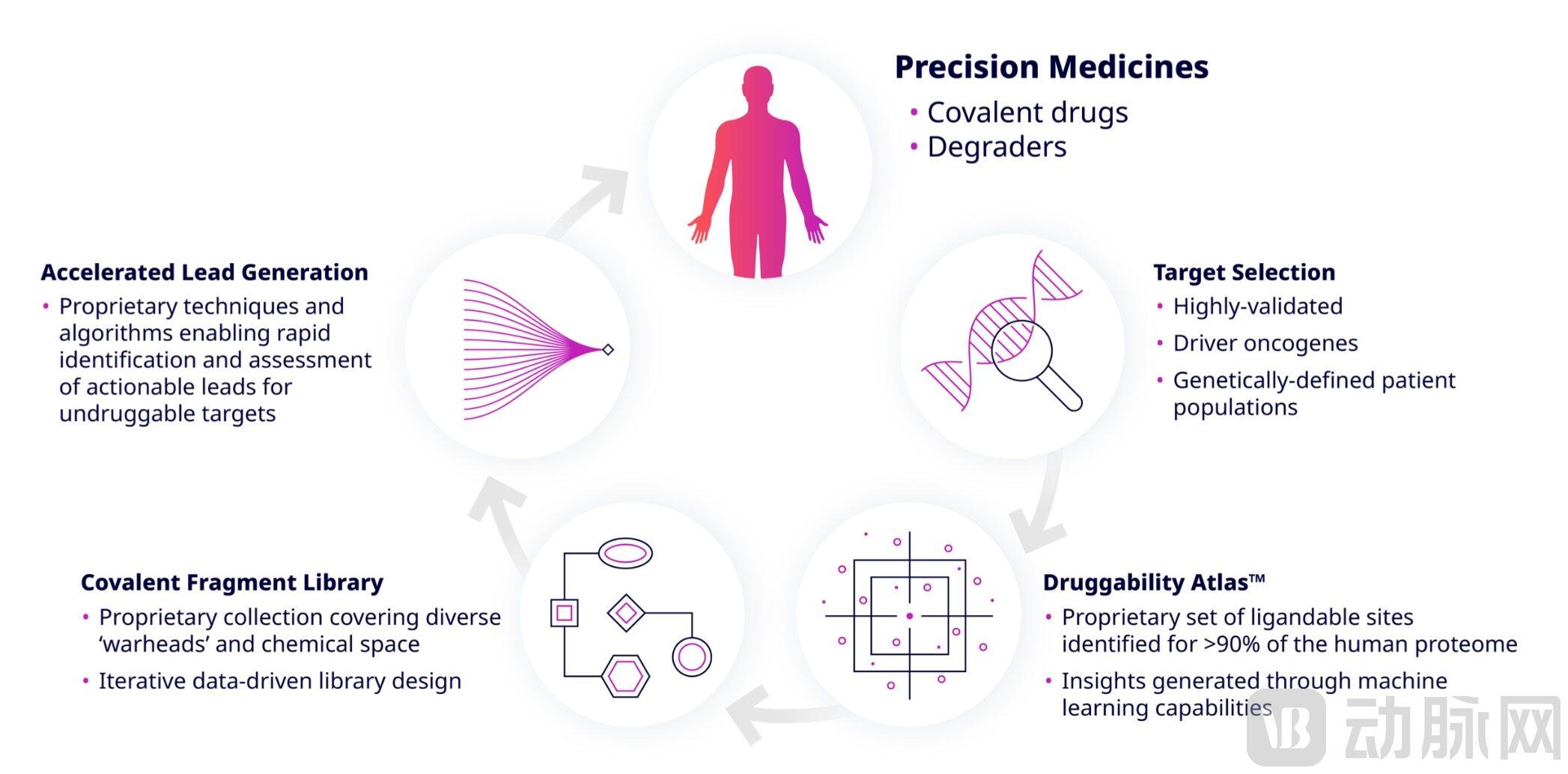
Frontier Platform Drug Discovery Process
Source: Frontier Medicines
Based on its proprietary discovery platform, Frontier Medicines has laid out multiple drug development pipelines. The first target was selected as KRAS (Kirsten rat sarcoma viral oncogene homolog) — the first human tumor gene ever discovered.
KARS belongs to the RAS superfamily of proteins, and its mutations were discovered in 1982. It is currently known to be associated with 14% of human cancers. The protein encoded by the KARS gene is a small GTPase, which participates in various signaling functions in cancer cells.
Inside the cell, the KRAS protein switches between inactive and active states. When KRAS is bound to guanosine diphosphate (GDP), it remains inactive; when bound to guanosine triphosphate (GTP), it becomes active and can activate downstream signaling pathways. These downstream signaling pathways play a crucial role in promoting cell survival, proliferation, and cytokine release.
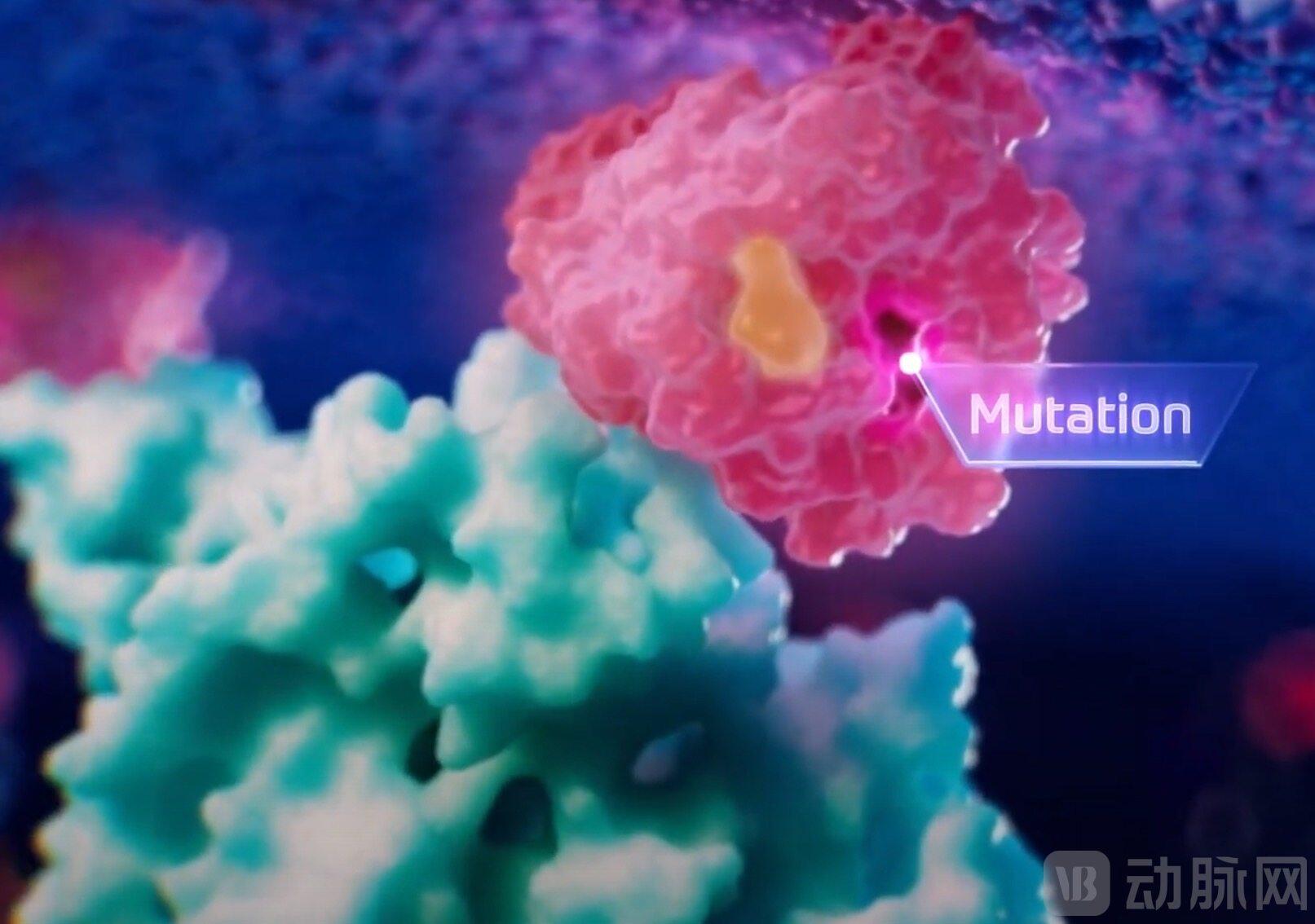
KRAS Mutation Simulation
Source: Frontier Medicines
When KRAS mutates, it remains continuously bound to GTP, locking KRAS in the active state of receptor tyrosine kinase and constantly activating downstream signaling pathways. Persistent signaling stimulation of the downstream pathways will promote cell proliferation and migration, ultimately leading to tumorigenesis.
In theory, targeting the site where KRAS binds to GTP with small molecules can inhibit the interaction between KRAS and GTP. However, the affinity between KRAS and GTP is very strong, and the concentration of GTP in cells is extremely high. This makes it difficult for inhibitors directly targeting the GTP-binding site of KRAS to be effective.
As research deepens, targeting KRAS mutants using heterogenic sites ("temporary pockets") becomes possible.Drug FMC-376 Targets KRASG12CThe mutant is a "temporary pocket" in the KARS mutation. In KRASG12CIn the mutant, small molecules covalently bound to cysteine are more prone to bind with GDP-bound KRAS protein.
FMC-376 is a covalent small molecule inhibitor:
1- With High Proteomic Selectivity
2-Limit Off-Target Toxicity
3-Direct Acting Active and Inactive All KRASG12CMutation
4- Rapid and durable suppression of KRASG12CSignal
5-Overcoming Receptor Tyrosine Kinase-Driven Resistance
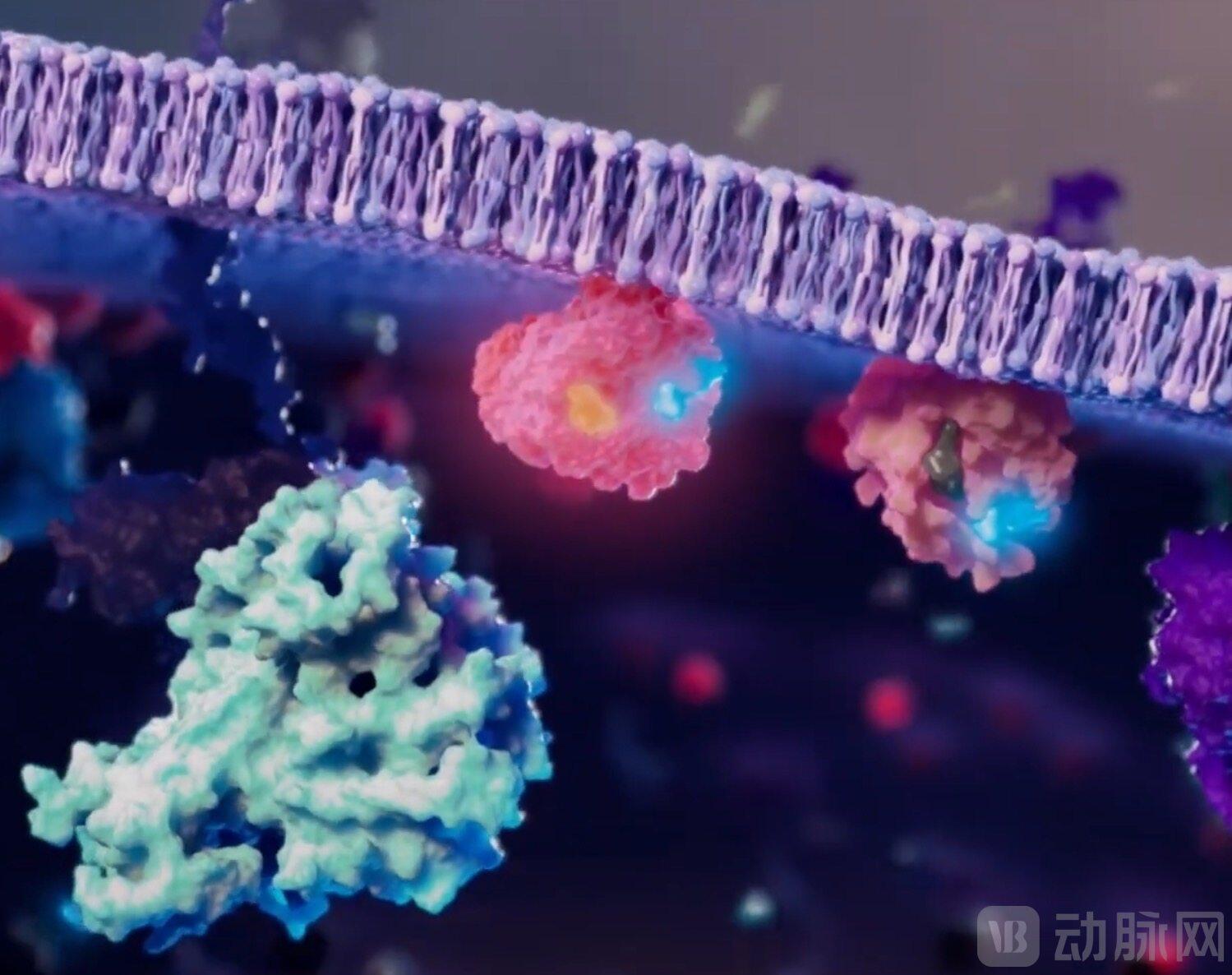
FMC-376 acts on both active and inactive KRASG12CMutation
Source: Frontier Medicines
The standout advantage of FMC-376 is its direct activity on both active and inactive KRASG.12CMutation. This provides a new solution for overcoming non-response to treatment and drug resistance, with more significant effectiveness.Preclinical data show that FMC-376 is 1,000 times more effective than the previous generation of inhibitors in blocking key effector protein interactions and exhibits potent activity in models resistant to the prior generation of inhibitors.
FMC-376 demonstrated broad activity and efficacy, showing in vivo efficacy in multiple CDX and PDX models of non-small cell lung cancer, pancreatic cancer, and colorectal cancer.
In 2020, Frontier Medicines established a global strategic collaboration with pharmaceutical giant AbbVie to discover, develop, and commercialize an innovative pipeline of small molecule therapies targeting "undruggable" proteins. Under this collaboration, Frontier’s platform technology will be applied in immunology to develop next-generation targeted protein degraders with novel E3 ligases.Targeted protein degraders will harness the cell's own mechanisms to physically disrupt and selectively remove pathological proteins.
Following the successful completion of the prescribed preclinical development phase, AbbVie will assume full responsibility for global development and commercialization activities as well as project costs. In addition to royalties on commercialized products, Frontier could potentially receive over $1 billion in development and commercial milestone payments.
It is worth mentioning that AbbVie has reserved the right to expand the cooperation in the future, while Frontier Medicines Corporation has retained global exclusive rights to its internal R&D pipeline. On one hand, the dual-track approach mitigates the risks associated with independent research. On the other hand, this approach also presents greater challenges for its R&D team and company funding.
In 2021, Frontier Medicines completed an $88.5 million Series B financing round. At the same time, Frontier established a branch in Boston to provide professional R&D support for employee training, including discovery, preclinical development, translational medicine, and early clinical development. Frontier’s departments and teams will be split, working simultaneously at the San Francisco headquarters and the Boston branch. This division plan includes all employees, from basic scientists to senior management. The capital injection and team division will support its multi-pipeline synchronous development.
Currently, Frontier has five independent R&D pipelines and three collaborative R&D pipelines under development.
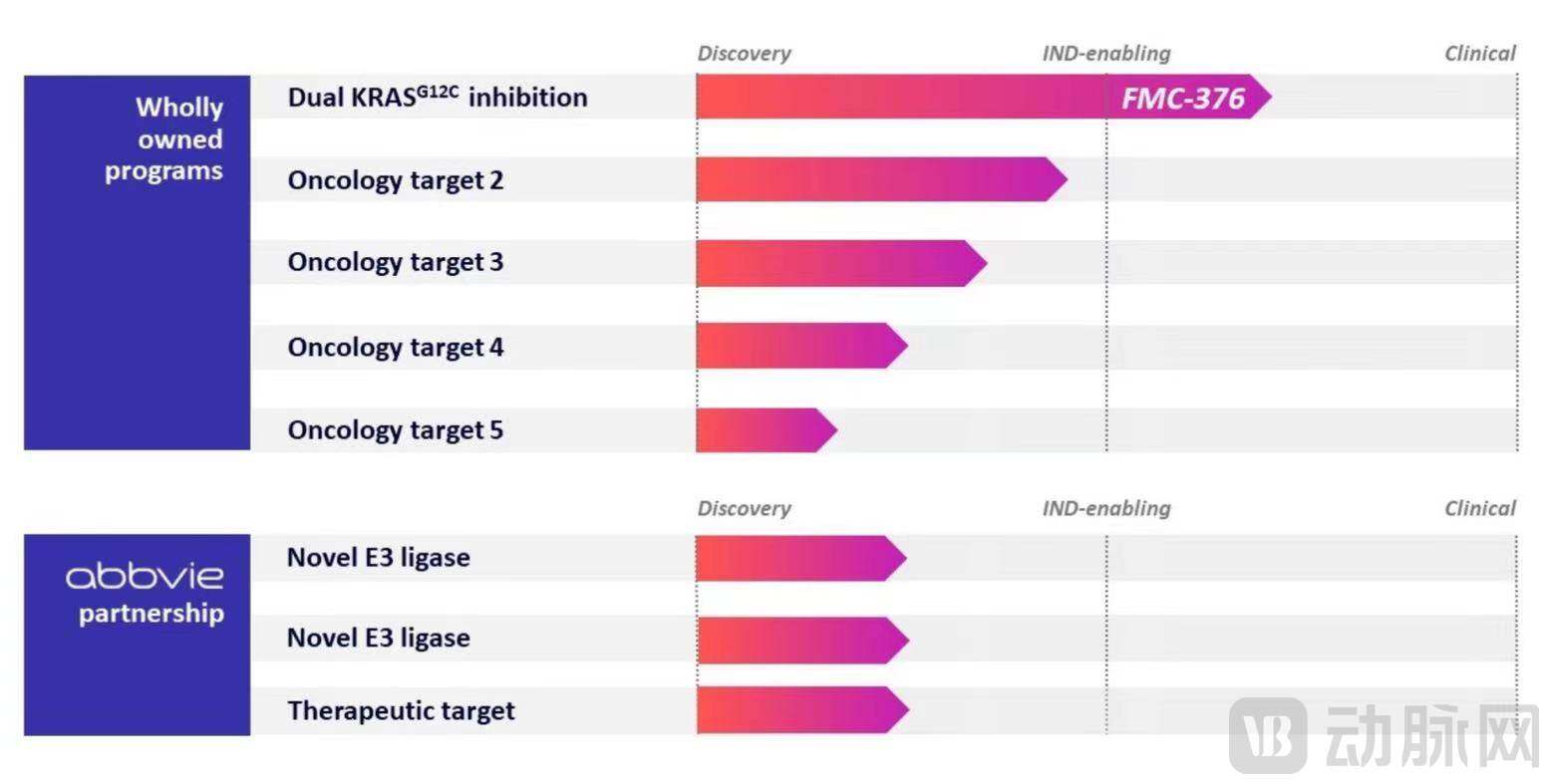
Frontier Pipeline Distribution
Source: Frontier Medicines
This team, which has long been rooted in research and development while remaining flexible, started with a founding combination of a seasoned VC investor and two molecular and cellular biologists.
Chairman and CEO Dr. Chris Varma is a serial entrepreneur and seasoned VC practitioner. Blueprint Medicines (NASDAQ: BPMC), founded by Dr. Chris Varma, is also a biopharmaceutical company targeting cancer, and its product Afatinib has been approved for marketing in China.
Dr. Daniel K. Nomura is a professor of Molecular and Cell Biology and Chemical Biology at the University of California, Berkeley. The Nomura Research Group, led by him, has been focusing on using chemoproteomic platforms to discover "druggable sites" and develop next-generation drugs.
Dr. Roberto Zoncu is an Associate Professor of Molecular and Cell Biology, and Structural Biology at the University of California, Berkeley. Dr. Zoncu's research focuses on the fundamental mechanisms of growth regulation in normal and cancerous states, as well as the role of nutrient sensing and its derived signaling regulation within cells. He has received the NIH Innovator Award, the Pew Stewart Fellowship for Cancer Research, the Edward Mallinckrodt, Jr. Foundation Fellowship, and the Damon Runyon-Rachleff Innovation Award.