

NeuroXess Showcases Academic and Clinical Breakthroughs Amid Sustained BCI Momentum, Files IPO Prospectus

NeuroXess
Invasive Brain-Computer Interface Developer
In early July, Shanghai's temperature had already approached 40 degrees Celsius, the scorching heat making it feel almost suffocating.
However, the scene at the World Artificial Intelligence Conference remains bustling with people. There are even scalpers at the entrance, braving the scorching sun to hawk "tickets" — "400 yuan, guaranteed entry, want to come in?"
It was in this heated atmosphere that NeuroXess released three new products, announced seven academic, animal experimental, and clinical trial achievements, and invited innovative companies in areas such as brain-computer interfaces, organoids, and organ-on-a-chip to jointly discuss the future development trends of biotechnology and information technology (BTIT).
"The research progress of NeuroXess is indeed faster than expected, and the research results are also astonishing." After the press conference, many people expressed their admiration.
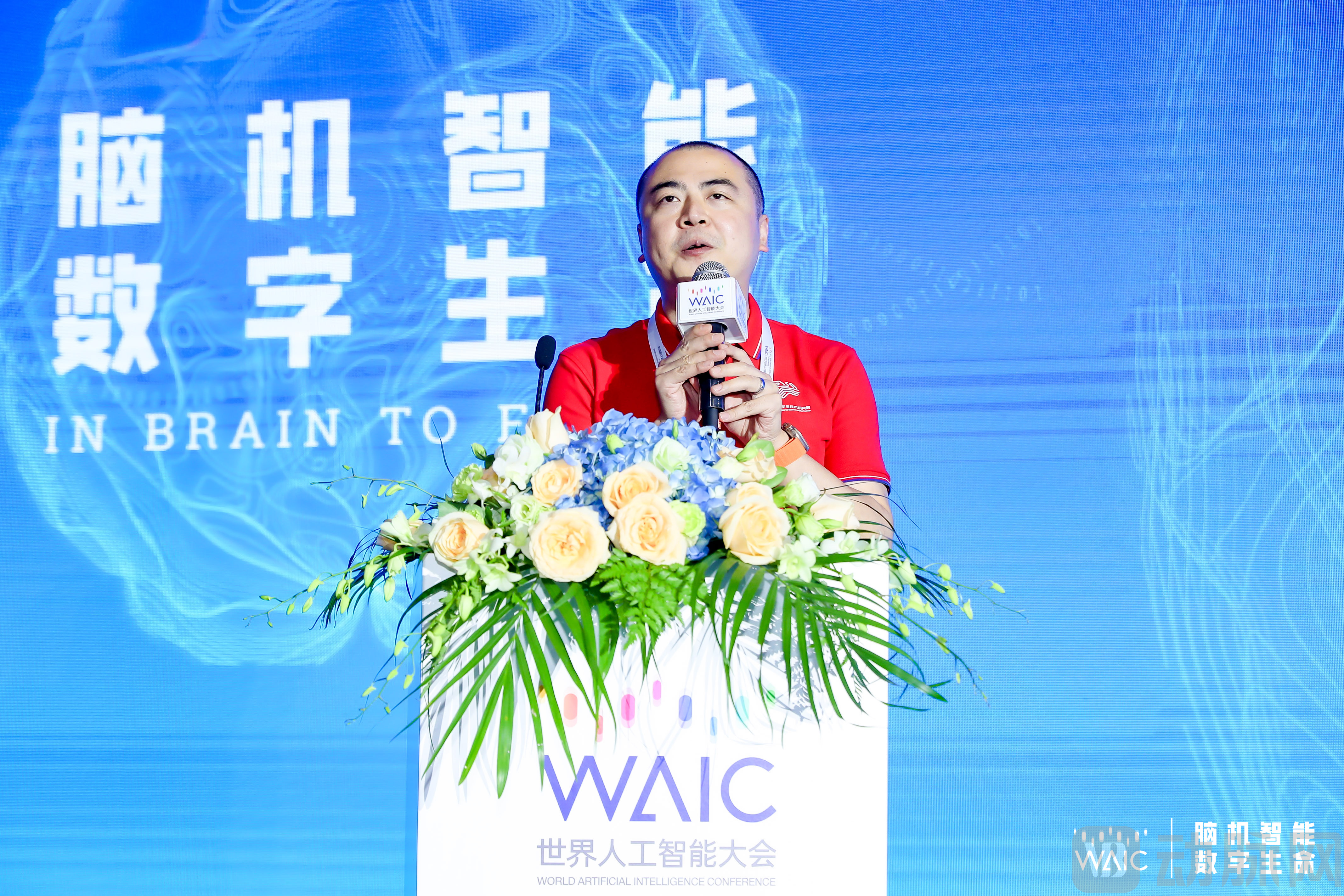
Founder and Chief Scientist of NeuroXess, Tao Hu
But Tao Hu, the founder and chief scientist of NeuroXess, said in the closing speech, "At this stage, a series of brain-computer interface start-ups or researchers, including NeuroXess, are doing two things - one is how to turn patients back into normal people, and the other is exploring where the ceiling of brain-computer interfaces lies. What everyone is doing now is just very rudimentary exploration, and the future is full of tough challenges. NeuroXess is glad to have the opportunity to share our progress with the outside world from time to time, and we also hope that more people will join our path, cooperate with us, build an ecosystem, open up platforms, and use everyone's efforts to achieve our ultimate goal."
It was once believed that brain-computer interface financing had entered a cooling-off period.
However, at the forum "Brain-Computer Intelligence and Digital Life," the atmosphere was in sharp contrast to 'calm' — not only were all seats occupied, but many audience members also stood around and listened throughout the entire event.
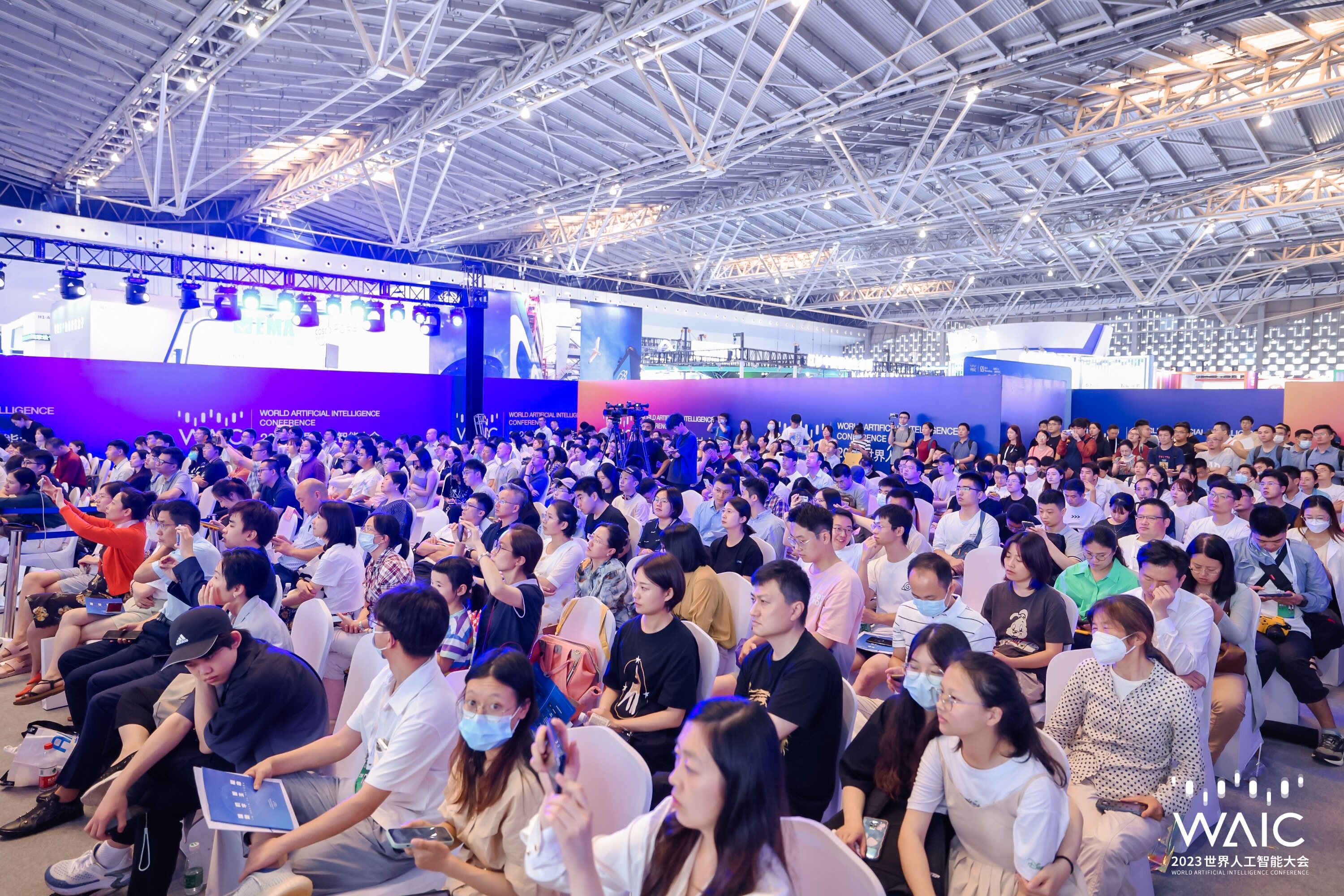
Among the visitors, in addition to investment institutions and brain-computer interface enthusiasts, there were also government representatives, brain-computer interface-related research institutes, universities, and even relevant enterprises. Together, they reviewed the origin and development of brain-computer interfaces and jointly looked forward to the future of this technology.
Liu Ping, Deputy Director of the Shanghai Municipal Commission of Economy and Informatization"It is reported that currently, advanced biotechnologies represented by brain-computer interfaces are rapidly evolving, becoming the main battleground for the next generation of life sciences and information technology integration. In response, Shanghai has released the 'Plan for Developing and Expanding Future Industrial Clusters,' strongly promoting breakthroughs in non-invasive brain-computer interface technology, brain-computer fusion technology, and neuromorphic chip technology. Moreover, in the future, Shanghai will further advance the development of high-end industries such as brain-computer interfaces and biochips from three aspects: technical support, data application enhancement, and talent supply."
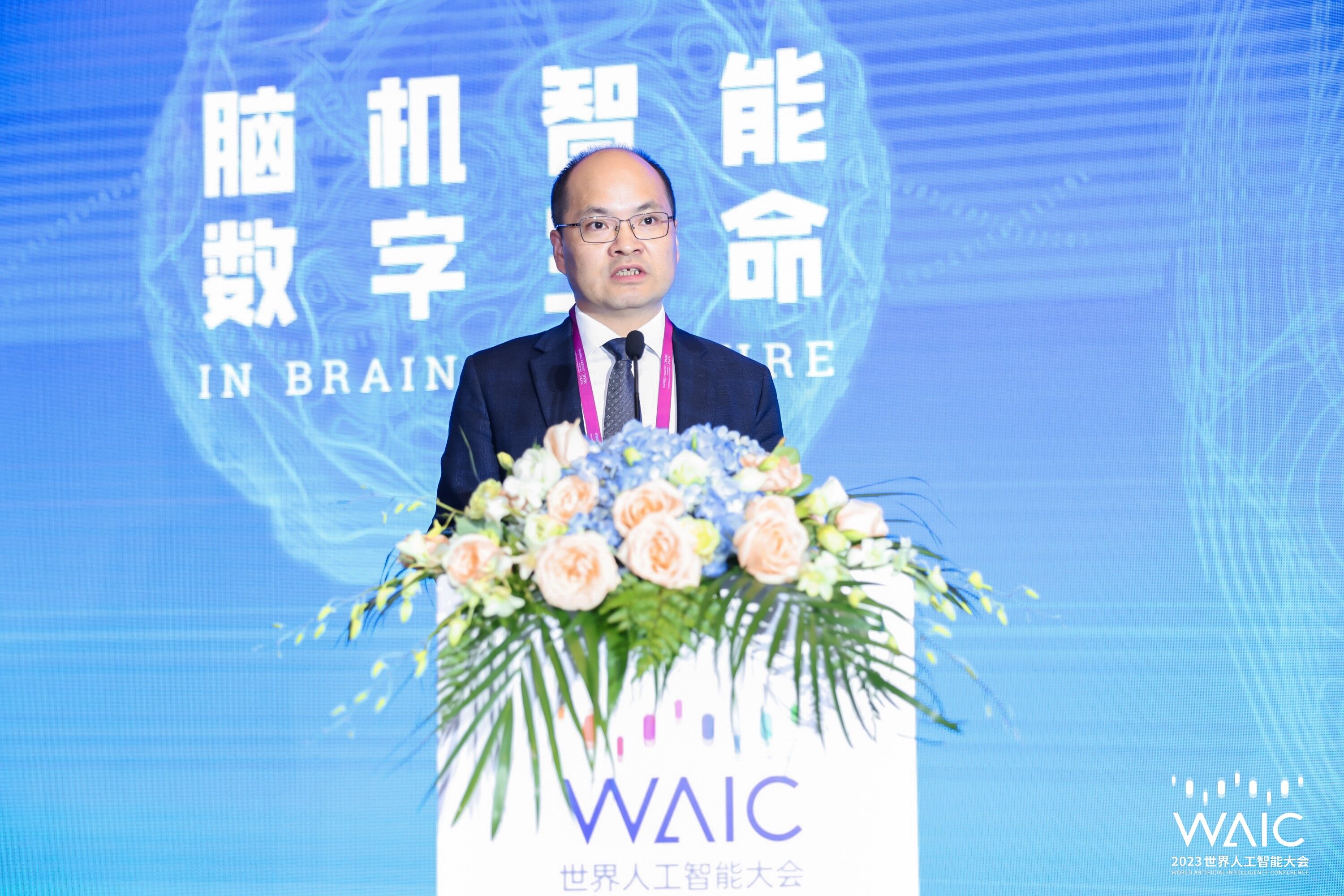
Liu Ping, Deputy Director of the Shanghai Municipal Commission of Economy and Informatization
Wu Chengtie, Deputy Director of the Shanghai Branch of the Chinese Academy of Sciences"It stated: 'The cross-border integration of life sciences and healthcare, biotechnology, and information technology has become a strategic high ground for major powers to compete, as well as an important driving force in the new round of scientific and technological revolution and industrial revolution. For a long time, the Chinese Academy of Sciences (CAS) has been a leading force in China's research on biology and information technology, forming a number of research teams led by outstanding scientists and composed primarily of excellent young scientists, making it the main force and core strength in China’s BTIT research field. As a key component of the national strategic scientific and technological power, CAS places great importance on technological innovation in the BTIT field and is confident and capable of quickly seizing the technological high ground, contributing to the country’s 14th Five-Year Plan for scientific and technological innovation.'"
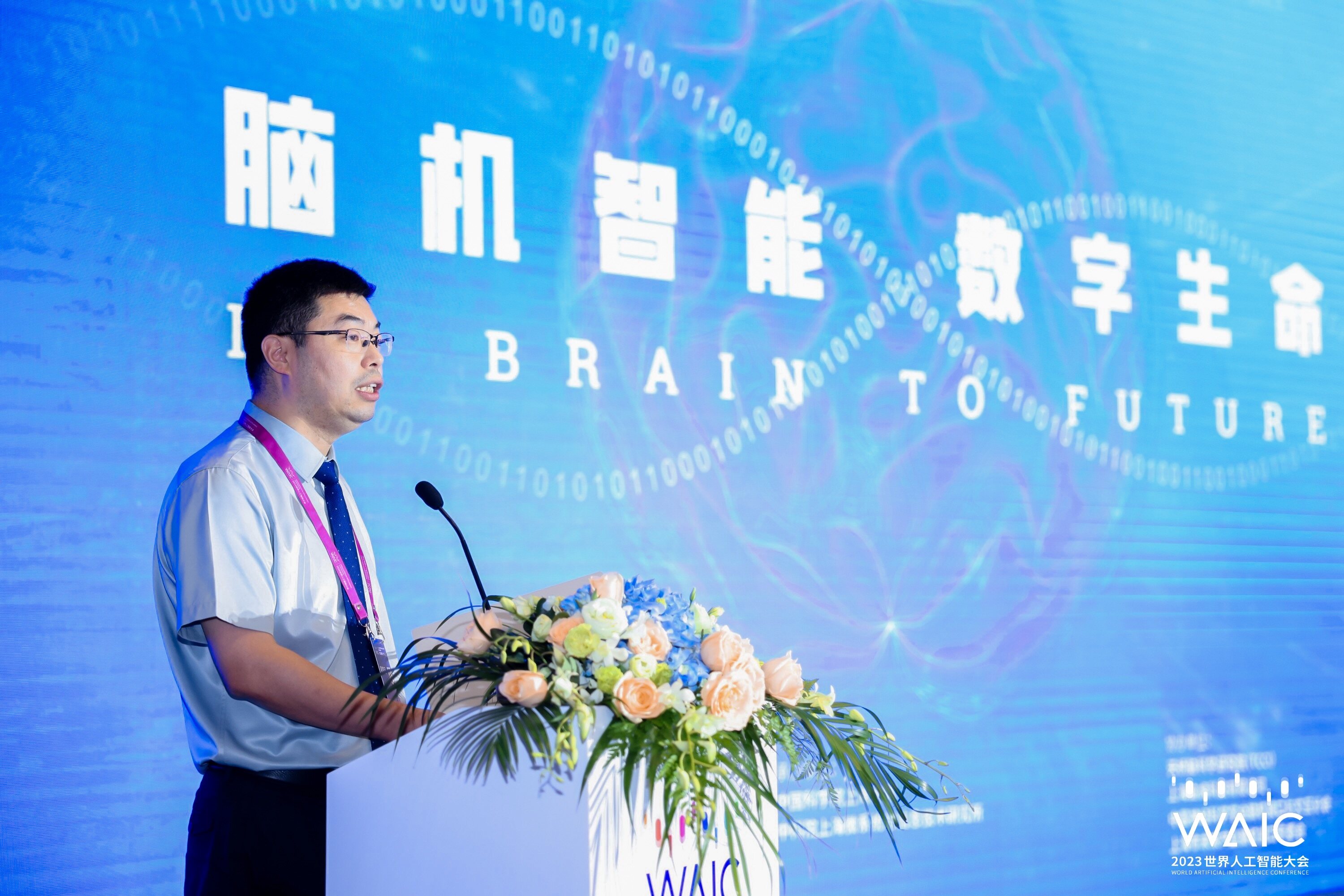
Wu Chengtie, Deputy Director of the Shanghai Branch of the Chinese Academy of Sciences
Ming Dong, Vice President of Tianjin UniversityExpressed: "Congratulations to Researcher Tao Hu for achieving a series of outstanding accomplishments. This year marks the 50th anniversary of the concept of brain-computer interface (BCI). We have spent 20 years catching up with the 50-year journey that Americans have walked, which would not have been possible without everyone's joint efforts. However, today, brain-computer interface is still in its infancy. Regarding its future, I would like to use two Chinese idioms to describe it — 'Hou Dong Ren Zhong' (Dong - technical foundation, Zhong - various application scenarios) and 'Ren Zhong Dao Yuan.' Meanwhile, I also appreciate this conference, which has enabled intelligence and medicine to achieve a two-way convergence in the field of brain-computer interface."
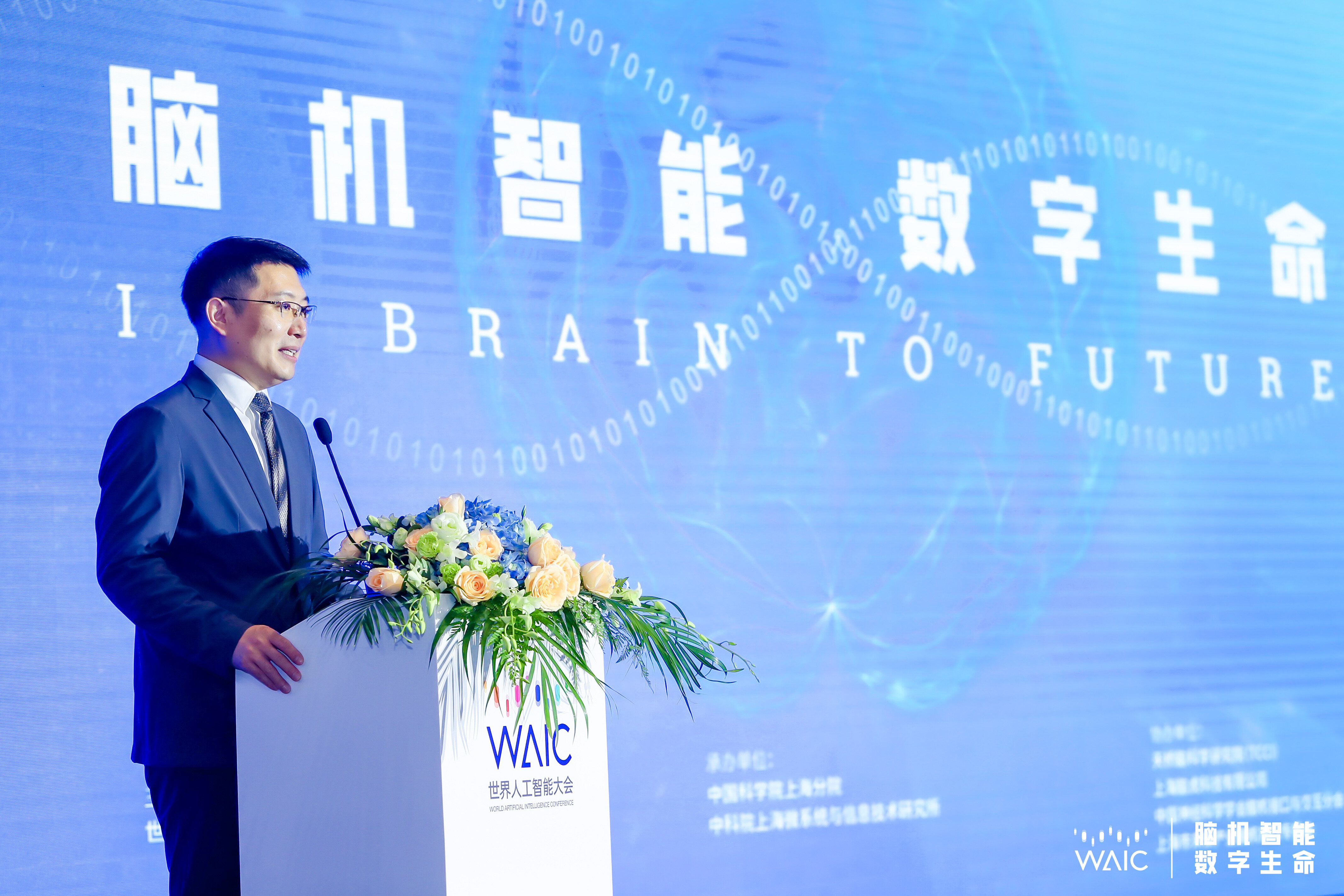
Ming Dong, Vice President of Tianjin University
AndMao Ying, President of Huashan Hospital Affiliated to Fudan UniversityIt was stated: "Brain science is a major challenge of the 21st century, and brain-computer interface is precisely a new bridge established between our brain and the external environment. As an innovative neurotechnology, brain-computer interface brings convenience to doctors and hope to patients. Its development trend is from phenomena to mechanisms, from invasive to non-invasive, and from a single discipline to the integration of multidisciplinary fields. If you want to go fast, walk alone; if you want to go far, walk together. With everyone's joint attention, consensus, and investment, the future of brain-computer intelligence and digital life will surely flow forward like the mighty Huangpu River outside the venue, heading inexorably toward the sea."
In addition,Academician of the Chinese Academy of Sciences and neuroscientist Zhang Xu, and Zhao Min, the president of Shanghai Mental Health Center, also attended the meeting and delivered speeches. Professor Xu Minpeng, the vice dean of the Medical Engineering College of Tianjin University, Ra’anan Gefen, the chief technology officer of Nano Rerina, Gerwin Schalk, the director of the TCCI Frontier Laboratory of Applied Neurotechnology, Dr. Guan Yimin, the chairman and CEO of Shanghai Aorui Technology, as well as Peng Lei, the co-founder and CEO of NeuroXess, respectively gave keynote presentations.
Since American scientists first proposed the concept of brain-computer interface in 1973, it has been 50 years.
Over the past 50 years, brain-computer interfaces (BCIs) have progressed through the concept validation phase in the 70s and 80s, the technological boom phase starting in the 90s, and the industrial development phase beginning in 2020. BCIs have gradually moved from concept validation and clinical research towards industrial transformation. With technological iteration, influx of capital, and the involvement of influential figures, the pace of industrial transformation in the BCI sector is accelerating. Just weeks ago, the FDA's official approval of Neuralink’s clinical trial provided a significant boost of confidence and momentum to the BCI industry.
As the brain-computer interface industry is "booming", its technical pathways have also undergone repeated divergence.
Overall, the technical pathways of brain-computer interfaces can be divided into two categories: invasive and non-invasive.Among them, non-invasive brain-computer interfaces, with electrodes and sensors positioned on the scalp surface, are characterized by being non-intrusive and low-cost. However, the acquired signals are relatively weak, which is not conducive to subsequent decoding. In contrast, invasive brain-computer interfaces can obtain high spatial resolution signals with better signal quality but have safety concerns.
At present, there are a certain number of enterprises involved in both non-invasive brain-computer interfaces and invasive brain-computer interfaces, each seeking breakthroughs in their respective fields. NeuroXess is one of the representatives of invasive brain-computer interface explorers.
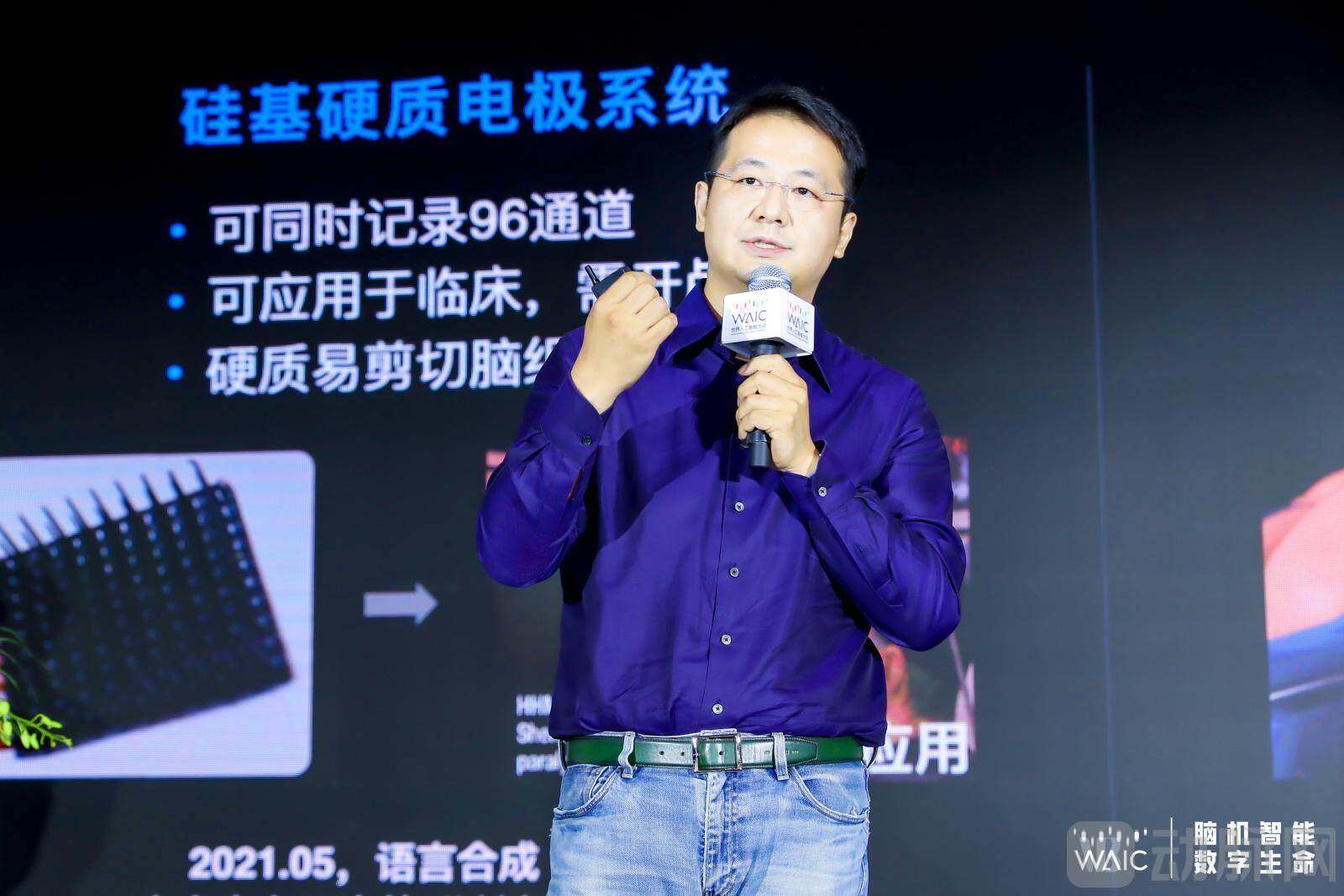
Peng Lei, Co-founder and CEO of NeuroXess
AndUnder invasive brain-computer interfaces, it can be further divided into three major technical pathways: silicon-based rigid electrode systems, vascular stent electrodes, and flexible electrode systems. Similar to Musk's brain-computer interface company, NeuroXess has also chosen the flexible electrode system because, in its view, the flexible electrode system is the most long-term sustainable technical pathway.
But in sharing,Peng Lei, co-founder and CEO of NeuroXess, also admitted that the flexible electrode system still needs to overcome three issues:
1. The first is the high-throughput problem.It is reported that the human brain has a total of 86 billion neurons, but current technology can only achieve the collection of dozens to hundreds of neuronal signal channels, making it impossible to precisely analyze the brain's operational mechanisms. However, "we believe that this field will definitely have its own version of Moore's Law – every so often, the number of neurons that can be recorded and stimulated will double."
Second, the issue of trauma.Peng Lei stated that currently, the implantation method for invasive brain-computer interfaces is craniotomy, which is a highly invasive procedure. However, NeuroXess believes that with continuous technological advancements in the future, there will certainly be ways to minimize the size of the incision. Meanwhile, NeuroXess is actively exploring minimally invasive implantation methods.
Thirdly, the long-term safety issues in the body.How to make implanted electrodes coexist with living organisms and be able to record signals effectively over the long term is one of the major technical challenges currently existing. In response, NeuroXess is also actively exploring and building up its technical capabilities.
Focusing on the three core issues of invasive brain-computer interfaces mentioned above, after a year of technological iteration and research and development efforts, NeuroXess has also achieved seven major new results.
NeuroXess's seven major achievements are divided into three levels: academic, scientific research, and clinical trials.
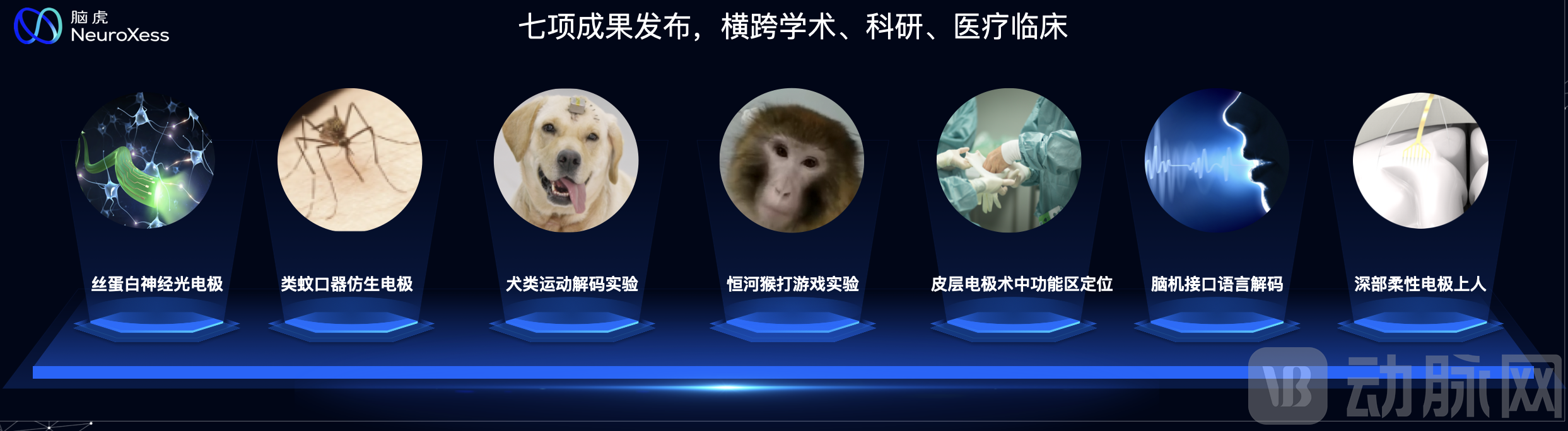
In academic terms, NeuroXess has achieved electrode innovation — a multimodal electrode formed by combining silk protein with MEMS electrodes can realize the analysis and regulation of brain nerves.
The combination of silk protein and MEMS not only enables optical stimulation but also allows for the completion of a full multimodal closed-loop regulation using MEMS. Moreover, the flexibility of silk protein ensures better optical loss control within a certain intensity range and is more suitable for the fragile environment of brain tissue, while MEMS electrodes can achieve high-quality, multi-channel signal acquisition.
In other words, the combination of silk fibroin and MEMS electrodes can not only maintain high-quality, high-channel signal acquisition but also ensure better light consumption control and superior biocompatibility.
In addition,The scientist team of NeuroXess has also successfully developed a mosquito-proboscis-inspired bionic neural probe electrode, which enables minimally invasive implantation of the electrode outside the dura mater.Specifically, the mosquito-inspired bionic neural probe adopts the unique structure of a mosquito's mouthpart — an outer rigid stylet and an inner flexible tube. The rigidity of the outer stylet ensures successful implantation, while the flexible inner tube can remain in the body for data collection.
Not only that,The hardness of the outer樵 also allows it to directly penetrate the dura mater, making it more convenient than the traditional method of dissecting the dura mater before implantation, and the penetration process does not damage the electrode.
The highly sensitive tactile sensor array set behind the probe can also accurately distinguish whether the probe encounters brain tissue or blood vessels, thereby avoiding vascular damage. Moreover, its shuttle needle length is adjustable, enabling implantation into different brain regions and brains with varying surface morphologies.
Moreover, the experimental video played on-site showed that high-quality single-neuron Spike signals could be collected within 12 hours after the completion of implantation.
As for the scientific research level,NeuroXess disclosed the results of two animal experiments this time, one of which involved Neo, a Labrador Retriever implanted with NeuroXess' second-generation brain-computer interface product, NeuroInterface, and a 256-channel cortical electrode.
The experiment achieved high-precision decoding of movement trajectories and has completed multi-modal signal acquisition and complex system modeling, enabling real-time decoding and EEG control. It is expected to find applications in fields such as healthcare and military in the future.
"This should be the first time in China that cortical electrodes have been used to decode movement in canines. Neo was in good spirits and very cooperative throughout the experiment," said Peng Lei. The experimental results also showed that the correlation between the movement trajectory predicted by NeuroXess and Neo's actual movement trajectory exceeded 80%, with a decoding delay rate controlled within 30 milliseconds. "We repeatedly tested the decoding for over 20 days, consistently obtaining stable decoding data."
AndThe experiment conducted by NeuroXess on rhesus monkeys is even more encouraging.
"We are very pleased to report to everyone,NeuroXess has successfully completed the implantation of high-throughput, high-density cortical electrodes into the brain of a rhesus monkey for the first time in China, and possibly even globally, enabling the monkey to play games over the past few months," Peng Lei stated. After 14 consecutive days of decoding, NeuroXess achieved an 85% correlation between the predicted movement trajectory of Wukong (the name of the tested rhesus monkey) and its actual movement trajectory, with a latency rate controlled within 30 milliseconds.
Moreover, besides making breakthroughs in animal experiments,NeuroXess has also made three breakthroughs at the clinical research level—precise localization of functional areas during surgery in scientific research and clinical scenarios through cortical electrodes; completion of language decoding experiments; and the first human implantation experiment of flexible deep electrodes, successfully acquiring high-quality single-neuron signals.
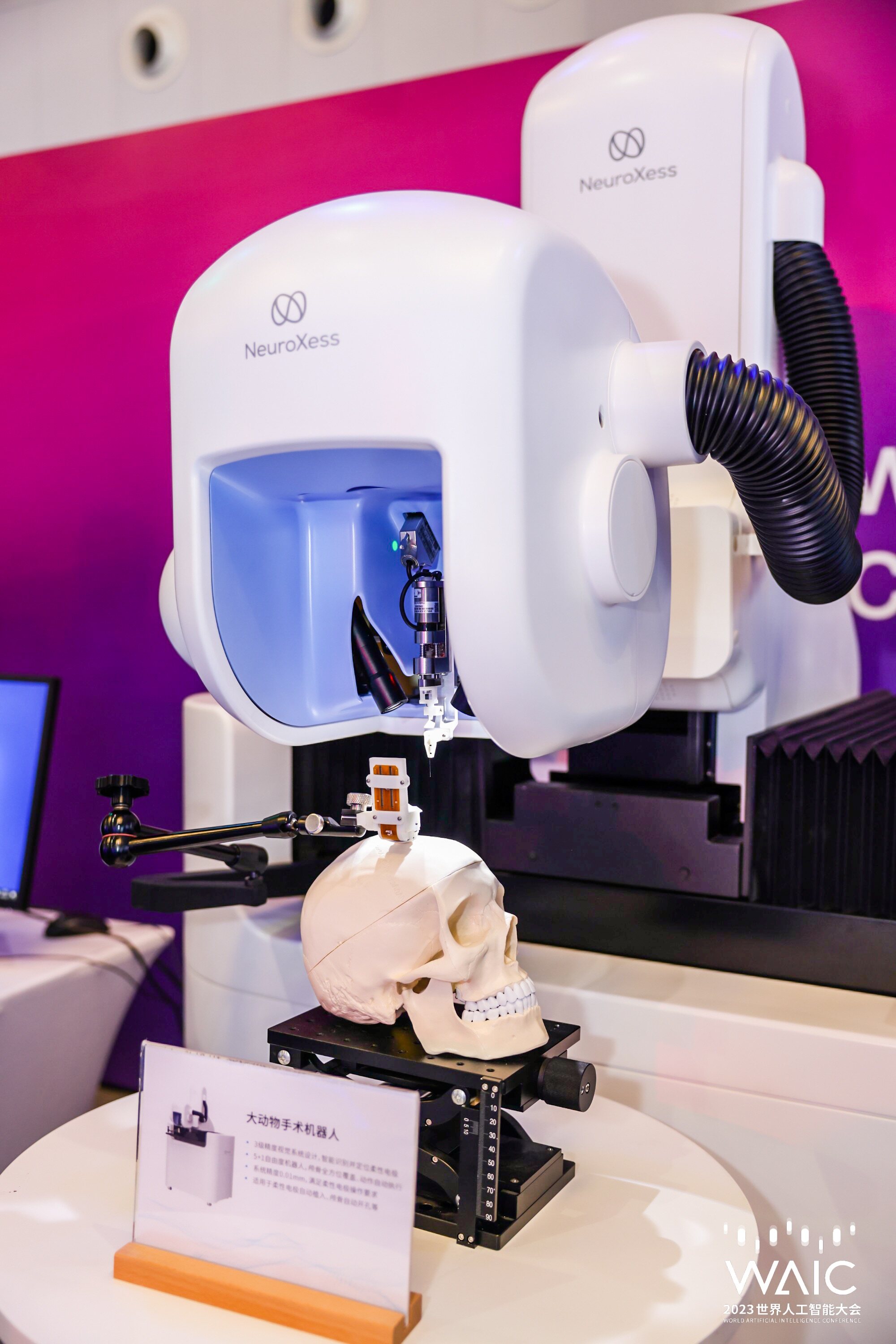
NeuroXess Flexible Electrode Surgical Robot FlexShuttle
In addition, at the event site,NeuroXess also released two flexible electrode implantation surgical robots—FlexShuttle and FlexShuttle Mini.The former is equipped with a multi-precision vision module and deep learning algorithms, achieving a visual resolution of 3.5 micrometers and a robotic arm control precision of 10 micrometers. It is also compatible with two types of deep electrode implantation methods: tungsten wire and silk.
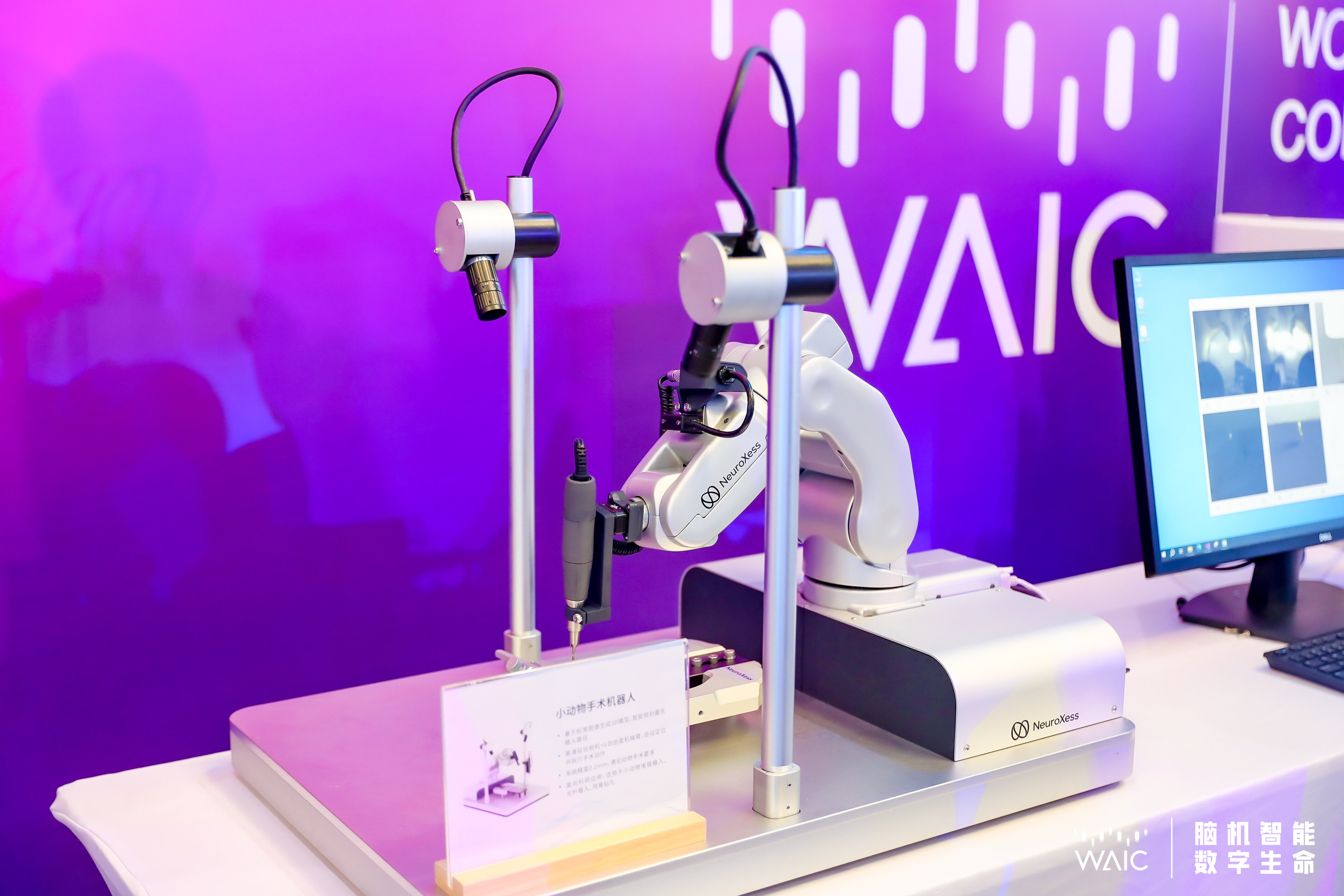
NeuroXess Flexible Electrode Surgical Robot FlexShuttle Mini
AndThe latter is mainly aimed at research institutions, supporting animal experiments with mice, rats, and rabbits. It features customization, ease of operation, high precision, and modularity. Peng Lei stated that FlexShuttle Mini will begin official delivery to the first batch of customers in August.
ExceptIn addition to the aforementioned products, NeuroXess also released the M2 brain electrical signal acquisition chip. This chip is a 64-channel mixed-signal chip independently developed by NeuroXess, equipped with a fully self-developed 16-bit high-precision ADC module, and is compatible with mainstream signal acquisition devices in the market.
"Whether it is invasive brain-computer interfaces or non-invasive brain-computer interfaces, both have multidirectional expandable room for imagination. This imaginative space will gradually permeate fields we are already familiar with, such as organoids and AGI," said Peng Lei. "People often ask me about the relationship between brain-computer interfaces and AI. I believe that brain-computer interfaces are deeply integrating with AI. Moreover, carbon-based life and silicon-based life will definitely converge."