

iNeuro Expands Nationwide: AI-Powered EEG Screening Reaches 18 Provinces and Over 10 Million Patients
iNEURO
Provider of Comprehensive Brain Science Medical Solutions
Depression, Alzheimer's disease, Parkinson's disease, stroke, and other brain health issues have become a major "pain point" plaguing society. According to the World Health Organization's quantitative assessment, brain diseases account for 28% of the global burden of disease on society, surpassing cardiovascular diseases or cancer.
Although early diagnosis and early intervention of brain diseases are already recognized as effective medical approaches in the prevention and treatment of such conditions, large-scale screening for brain diseases still faces significant challenges due to insufficient patient awareness, inadequate precision of traditional detection methods, difficulties in testing in areas with scarce medical resources, and insufficient promotion of early identification and intervention technologies. Meanwhile, although industry-related innovative solutions continue to make breakthroughs, the majority are currently stuck at the implementation stage.
To promote the development and innovation in the field of brain health, popularize brain health science, improve the construction of whole-life-cycle brain health management from children and adolescents to the elderly, and actively prevent major neurological and psychiatric system diseases such as cognitive impairment, cerebrovascular disease, and depression, on July 22, 2023, the Chinese Medical Association, the Expert Committee on China's Brain Health Initiative, and the Shanghai Medical Innovation and Development Foundation hosted the event. It was organized by the National Center for Neurological Diseases, the National Center for Mental Diseases, the National Geriatric Center, and the Chinese Center for Disease Control and Prevention."2023 China Brain Health Conference" was held in Beijing, like a timely rain.
The conference focused on the latest research progress in the field of brain health both in China and abroad, with an emphasis on the promotion of brain health knowledge and the implementation of technological applications., set up themed forums and launched a series of special reports and discussions on six key topics: the popularization of brain health science and case studies of brain health cities, the disease burden related to brain health and the monitoring and service systems for brain health, brain health and mental health, screening and intervention for brain health and the construction of brain health centers, the transformation of brain health research results and industrial development, and digital innovation management in brain health.
At the conference, experts in this field from China and abroad gave wonderful presentations. It was clearly perceived that,At present, the "industry, academia, research, and medical" sectors are actively exploring ways to implement large-scale screening models for brain diseases, promoting the "early prevention, diagnosis, and treatment of brain diseases," as well as the establishment of a "multi-dimensional large database for Chinese brain health," to further achieve a "comprehensive analysis of the pathogenesis of brain diseases."
Notably, representatives from Taizhou City in Zhejiang Province, Tengchong City in Yunnan Province, and Shenzhen City in Guangdong Province shared brain health city cases at the conference, pointing out a clear path for implementing large-scale brain disease screening.
The brain is often referred to as the ultimate frontier of human exploration. Precisely because of this, its development and application require the joint efforts of all stakeholders.
From the perspective of urban development, todayCities such as Taizhou in Zhejiang Province, Tengchong in Yunnan Province, and Shenzhen in Guangdong Province have begun active exploration and taken the first step in implementing a comprehensive system for screening, diagnosing, and treating brain diseases.
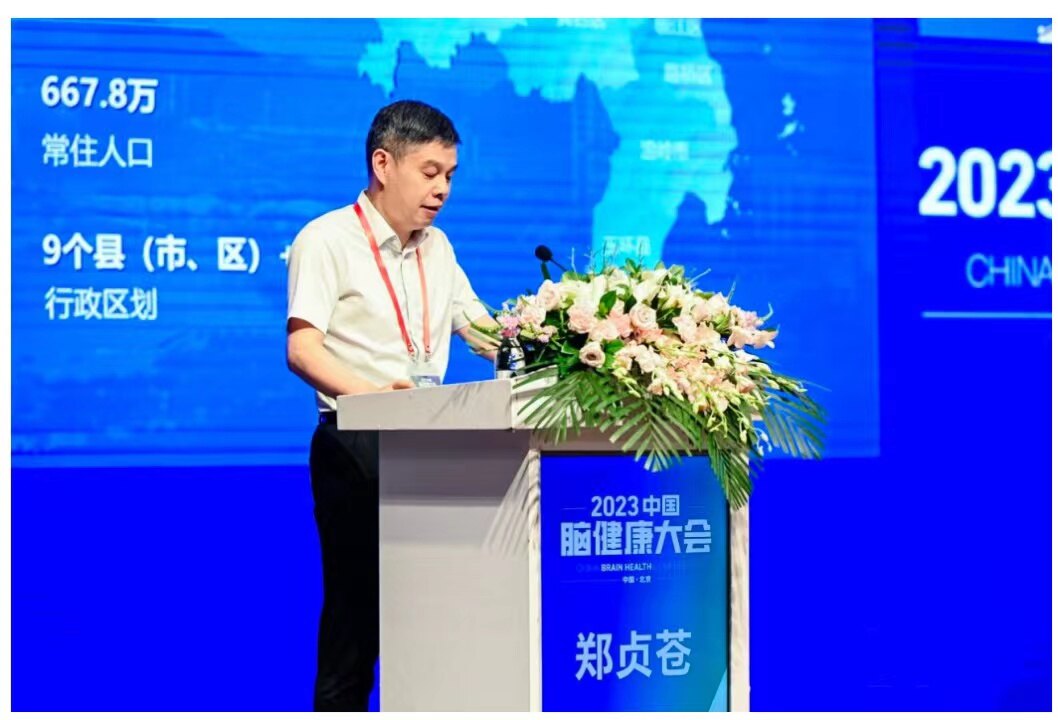
Zheng Zhencang, Deputy Director of the Taizhou Municipal Health Commission of Zhejiang Province
Among them, Taizhou City in Zhejiang Province has actively carried out comprehensive prevention and treatment work for diseases such as depression and cognitive impairment, using the city as a base. It has also organized the construction of service systems in medical care, psychology, elderly care, and community to build a brain health demonstration city. The prevention and treatment of depression, cognitive impairment, and other conditions have been treated as key projects, establishing a three-level prevention system for whole-life-cycle brain health for all citizens. This solution has not only gained recognition from the attending guests but has also significantly improved the screening rate and efficiency for brain-related diseases in Taizhou City.
Zheng Zhencang, Deputy Director of Taizhou Municipal Health Commission, introduced the implementation path of Taizhou Brain Health Demonstration City at the conference.
Taizhou City has partnered with Hangzhou Niunuo Technology Co., Ltd. (hereinafter referred to as "iNEURO") to leverage the self-developed "iNEURO EEG Cloud" platform, utilizing new technological platforms to integrate the entire health management process and establish a citywide brain health prevention system across all times and spaces.. And on this basis,Further based on the in-hospital and out-of-hospital disease management needs, a standardized chronic disease management service model covering multiple scenarios has been established, as well as a full-range specific disease whole-process solution platform, to increase disease awareness and initiate health management at the level of zero-grade prevention.
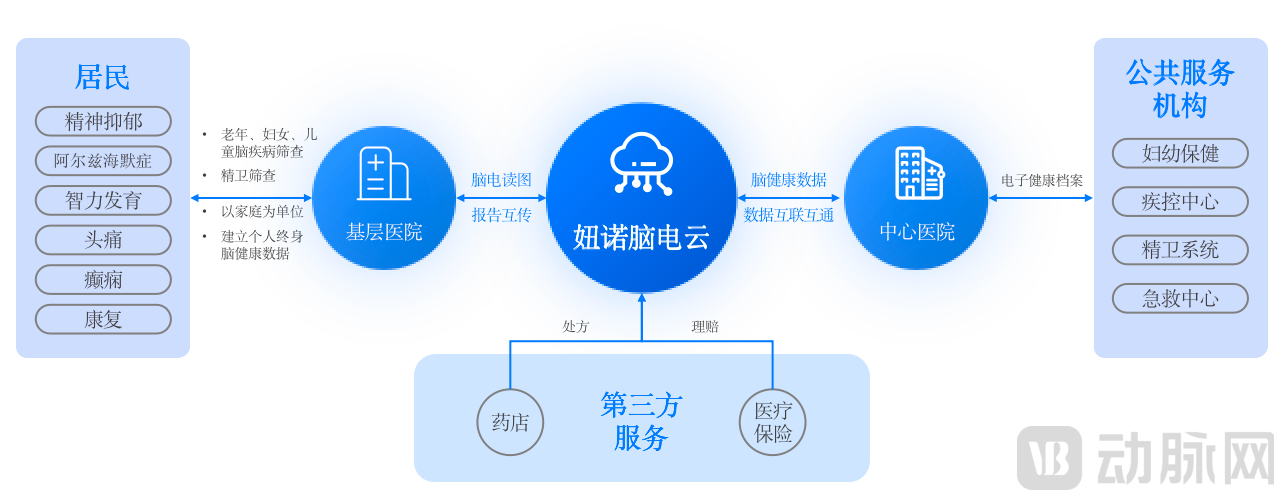
Not only that,Taizhou also built a regional specialized diagnosis and treatment network based on "iNEURO EEG Cloud" to promote the construction of medical informatization and realize an EEG hierarchical diagnosis and treatment model based on telemedicine.Specifically, through portable devices and smart cloud platforms, collaborative management across multiple hospital zones and outlets is achieved, optimizing diagnostic processes and improving work efficiency. Through AI intelligence, diagnostic efficiency and standards are enhanced while reducing societal screening costs. Through a research big data platform, clinical studies and scientific exploration are supported. Through a remote imaging center, the construction of specialized departments within medical alliances is facilitated.Achieve three-level diagnosis and treatment and the下沉of medical resources.
At the end of his speech, Zheng Zhengcang concluded:"Large-scale screening for brain diseases is a daunting task that requires exploration based on cities. This not only calls for courageous city builders but also excellent corporate partners to assist in the implementation of urban policy planning. We will continue to uphold multi-dimensional cooperation with outstanding enterprises such as iNEURO, promoting digital innovation and the transformation of industry-academia-research achievements."
Whether in Taizhou, Tengchong, or Shenzhen, the pivotal role of EEG technology in the early large-scale screening of brain diseases is evident in each city's construction plan for promoting brain health.
The reason why iNEURO's solutions have become the provider of Taizhou City's brain health urban plan is due to the company’s deep understanding of the industry and its technical accumulation. As early as 2014, iNEURO began focusing on exploring products and services centered around smart medical EEG kits, ultra-fast lossless multimodal data encryption transmission, and artificial intelligence (AI) algorithms for diagnosing and treating brain diseases. In 2021, the company officially initiated the establishment of the Zhejiang Brain Science Research Center, building upon its existing technological foundation to explore more valuable solutions in response to industry pain points.
After a long period of accumulation,iNEURO has accumulated over 500,000 samples, with a data capacity exceeding 500TB, and continues to grow.Hangzhou Niunuo Technology Co., Ltd.'s self-developed iNeuro EEG Cloud enables ultra-fast lossless multi-modal data encryption transmission and free, rapid circulation of EEG data.The continuous influx of samples has enabled iNEURO to intensify AI learning and training. The AI algorithm, which started with epilepsy-specific conditions, is now focusing on the early screening of Alzheimer's disease (AD).
In fact, the clinical value of electroencephalography (EEG) in screening for brain diseases has long been validated. In the "Chinese Guidelines for the Diagnosis and Treatment of Dementia and Cognitive Disorders (II): Guidelines for the Diagnosis and Treatment of Alzheimer's Disease (AD)," EEG has been explicitly listed as one of the auxiliary examinations for diagnosing AD. It points out that AD patients exhibit a significantly reduced α rhythm and a widespread δ rhythm, suggesting that EEG can serve as a non-invasive and cost-effective monitoring tool for assessing the progression of AD.
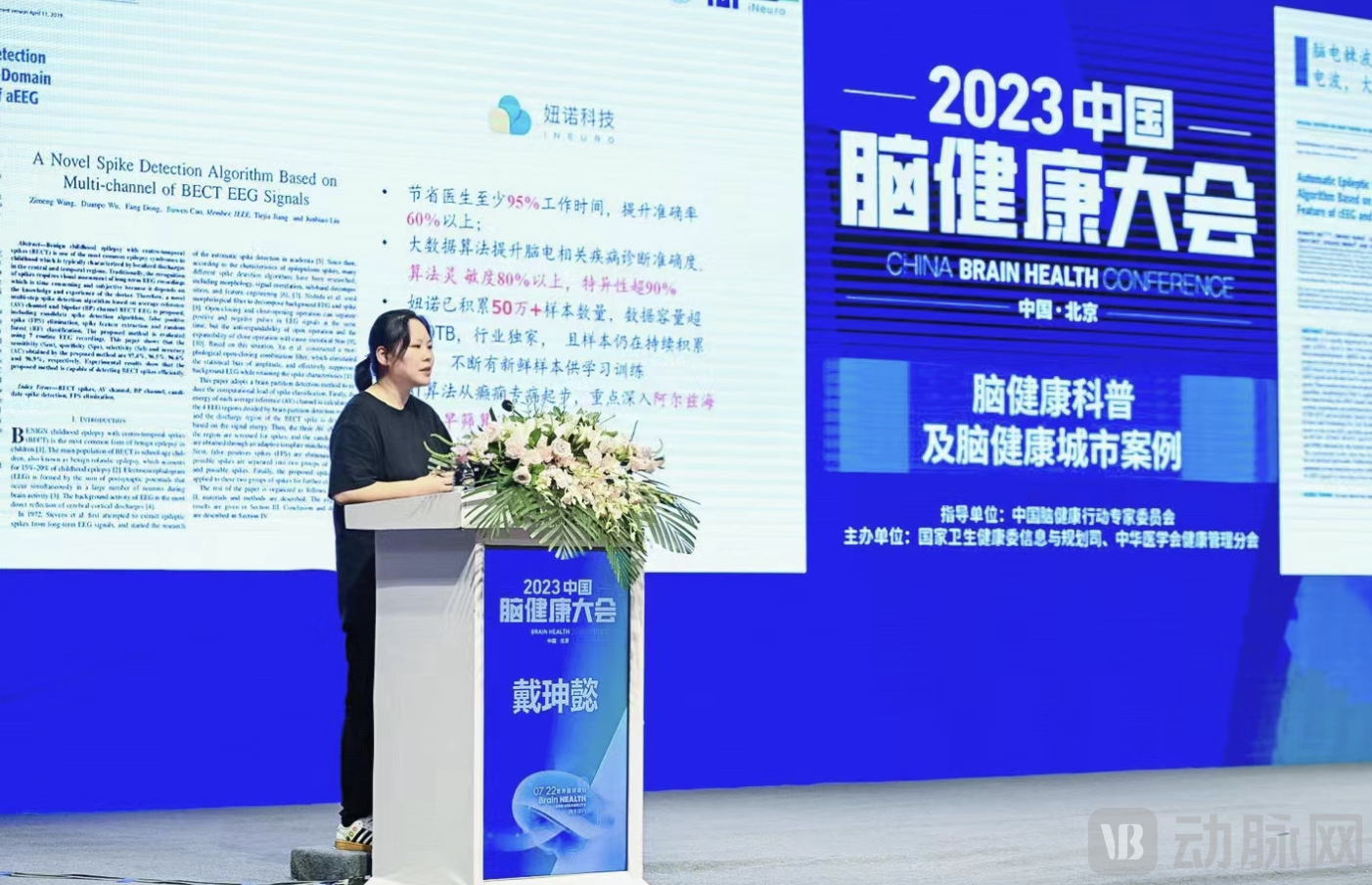
iNEURO Founder Dai Shenyi
At the conference, Dai Shenxi, founder of iNEURO, shared the significant value of current EEG examinations for cognitive impairment screening and believed thatIn the progress of cognitive disorder screening, low-cost, high-experience, and highly accurate EEG rapid screening is a powerful tool.Based on this understanding, iNEURO is determined to use EEG AI to assist in cognitive impairment screening and to help cities build a three-level prevention system for brain health using EEG AI.
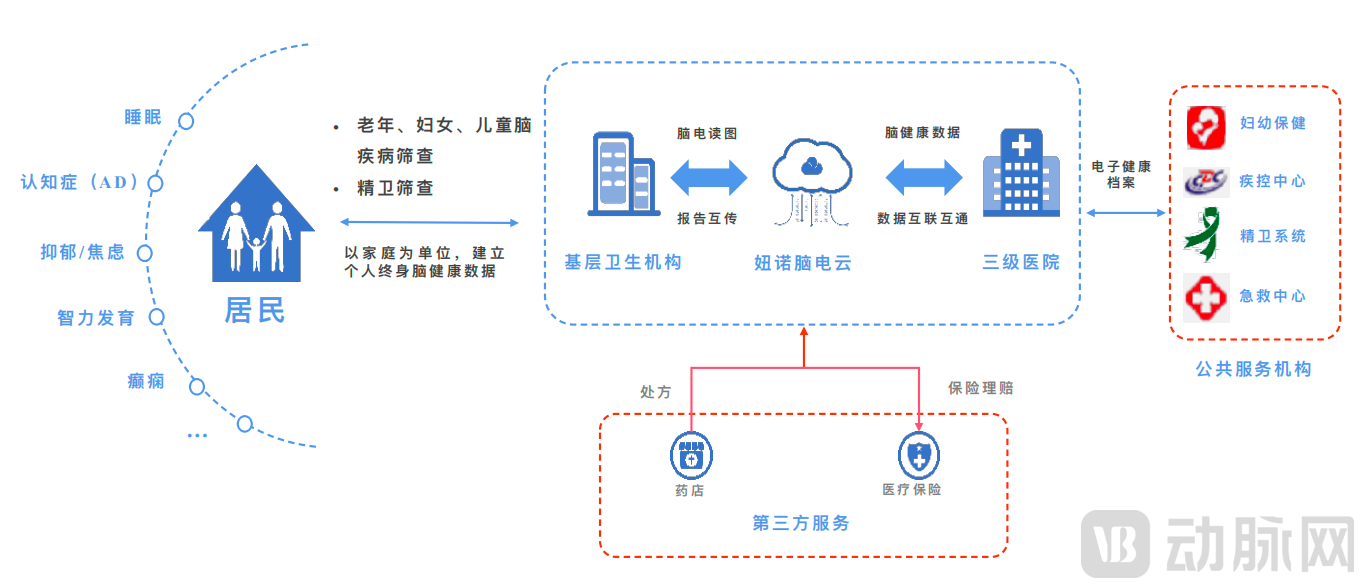
EEG AI Helps Cities Build a Three-Level Prevention System for Brain Health
With this set of solutions,iNEURO's solutions have been implemented in 18 provinces and cities, covering more than 150 hospitals, and serving over 10 million grassroots patients., and collaborates with neurology experts from multiple top-tier tertiary hospitals to establish remote EEG reading centers, as well as demonstration bases for a three-level prevention urban brain, county central demonstration base, EEG medical consortium construction demonstration base, specialty hospital demonstration base, and specialty department demonstration base, among others.In the recent pilot program conducted in Hangzhou communities, iNEURO's solutions have benefited more than 300,000 residents, with nearly 50,000 people being referred to hospitals for further diagnosis and treatment.
In terms of EEG algorithms and encephalitis diagnosis, the company has also achieved significant research results, published multiple papers, and proposed a practical EEG model that can be adjusted and optimized according to different diseases and scenarios. Choosing EEG and EEG data as the entry point seems to give iNEURO a natural advantage. In the future,iNEURO will also build a service system that integrates early screening, hierarchical diagnosis and treatment, digital therapeutics, and specialized treatment to provide better solutions and means for the prevention and treatment of Alzheimer's disease.
As innovative brain science projects are successively implemented, the industry is ushering in a golden age of development.
From a policy perspective, as early as the 1980s and 1990s, China incorporated brain science into the "863 Program," "973 Program," and "Science and Technology Support Program." In 2021, the much-anticipated "China Brain" initiative was officially launched, driving innovation in the industry. In the "Healthy China 2030" Planning Outline, strengthening effective interventions for Alzheimer's disease and others was explicitly mentioned, and the importance of brain health is continuously increasing.
From the hospital's perspective, hospitals have begun to explore large-scale brain disease screening implementation models. At the conference, Dr. Wang Gang, Chief Physician of the Neurology Department at Ruijin Hospital affiliated with Shanghai Jiao Tong University School of Medicine, shared the "Yuyuan Model," which encompasses five key components: community brain health check-up screening, community memory clinics for diagnosis, community drug and non-drug treatment management, geriatric care hospitals, and hospice wards. This model integrates brain function screening, blood tests, EEG, and scale assessments into elderly health examination programs at the Yuyuan Street Community Health Service Center. Simultaneously, expert teams are organized to work within the community, establishing a linkage between community healthcare and tertiary hospitals to facilitate the diagnosis and treatment of patients with cognitive impairments, thereby improving the efficiency and quality of referrals.
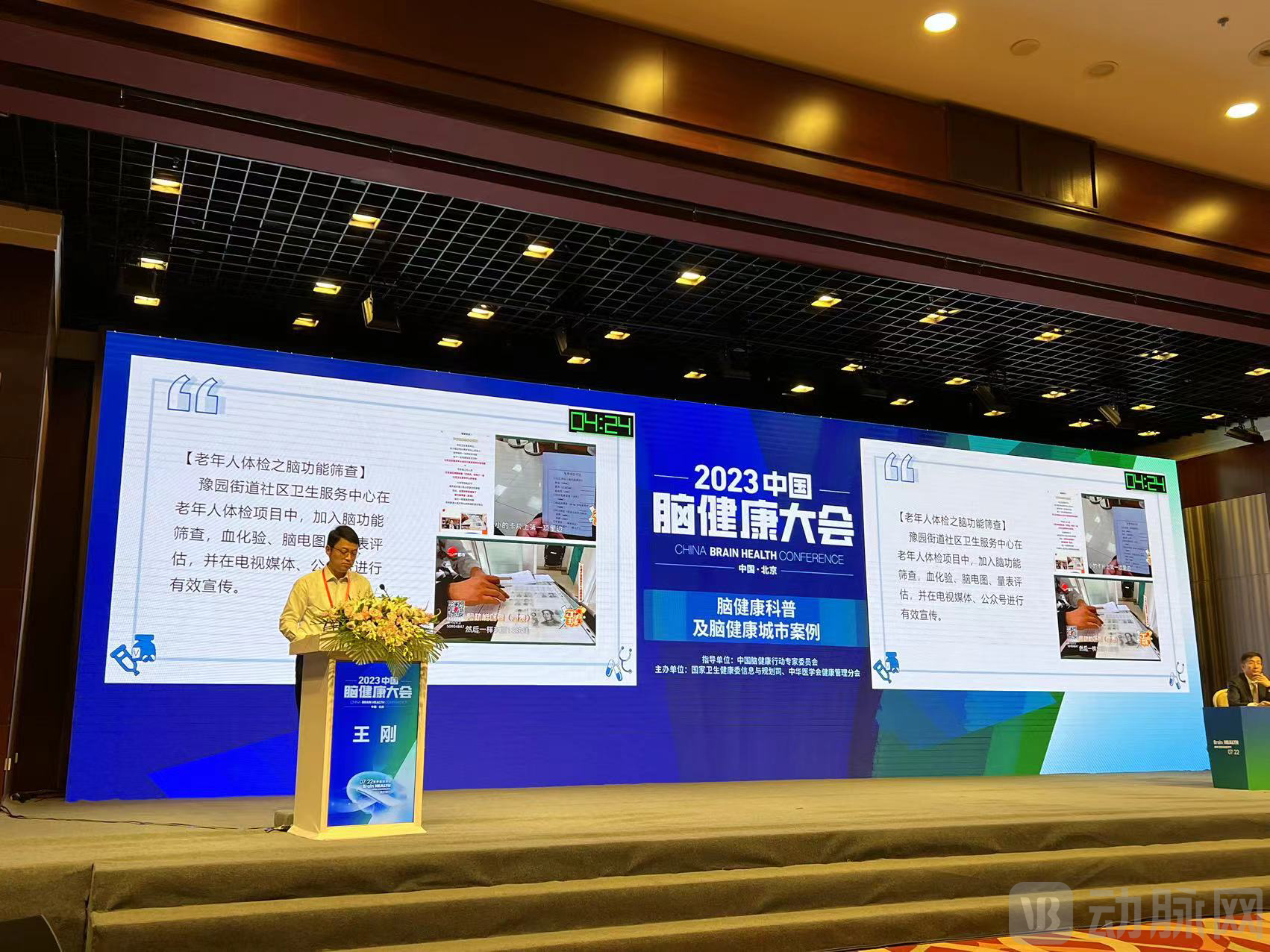
Wang Gang, Chief Physician of the Department of Neurology, Ruijin Hospital, Shanghai Jiao Tong University School of Medicine
From an industry perspective, companies like iNEURO have been iterating their technologies and innovating models through technical accumulation and continuous insights into clinical pain points. Guided by policies, they deeply observe clinical challenges, collaborate with hospitals for joint innovation, and break through current difficulties in the diagnosis and treatment of brain diseases, truly integrating the entire process of "screening, prevention, management, and treatment" in brain health initiatives.
The brain science industry is now on the verge of large-scale commercialization. Only through collaboration among the government, medical institutions, the industry, universities, and patient organizations—via sharing high-quality research results, incubating and transforming outstanding achievements, and exploring urban management experiences in brain health—can we truly boost the development of the brain health industry and accelerate the early realization of the "Healthy China 2030" strategic goals.