

BrightGene advances Amylin analog BGM1812 into U.S. Phase I trial
On November 4, 2025, BrightGene registered a Phase I clinical trial for its amylin analog, BGM1812, on ClinicalTrials.gov. The trial will be conducted in the United States.

This Phase I clinical trial plans to enroll 60 subjects and is expected to be completed in May 2026.

BrightGene, which recently filed for a Hong Kong IPO, has a core pipeline anchored by the GLP-1/GIP dual agonist BGM0504 and the amylin analog BGM1812.
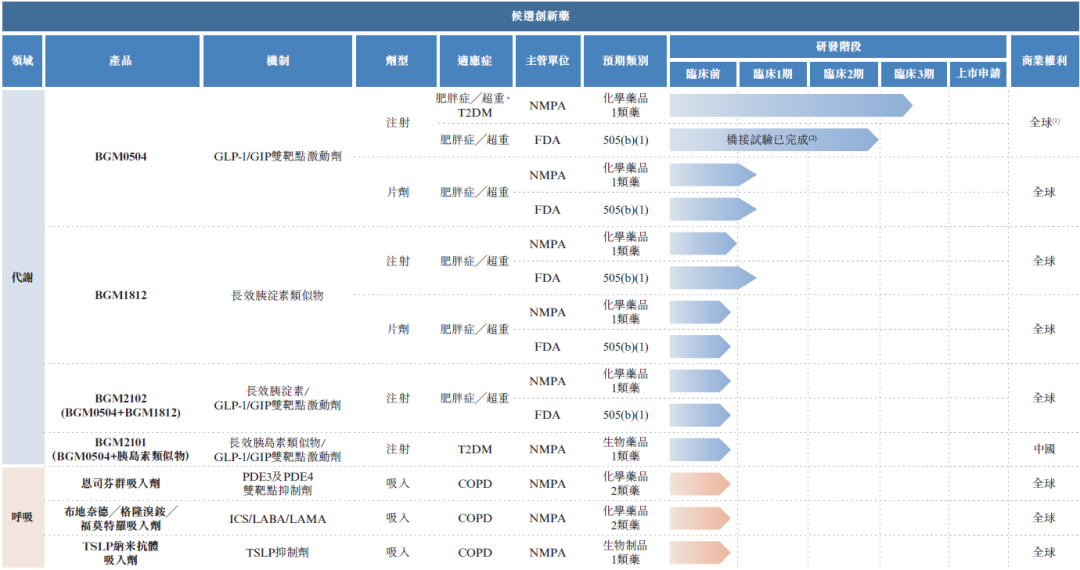
According to its prospectus, the U.S. Phase I trial for BGM1812 started in October 2025 and is expected to be completed in May 2026.
BrightGene's BGM0504 shares an identical amino acid sequence with tirzepatide. The molecule was rationally optimized via molecular dynamics simulations to refine its fatty acid chain conjugation site. This modification unlocks a key salt bridge at the K20 position, conferring a 2–3 fold increase in agonist activity compared to tirzepatide.


BrightGene's BGM1812 was also rationally designed based on Zealand's petrelintide. Through structural informatics and molecular dynamics simulations, the molecule was optimized, yielding significantly enhanced activity.

Amylin has emerged as one of the most prominent targets in the obesity therapeutics arena, attracting strategic investments from multinational pharmaceutical giants. Novo Nordisk's CagriSema achieved success in Phase III trials, with a GLP-1/amylin combination poised to enter Phase III and a GLP-1/GIP/amylin candidate recently initiating Phase II studies. Lilly presented preliminary clinical data for its biased amylin analog at this year's ADA conference. Roche in-licensed an amylin program from Zealand, while AbbVie acquired rights to Gubra's amylin asset. AstraZeneca is advancing its internally developed amylin candidate through clinical stages. The competitive intensity was further highlighted when Pfizer and Novo Nordisk engaged in a bidding contest for Metsera, a company specializing in ultra-long-acting GLP-1 and amylin therapies.