

Fresh Wind Biotechnologies: First-in-Class TIL Cell Therapy Nears Market Launch as Chinese Companies Accelerate Industrialization Race
DISCOVERY TO CURE
TIL Therapy Developer
This year, the industrialization era of TIL cell therapy may truly be arriving.
On March 24, 2023, Iovance, the leader in the TIL field, announced that it had successfully completed the rolling submission of the Biologics License Application (BLA) for its TIL cell therapy Lifileucel. Following this news, Iovance's stock price surged 13% on the day of the opening on the 24th. Lifileucel is the first TIL therapy to submit a BLA to the FDA, intended for the treatment of advanced melanoma that has progressed after PD-1/PD-L1 therapy. Previously, the FDA also granted Lifileucel the Regenerative Medicine Advanced Therapy (RMAT) designation.
On May 26, 2023, Iovance announced that the FDA had officially accepted the BLA for lifileucel for the treatment of advanced melanoma patients and granted it priority review. The PDUFA date for lifileucel is November 25, 2023.(PDUFA date refers to the FDA's target approval date for NDA/BLA, typically 10 months from the date of receipt, or 6 months for those granted priority review).
After more than 30 years of clinical development, TIL has finally entered the industrialization sprint stage.In response to this heated track, Chinese companies such as DISCOVERY TO CURE, Grail Bio, CartiHeal Medical, JunCell Bio, Lanma Medical, Cellular Biomedicine Group, JunCell Bio, and OriginBio have already made their moves.
Baylor College of Medicine Senior Team,
Break the Application Scope of TIL Therapy in Clinical Settings
In September 2020, DISCOVERY TO CURE (Fresh Wind Biotechnologies) was founded by Dr. Fuli Yu, former professor at Baylor College of Medicine, who returned to China full-time.The company aims to develop by seamlessly integrating multi-omics/bioinformatics/artificial intelligence with cell therapy.Next-Generation TIL Cell Therapy (NextGen TIL)In clinical applications, it is dedicated to treating and curing solid tumors.
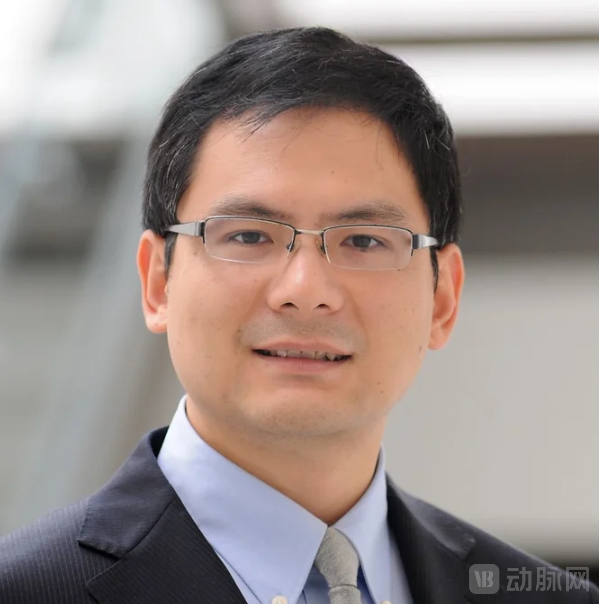
Founder and CEO of DISCOVERY TO CURE - Dr. Fuli Yu, Image Source: DISCOVERY TO CURE
Dr. Fuli Yu is a Ph.D. in Molecular Genetics from Baylor College of Medicine. During his Ph.D., he studied under Professor Richard Gibbs, a member of the National Academy of Sciences and a leading figure in genomics. After obtaining his Ph.D., Dr. Yu completed his postdoctoral research at Harvard Medical School, where he worked with renowned population geneticist and ancient human geneticist Professor David Reich. Upon returning to China, he also served as the lead scientist for major projects under the 13th Five-Year Plan of the Ministry of Science and Technology. To date, Dr. Yu has led several international cooperation projects, received multiple NIH research grants, and published over 70 papers (cited more than 48,000 times, h-index=35).
In addition to having extensive scientific research experience, Dr. Fuli Yu also possesses rich entrepreneurial experience and has participated in the incubation of multiple companies. He once served as the Chief Bioinformatics Officer of Berry Genomics, a leading company in gene sequencing in China, where he was responsible for the company's overall bioinformatics analysis and cloud computing fields. He led his team in establishing a larger integrated supercomputing center.
During Dr. Welfare's rich career in scientific research and industrialization, what impressed him most was not his fruitful achievements, but an experience he had when he was young.
At that time, Dr. Fuli Yu was about 25 years old, and the industrial transformation of genomics had just begun to emerge. Therefore, Dr. Yu was able to seize the opportunity to represent the team in participating in international cooperation projects in the field of genomics, discussing technological development and transformation with the world's top genomicists and geneticists. He has participated in and led several major international human genome projects, including the International HapMap Project and the Human Cardiovascular Disease Project.
Dr. Fu Li Yu recalled, "Because at that time the entire genomics industry was just budding, many conferences were attended by the founders themselves. Most of these founders were PhDs or postdocs in their thirties, and they were very efficient in industrial transformation. Now, these companies have basically become leaders in the field."
It is precisely because of his early participation in many major conferences and the influence of scientists and industrialists in the field that Dr. Fuli Yu has developed a consistent philosophy regarding the transformation of scientific research."After achieving some basic research results, I would choose to translate them into practical applications rather than leaving them on the shelf."
In addition to having a "get things done" style where scientists personally engage in transformation, DISCOVERY TO CURE also exudes a strong "academic vibe," with its core members mostly hailing from Baylor College of Medicine.
Yao Hui, the co-founder of DISCOVERY TO CURE, holds a Ph.D. in Bioinformatics from Baylor College of Medicine, and Dr. Satoko Matsueda conducted postdoctoral research at Baylor College of Medicine. Additionally, two experts from Baylor College of Medicine serve on the advisory team of DISCOVERY TO CURE: Professor Brendan Lee, Chair of the Department of Genetics at Baylor College of Medicine and a member of the National Academy of Sciences, and Professor Helen Heslop, Chair of the Center for Cell and Gene Therapy (CGT) at Baylor College of Medicine and a member of the National Academy of Medicine.
It is worth mentioning that in July this year, Dr. Satoko Matsueda led the DISCOVERY TO CURE team to publish a paper in the international journal Cancer Immunology Immunotherapy in the fields of immunology and oncology.《Successful ex vivo expansion of tumor infiltrating lymphocytes with systemic chemotherapy prior to surgical resection》, breaking through the application scope of TIL cell therapy in clinical settings.
This study breaks the current pain point in patient screening for TIL cell therapy.Currently, most TIL clinical trials require patients not to receive systemic treatment before the removal of tumor tissue, in order to avoid the interference of chemotherapy with the ex vivo expansion of TILs. However, chemotherapy remains an important and primary method for cancer treatment. Excluding patients who have undergone chemotherapy from TIL cell therapy clinical trials will limit the majority of eligible patients from accessing TIL therapy.
In this study, the DISCOVERY TO CURE team successfully expanded TILs from tumor tissues in vitro, with a total success rate as high as 90.9%, proving that TILs can indeed be generated and expanded from tumor tissues. Furthermore,Regardless of whether patients have received chemotherapy, functional TILs can be expanded from both primary and metastatic sites, and no significant phenotypic or functional differences in T cells were observed between the two groups.This breakthrough discovery brings new hope to the vast number of patients who have undergone chemotherapy and also broadens the clinical accessibility of TIL cell therapy, holding significant clinical importance.
In addition to the aforementioned scientific research achievements, DISCOVERY TO CURE has several original innovative patents andHeavyweight Scientific ResearchThe article has also been submitted.
"NT+CT" Dual-platform Closed-loop Drive,
Significant Cost Reduction Enhances Clinical Accessibility
Dr. Fuli Yu’s transition from the fields of genomics and genetics to cellular therapy is closely tied to his previous experiences. In 2018, Dr. Fuli Yu began focusing on the AI + immune cell sector. During the incubation phase of the DISCOVERY TO CURE project, Dr. Fuli Yu recognized the significant advantages of TIL cell therapy in treating solid tumors and the opportunities for AI to play a major role in this field.
Dr. Fuli Yu told VCBeat: "TIL itself is a mixture composed of a large number of T cell lymphocytes.It is like a gold mine waiting to be excavated, and we can precisely apply omics big data technology to extract the valuable information within.This is also one of the key directions that DISCOVERY TO CURE is currently focusing on. Based on the accumulation of this useful information, in the future, DISCOVERY TO CURE will not be limited to the TIL field alone but will also expand into other immune cell therapies or large molecule drugs based on the discovery of new targets."
On the other hand, driven by the development and refinement of industrial production technologies in the cell therapy field, especially in the CAR-T sector, over the past few years, the entire immune cell therapy field—from upstream automated equipment, consumables, and reagents to downstream transportation—has formed a mature ecosystem with cell therapy pharmaceutical companies.
Based on the previous industrialization foundation, the industrialization speed of other emerging cell therapies, including TIL cell therapy, will be greatly accelerated. According to data from Frost & Sullivan, the global CGT market size is expected to reach $30.54 billion by 2025, with a compound annual growth rate of 71%; China's overall CGT market size will be $2.59 billion by 2025, with a compound annual growth rate as high as 276%.
A huge track naturally attracts capital attention. Since its establishment, DISCOVERY TO CURE has completed two rounds of market-oriented financing and gained favor from investment institutions such as PLUG AND PLAY VENTURES, HAN CAPITAL, and DAOTONG INVESTMENT.
With the joint support of capital and the team,EyeDISCOVERY TO CURE has successfully built a neoantigen-TCR screening platform (NT) and a TIL-CMC technology platform (TC), focusing on the development of a new generation of TIL cell therapy.
NT Technology Platform: The world's first AI platform driven by the biological mechanisms of TIL, which can address the core issue of active pharmaceutical ingredients (API) in the TIL industry, enable targeted amplification of effective TIL subpopulations (API) for next-generation TIL cell therapy products (TIL 2.0), and predict neoantigens to identify high-quality TCRs.
The industrial-grade CMC capabilities of the TC technology platform can rival those of Iovance, the global leading TIL company. Based on this technical platform, the success rate of TIL expansion is no less than 94%, and the production cost has been significantly reduced, greatly improving clinical accessibility to ensure that patients can both access and afford the treatment.
Through the closed-loop drive of the "NT+TC" dual technology platform, DISCOVERY TO CURE can significantly enhance the stability of the TIL cell therapy CMC manufacturing process, identify the API, and directionally enrich lymphocytes that effectively kill tumor cells, greatly improving clinical efficacy.
To accelerate the industrialization of its TIL cell therapy, DISCOVERY TO CURE has chosen to operate simultaneously in China and the United States.It has a 1,000-square-meter self-built GMP workshop, a 1,000-square-meter self-built PD and R&D laboratory in Tianjin, China, and has collaborated with several cancer hospitals to carry out IIT clinical work; it also has an R&D laboratory located in the Texas Medical Center in Houston, USA.
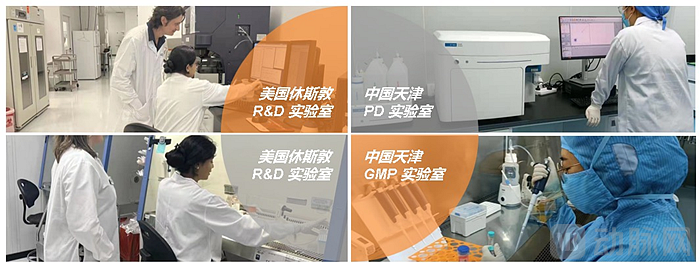
DISCOVERY TO CURE Laboratories in China and the U.S., Image Source: DISCOVERY TO CURE
Currently, DISCOVERY TO CURE's TIL cell therapy has entered Phase I clinical trials in the United States, showing good safety and efficacy data. In addition, the company has established extensive collaborations with top international TIL research institutions (NCI, UCSD, UTSW, etc.), leveraging internationally leading advantages to drive rapid development.
To rapidly advance investigator-initiated clinical studies (IIT) in collaboration with experts in China, DISCOVERY TO CURE is actively pursuing its next round of financing. It is anticipated that DISCOVERY TO CURE will soon overcome industrialization bottlenecks for emerging cell therapies such as TIL, bringing accessible products to clinical patients.