

Ribo Therapeutics Showcases First-in-Class siRNA Data for Cardiovascular and Metabolic Diseases at ESC Congress 2023
Ribo Life Science
Small Nucleic Acid Drug Developer

Welcome to follow Asymchem Pharma News
Recently, Ribo Life Science presented research data on three pipeline products in the cardiovascular and metabolic disease fields for the first time at the European Society of Cardiology Congress 2023 (ESC Congress 2023), held from August 25-28, 2023.Targeting thrombosis (FXI), dyslipidemia (APOC3), and hypertension (AGT); The study results show that the use of Ribo Life Science's self-developed liver-targeting platform technology RIBO-GalSTAR® can highly specifically, potently, and durably inhibit pathogenic genes, achieving the treatment of related diseases.
Dr. Gan Liming, Global R&D President of Ribo Life Science, said: "At the ESC conference, we have seen that RNAi therapies are increasingly being used to treat cardiovascular and metabolic diseases, especially chronic conditions, as well as primary and secondary prevention. By specifically targeting pathogenic genes in the liver, we can treat a variety of cardiovascular diseases, including hyperlipidemia, hypertension, thrombotic disorders, and heart failure. With Ribo Life Science’s robust pipeline of products in the cardiovascular field and our continuously growing innovative capabilities, we are highly confident in accelerating the advancement of our product development to benefit patients worldwide with unmet medical needs."
About RBD4059
RBD4059 isTargeting Coagulation Factor XI (FXI)The GalNAc-siRNA drug targets FXI, a key molecule in the intrinsic coagulation pathway. An increasing number of studies have shown that inhibiting FXI can block the intrinsic coagulation pathway, offering a new and effective antithrombotic approach with a low risk of bleeding for clinical patients. Currently, RBD4059 is in Phase I clinical trials.
Preclinical study data show that RBD4059 has a highly efficient and sustained inhibitory effect on FXI expression and activity, with an anticipated long-lasting clinical efficacy that could improve patient compliance.
About RBD5044
RBD5044 isTargeted Apolipoprotein CIII(ApoC3)The GalNAc-siRNA drug, which targets APOC3 through the RNAi mechanism, is considered to effectively reduce plasma triglycerides and ApoB-containing lipoproteins in patients over the long term, thereby saving the lives of patients with atherosclerotic cardiovascular disease. Currently, RBD5044 is in Phase I clinical trials.
Non-clinical safety and efficacy study data show that RBD5044 has potentially best-in-class efficacy and a prolonged duration of action.
About R0797070
R0797070 (RBD9079) is aTargeting Hepatic Angiotensinogen (AGT)The GalNAc-siRNA molecule is expected to provide better blood pressure control therapy for patients with refractory hypertension and bring additional benefits to patients in terms of cardiac protection. The product is about to initiate IND-enabling studies, and new indications beyond hypertension will be explored in future clinical trials.
Preclinical efficacy data show that R0797070 can efficiently inhibit liver AGT expression, continuously reduce blood pressure, and significantly improve left ventricular hypertrophy; the efficacy data for improving ventricular hypertrophy, compared with captopril, suggest a mechanism not entirely dependent on blood pressure.
About Ribo Life Science
Ribo Life Science was founded in 2007 and is committed to the research and development of proprietary intellectual property small nucleic acid drugs. It has established an integrated drug R&D system covering drug design, target validation, drug delivery, quality research, pharmacology, toxicology, pharmacokinetic evaluation, small nucleic acid monomer synthesis, small nucleic acid synthesis, and clinical research. This supports the entire life cycle from early small nucleic acid R&D to industrialization.
Ribo Life Science Technology Platform and Layout
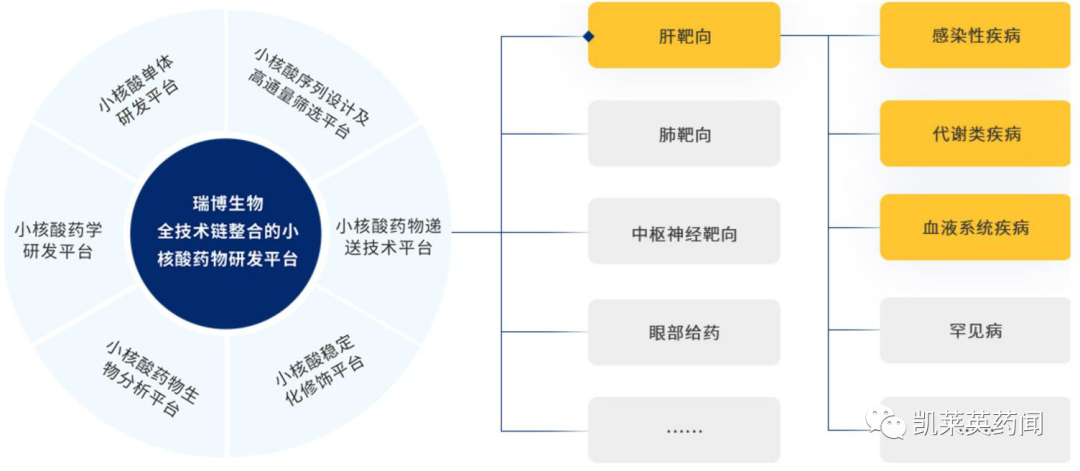
RIBO-GalSTAR:In the field of small nucleic acid drug chemical modification, the RIBO-GalSTAR® technology platform, developed based on the GalNAc delivery method, features internationally competitive levels of highly specific liver targeting, as well as high efficiency and long-lasting characteristics.
RIBO-OncoSTAR: It is a small nucleic acid tumor-targeted delivery platform technology independently developed by Ribo Life Science, which can be used for the targeted delivery of drugs related to various tumors.
RSC2.0 Small Nucleic Acid Stabilization Chemical Modification Technology: This technology can significantly enhance the stability of small nucleic acid drugs while maintaining their activity, effectively reduce or eliminate siRNA off-target effects and/or immunostimulatory properties, and improve targeting specificity.
The company has made certain progress in the research of delivery systems outside the liver, and has also established a rich clinical pipeline in the fields of cardiovascular and metabolism, liver diseases, ophthalmic diseases, rare diseases, and other areas.
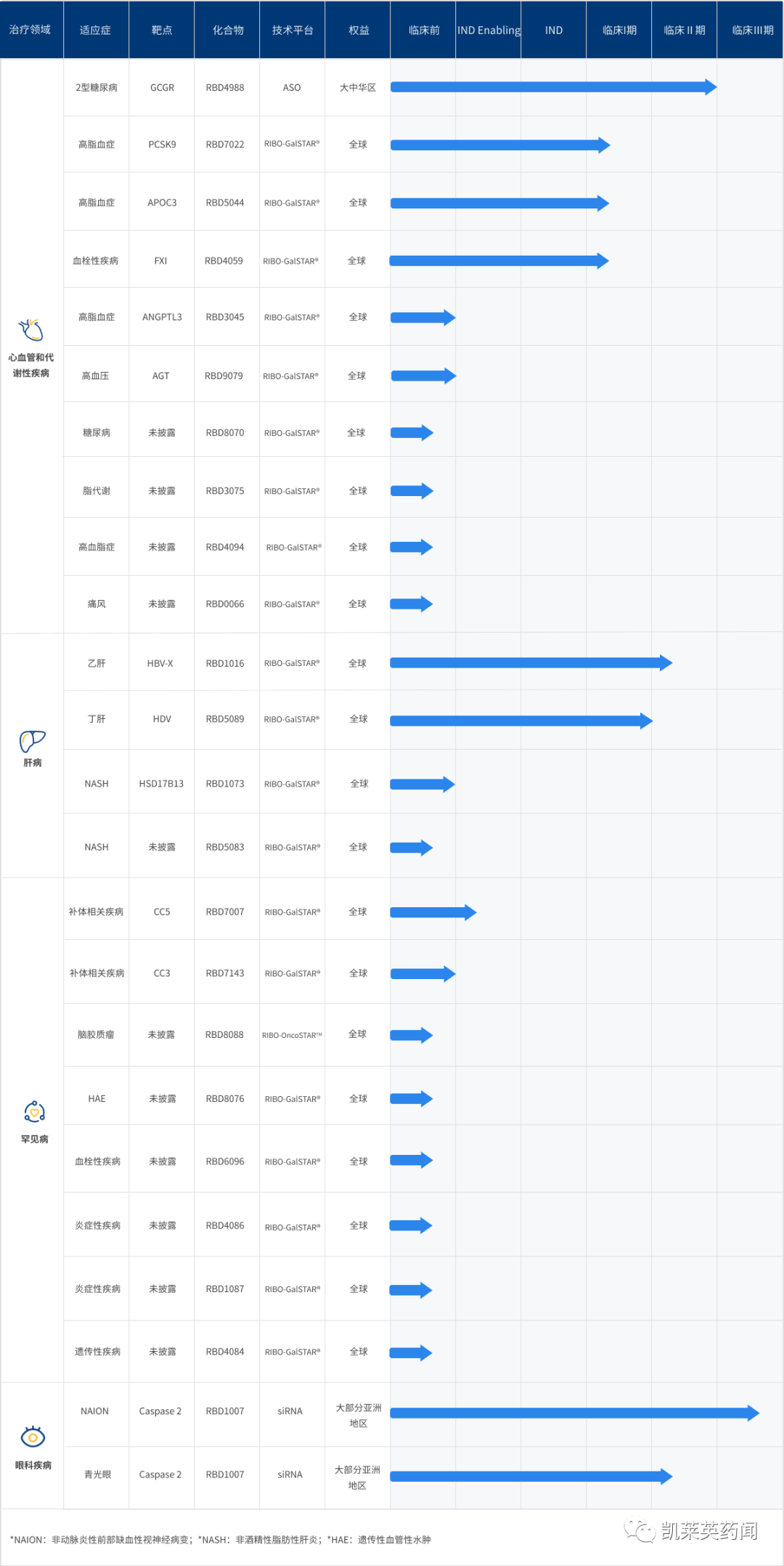
The company has the most extensive layout in the cardiovascular and metabolic disease fields.Four of them have entered the clinical stage.In addition to the two drugs mentioned above, RBD4988, which targets GCGR for type 2 diabetes, is the most advanced and is expected to become the first ASO drug acting on GCGR.
RBD4988:The second-generation 2´-O-(2-methoxyethyl) (2´-MOE) ASO drug developed by Ionis targets glucagon receptor (GCGR) mRNA and exerts its glucose-lowering effect through a dual mechanism of action, reducing hepatic glucose production while increasing GLP-1 to provide pancreatic protection. In 2017, Ribo Life Science acquired the development and commercialization rights in Greater China, and in February 2022, the first clinical study for the treatment of type 2 diabetes was initiated in China.
RBD7022:The second drug developed by the RIBO-GalSTAR liver-targeting technology platform targets PCSK9 mRNA expressed in hepatocytes, inhibiting PCSK9 expression through the RNAi mechanism, thereby increasing the number of LDL-R on the surface of hepatocytes and enhancing the clearance ability of LDL-C, ultimately achieving the goal of lowering blood lipids. In September 2022, the first-in-human clinical trial application in China was approved.
Small Nucleic Acid Layout in China and Abroad
Small nucleic acid targets and the spectrum of treatable diseases are extensive. In the early stages of industry development, relevant companies primarily focused on monogenic hereditary rare diseases with clear pathogenic mechanisms, well-defined biomarkers, and a lack of effective therapies. This low-risk strategy was used to advance early clinical pipelines, seeking rapid target validation and approval for market entry. After advancements in chemical modifications and the maturation of the GalNAc delivery system, these companies gradually expanded into common liver-related cardiovascular and metabolic diseases (such as high cholesterol, hepatitis B, diabetes, and NASH). They also began exploring targeting tissues/organs outside the liver, with long-term plans to address diseases in the central nervous system and ophthalmology fields. Overseas pharmaceutical giants commonly entered the small nucleic acid sector through collaborative development or acquisitions, expanding their presence in rare diseases, cardiovascular, and metabolic disease areas.
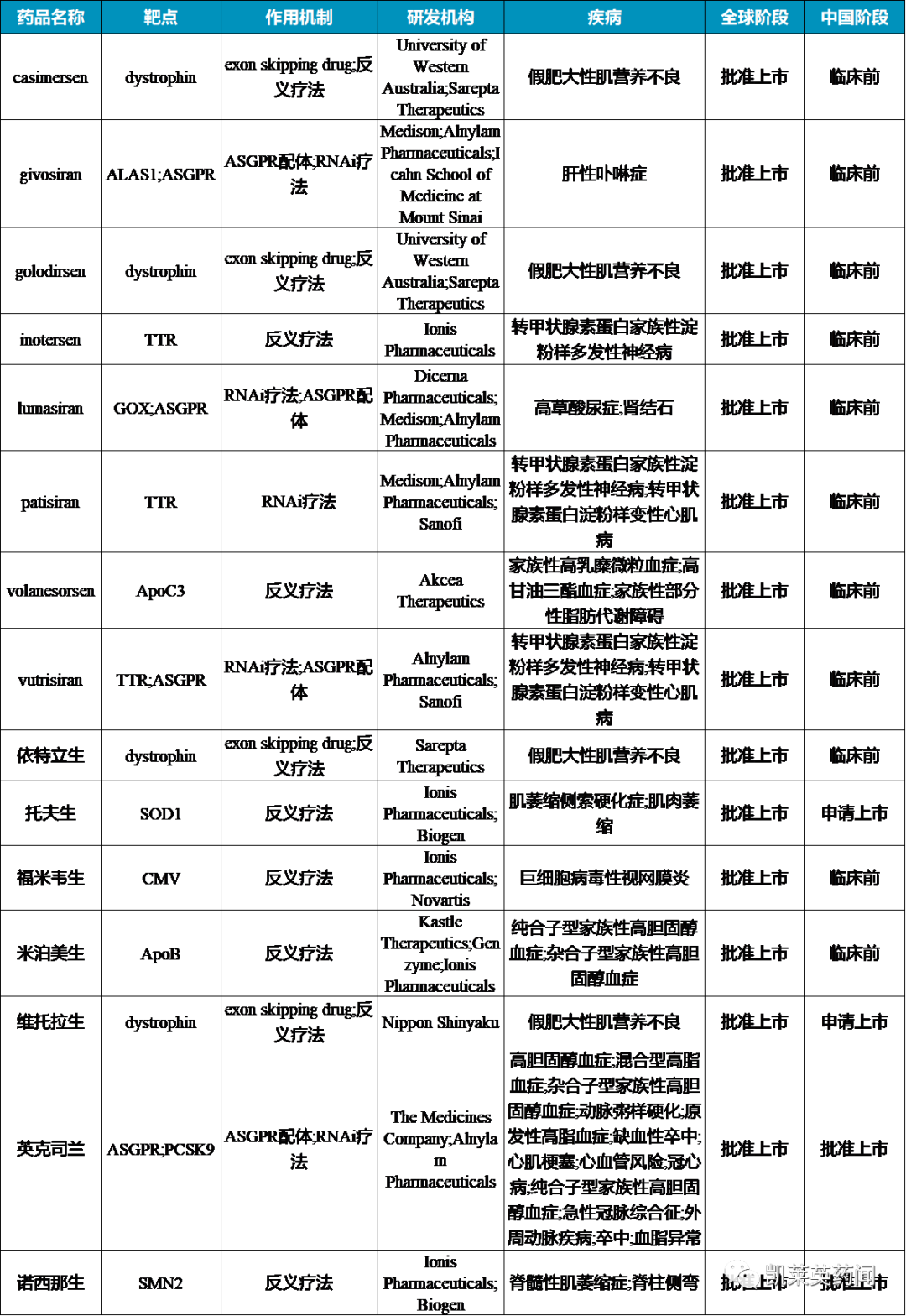
According to incomplete statistics, 15 ASO/siRNA small nucleic acid drugs have been launched globally. Except for Fomivirsen and Mipomersen, which were withdrawn from the market due to reduced cases and safety issues, the other 13 products on sale were all concentratedly launched after 2016. In terms of indications, the approved drugs are mainly for rare diseases, with application scenarios gradually expanding to common diseases such as cancer, CNS/ophthalmic diseases, as well as chronic diseases like hyperlipidemia, hypertension, and diabetes.
Globally Marketed siRNA and ASO Drugs
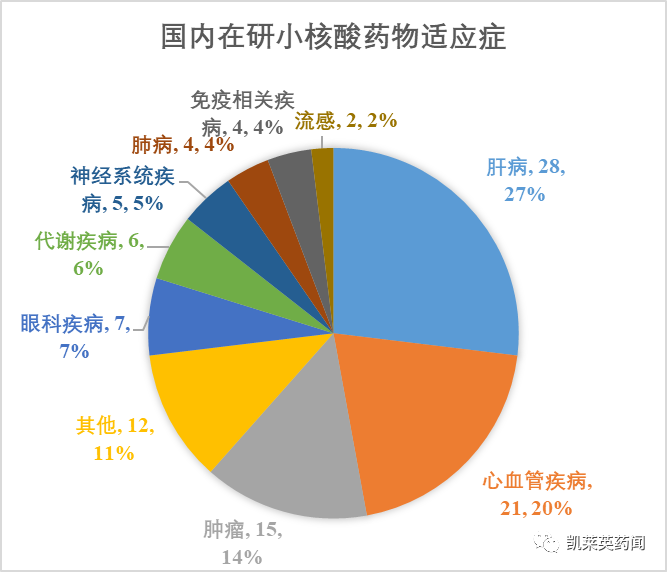
Currently, there are over a hundred small nucleic acid drug development projects underway in China. In terms of drug categories, there are 15 ASO drugs and 101 siRNA projects. Among all the projects under development, liver diseases, including hepatitis B, account for the largest proportion, followed by cardiovascular diseases, as well as cancer and genetic disorders.
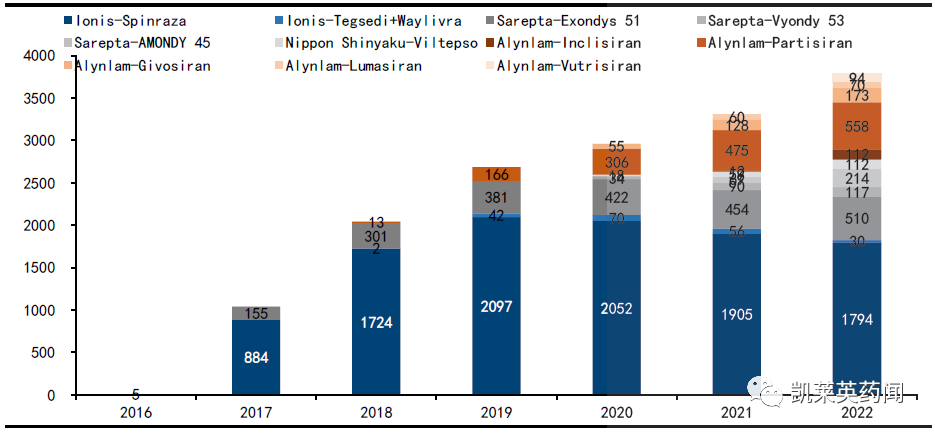
In 2022, the global small nucleic acid drug market achieved sales of approximately $3.8 billion, with a CAGR of about 30% over the past five years. In the future, with the approval of major indications such as ATTR-CM and the increase in products like Inclisiran for chronic diseases, the industry is expected to accelerate its development. Allied Market Research predicts that by 2025, the global small nucleic acid drug market size will reach $6.4 billion.
References
1. Company Official Website
2. CITIC Securities, Guoxin Securities




"Views"Click once