

Umoja Biopharma, Developer of In Vivo CAR-T Platform Eliminating Lymphodepletion and Achieving Up to 60% In Vivo Expansion, Files for IPO

Umoja Biopharma
Cancer Treatment Drug Developer
September 6, 2023 / eMedClub News /--On September 1, Umoja Biopharma presented the latest results from an ongoing non-human primate (NHP) study at the 8th Annual CAR-TCR Summit in Boston, USA. The research data indicates that the company'sVivoVec™ Platform TechnologyCanEffectively and durably generate CAR-T cells in vivo with good tolerance。
This POC data includes results from the first four NHPs treated in the study, demonstrating in vivo generation of CD20 CAR-T cells following a single infusion of Umoja’s multi-domain fusion (MDF) VivoVec™.CAR-T reaches the peak of expansion between days 7-10., and demonstrated targeted activity, persistent B-cell aplasia, and T-cell memory; in three animals that received the planned clinical dose treatment,Without lymphodepleting chemotherapy preconditioning,At peak, CD20 CAR-T cells account for 40-60% of the total circulating T-cell volume., central memory T cell responses further corroborate this point; additional independent CAR-T cell expansion was observed 30 days post-dosing in the first animal, with no VivoVec™-related dosing toxicity reported.
Current Status of In Vivo CAR-T Development
eMedClub
CAR-T therapy faces challenges such as multiple adverse events, a preparation process lasting up to 6 weeks, which can easily cause patients to miss the optimal treatment time, and the need for patients to undergo chemotherapy beforehand to deplete lymphocytes. The industry continues to explore new strategies to overcome these shortcomings of CAR-T, broaden its clinical accessibility, and unlock its application potential, such as universal CAR-T, CAR-NK, and in vivo CAR-T.In Vivo CAR-T Breaks Through the Limitations of CAR-T, Eliminates the Need for T Cell Extraction and Ex Vivo Genetic Modification, Simplifies the Preparation and Treatment Process of CAR-T Therapy, Reduces Time, Enables More Timely Treatment, Can Also Avoid GVHD, Lower Treatment Risks, and Reduce the Occurrence of Adverse Events.。
In recent years, in vivo CAR-T biotechs have emerged like mushrooms, gaining capital's favor with the support of advanced technologies. Kelonia Therapeutics is one of them, with its technology originating from pioneering research at MIT and the French National Centre for Scientific Research (CNRS). On April 28 last year, Kelonia announced the completion of a $50 million Series A financing round to develop more precise and efficient in vivo gene delivery technologies. Ixaka, established in 2021, had its in vivo CAR-T cell therapy CELTIC-19 granted Advanced Therapy Medicinal Product status by the EMA in March 2022. This product was developed based on targeted nanoparticle (TNP)-encapsulated lentiviral vector technology.

And the development strategy of Umoja isThrough simple infusionVivoVec™ Lentiviral VectorSubmitDelivery of CAR to the body, enabling CAR-T to be directly transduced and expanded within the patient's body,At the same time, an additional "cofactor" TumorTag™ is added to "label" the target tumor cells, enhancing the targeting of CAR-T cells.

Umoja Biopharma, Inc. was founded in 2019 in Seattle, Washington, USA, by several professors from the Seattle Children's Research Institute, Seattle Children's Hospital, and Purdue University. The company has four major technology platforms——VivoVec™, iCIL, RACR/CAR™, and TumorTag™, focusing on developing novel CAR-T therapies to overcome the limitations of existing technologies.In 2022, Umoja, founded just three years ago, completed a $263 million financing round and ranked second on the prestigious BioSpace "Top Emerging Life Science Companies of 2022" list.
Umoja Biopharma's Technology Platform and Pipeline
eMedClub
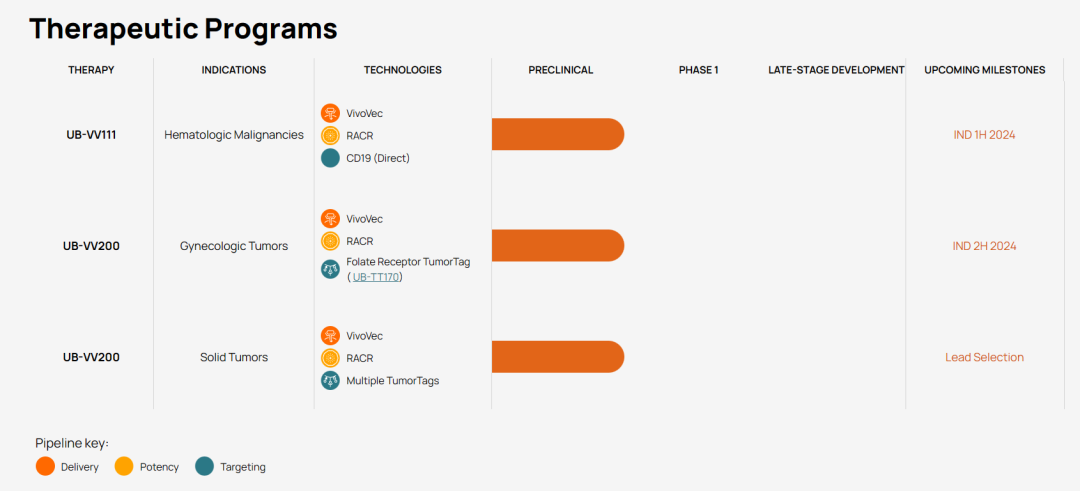
Umoja Biopharma's Existing Pipeline
Umoja Biopharma's in vivo CAR-T therapy is based on its three core technology platforms — VivoVec™, RACR/CAR™, and TumorTag™. This cutting-edge treatment eliminates the complexity, delays, and high costs associated with traditional ex vivo manufacturing of CAR-T cells. The company has established three in vivo CAR-T development pipelines targeting both hematologic malignancies and solid tumors, all currently in the preclinical stage.
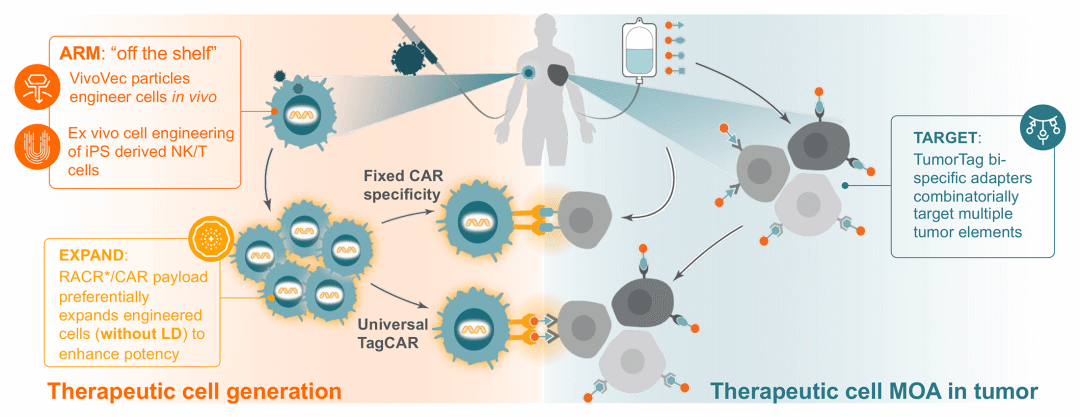
Umoja In Vivo CAR-T Mechanism of Action Diagram
VivoVec™ utilizes the company's proprietaryThird-Generation Multi-Domain Fusion (MDF) Lentiviral Vector Technology, delivering genes into the patient's body to generate CAR-T cells through the lymphatic system, has been safely used for 20 years. VivoVec™VivoVec™ vectors are pseudotyped with the Cocal glycoprotein, which has been shown to resist human serum inactivation; VivoVec™ vectors also express a membrane-anchored anti-CD3 scFv that facilitates T-cell activation and transduction in vivo. VivoVec™ vectors are injected into the patient’s lymph nodes, where they bind, activate, and transduce T cells to generate CAR-T cells, which then migrate out of the lymph nodes and home to the tumor site.
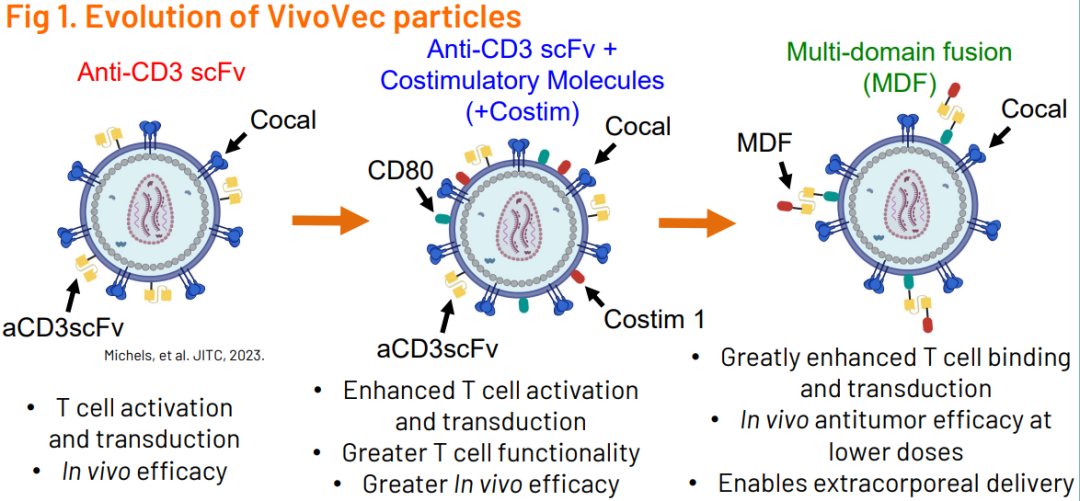
Optimization of VivoVec™ Viral Vector
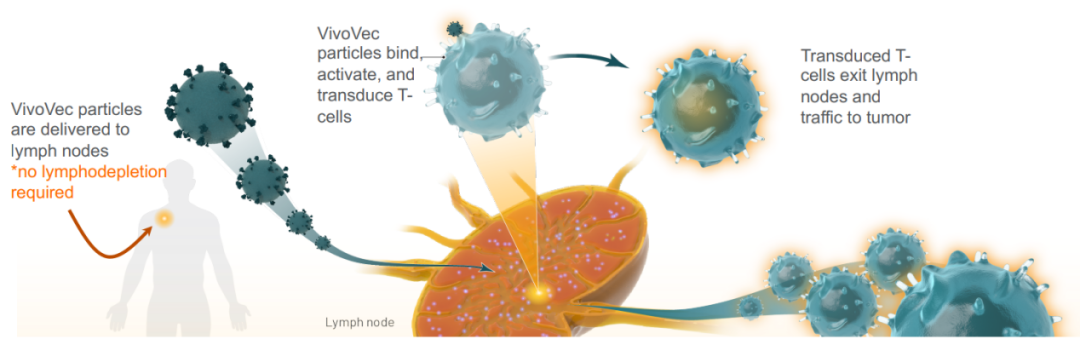
VivoVec™ In Vivo Mechanism of Action Diagram
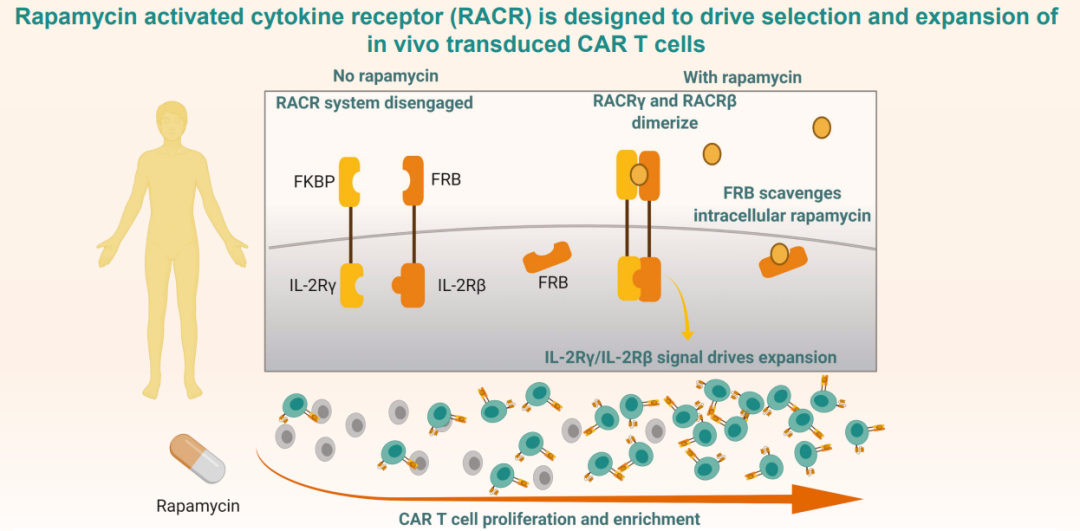
RACR/CAR™ Provides Selective Growth Signals for CAR-T Cells,Because once the RACR system is activated, it replicates and generates IL-2/IL-15 cytokine signaling pathways, activates the STAT5 pathway, and promotes the proliferation and survival of CAR-T cells.The successfully transduced CAR-T cells express rapamycin-activated cytokine receptor (RACR) on their surface, "arming" them with resistance to rapamycin's natural antiproliferative activity, while the T cells that were not successfully transduced with CAR stop proliferating under the influence of rapamycin, allowing the CAR-T cells to survive and expand in vivo.The intracellular naked FRB domain can chelate rapamycin, and through the mTOR pathway, it can also enhance the resistance of transduced CAR-T cells to rapamycin, while non-transduced T cells and B cells are inhibited by rapamycin.This in vivo CAR-T cell therapy does not require prior lymphodepletion in patients, eliminating the risk of severe infections caused by lymphodepletion.In addition,RACR/CAR™ also has some secondary mechanisms of action,It is also a part of the core design principles of the RACR system, such as rapamycin, which can inhibit tumor growth, suppress the body's rejection of transgenes expressed in VivoVec™ particles and transduced cells, and extend the patient's remission period.
TumorTag™ is a class of small molecules developed by the company that can bind to cancer and stromal cells and "tag" them, marking them as targets for CAR-T cells.This enables CAR-T cells to launch a precise and effective attack on cancer cells, potentially reducing treatment-related adverse events. TumorTag™ is applicable to a range of cancers and can also be used in the ex vivo manufacturing of autologous CAR-T or allogeneic universal CAR-T to enhance CAR-T targeting flexibility.
Umoja Biopharma's innovative iCIL platform utilizes RACR technology to mass-produce synthetic cancer-fighting cells from iPSCs. These cells, known as induced Cytotoxic Innate Lymphocytes (iCILs), can enhance patients' endogenous anti-tumor immune responses and work synergistically with in vivo CAR-T cells generated by VivoVec™. In November 2022, Umoja Biopharma and IASO Biotherapeutics reached an agreement to combine Umoja’s iCIL platform with IASO Biotherapeutics’ leading CAR technology to develop off-the-shelf immunotherapies for AML and other hematologic malignancies.
2.https://www.umoja-biopharma.com
Exciting Live Broadcast Preview
Long press to scan the QR code and participate immediately ↓
Recommendation
1
September 6 (Wednesday) 19:00-21:00
From Evaluation, Process to Clinical Application: New Trends in Cell Therapy

Recommendation
2
September 7 (Thursday) 19:30-20:30
CDE On-site Inspection Key Points: Antibody BLA Submission Viral Clearance Validation Study (VCS)



Dian Dian “Share”、“Like" and "In View", charge me up a bit~"