

Ultrasound Ablation Takes the Lead in RDN: Who Will Be China's ReCor?

Medtronic
Medical Device Manufacturer
Editor's Note: This article comes from MedTF, and VCBeat is authorized to reprint it.
A Flap of the FDA's Wings Across the Ocean Triggers a Category Twelve Hurricane in the RDN Field. Recently, the RDN (Renal Denervation) field has reached a new milestone.
On August 22 and 23, the FDA's Medical Device Advisory Committee Circulatory System Devices Panel successively approved ReCor's Paradise RDN System and rejected Medtronic's Symplicity Spyral RDN System. This outcome has allowed ultrasound ablation, which was originally trailing behind radiofrequency ablation, to overtake in the RDN field, potentially gaining a first-mover advantage.
Why did the committee have vastly different attitudes towards the two RDN products? The voting results show that Recor performed better than Symplicity Spyral in all three voting indicators (see table below). Additionally, ReCor's clinical study reached its primary effectiveness endpoint (reduction in daytime ambulatory systolic blood pressure 2 months post-operation), while Medtronic’s clinical study failed to meet the primary effectiveness endpoint (failure to reduce 24-hour ambulatory systolic blood pressure 6 months post-operation); effectiveness became the key distinguishing metric between the two.

Nevertheless, the committee unanimously agreed that existing drug treatments fail to meet the needs of hypertension management. It can be concluded that the FDA recognizes RDN technology, particularly its safety.
The Past and Present of RDN in Treating Hypertension
RDN is not a new field. The world's first RDN human study was successfully completed in 2007, and the first RDN product received CE approval in 2008. Subsequently, RDN products from Boston Scientific, St. Jude Medical, ReCor, Medtronic, Terumo, and Johnson & Johnson successively obtained CE approval. Medtronic, one of the major companies that entered this field early, predicted at its investor conference that the global RDN market would reach 1 billion US dollars by 2026 and grow to 30 billion US dollars by 2030.
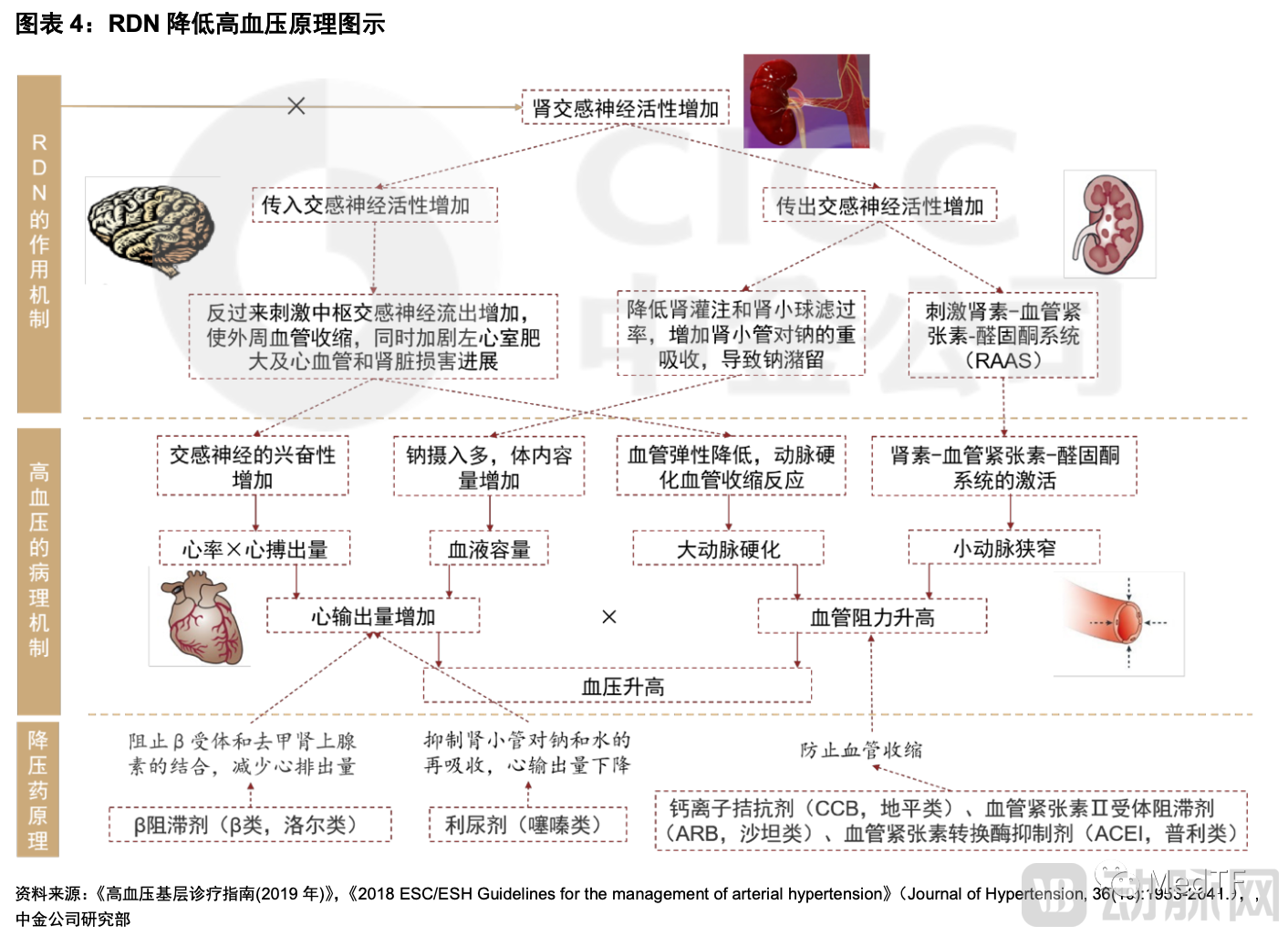
However, the failure of Medtronic's Symplicity HTN-3 clinical trial in 2014 poured cold water on the heated RDN track. It wasn't until after 2020, with the FDA successively approving Medtronic, ReCor, Sonivies, MaiLiWeiYe, and Kangfeng Biotech's RDN products as breakthrough devices, that RDN returned to the spotlight.
ReCor and Medtronic are currently leading the international RDN race, and the voting results from the FDA committee have undoubtedly significantly enhanced the application prospects of ultrasound ablation technology in RDN therapy. Who is expected to become China's Recor? Let’s explore domestic devices under different technical pathways (based on publicly available information).
RDN: A Blossoming of Different Technical Pathways Currently, the RDN field mainly includes three methods: ultrasound ablation (Qiming Medical, Hantong Medical), radiofrequency ablation (Biosense, Xinyi, Charm Leaf), and cryoablation (Kangpu Biotech).
Ultrasound Ablation
● Venus Medtech: Echomplish
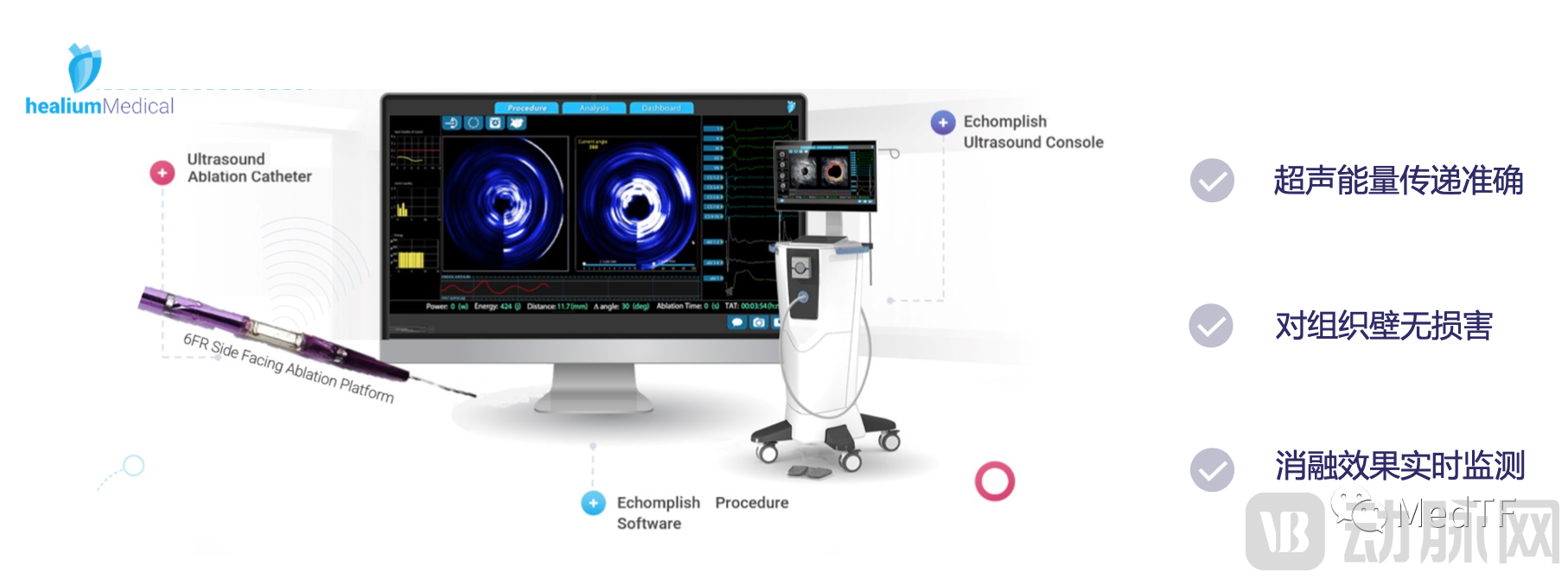
In 2021, Venus Medtech announced the establishment of a joint venture, Renaly Ltd., with Healium Medical Ltd., an Israeli high-tech company specializing in the development of therapeutic and imaging capabilities using ultrasonic energy. Its Echomplish Dual-Modality Ultrasound Technology PlatformCanAchieving precise ultrasound ablation and ultrasound imaging monitoring simultaneously. The device consists of three parts: an ablation catheter, a console, and a software system. Through the imaging software, real-time images during the ablation process can be clearly observed. Ultrasound is used to indicate the lesion location, and a lesion scoring system is employed to keep the operator informed about the surgical status. Currently, the product is in the animal testing phase, with the design nearly finalized, and it is about to enter the human research stage.
● Hantong Medical: (Product name and image not disclosed)
Hantong Medical launched its self-developed "Renal Artery Ultrasound Ablation System (uRDN)," which optimizes the acoustic field output range for more stable ablation effects. It is also a product capable of performing 360° uniform energy field ablation in both the main renal artery and its branches. Additionally, the company is developing the next-generation ultrasound energy platform, combining ablation therapy with ultrasonic diagnosis to achieve the clinical advantages of targeted ablation and real-time monitoring of ablation effects. The progress of Hantong Medical’s RDN product has not been publicly disclosed.
Radiofrequency Ablation
The radiofrequency ablation pathway has also attracted a large number of domestically produced enterprises, with representative ones including: Xinxmai, Baxian, and Meili Weiye. The clinical enrollment for registration in China for these companies has all been completed.
● SyMapCath/SymPioneer: SyMapCath/SymPioneer
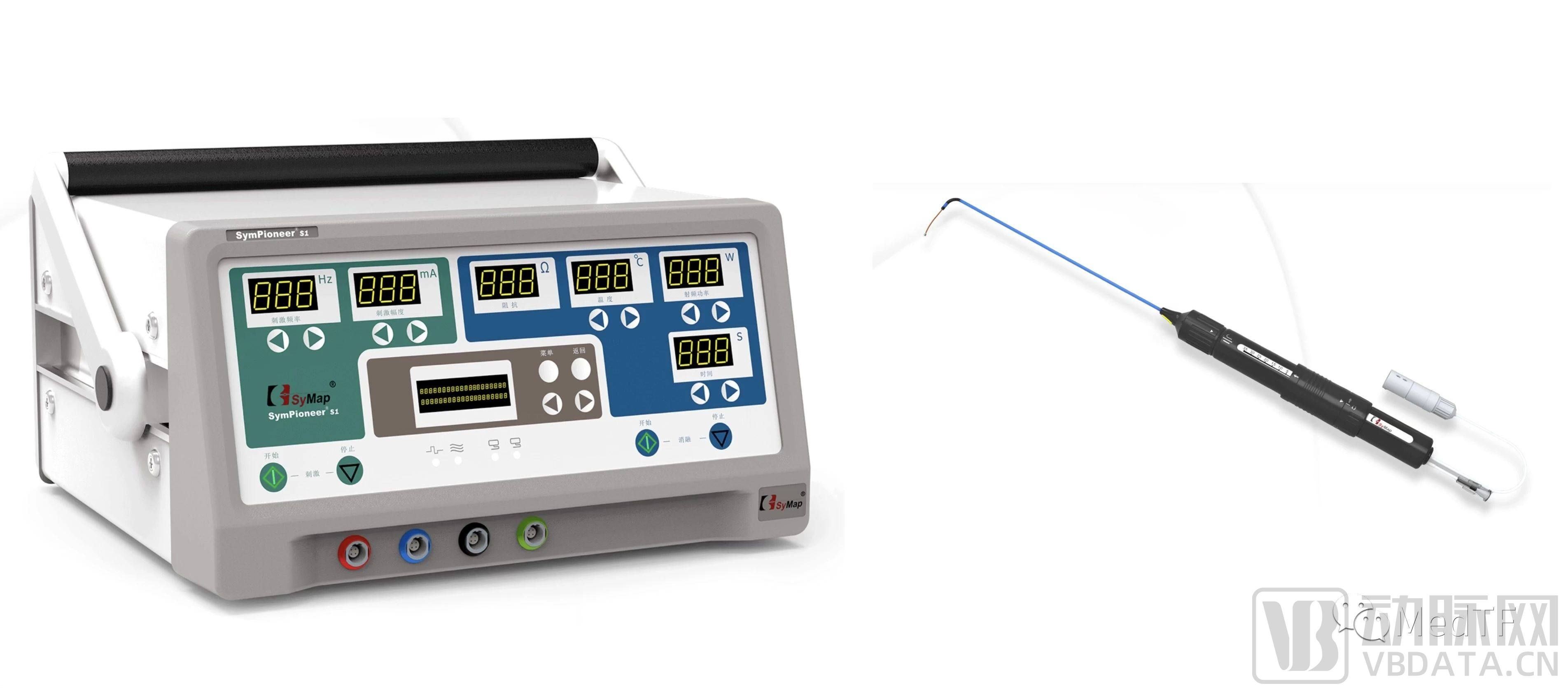
Its disposable renal artery radiofrequency ablation catheter, SyMapCath, integrates five functions: guidance, angiography, stimulation/mapping, temperature-controlled ablation, and manual perfusion. The SymPioneer radiofrequency ablation generator is equipped with 8 CPUs that provide mutual feedback, ensuring the accuracy of stimulation mapping parameters and ablation parameters. It features precise low-energy temperature control, automatically adjusting ablation energy to maintain the set ablation temperature, and has an automatic protection function for all preset parameters. Currently, the product has completed patient enrollment for China's registrational clinical trials, and the company stated that the system is expected to receive NMPA approval for market launch in 2023 through the special approval process for innovative medical devices.
● Baxian An: Iberis
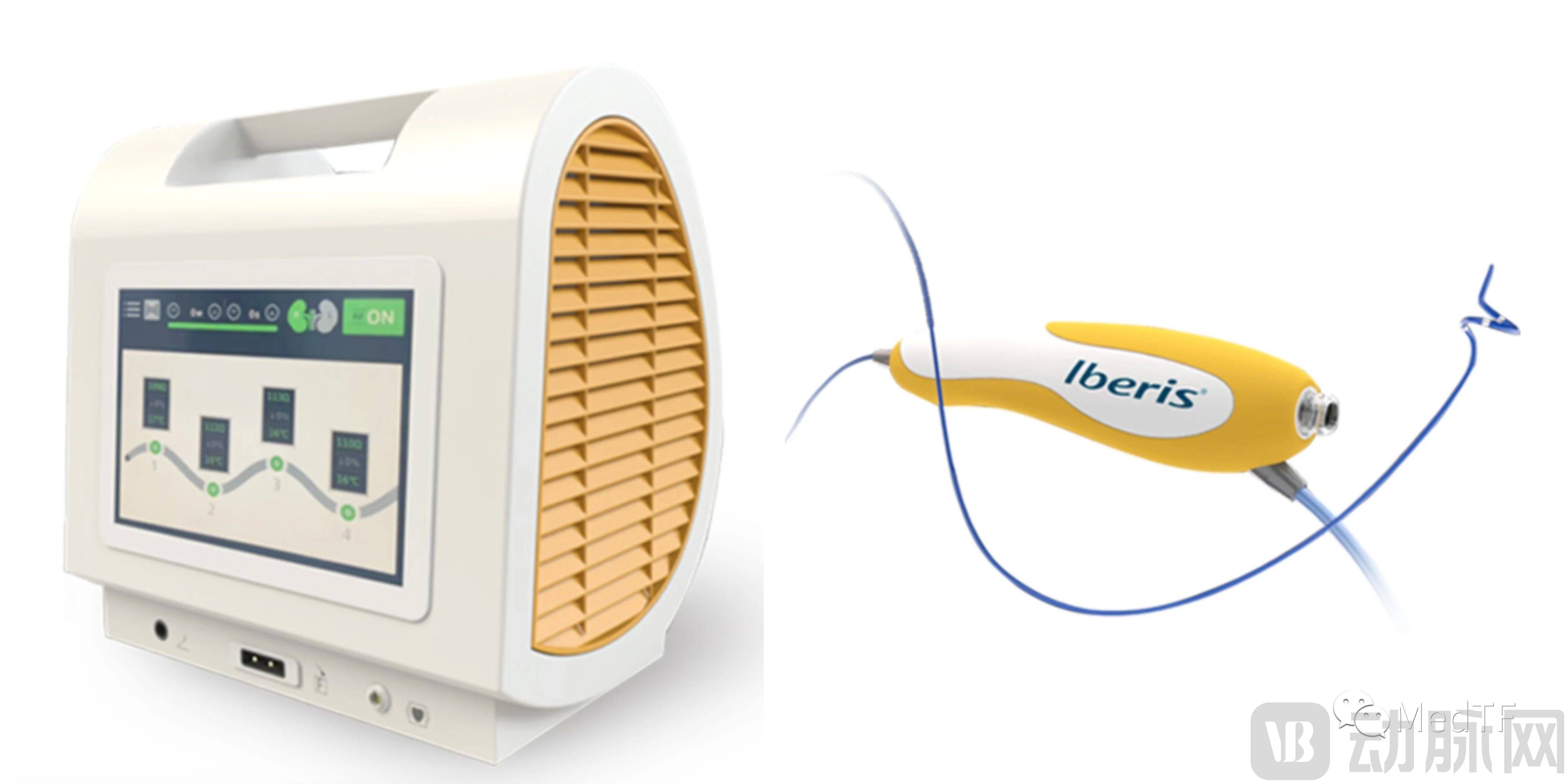
Biocor 2020 acquired 65.69% of Antong Medical's equity, obtaining its RDN product line. Its Iberis multi-electrode renal artery radiofrequency ablation system can deliver radiofrequency energy to the walls of the renal arteries, thermally ablating the sympathetic nerves distributed around the renal arteries, thereby reducing sympathetic nerve activity and nerve signals to lower blood pressure. The ablation catheter tip is made of nickel-titanium memory alloy, which can automatically recover into a spiral shape and adapt to the vessel size for optimal contact with the vessel wall, ensuring each electrode touches the vessel wall, improving surgical efficiency and overall ablation treatment effectiveness. The main unit has real-time impedance and temperature monitoring functions, ensuring real-time assessment of the ablation effect while fully guaranteeing patient safety. Currently, Iberis has submitted a registration application in China, and the company expects to receive NMPA approval for market launch in China in Q2-Q3 2024.
● 魅丽纬叶 :Netrod
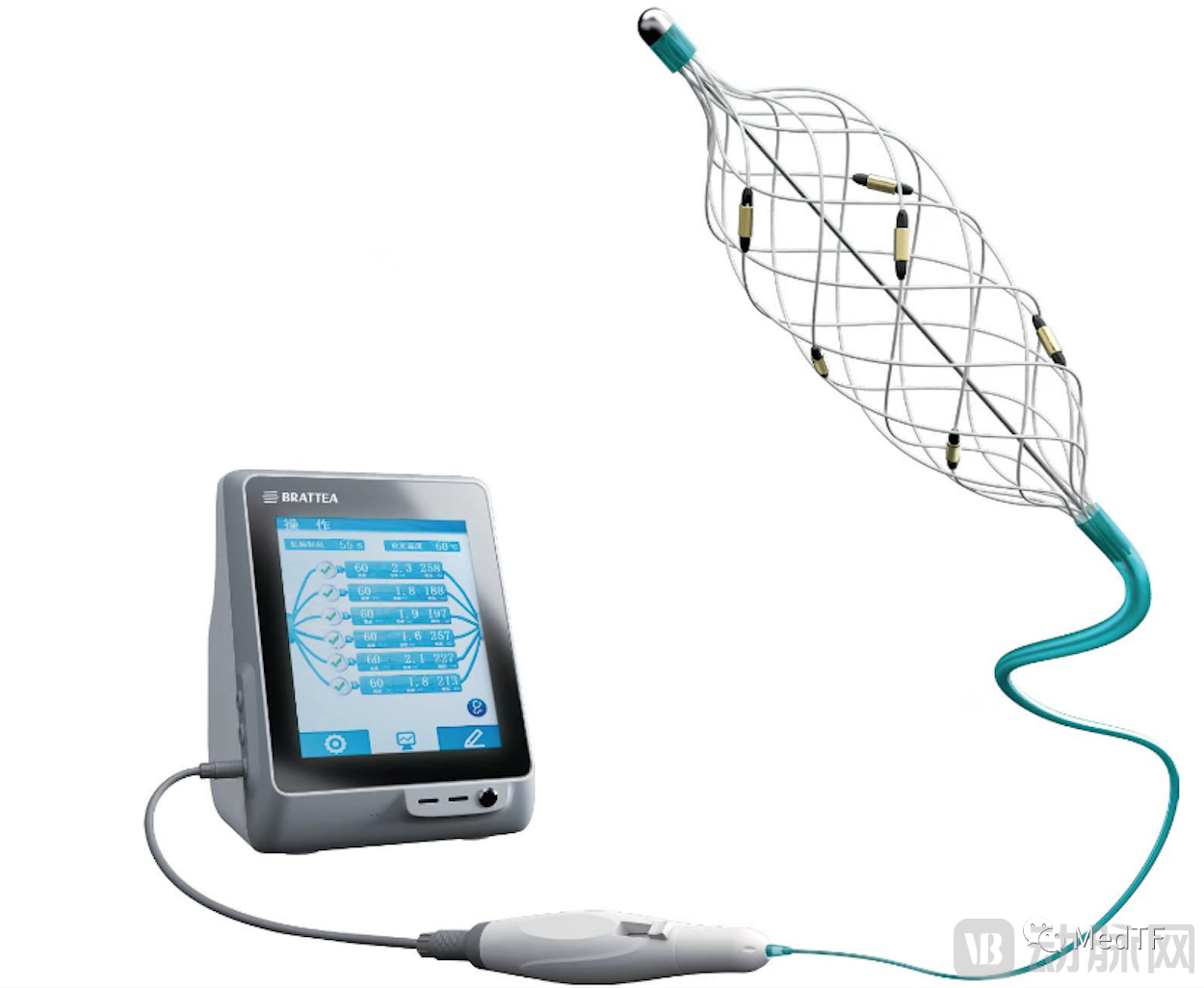
The Netrod Mesh Multi-Electrode Renal Artery Radiofrequency Ablation System, independently developed by the company, adopts an innovative basket-like structure. The product demonstrates excellent vessel compliance and superior wall-adaptability within blood vessels. The six electrodes are arranged in a 360-degree spiral pattern, enabling comprehensive point, line, surface, and volumetric ablation to create a continuous energy field that enhances both ablation efficiency and effectiveness. Netrod is the only Renal Denervation (RDN) radiofrequency ablation system produced in China to have received FDA Breakthrough Device Designation. Currently, Netrod has officially submitted its registration application to China's NMPA.
Cryoablation
Finally, there is cryoablation, represented by the world's first cryoablation product specifically for treating hypertension from Kangfeng Biotech, a Chinese company. The system received Breakthrough Device Designation from the FDA in December 2022, bringing honor to China's RDN innovative devices.
● Cryofocus: Cryofocus
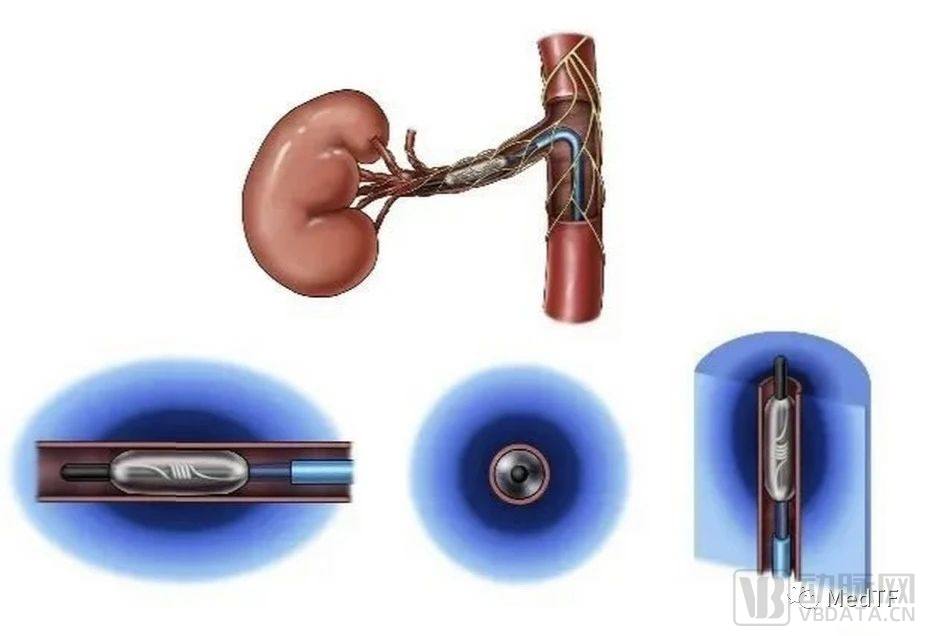
Its self-developed cryoablation system, Cryofocus, is based on the theory that temperatures below -68°C can cause irreversible cell damage. Using liquid nitrogen as a refrigerant, it performs ablation of renal sympathetic nerves through a cryoballoon. The system features complete nerve damage, precise ablation positioning, minimal vascular endothelial injury, and a low risk of thrombosis. Currently, the system is undergoing confirmatory clinical trials, with the company expecting NMPA approval for marketing in China by the second half of 2025.
With the recent recommendation of ReCor's ultrasound ablation system by the FDA review committee, there is much anticipation about which company will take the lead in the RDN field. Several high-potential domestically produced products are also expected to be approved for marketing between 2023 and 2025. We look forward to both domestic and overseas companies competing on the same stage, jointly shaping the vast market for RDN in hypertension treatment.