VASCADE MVP Venous Vascular Closure System Receives CE Mark and Launches in Europe

Cardiva Medical
Medical Device R&D and Manufacturer

Medtronic
Medical Device Manufacturer

Haemonetics
A High-Tech Professional Company Specializing in Blood Processing Technology


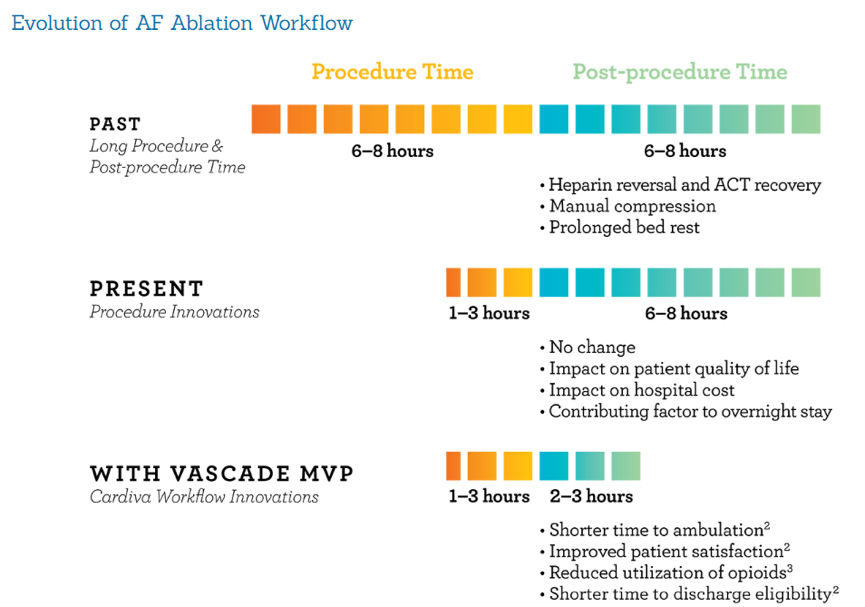
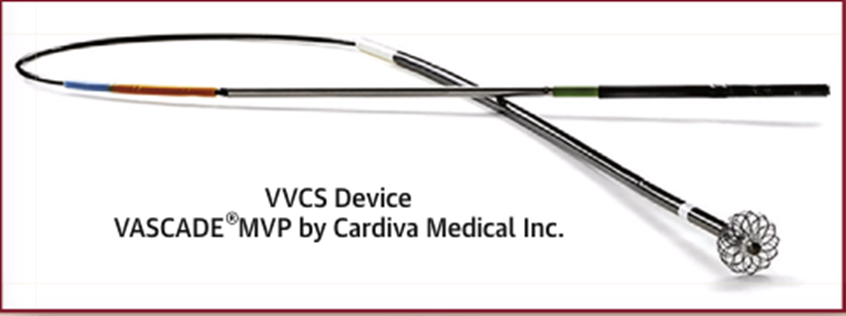
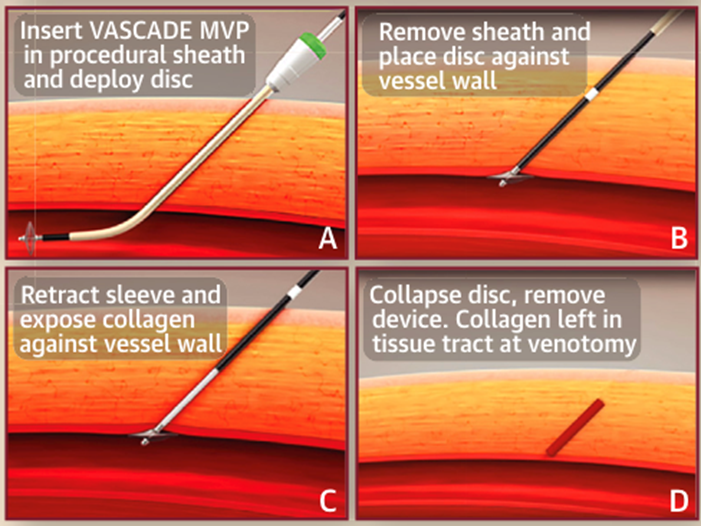
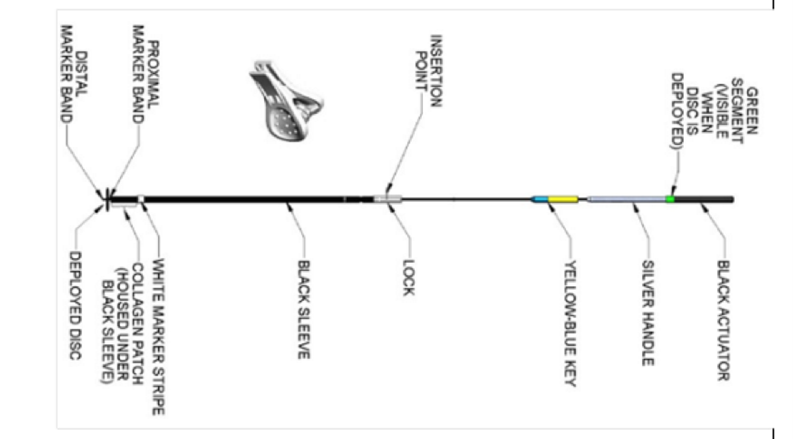
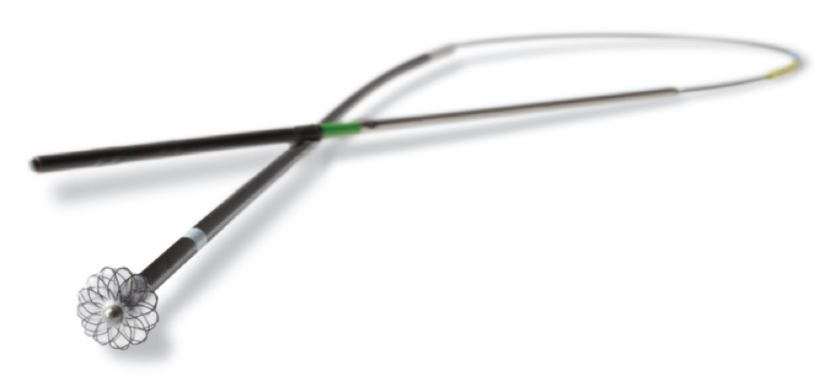
The study compared the efficacy and safety of the VASCADE MVP venous vascular closure system (VVCS) device (Cardiva Medical, Santa Clara, California) with manual compression (MC) for puncture site closure following electrophysiological procedures. Outcome measures included time to ambulation (TTA), total post-procedure time (TPPT), time to discharge eligibility (TTDe), time to hemostasis (TTH), 30-day major and minor complications, analgesic use, and patient-reported outcomes. A total of 204 patients were randomized to the closure device group (n=100; 369 puncture sites) or the MC group (n=104; 382 puncture sites). Baseline characteristics were similar between groups. Mean TTA, TPPT, TTDe, and TTH were significantly reduced in the closure device group (by 54%, 54%, 52%, and 55%, respectively; all p<0.0001). Opioid use was reduced by 58% (p=0.001). No major puncture site complications occurred. Minor complication rates were 1.0% in the closure device group and 2.4% in the MC group (p=0.45). Patient satisfaction with bed rest duration and comfort was 63% and 36% higher, respectively, in the closure device group (both p<0.0001). Overall satisfaction with bed rest pain was 25% higher in the closure device group (p=0.001), and 40% higher among patients with a history of ablation (p=0.002). The use of the closure device in cardiac ablation procedures significantly reduced TTA, TPPT, TTH, TTDe, and opioid use, with high patient satisfaction and no significant increase in complications.
AMULATE SDD Trial
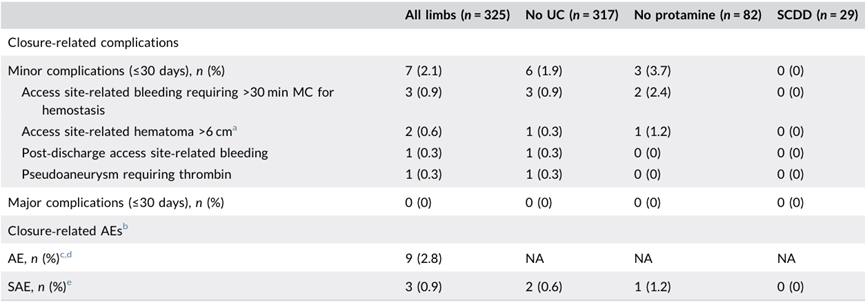
AMULATE SDD Trial is a two-phase, multi-center, prospective, single-arm post-marketing study that collected data from patients discharged on the same day (SDD) of ablation, evaluating the outcomes and safety of using VASCADE MVP for venous closure in atrial fibrillation patients discharged on the same day. Professor Zayd A.Eldadah announced the relevant data of the study: 354 patients were included, with 151 (42.7%) undergoing treatment for paroxysmal atrial fibrillation and 203 (57.3%) receiving treatment for persistent atrial fibrillation. 323 patients (91.2%) completed SDD, of which 320 (99.1%) required no subsequent hospital intervention. No major access site complications were recorded. Patients discharged on the same day reported higher procedural satisfaction compared to those who stayed in the hospital. In this study, 99.7% of SDD patients did not require additional hospital intervention for access site-related complications during follow-up. SDD appears feasible and safe for eligible patients with paroxysmal or persistent atrial fibrillation after catheter ablation, with VASCADE MVP playing a significant role in venous access closure.

Review and Compilation: Dr. Chen Xi, Attending Physician, Wuhan First Hospital
Editor: Oliver, Vascular Information
Copyright Statement: This platform aims to help healthcare professionals better understand the latest developments in relevant disease areas. The information published on this platform does not imply agreement with its descriptions or viewpoints; it is solely for providing more information. If there are any copyright issues, we kindly request the rights holders to contact us, and we will address them as soon as possible. The information is intended for healthcare professionals to stay informed and should not replace professional medical guidance in any way, nor should it be considered as medical advice. If such information is used for purposes other than staying informed, this platform and its authors assume no responsibility.Contact email for collaboration: vascular@edoctor.cn.