

Kriya Therapeutics Advances One-Time Gene Therapy for NASH Following Tramontane Acquisition and Prepares for Clinical Entry in 2025

Kriya
Gene Therapy New Drug Developer

Tramontane Therapeutics
Gene Therapy Researcher
▎Edited by the WuXi AppTec content team
Recently, Kriya Therapeutics announced the completion of its acquisition of Tramontane Therapeutics. The company will develop a one-time intramuscular gene therapy for the treatment of non-alcoholic steatohepatitis (NASH) obtained from this gene therapy biotechnology firm and plans to advance this gene therapy candidate into clinical trials in the first half of 2025.
As of now,The company has raised more than $600 million through multiple rounds of financing and has pipelines in three major therapeutic areas: ophthalmology, neurology, and metabolic diseases.The company was also featured on the 2021 Next-Gen Bio list by industry media BioSpace. So, what sets this gene therapy company apart?
Kriya Therapeutics, founded in 2019, focuses on developing gene therapies to address diseases affecting millions of people worldwide. The company's strategy is to become a gene therapy provider, with Kriya acquiring smaller gene therapy companies and signing new licensing agreements to bolster its early-stage pipeline. Beyond that,Kriya's proprietary computational engine SIRVE can integrate vast amounts of data generated by the company’s engineered and high-throughput screening platforms, supporting machine learning-powered analysis and intelligent product design.
In the metabolic disease R&D pipeline of Kriya Therapeutics, KT-A112 is a gene therapy administered via intramuscular injection, capable of producing insulin and glucokinase needed for treating patients with type 1 and type 2 diabetes; KT-A522 is a therapy administered via submandibular gland injection, which can produce a glucagon-like peptide-1 (GLP-1) receptor agonist to treat patients with type 2 diabetes and severe obesity. KT-A832 is a therapy administered via intrapancreatic injection, which can produce a modified insulin-like growth factor 1 (IGF-1) to treat patients with type 1 diabetes.
November 2022,Kriya Acquires Redpin Therapeutics for an Undisclosed AmountIncorporated neurology treatments into the R&D pipeline, primarily targeting epilepsy and trigeminal neuralgia.
This time, Kriya acquired Tramontane Therapeutics, a spin-off company from the Autonomous University of Barcelona (UAB), for an undisclosed amount, making it a wholly-owned subsidiary. In the process, Kriya obtained Tramontane’s portfolio of fibroblast growth factor 21 (FGF21) products, which focus on neurodegenerative and metabolic diseases.Although there are currently no approved therapies for the treatment of NASH, FGF21 has been identified as a clinically validated biological target for NASH. This acquisition marks Kriya's first entry into the NASH field.
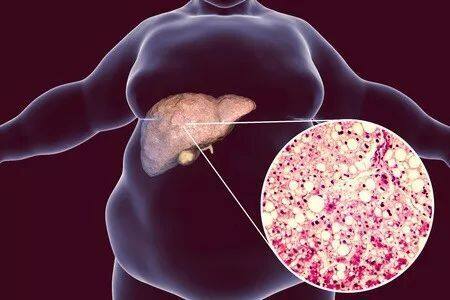
Image Source: 123RF
Dr. Shankar Ramaswamy, co-founder and CEO of Kriya, stated, "The data related to Tramontane's FGF21 program has left a deep impression on us.The project has consistently demonstrated robust efficacy and durability across multiple validated models of obesity and NASH."The addition of Tramontane Therapeutics' FGF21 program is strategically aligned with our metabolic disease portfolio."
Tramontane Therapeutics' primary program is a one-time muscular injection gene therapy using an adeno-associated virus (AAV) vector, designed to express stable levels of native FGF21 protein, which can exert beneficial metabolic effects on multiple organs, including the liver.Kriya and Tramontane both believe that this candidate gene therapy may offer better efficacy, safety, tolerability, and pharmacokinetic properties compared to other candidate therapies currently under development, specifically in the following aspects:
① A one-time muscle injection gene therapy based on AAV can eliminate compliance issues associated with complex medication regimens;
② Natural FGF21 avoids the non-natural modifications made to FGF21 analogs to extend their half-life, which may help improve tissue distribution and receptor binding.
③ Continuous expression of FGF21 can provide a stable level of protein, avoiding the pharmacokinetic fluctuations from peak to trough caused by repeated injections of recombinant analog products, which may lead to better therapeutic outcomes;
④ Long-term and sustained effects of FGF21 through gene therapy may produce multi-year efficacy for lifelong chronic diseases.
Dr. Fátima Bosch, Co-Founder, President, and Chief Scientific Advisor of Tramontane Therapeutics, stated, "Patients with NASH urgently need better treatment options, and FGF21 is a clinically validated target for preventing fibrosis in this disease. As research on this condition continues and innovative approaches like gene therapy emerge, the future outlook for NASH treatment has significantly improved. I believe that a one-time gene therapy will bring a leap forward in the treatment of this chronic disease."
As a CTDMO under WuXi AppTec that focuses on cell and gene therapies, WuXi Advanced Therapies is committed to accelerating and transforming the development, testing, manufacturing, and commercialization of gene and cell therapies as well as other advanced therapies. WuXi Advanced Therapies can help global customers bring more innovative treatments to market sooner, benefiting patients. If you have related business needs, please click on the image below to fill in the specific information.