

Kriya Therapeutics Acquires Tramontane to Enter NASH Gene Therapy Arena, Targeting Gilead's Formerly Troubled Territory

Kriya
Gene Therapy New Drug Developer
Tramontane Therapeutics
Gene Therapy Researcher
September 12, 2023 / eMedClub News /--Recently,Kriya Therapeutics, Inc.AnnouncedCompletedFor the UAB spin-off companyAcquisition of Tramontane Therapeutics, will develop from this company,A One-Time Intramuscular Injection Gene Therapy for the Treatment of Nonalcoholic Steatohepatitis (NASH), and plans to advance this candidate gene therapy into clinical trials in the first half of 2025. Tramontane is a private gene therapy company focused on developing treatments for metabolic and neurodegenerative diseases.The product portfolio of Fibroblast Growth Factor 21 (FGF21) focused on neurodegenerative and metabolic diseases was a key attraction for Kriya's acquisition.。
Although there are currently no approved therapies for the treatment of NASH, FGF21 has been identified as a clinically validated biological target for NASH.This acquisition marks Kriya's first foray into the NASH field, enriching Kriya's neurology pipeline.
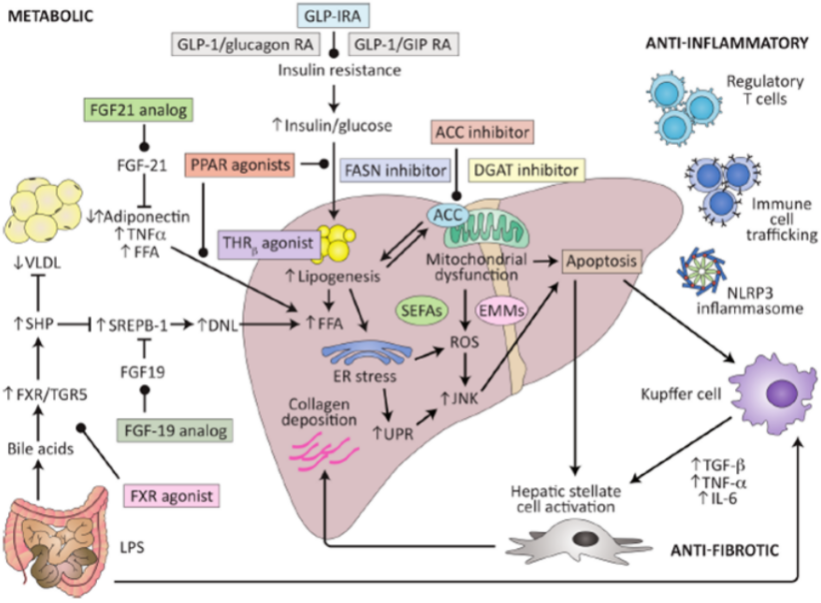
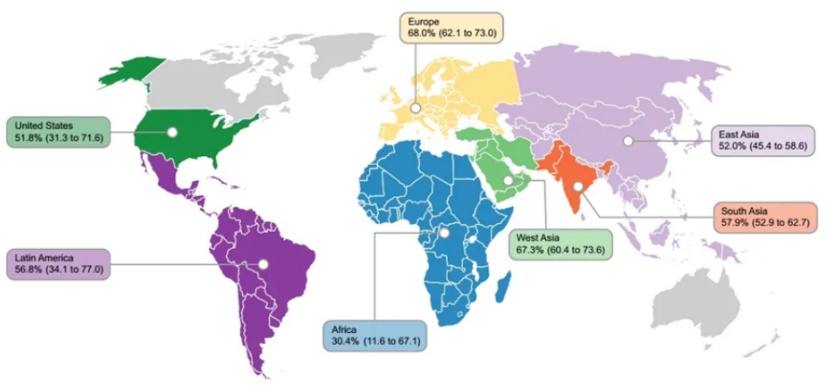
NASH is closely related to the global epidemic of obesity and diabetes.Excessive fat accumulation in the liver leads to inflammation and hepatocyte damage., isThe Most Severe Form of Nonalcoholic Fatty Liver Disease (NAFLD)From fatty liver to liver cancer, it only takes "four steps": NAFLD → NASH → liver fibrosis/cirrhosis → liver cancer. In the late stage of the disease, liver transplantation may be the only option. Currently, there are no FDA-approved treatments to stop or reverse the progression of NASH.
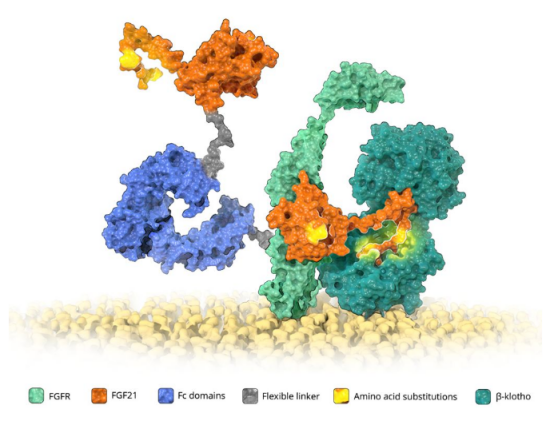
① A one-time muscle injection gene therapy based on AAV canEliminateAssociated with complex medication regimensCompliance issues;
② Natural FGF21 avoids the non-natural modifications made to FGF21 analogs to extend their half-life, which may helpImproved Tissue Distribution and Receptor Binding;
③ Continuous expression of FGF21 can provide a stable level of protein,Avoid the pharmacokinetic fluctuations from peak to trough caused by repeated injections of recombinant analog products., which may lead to better treatment outcomes;
④ Gene therapy can potentially enable FGF21 to have a long-lasting effect.Produce lasting efficacy for lifelong chronic diseases.
Dr. Shankar Ramaswamy, Co-founder and CEO of Kriya, stated: "The data related to Tramontane's FGF21 program has left a deep impression on us.The project has consistently demonstrated robust efficacy and durability across multiple validated models of obesity and NASH."The addition of Tramontane Therapeutics' FGF21 program is strategically aligned with our metabolic disease portfolio."

Kriya's Differentiated Development and Continuous Acquisitions

▲Image Source: KriyaOfficial Website
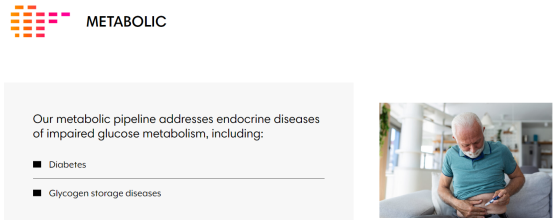
Among the company's most advanced metabolic disease R&D pipelines, there are three important pipelines:
1) KT-A112 is Kriya's first asset, aGene Therapy Administered via Intramuscular Injection, which can produce insulin and glucokinase needed for the treatment of patients with type 1 and type 2 diabetes;
2) KT-A522 is aAdministration via salivary gland injectionA therapy that can produce a glucagon-like peptide-1 (GLP-1) receptor agonist for the treatment of patients with type 2 diabetes and severe obesity.
3) KT-A832 is aAdministered by intrapancreatic injectionA therapy that can produce modified insulin-like growth factor 1 (IGF-1) to treat patients with type 1 diabetes.
Kriya's differentiated development never stops,In addition to metabolic diseases, it continues to advance into ophthalmology and neurology.On January 26, 2022, Kriya announced an exclusive agreement with the Medical University of South Carolina (MUSC) Research Development Foundation.License Next-Generation Complement-Targeted Gene Therapy for the Treatment of Geographic Atrophy (AMD) and Other Ocular Diseases.November 16, 2022Kriya Acquires Redpin, a Company Developing Adjustable Gene Therapies for Complex Neurological Disorders, incorporating neurology treatments into the R&D pipeline, primarily targeting epilepsy and trigeminal neuralgia.
In addition, Kriya's proprietary computational engine SIRVE can integrate large amounts of data generated by the company’s engineering and high-throughput screening platforms, supporting machine learning-powered analysis and intelligent product design.
Multiple Companies Layout NASH

Interestingly, there is a company focused on developing transformative therapies for patients with non-alcoholic steatohepatitis (NASH) and other severe metabolic disorders, and that isAkero Therapeutics, currentlyAKR-001, currently under development, is a novel long-acting analog of fibroblast growth factor 21 (FGF21), designed to harness the inherent benefits of the endogenous hormone FGF21, with the potential to reduce liver fat, alleviate inflammation, and reverse fibrosis., currently undergoing Phase 2a clinical trials.
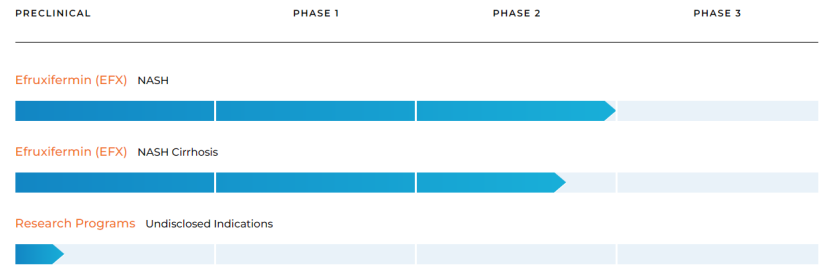
And at the beginning of this year, Arrowhead Pharmaceuticals announced itsPhase 1 Clinical Results of RNAi Candidate Therapy as a Potential Treatment for Nonalcoholic Steatohepatitis (NASH)Strong genetic and preclinical evidence suggests that the common I148M mutation in the PNPLA3 gene is one of the drivers of liver fat accumulation and damage. Individuals carrying the I148M homozygous mutation have a 4-12 times increased risk of developing non-alcoholic fatty liver disease, NASH, and hepatocellular carcinoma.ARO-PNPLA3 aims to reduce the expression of the PNPLA3 gene in the liver, potentially treating NASH.
The research results published this time show that, after a single dose,Patients homozygous for the I148M mutation exhibited a dose-dependent reduction in liver fat, with an average decrease of 40%.In terms of safety, no significant treatment-associated increases in triglycerides or low-density lipoprotein cholesterol were observed, with reported adverse events (AEs) being primarily mild, and no AEs leading to discontinuation of treatment or the study.

It is worth mentioning that,Arrowhead's RNAi therapy ARO-HSD for the treatment of non-alcoholic steatohepatitis (NASH) was acquired in November 2021 through a $120 million upfront payment from GSK., the total potential value of the agreement reaches 1.03 billion US dollars, and it is currently about to enter Phase II clinical trials.
Conclusion
eMedClub
Despite many breakthroughs in epidemiological research on NASH in recent years, NASH remains an increasingly common and severely harmful disease. The only currently effective treatment for NASH is still weight loss. Although there is no shortage of candidate drugs for NASH, the difficulties in diagnosis, staging, and monitoring treatment efficacy have added unprecedented complexity to this field.In the future, drug development in the NASH field should consider aspects such as drug safety and tolerability, risk of hepatocellular carcinoma, and treatment costs.As research on this disease continues and innovative methods such as gene therapy emerge, the future outlook for NASH treatment has significantly improved. One-time gene therapies will bring a leap forward in the treatment of this chronic condition.


Dian Dian "Share”、“Like" and "In View", give me a little recharge~