Acalabrutinib Gains Momentum with New Indications as BTK Inhibitor Market Heats Up

AstraZeneca
Biopharmaceutical Manufacturer
 Over the past decade, BTK inhibitors are increasingly replacing chemotherapy-based treatment regimens, particularly in the treatment of CLL and mantle cell lymphoma (MCL) patients, where BTK inhibitors have proven especially effective while also paving the way for more therapeutic indications.Recently, Acalabrutinib has gained another new indication for market release, further strengthening its position in the BTK market.
Recently, the National Medical Products Administration (NMPA) of China officially approved a new indication for AstraZeneca's hematological oncology product, Kang Keqi (English trade name: Calquence, generic name: Acalabrutinib Capsules), as a monotherapy for adult patients with chronic lymphocytic leukemia (CLL)/small lymphocytic lymphoma (SLL) who have received at least one prior therapy.


Source: NMPA
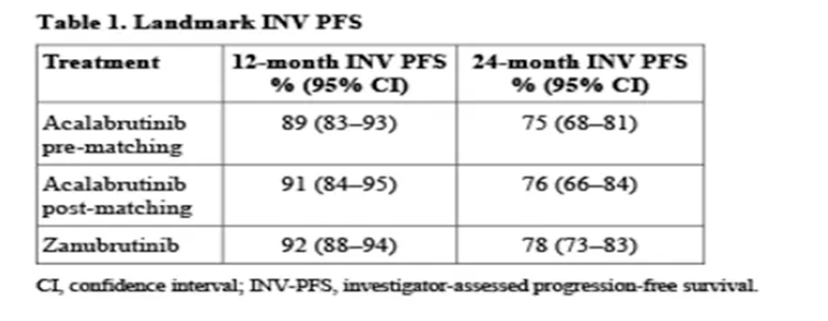
Previously, the drug was approved in China this past March for adult patients with mantle cell lymphoma (MCL) who have received at least one prior treatment. CLL/SLL is one of the common types of adult leukemia, a clonal proliferative tumor of mature B lymphocytes with specific immunophenotypic characteristics, characterized by the accumulation of lymphocytes in peripheral blood, bone marrow, spleen, and lymph nodes. Acalabrutinib is a next-generation selective BTK inhibitor that can bind to BTK. Data shows that among 60 patients treated with acalabrutinib, the objective response rate (ORR) confirmed by Blinded Independent Central Review (BICR) reached 83.3%, the 12-month PFS rate reached 90.7%, and its safety profile was consistent with previously known safety features.At the final analysis, acalabrutinib significantly reduced the risk of death or progression by 72% in patients, with a lower risk of adverse events and long-term stable safety.
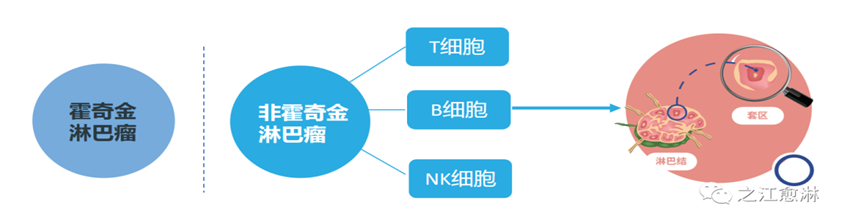
MCL is a rare type of non-Hodgkin lymphoma (NHL), which is typically aggressive in clinical presentation and accounts for 2-6% of all NHL cases in China. The average age of patients at diagnosis is around 60 years, and the disease is often at an advanced stage at the time of diagnosis.Since the majority of patients are elderly and cannot tolerate the toxicity of traditional chemotherapy, and despite the high sensitivity of MCL patients to initial treatment, the recurrence rate remains high. Thus, BTK inhibitors have become the preferred option after MCL retreats to second-line therapy. In the latest lymphoma diagnosis and treatment guidelines (2022) from the Chinese Society of Clinical Oncology (CSCO), Acalabrutinib has been included as a Level Ⅰ recommendation for MCL patients who have received at least one prior treatment, along with other BTK inhibitors. Additionally, the latest "Chinese Guidelines for the Diagnosis and Treatment of Mantle Cell Lymphoma (2022 Edition)" issued by the Chinese Anti-Cancer Association (CACA) also listed BTK inhibitors, including Acalabrutinib, as a preferred salvage treatment option for MCL patients who have received at least one prior therapy.
Source: Zhijiang Yulin
Bruton’s Tyrosine Kinase (BTK) is a member of the TEC family of non-receptor tyrosine kinases in the cytoplasm, participating in the regulation of B-cell proliferation, maturation, and differentiation. It is a downstream component of the B-cell receptor (BCR) pathway and plays a crucial role in the growth, development, proliferation, and differentiation of B cells. BTK inhibitors can exert therapeutic effects by inhibiting the autophosphorylation of BTK, blocking B-cell activation and downstream signaling pathways of the BCR. As such, BTK inhibitors have become a hotspot in drug research and development targeting B-cell malignancies and are considered to have the best market prospects among drugs for hematological tumors.
A broad prospect paves the way for a wider platform for drug applications.In the 2023 CSCO guidelines for the diagnosis and treatment of malignant hematological tumors, the guidelines for the use of BTK inhibitors have been updated. For instance, in mantle cell lymphoma (MCL), it is recommended to combine BTK inhibitors for untreated MCL patients unsuitable for ASCT, and new BTK inhibitor drugs have been added for relapsed or refractory MCL.
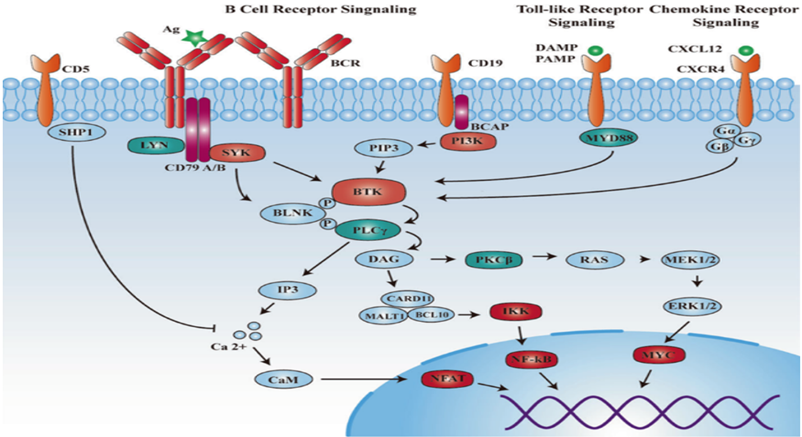
Image Source: Leukemia
The market size of BTK inhibitors will continue to grow with the increase in the number of patients, the approval of new indications, and the expansion of usage. According to a Frost & Sullivan report, it is expected to exceed 20 billion US dollars by 2026.Among them, the Chinese market is expected to reach 13.1 billion yuan by 2025 and expand to 22.5 billion yuan by 2030, following the approval and launch of Ibrutinib in 2017.
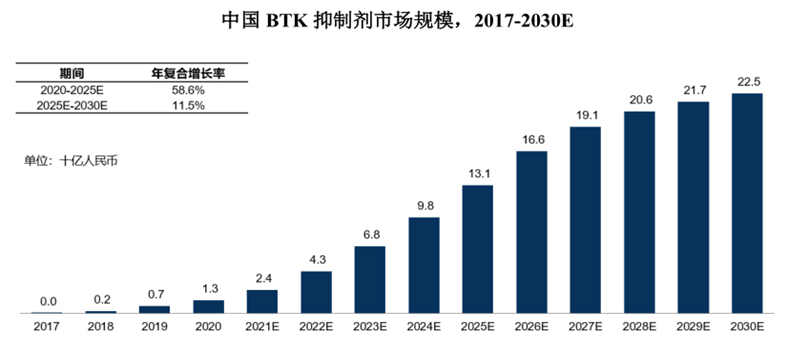
Source of the image: Frost & Sullivan
According to publicly available data, the global BTK inhibitor market size reached 11.5 billion USD in 2022, growing at an annual rate of nearly 30%. Currently, there are six BTK inhibitors on the market globally, developed up to the third generation, including Ibrutinib (BTK, 2013), Acalabrutinib (BTK, 2017), Zanubrutinib (BTK, 2019), Tirabrutinib (BTK, 2020), Orelabrutinib (BTK, 2020), and Pirtobrutinib (BTK C481S, 2023).
Ibrutinib(Ibrutinib) is the world's first BTK inhibitor, which has occupied an absolute advantage in the global market due to its excellent efficacy and first-mover advantage. The drug was jointly developed by Johnson & Johnson and AbbVie, and received FDA approval for the first time in 2013 for the treatment of various lymphocytic tumor-related diseases. The approval and marketing of Ibrutinib are of epoch-making significance, successfully leading the treatment of B-cell malignancies into a chemotherapy-free era, and it quickly became one of the best-selling drugs in the world. According to statistics, by 2021, global sales of Ibrutinib had reached nearly 10 billion US dollars. However, with the increase of competitors, its market share is gradually shrinking.
Zanubrutinib(Zanubrutinib) is an anti-cancer drug independently developed by BeiGene, China, and also the first second-generation BTK inhibitor independently developed in China to be approved for marketing in Europe, the United States, and other countries. Its mechanism of action involves forming a covalent bond with the cysteine residue at the active site of BTK, thereby inhibiting BTK activity, classifying it as a second-generation covalent BTK inhibitor. Zanubrutinib was granted accelerated FDA approval for marketing in November 2019 for the treatment of adult patients with mantle cell lymphoma who have received prior therapy, and subsequently launched domestically in June 2020 with the same indication. To date, Zanubrutinib has been marketed in 19 countries and regions for the treatment of diseases such as mantle cell lymphoma, small lymphocytic lymphoma, B-cell chronic lymphocytic leukemia, macroglobulinemia, marginal zone B-cell lymphoma, and lymphocytic leukemia.
Orelabrutinib(Orelabrutinib) is a second-generation oral covalent BTK inhibitor independently developed by InnoCare Pharma. It irreversibly binds to BTK, inducing downstream kinase inactivation and cell death. Compared to Ibrutinib, Orelabrutinib has demonstrated dual superiority in ORR and PFS metrics. The core structure of Orelabrutinib is a monocyclic framework, which gives it the characteristics of high selectivity and low off-target side effects. Since December 2020, Orelabrutinib has been approved for multiple indications in China: small lymphocytic lymphoma, mantle cell lymphoma, B-cell chronic lymphocytic leukemia, and marginal zone B-cell lymphoma.
Pirtobrutinib(Pirtobrutinib) is currently the only third-generation BTK inhibitor on the market, developed by Eli Lilly and Company. It received accelerated FDA approval in January this year for the treatment of relapsed or refractory mantle cell lymphoma, ushering in a non-covalent era for BTK inhibitors. Pirtobrutinib does not rely on binding to cysteine residues for activation but instead reversibly binds to the BTK protein through hydrogen bonding, thereby inhibiting BTK activity. The drug is currently undergoing clinical trials in nearly 30 countries and regions. In China, Pirtobrutinib has advanced to phase 3 clinical trials for three indications: mantle cell lymphoma, small lymphocytic lymphoma, and B-cell chronic lymphocytic leukemia.
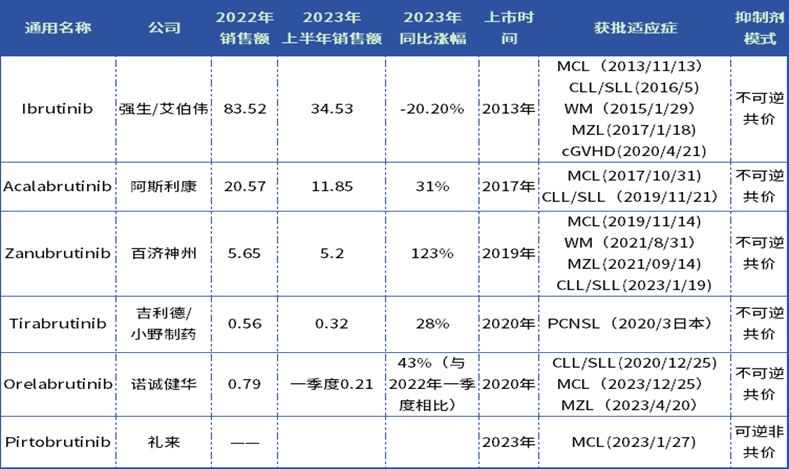
Data source: FDA, Company Research Reports, Southwest Securities
Currently, there are multiple BTK inhibitor pipelines globally. Among the BTK drugs that have entered Phase 3 trials, only MSD's ARQ531 remains focused on the hematological malignancies field, while most companies have opted for differentiated clinical development strategies, targeting inflammation and autoimmune diseases that have not yet been approved.
Inflammatory immune diseases characterized by localized or systemic abnormal inflammatory immune responses, including multiple sclerosis, chronic spontaneous urticaria, rheumatoid arthritis, and systemic lupus erythematosus, still have a strong market.
Globally Advanced BTK Inhibitor
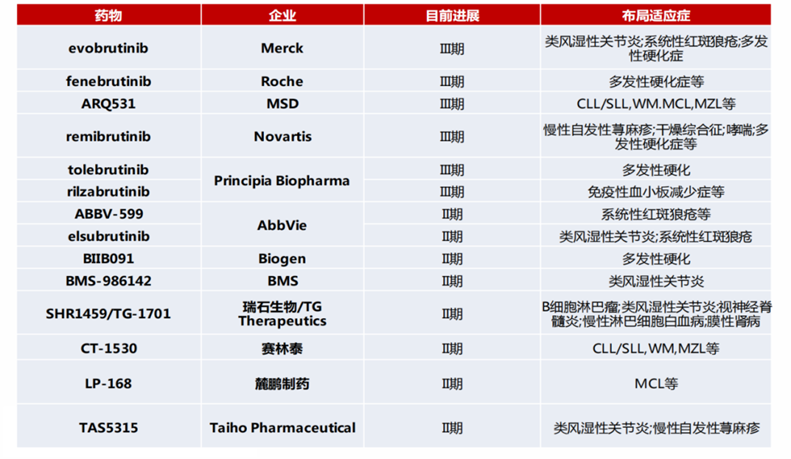
Source of the image: Southwest Securities
Summary
Currently, the research and development of BTK inhibitors is not only focused on non-covalent BTK inhibitors but also extends beyond hematological tumors. Many pharmaceutical companies are exploring the application of BTK inhibitors in autoimmune diseases. Given the broad market prospects of BTK inhibitors, numerous pharmaceutical enterprises are eyeing this space competitively, all aiming to gain an edge in the fiercely contested BTK inhibitor market. Greater consideration should be given to expanding indications, differentiating products, or exploring unconventional mechanisms of action, such as enhancing blood-brain barrier penetration or addressing BTK resistance. Continuous innovation is also essential to maintaining a competitive position in the commercial landscape.
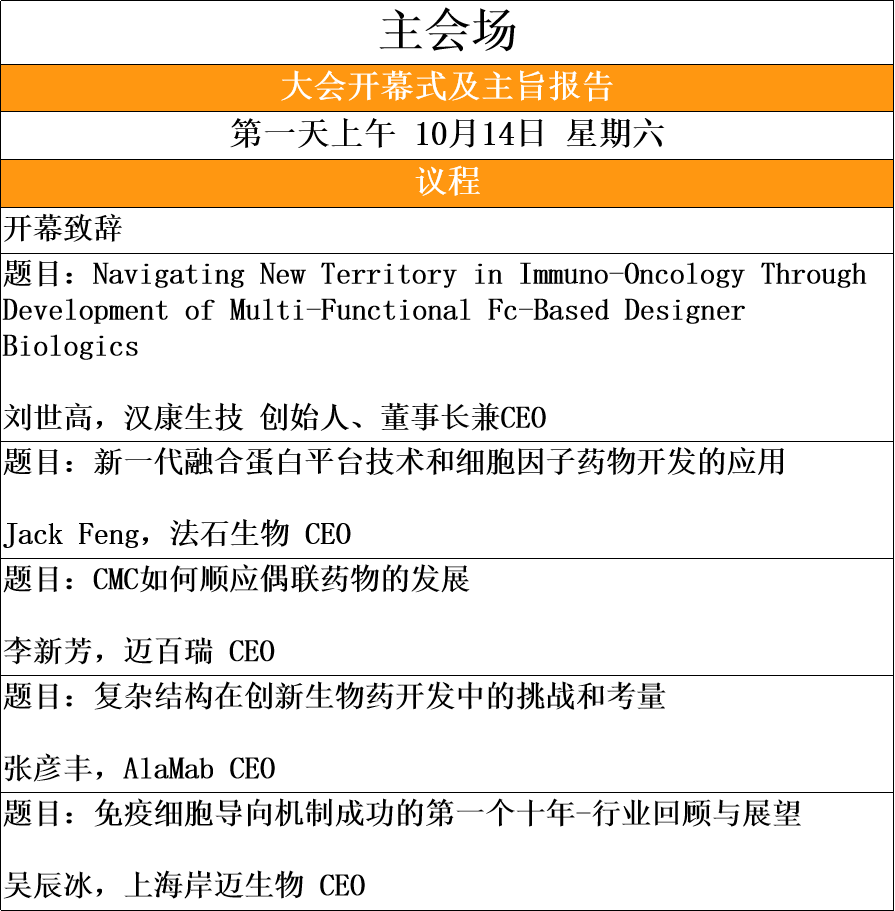
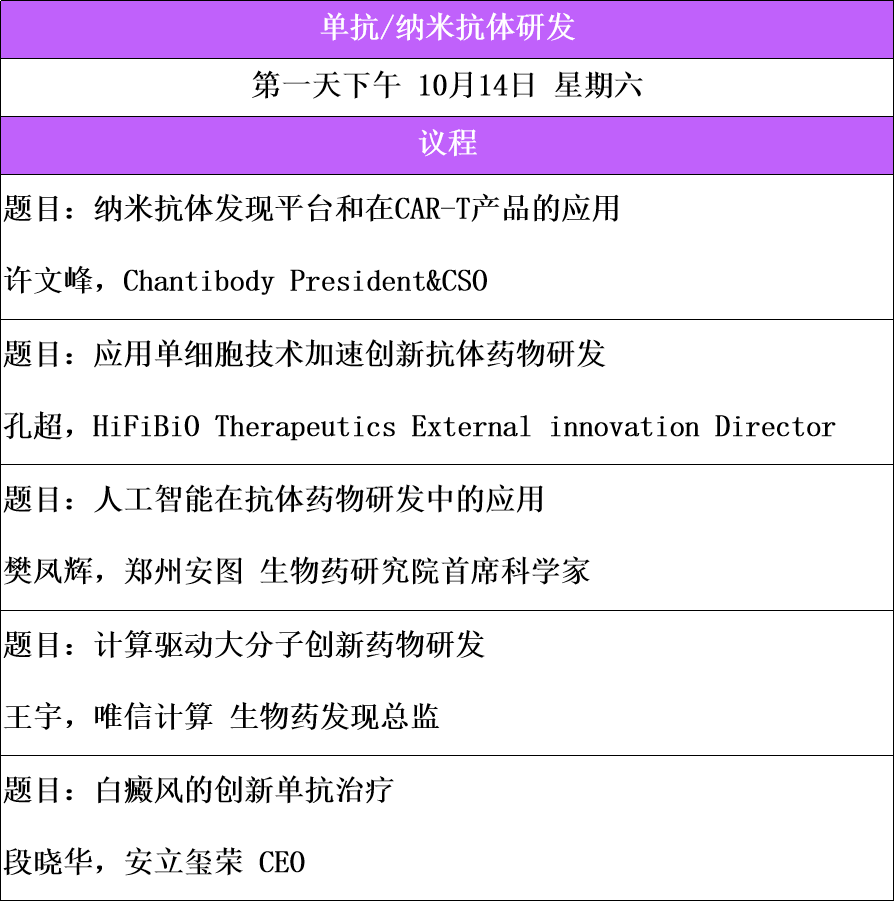
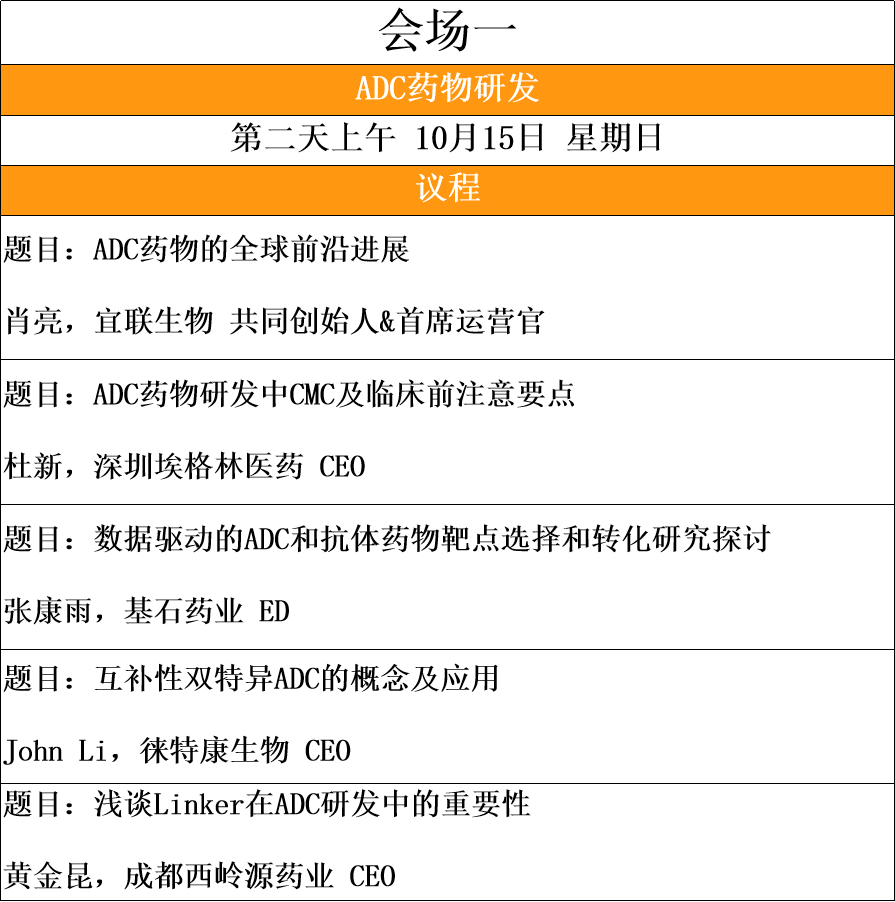
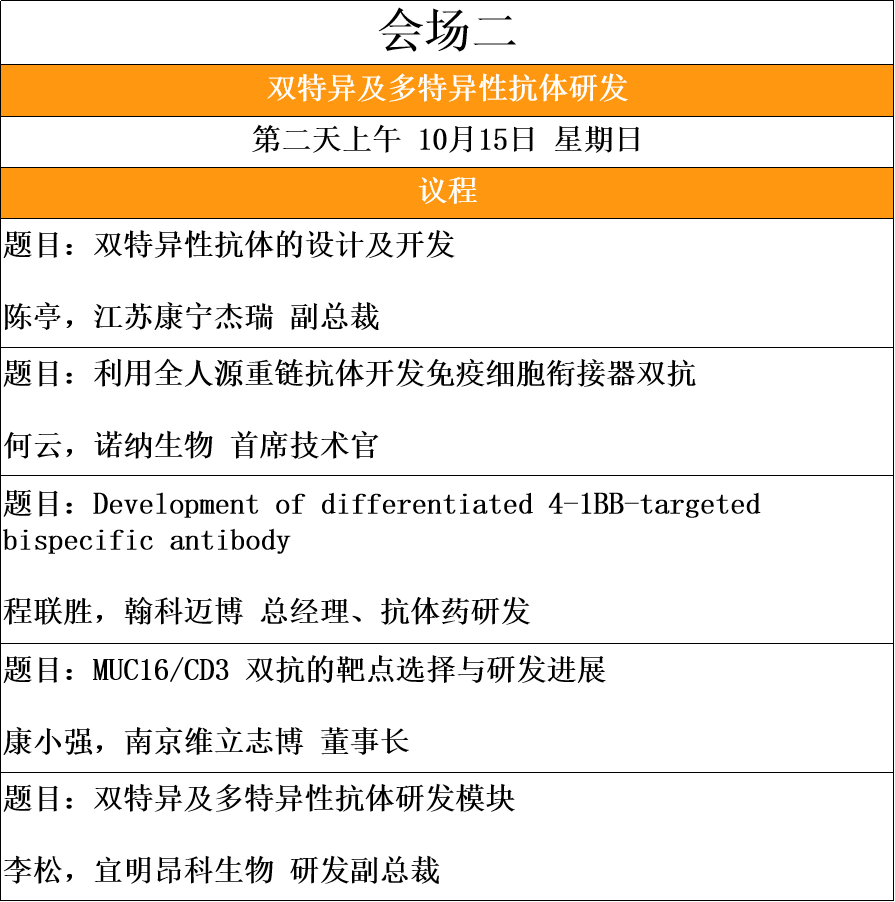
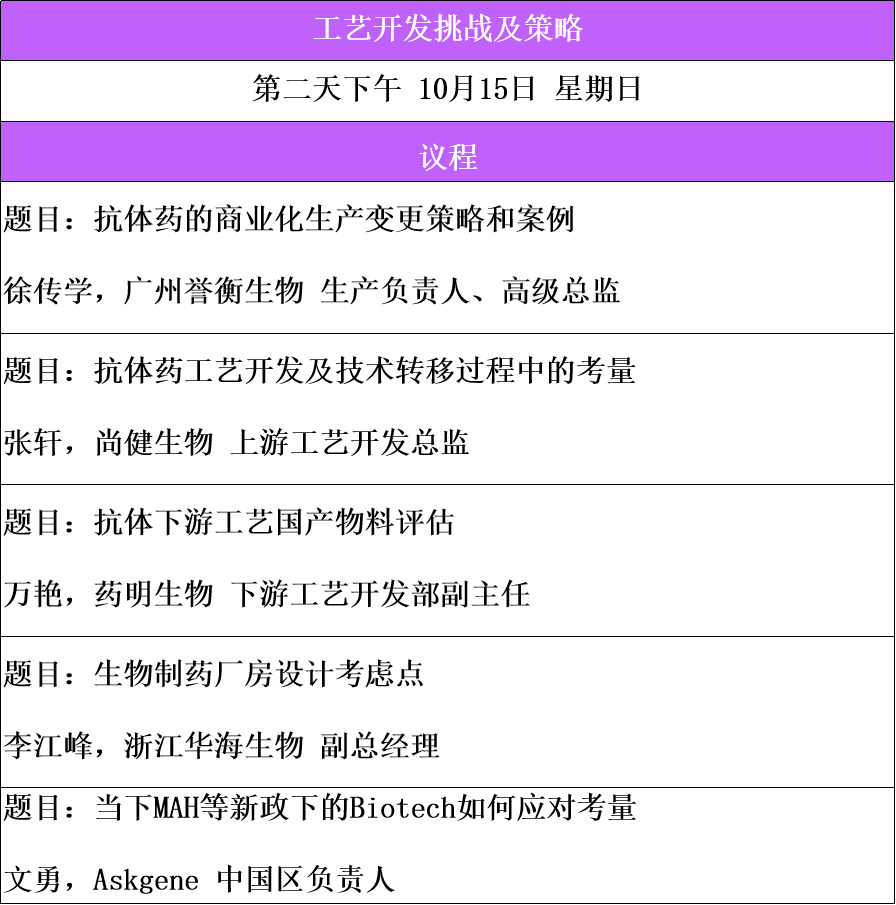
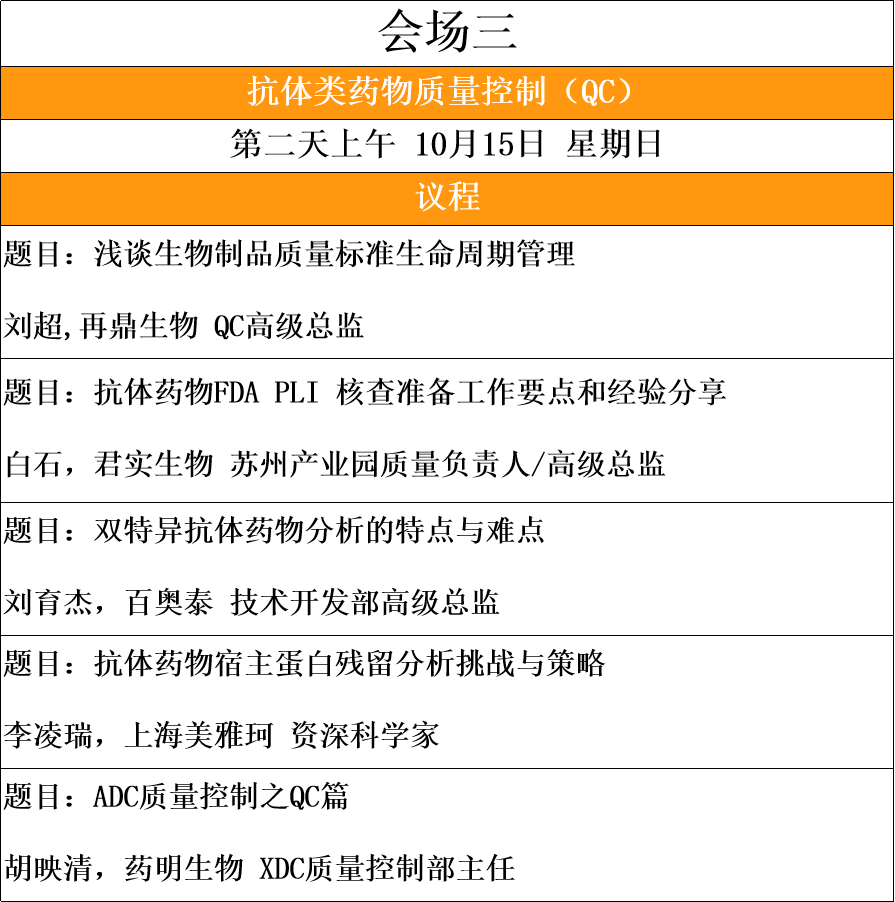
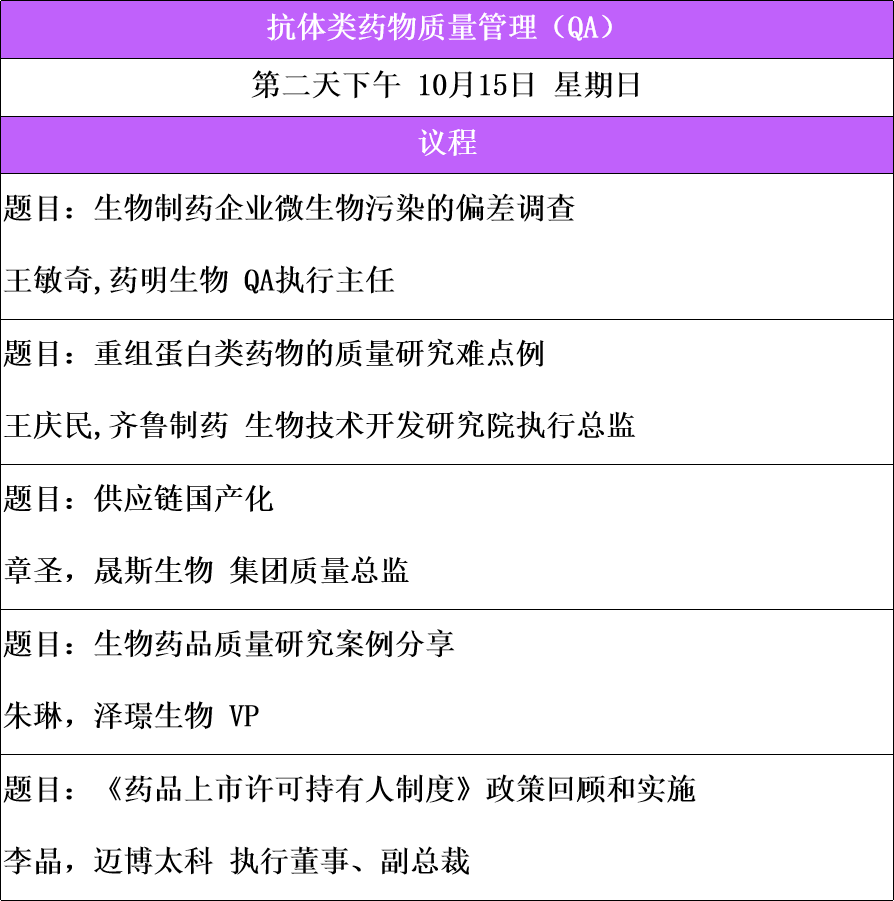
 To promote communication and innovation in the antibody industry,October 14-15, 2023The 6thGolden Autumn OctoberAntibody Industry Development ConferenceAs agreedTo.The conference aims to provide researchers with an interactive platform, which will help promote the further development of the antibody industry.Development.

Schedule
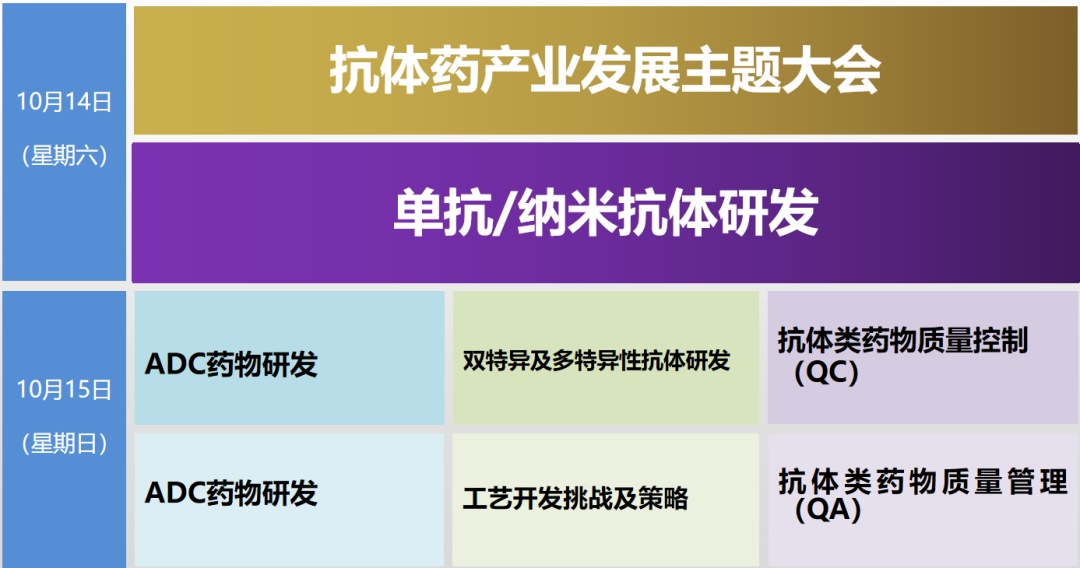

More guests are still being invited.......
Scan the WeChat QR code, add the editor of Antibody Circle, and those who meet the requirements can join the Antibody Circle WeChat group!


All reproduced articles in this official account are intended to convey more information, with the source and author clearly indicated. Media or individuals who do not wish to be reproduced can contact us at cbplib@163.com, and we will immediately delete the content. All articles represent the views of the author and do not represent the position of this website.