

Roche's Genentech Announces Over $3 Billion in Strategic Partnerships to Advance Macrocyclic Peptide–Radionuclide Conjugates and Molecular Glue Degraders
PeptiDream
Drug Developer
Roche
Oncology Drug Research, Development, and Manufacturing

Genentech
Pharmaceutical R&D Manufacturer

Orionis Biosciences
Innovative Drug Developer
Welcome to follow Asymchem Pharma News
In the past two days,Genentech, a member of the Roche Group, announces two major collaborations:
First, a new multi-target collaboration and licensing agreement was reached with PeptiDream aimed at discovering and developing novel macrocyclic peptide-radioisotope (peptide-RI) conjugate drugs. Under the terms of the agreement, PeptiDream will use its proprietary Peptide Discovery Platform System (PDPS) technology to discover, optimize, and develop macrocyclic peptide candidates for peptide-RI conjugate drugs targeting points of interest to Genentech; PeptiDream will lead early preclinical development, then transition the resulting peptide-RI conjugate products to Genentech for further development and commercialization, while retaining the rights to develop and commercialize such peptide-RI conjugate products in Japan.
In this collaboration, PeptiDream will receive an upfront payment of 5.9 billion yen (approximately 40 million USD) from Genentech and is eligible to receive additional payments of up to 147.7 billion yen (approximately 1 billion USD) upon the achievement of specific development, regulatory, and commercial milestones, as well as tiered royalties on net sales of products resulting from the partnership.
Secondly, a cooperation agreement was reached with Orionis Biosciences (referred to as "Orionis") to jointly develop molecular glue drugs.According to the terms of the agreement, Orionis will be responsible for discovering and optimizing molecular glues for targets designated by Genentech, while Genentech will be responsible for subsequent preclinical, clinical development, regulatory filings, and commercialization of the drugs generated from the collaboration.
In this collaboration, Genentech paid $47 million as an upfront payment and is eligibleReceive development milestone payments, as well as commercial and net sales milestone payments exceeding 2 billion US dollars, and tiered royalties generated from the sale of cooperative products.
About PeptiDream
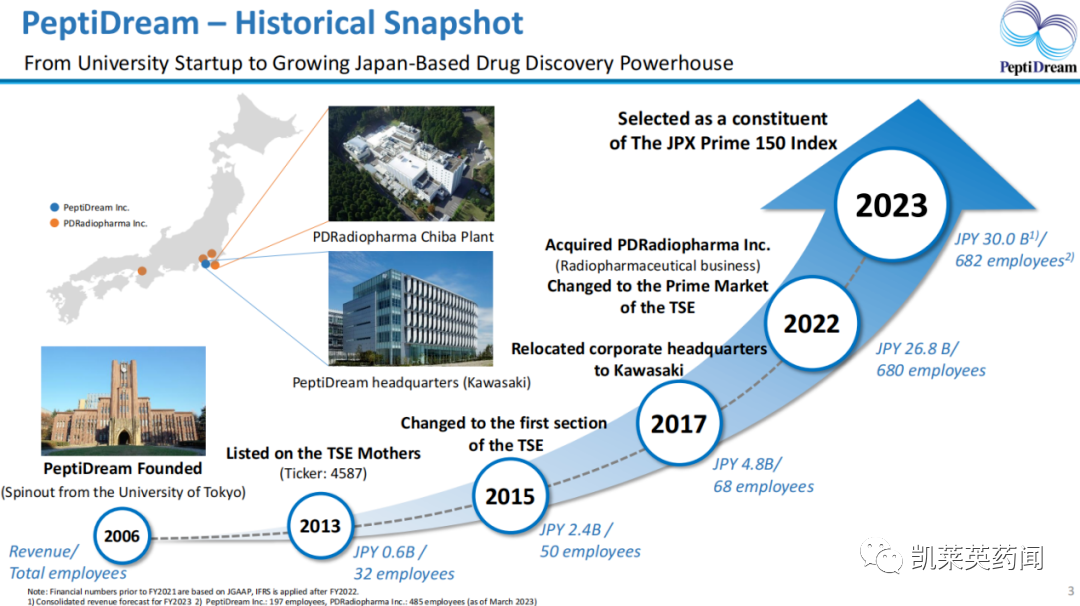
PeptiDream, founded in 2006, is a leader in transforming macrocyclic peptides into an entirely new class of innovative drugs, aiming to address unmet medical needs and improve the quality of life for patients worldwide.
PDPS:Capable of efficiently producing highly diverse (trillions) non-standard peptide libraries for the identification of high-potency peptide drugs. This technology is the most advanced multifunctional discovery platform, which can efficiently produce highly diverse (trillions) non-standard peptide libraries for the identification of high-potency and high-selectivity macrocyclic peptide candidates, and develop them into peptide-based, small molecule, or peptide-drug conjugates (PDC) and multi-functional peptide conjugates (MPC) as therapeutic and diagnostic methods.
Currently,The company's business is divided into two major segments.: Based on the company's proprietary PDPS drug discovery and development segment, as well as the radiopharmaceuticals segment.
Among them, the Drug Discovery and Development business unit consists of three businesses: 1) Collaborative Discovery and Development, 2) PDPS Technology Transfer, and 3) Internal/Strategic Discovery and Development. The Radiopharmaceuticals segment is managed by the wholly-owned subsidiary PDRadiopharma.
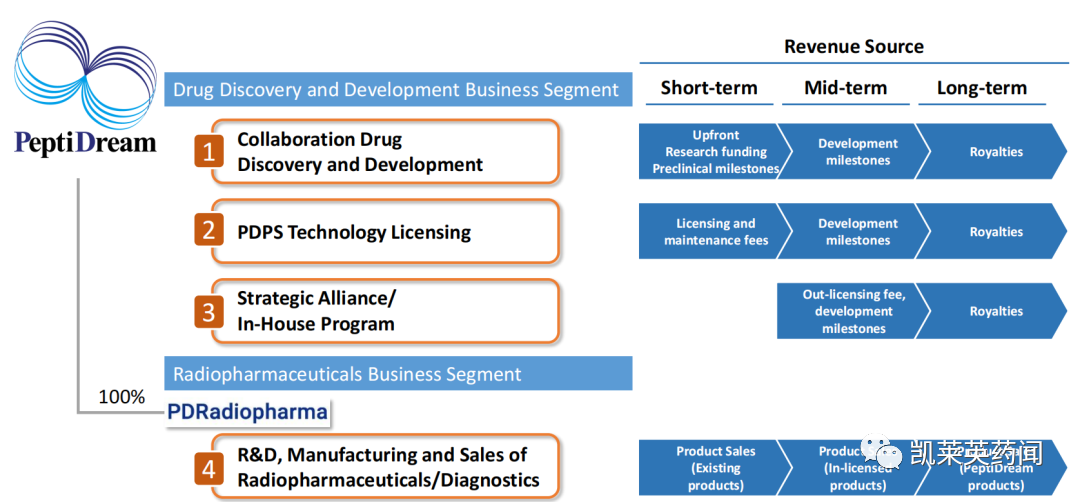
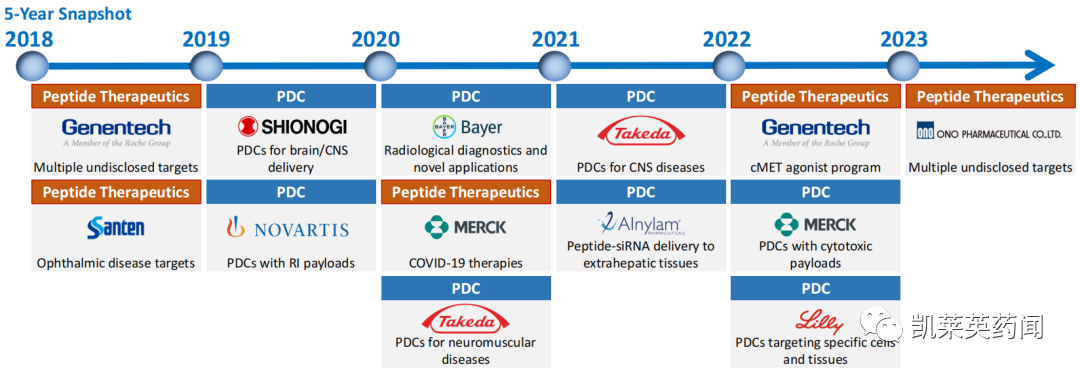
In recent years, the company has established collaborations with multiple pharmaceutical companies, including some global giants such as Bristol-Myers Squibb, Amgen, AstraZeneca, Eli Lilly, GlaxoSmithKline, Novartis, Daiichi Sankyo, Johnson & Johnson, Bayer, Takeda, Alnylam, Merck, Sanofi, and Genentech. Notably, in December 2015, the company signed a multi-target collaboration and licensing agreement with Genentech. This was followed by obtaining authorization for PeptiDream's PDPS technology in 2016, and further expanding the collaboration between the two parties in 2018.
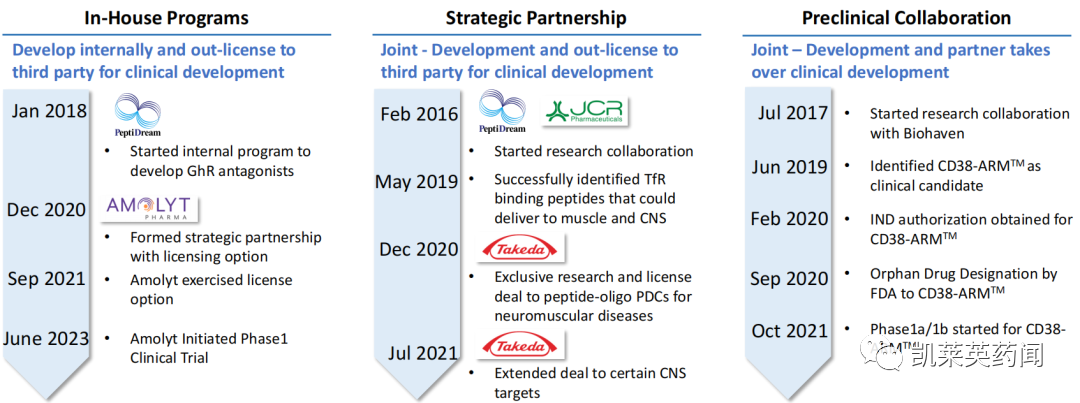
The following is the internal/strategic development project status of PeptiDream:
About Orionis
Orionis Biosciences is a life sciences company that pioneers technological innovations in large-scale genomic drug discovery to develop novel, highly specific, and tunable treatments for cancer and other fields. The company leverages its proprietary A-Kine biologics and Allo-Glue small molecule platforms to target the vulnerabilities of focal diseases, addressing the druggability challenges of previously intractable targets.
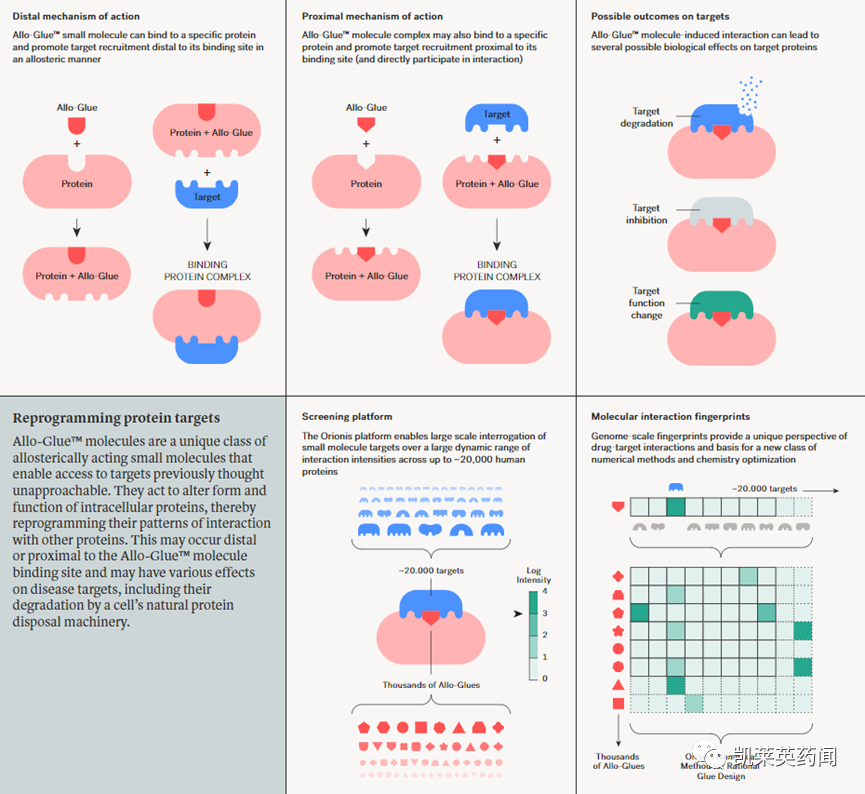
Allo-Glue Technology Platform:Small molecules with unique allosteric effects can be developed to alter the conformation and function of intracellular proteins, reprogramming the interaction patterns of these proteins with other proteins. This platform enables high-throughput drug ligand screening and localization of small molecule drug-protein interactions directly in living cells at an unprecedented scale and complexity. It maps molecular drug interaction fingerprints for up to approximately 20,000 gene products (equivalent to the human genome), providing a reference for rational drug design optimization strategies.
A-Kine Technology Platform:Target-selective, conditionally activated cytokines designed to trigger anti-tumor immune responses can be effective even in "cold" tumors that lack widespread immune engagement and are unresponsive to checkpoint inhibitor therapies. The cytokine drugs developed through this platform are disease-centered and can be activated upon interaction with target cells, aiming to avoid systemic toxicity commonly associated with traditional cytokine therapies.
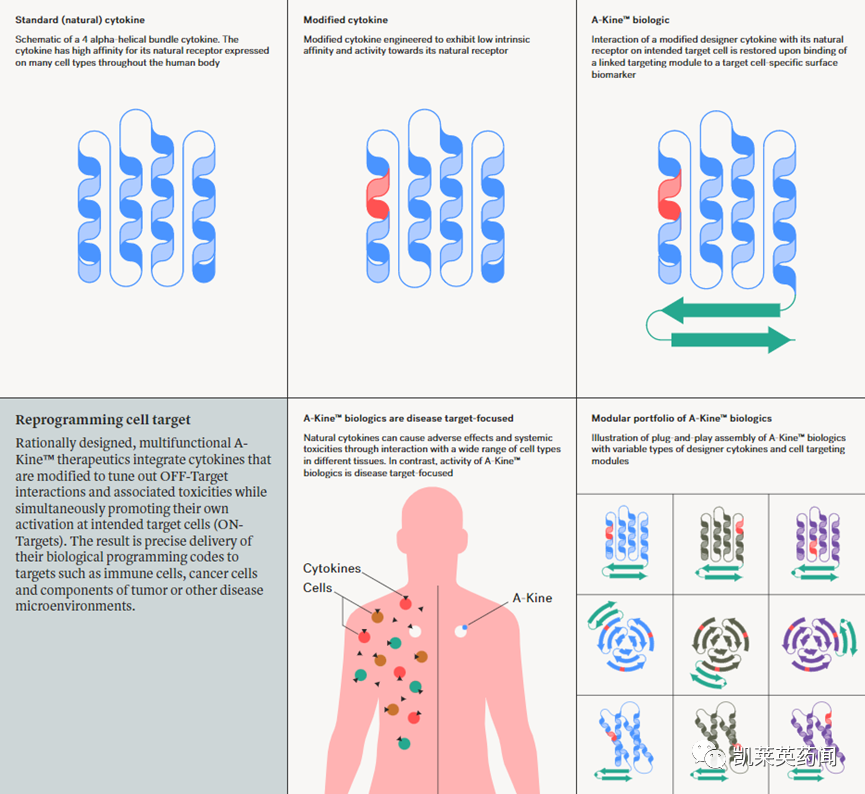
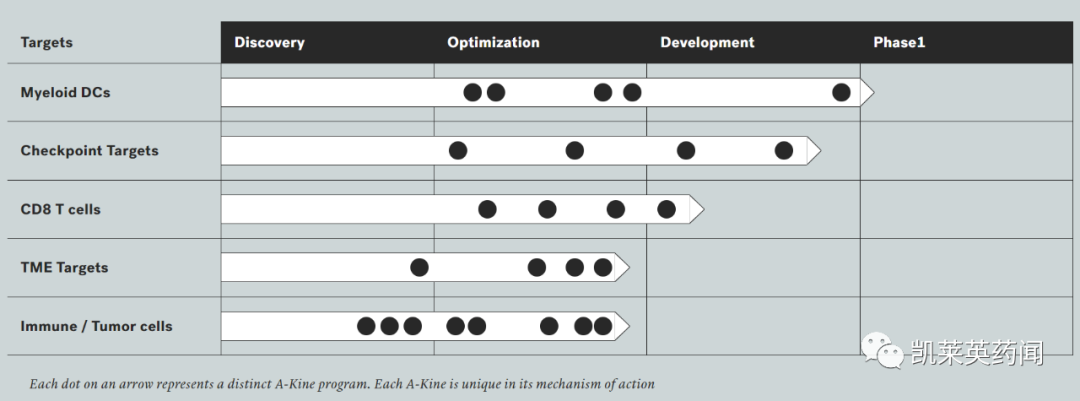
Orionis Biosciences has multiple potential "first-in-class" immunotherapies for cancer treatment under development.
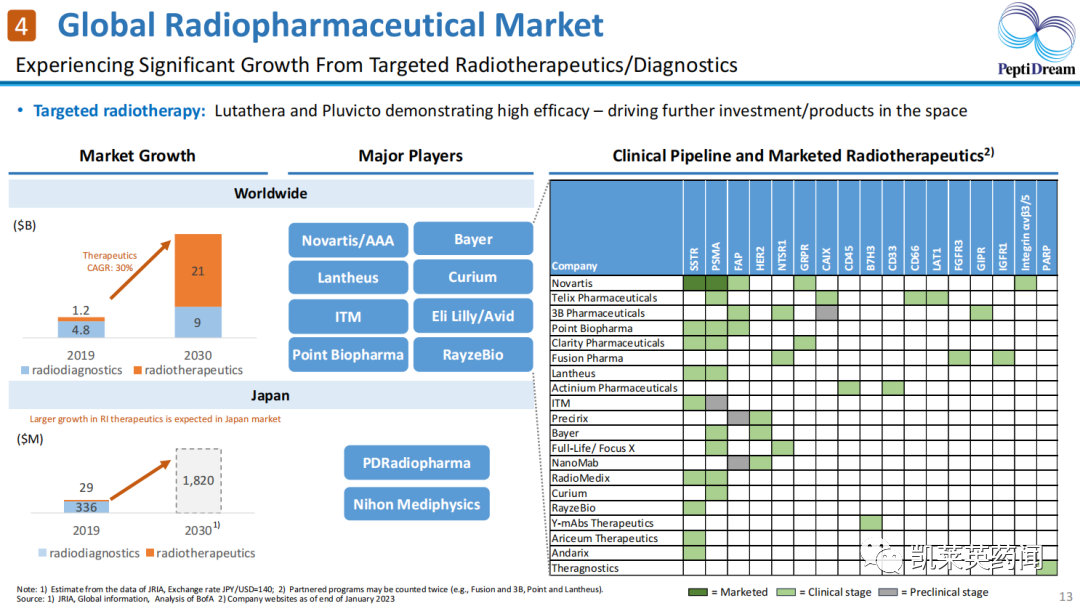
About Macrocyclic Peptide-Radiolabeled Isotope Conjugates
Peptide drugs are molecules that lie between small-molecule and large-molecule drugs, possessing the flexibility of small molecules to penetrate cells as well as the specificity of large-molecule drugs, allowing them to target accurately and bind easily. However, peptide drugs also have drawbacks, such as limited stability. Connecting the two ends of the peptide chain to form cyclic peptides can, to a certain extent, address these issues.
Radiopharmaceuticals, also known as nuclear medicines or radionuclide drugs, refer to a class of special preparations containing radioactive isotopes used for medical diagnosis and treatment. They are composed of radioactive isotopes combined with molecular reagents specifically targeting certain organs and tissues. According to their applications, they can be divided into diagnostic nuclear medicines and therapeutic nuclear medicines.
Under the trend of precision medicine, driven by targeted radiotherapy/diagnosis, the global radiopharmaceuticals market is experiencing rapid growth, giving rise to a group of leading global radiopharmaceutical companies, including Novartis, Bayer, Lantheus, RayzeBio, and others. However, recently,Novartis and Bayer are both inPeptide-basedRadioactive conjugate drugs have been laid out.
In March 2023, Bicycle Therapeutics (referred to as "Bicycle"), has reached a strategic collaboration agreement with Novartis to jointly develop, manufacture, and commercialize bicyclic peptide-based radioligand conjugates (BRCs) for multiple oncology targets. According to the terms of the agreement, Novartis will fund all preclinical, clinical development, and commercialization activities. Bicycle will receive a $50 million upfront payment and is eligible for up to $1.7 billion in total development and commercialization milestone payments. As a leading company in the development of novel cyclic peptide drugs, Bicycle's technology platform applications include monovalent bicyclic peptides, bispecific bicyclic peptides, multispecific bicyclic peptides, peptide-drug conjugates, and peptide-oligonucleotide conjugates.
Coincidentally, in May 2023, Bayer also chose to collaborate with Bicycle to jointly discover, develop, manufacture, and commercialize various targeted radiopharmaceutical conjugates in oncology. According to the agreement terms, Bicycle will leverage its proprietary phage platform to discover and develop bicyclic peptides, while Bayer will fully manage the preclinical and clinical development, manufacturing, and commercialization activities for the products. Bicycle will receive a $45 million upfront payment and is eligible to obtain up to approximately $1.7 billion based on milestone achievements.
As a global leader in oncology diagnostics, Roche's strategic move into peptide-RI conjugates is an inevitable step with the advent of precision medicine in cancer treatment.
About Roche's Layout in Targeted Protein Degraders
Previously, Roche had made forward-looking arrangements in the field of targeted protein degraders, three of which were acquired from Genentech.
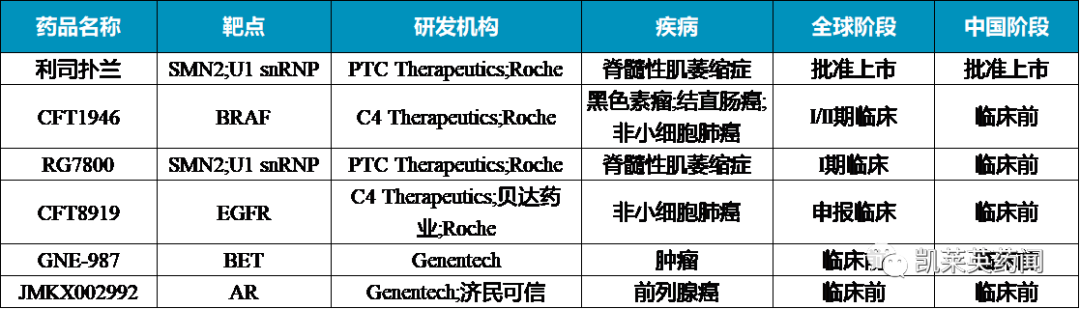
1. Risdiplam (Evrysdi):Evrysdi, a molecular glue drug developed by Roche and PTC Therapeutics for the treatment of Spinal Muscular Atrophy (SMA), was approved for marketing in the United States in August 2020. In 2022, Evrysdi's sales reached 1.119 billion Swiss francs (1.173 billion US dollars), increasing by 87% year-on-year. It is currently the only SMA drug that patients can self-administer.
2、CFT1946:It is a selective protein degradation drug targeting the BRAF V600X mutant, co-developed by Roche and C4 Therapeutics ("C4T"). It specifically targets solid tumors such as melanoma, non-small cell lung cancer (NSCLC), and colorectal cancer with V600X mutations. An IND application is expected to be submitted in the second half of 2022, and Phase 1 trials will begin.
3、CFT8919:Another targeted EGFR L858R mutation selective BiDAC degrader co-developed by Roche and C4T. EGFR L858R is the driver mutation in more than one-third of mutant EGFR lung cancer tumors. Preclinical data show that CFT8919 monotherapy is active in both in vitro and in vivo models of EGFR L858R-driven NSCLC without inducing secondary resistance mutations in EGFR.
4、GNE-987:It is an efficient DAC conjugate based on VHL chimera bromodomain-containing protein 4 (BRD4) degrader, connecting ADC and PROTAC through a cleavable linker containing a disulfide bond. The antibody portion of the DAC binds to the CLL1 receptor on the surface of tumor cells, after which the conjugate is internalized and transported to the lysosome. In this proteolytic environment, the antibody is catabolized into amino acid components, leaving behind a cysteine residue attached via the disulfide bond portion to the rest of the linker. Reduction of the disulfide then provides the corresponding thiol, which undergoes self-immolation to release the degrader, thereby exerting its function.
5、JMKX002992:Acquired by Roche from Jemincare's subsidiary Jiyu Pharmaceutical, under the terms of the agreement: Roche will pay Jemincare 60 million US dollars upfront and pay corresponding development and commercial milestone payments when reaching milestones specified in the agreement, with milestone payments up to 590 million US dollars. JMKX002992 is a novel oral AR degrader that has therapeutic potential for prostate cancer patients who are resistant to existing therapies.
6、RG7800:It is a small-molecule SMN2 molecular glue with potential applications in spinal muscular atrophy research. RG7800 corrects the alternative splicing of the human SMN2 gene in the brains of transgenic SMA model mice, leading to an increase in SMN protein in the brain.
Molecular glue degraders are small molecules that can induce interactions between E3 ubiquitin ligase substrate receptors and target proteins, leading to ubiquitination and subsequent degradation by the proteasome. Unlike PROTACs, molecular glues exhibit dual-ligand structural characteristics for both the E3 ubiquitin ligase and the target protein, with the ability to bind to both proteins simultaneously, promoting ubiquitination of the two proteins. This enables the degradation of non-druggable targets and protein-protein interactions, offering advantages such as smaller molecular weight, simpler chemical structure, less steric hindrance, and better drug-like properties. However, there is no doubt that designing molecular glues is much more challenging than designing PROTACs. Identifying molecular glue compounds requires extensive rational research, including structural biology, biochemistry, biophysics, spectroscopy, and genomics of genetic variations.
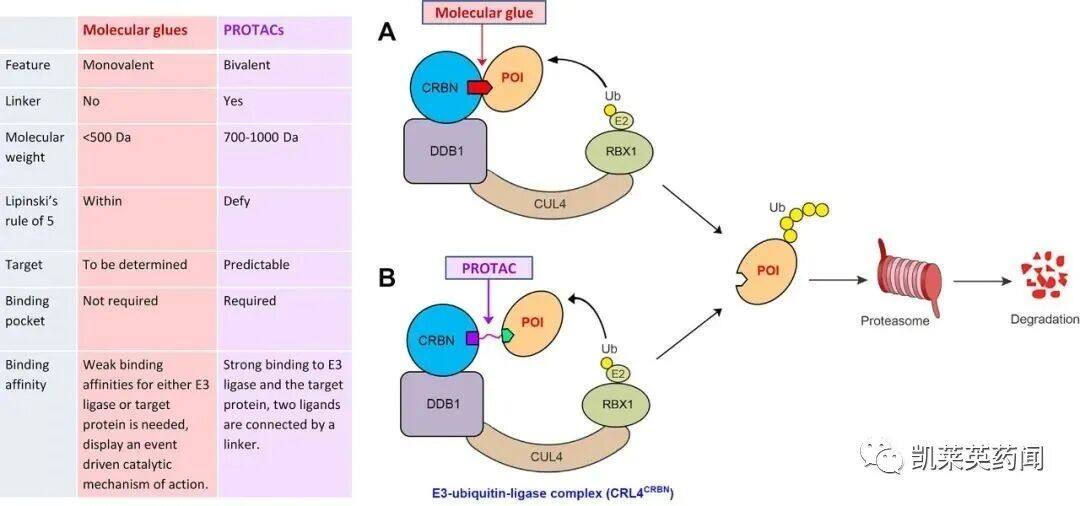
At the end of last year, the Division of Medicinal Chemistry of the American Chemical Society published a research report on molecular glues and targeted protein degraders, showing that in recent years, publications on targeted protein degraders have increased over time, especially with the research speed of molecular glues surpassing other fields.
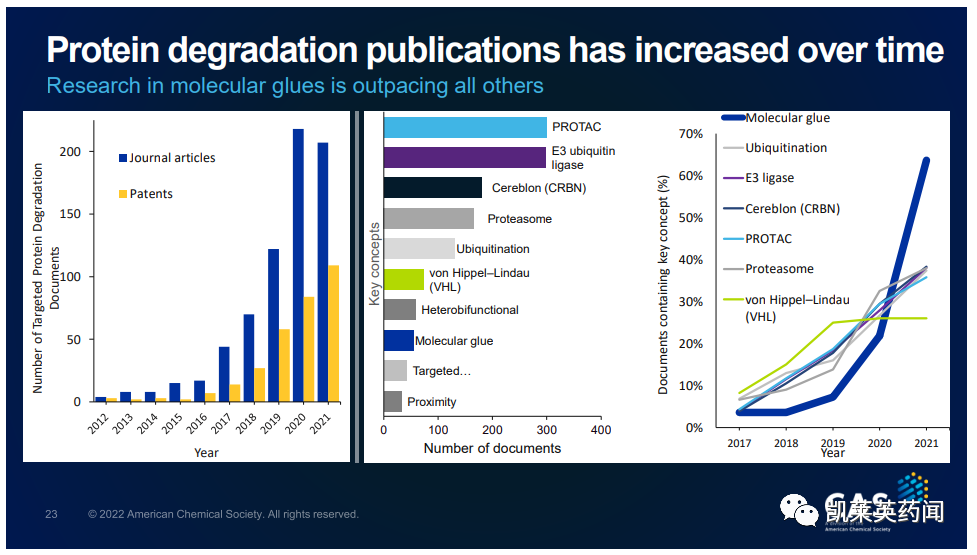
Roche Partners with Orionis Biosciences, Investing $2 Billion in This Emerging Field of Small Molecule Therapeutics.
References
1. Company Official Website
2. Official Accounts: GMP Start, Pharma Research Network, Pharma Fusion Circle



"Views"Click once