△ 15 Forums, 120+ Keynote Speeches – The 2023 Chinese Pharmaceutical Association Annual Conference on Pharmacy Management and the First Suzhou Future New Drug Conference Are Now Open for Registration! On August 10, 2023, Novo Nordisk announced a $1.075 billion acquisition of Inversago Pharma, a private company headquartered in Montreal, Canada, which develops therapies based on the CB1 receptor for obesity, diabetes, and complications related to metabolic disorders. Inversago, established in 2015, has formed a complex transatlantic biopharmaceutical investor consortium. Inversago has 22 employees in Canada who will continue to focus on ongoing trials while working closely with Novo Nordisk to advance Inversago's technology in future clinical trials. 1
CB1 Receptor Antagonist
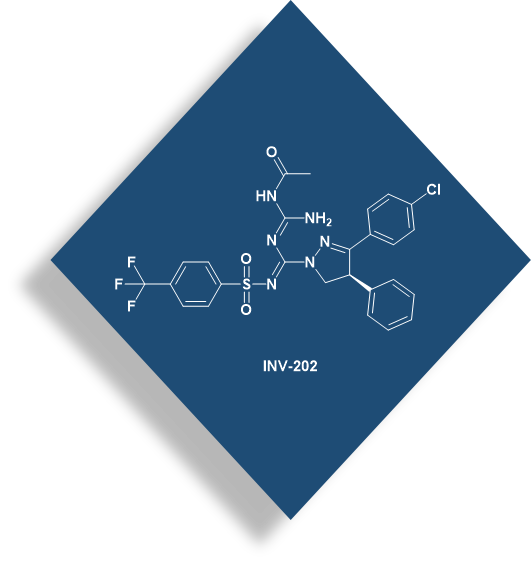
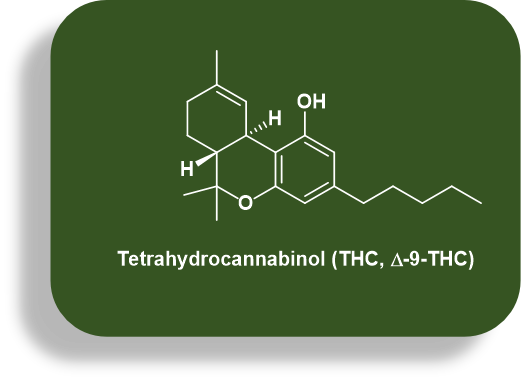
As the core asset of Novo Nordisk's acquisition, Inversago's pipeline product INV-202 is their most valued target. INV-002 is an oral CB1(Cannabinoid receptor type 1, Type 1 cannabinoid receptor)Blocker. INV-202 can block the receptor protein CB1 in peripheral tissues such as adipose tissue, gastrointestinal tract, kidneys, liver, pancreas, muscles, and lungs. This type 1 cannabinoid receptor protein plays a crucial role in metabolism and appetite regulation. Moreover, if the clinical trial data of INV-202 continues to show positive results, proving it has high safety surpassing similar substances, this deal will boost Novo Nordisk's ambition in the cardiometabolic field. More importantly, it will add a heavyweight small molecule drug to Novo Nordisk’s peptide-focused pipeline. Type 1 Cannabinoid Receptor(CB1)Is a G protein-coupled receptor embedded in the cell surface (GPCR, G-protein-coupled receptor). It has an impact onEndocannabinoids (endocannabinoids) There is a reaction, including tetrahydrocannabinol found in cannabis. (THC,tetrahydrocannabinol)。 Type 1 cannabinoid receptor-like is a type of receptor found in the human body.An important receptor protein, it is mainly distributed in the central nervous system, especially in the brain. CB1 receptor plays a variety of important functions in biology, including: • Neurotransmitter Regulation:CB1 receptor is the main receptor for endocannabinoids, such as 2-AG2(Arachidonic Acid Glyceride)And AEA(Arachidonyl Ethanolamide)They act as neurotransmitters, transmitting signals in the nervous system. By binding with these endocannabinoids, CB1 receptors can inhibit the transmission of nerve signals, thereby influencing physiological and behavioral processes such as pain perception, mood, and motor control. • Emotion Regulation:CB1 Receptors and the Regulation of Mood and Mental StatesCB1 receptors are associated with the regulation of mood and mental states. They may play a role in depression, anxiety, and stress responses. Therefore, the activation or antagonism of CB1 receptors holds potential value in the treatment of mood disorders. • Pain Perception:CB1 receptors are involved in pain perception and pain modulation. By regulating the release of neurotransmitters, CB1 receptors can influence the perception and transmission of pain. •Appetite Regulation:This function is the focus of this article. CB1 receptors in specific areas of the brain(such as the hypothalamus)The activity is related to appetite and food intake. The activation of CB1 receptors can stimulate appetite, which is a manifestation of the "munchies effect" induced by cannabis use.Craving Effect(the munchies)Refers to cannabis(Cannabinoids)Increased appetite and enhanced taste and sensation for food after use. This effect often makes people crave snacks, especially high-sugar, high-fat foods. This is one of the common side effects of cannabis use, particularly when cannabis contains the active ingredient Δ-9-THC.(Tetrahydrocannabinol, THC)When Δ-9-THC binds to the CB1 receptor, it can stimulate the appetite center, leading to an increase in appetite. CB1 Receptor and AppetiteThe impact is mainly through the central nervous system.(Brain and Spinal Cord)The role is achieved through the action in the body. Endocannabinoids produced in the body(Endocannabinoids, endogenous cannabinoids are molecules produced by the body that have a similar structure to Δ-9-THC (tetrahydrocannabinol), the active component in cannabis, and interact with CB1 receptors in the brain.)These are chemicals that interact with the CB1 receptor. The production and release of these endocannabinoids in the brain are regulated by various signals and stimuli, and their effects may vary under different circumstances. •Appetite-stimulating effect:When the body needs energy or is stimulated externally(such as visual food temptations)When CB1 receptors in the brain are activated by endocannabinoids, this leads to an increase in appetite. The activation of CB1 receptors can enhance the desire to consume food, increase the palatability of food, and boost appetite. •Appetite-suppressing Effect:On the other hand, endocannabinoids can also suppress appetite under certain circumstances. They can participate in the formation of satiety, providing a sense of satisfaction that reduces food intake. After eating, the body begins to release endocannabinoids to diminish appetite. This self-regulating mechanism helps maintain appropriate food intake and reduces hunger once nutritional needs are met. •Regulation and Balance of Appetite:Endocannabinoids typically regulate appetite in the brain through a negative feedback mechanism. This means that they may reduce appetite when food needs are met and increase appetite during hunger to help maintain energy balance in the body. •Effects of CB1 Receptor Activation:Activation of CB1 receptors can influence neurotransmitters related to appetite, such as dopamine and norepinephrine, thereby affecting cravings for food and feelings of satiety. In general, endocannabinoids play a complex role in appetite regulation, capable of both promoting and suppressing appetite, depending on physiological conditions and environmental factors. Notably, the activity of CB1 receptors is a key factor in the impact of endocannabinoids on appetite, and exogenous substances such as Δ-9-THC in cannabis can also influence these receptors, thereby affecting appetite. It is important to note that overactive CB1 receptors may lead to hyperphagia, which can subsequently cause weight gain and obesity. Therefore, the CB1 receptor has become a significant target in the research of obesity and appetite disorders. Some medications can reduce appetite and body weight by antagonizing the CB1 receptor. CB1 plays a crucial role in appetite regulation and other cardiometabolic pathways. The mechanisms of CB1 receptor blockade and its preclinical therapeutic effects have been extensively studied across a range of cardiometabolic and fibrotic diseases. 2
CB1 Receptor Blocker Weight Loss Drug
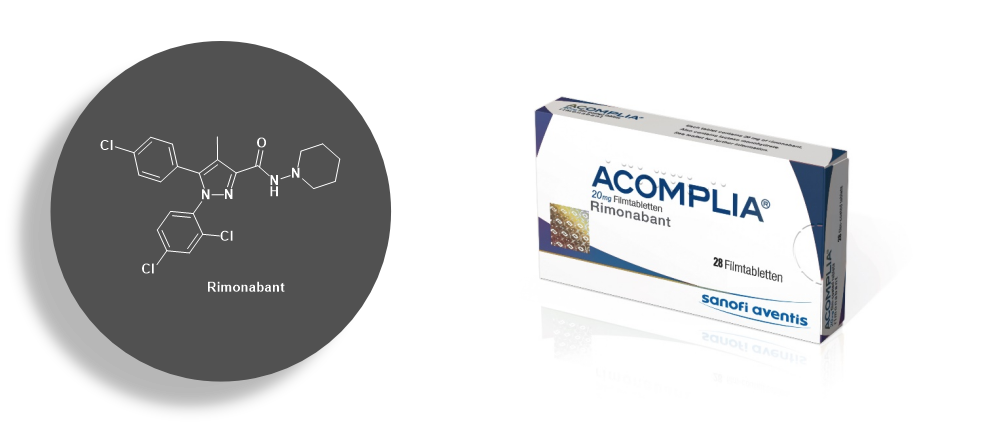
CB1 Blockers: A Class of Drugs Once Studied for Weight Loss Despite showing some potential in weight loss, CB1 blockers also bring important safety concerns and adverse effects. One of the most significant issues is the adverse effects related to mental health problems, including depression, anxiety, and increased suicide risk. These issues have led to the withdrawal or non-approval of some CB1 blocker drugs in certain countries. In 2006, Sanofi received European approval for the CB1 blocker rimonabant for weight loss.(Rimonabant). However, the EMA withdrew the drug in 2008 because it also triggered severe mental health issues, including depression that could lead to suicide. The FDA never approved this drug. Other CB1 blockers were also under development, but many were terminated or had their research suspended at an early stage, partly due to safety concerns. The biggest obstacle in developing CB1 receptor blocker drugs is safety, but INV-202 appears to have the potential to make a breakthrough in this field. It demonstrated weight loss potential in Phase 1b trials and is currently undergoing trials for diabetic nephropathy. (DKD)Phase 2 trial. Other pipeline assets for metabolic and fibrotic diseases are also under development. Novo Nordisk values the potential of INV-202 in treating obesity and obesity-related complications. Inversago and Novo Nordisk are betting that the next generation of CB1 blockers can offer cardiometabolic benefits without side effects. The withdrawn drug Rimonabant acts both inside and outside the brain and spinal cord, whereas INV-202 is a larger and more polar molecule, making it difficult to cross the blood-brain barrier. This property should help avoid the neurological side effects that arose when Rimonabant entered the brain. Rimonabant is a "non-selective" CB1 blocker that modulates two downstream pathways of CB1. In contrast, INV-202 is "selective," regulating only one of these pathways, which may offer safety benefits. In Inversago's recent INV-202 Phase Ib trial involving 37 adults, subjects who took the drug once daily experienced an average weight loss of 3.3% after 28 days, compared to a 0.5% increase in the placebo group. INV-202 is currently in Phase II trials for diabetic nephropathy and may potentially slow the progression of kidney function decline. In 2021, Novo Nordisk's weight-loss drug Wegovy(Semaglutide)Led a revolutionary breakthrough in the field of weight-loss drugs, surpassing Saxenda in one fell swoop. (liraglutide) Moderate Weight Loss Effects. Injecting Wegovy once a week alongside diet and exercise for over a year can help patients reduce their body weight by up to 15%. According to recent trial results, Semaglutide can also decrease the risk of major heart problems by 20%. Analysts predict that Wegovy is expected to achieve $4.2 billion in sales performance in 2023. Lilly's Mounjaro(tirzepatide)The approval of the weight-loss drug is highly likely to be achieved this year, and it will also compete head-to-head with Wegovy, sharing the lucrative obesity drug market. Despite the rapid development of GLP-1 peptide weight-loss drugs, CB1 blockers still have their advantages and a place in the market. CB1 blockers benefit cardiometabolic health.(Including lipid levels)The overall impact may make it suitable for treating various chronic diseases. This is also one of the important reasons why Novo Nordisk, despite Wegovy's sales booming to the point of stockouts, still proactively acquired INV-202. Besides, the price advantage and delivery advantage of small-molecule drugs over peptide drugs are aspects that practitioners cannot ignore. References:Kansteiner, F. With Wegovy supply unfettered, Novo Nordisk ratchets up its 2023 growth forecast. FiercePharma. 14. 04. 2023.
Mullard, A. Novo tries a new trick on an old obesity target. C&EN. 14. 08. 2024.
Novo Nordisk to acquire Inversago Pharma to develop new therapies for people living with obesity, diabetes and other serious metabolic diseases. Inversago. 10. 08. 2023.