Eisai Announces Japanese Approval of Lecanemab for Early Alzheimer’s Disease
Eisai
Pharmaceutical Product R&D and Manufacturer
 On September 25, Eisai announced,Lecanemab (Lecanemab) Approved for Marketing in Japan to Delay the Progression of Mild Cognitive Impairment (MCI) and Mild Dementia Caused by Alzheimer's Disease (AD).
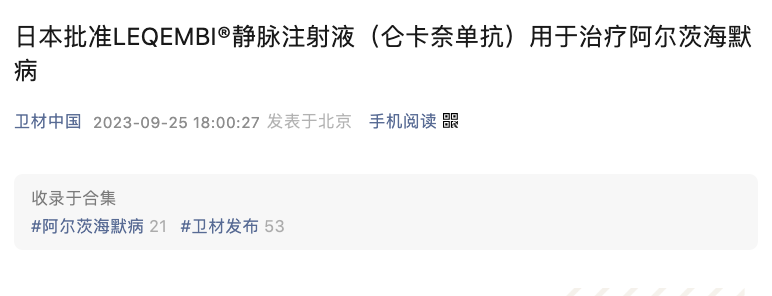
Source: Eisai Official WeChat Account
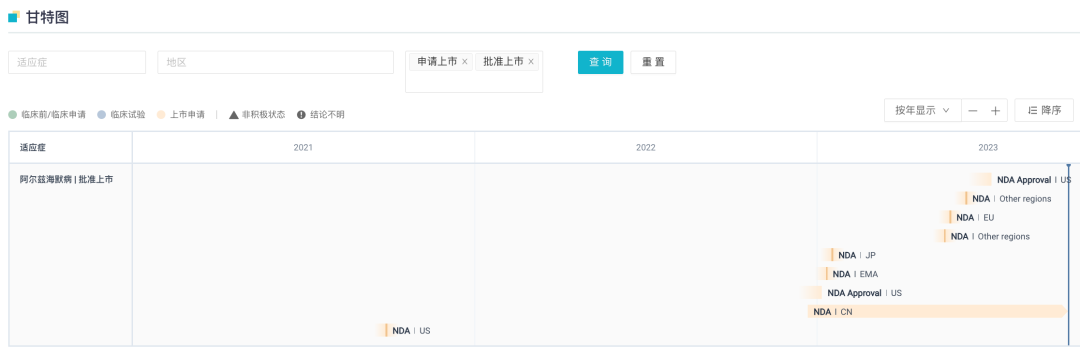
Eisai submitted a marketing authorization application for Lecanemab to Japan's Pharmaceuticals and Medical Devices Agency (PMDA) on January 16, 2023. It was granted priority review on January 30 and has recently been approved.
Previously,Lecanemab was granted accelerated approval by the U.S. Food and Drug Administration (FDA) on January 6, 2023.Eisai submitted a supplemental Biologics License Application (sBLA) on the same day to support the transition to traditional approval. AndTraditionally approved in the United States in July 2023.
Lecanemab Approved for Marketing in the United States

From:Insight Database Web Version (hereinafter the same)
The traditional approval of Lecanemab is based on the Clarity AD Phase III study data.
Lecanemab can selectively bind to and eliminate soluble, neurotoxic Aβ aggregates (protofibrils). Therefore, lecanemab is expected to impact the pathophysiology of AD and slow disease progression. The Clarity AD study demonstrated that lecanemab treatment met the primary endpoint and all key secondary endpoints, with results showing highly statistically significant effects, further confirming its efficacy.LecanemabClinical benefits of monoclonal antibodies.
Compared with placebo, in the primary endpointCDR-SBAspect,LecanemabSignificantly reduced at 18 months of monoclonal antibody treatment0.45 points,The reduction reached 27%. Additionally, the secondary endpoint, Alzheimer's Disease Cooperative Study–Mild Cognitive Impairment–Activities of Daily Living Scale (ADCS-MCI-ADL) score assessed by AD caregivers, showed a statistically significant benefit of 37%.
Clarity AD Trial Results
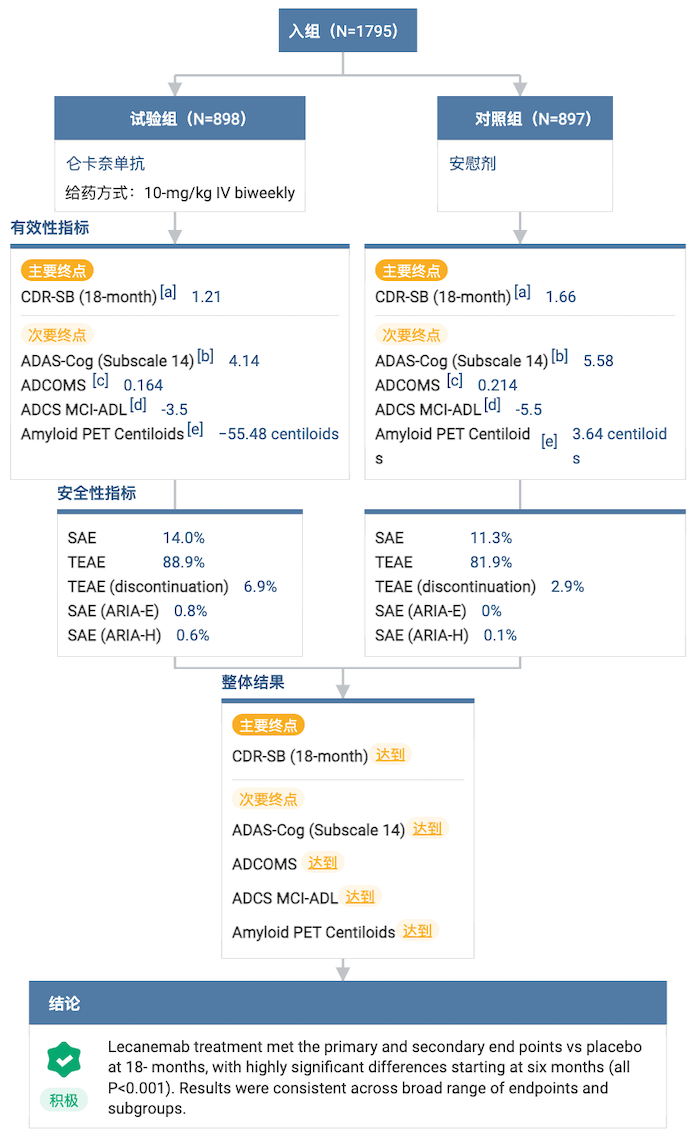

2022In November, the results of the Clarity AD study were announced at the 2022 Clinical Trials on Alzheimer's Disease (CTAD) conference and simultaneously published in the world-renowned peer-reviewed medical journal, The New England Journal of Medicine.
Lecanemab has also submitted marketing applications in other regions, including the marketing authorization application in Europe.(MAA) was submitted to the European Medicines Agency (EMA) on January 9, 2023. Meanwhile,Eisai Co., Ltd. in December 2022ChinaSubmit an application for marketing authorization to the National Medical Products Administration (NMPA) and receive acceptance.
Lecanemab has been submitted for marketing approval to various regulatory agencies and was first approved in the United States.
Eisai and Biogen reached a collaboration agreement in March 2014 for the development of a new Alzheimer's disease drug. In 2017, Eisai exercised an option in the agreement to obtain Aducanumab.
In March 2022, following the commercial failure of Aducanumab, the two companies announced a revision to their collaboration agreement. Eisai modified its participation from sharing global profits and losses of Aducanumab to receiving tiered royalties based on its net sales, while the collaboration for Lecanemab remained unchanged worldwide.Eisai Retains Final Decision-Making Authority, Continues to Lead Global Development and Regulatory Submissions for LecanemabThe two companies jointly promote commercialization. Based on the positive outlook for Lecanemab, Biogen's commercial production and supply agreement for Lecanemab has been extended from 5 years to 10 years.
 The antibody industry has experienced rapid and significant development over the past few decades, becoming a rapidly growing sector in the biopharmaceutical field.A field that has been expanding and receiving significant attention. Since the approval of the first monoclonal antibody drug (Muromonab-CD3) in the 1980s, many antibody drugs have been approved for the treatment of various diseases, including cancer, immune disorders, and infectious diseases. There are already dozens of successful antibody drugs on the market, and more candidates are under clinical development and research, with an expectation of more new drugs being launched in the future.
Today, in addition to traditional monoclonal antibodies, an increasing number of novel antibody technologies have been developed, including bispecific antibodies, polyclonal antibodies, humanized antibodies, recombinant antibodies, and antibody-drug conjugates. These new technologies confer antibody drugs with higher specificity, affinity, stability, and production feasibility, broadening the range of antibody applications.
This year is the first year after the COVID-19 pandemic has stabilized, with people's lives gradually returning to normal and the economy slowly but steadily recovering. Meanwhile, antibody companies continue to strive, break through, and surpass themselves, leading to vigorous growth and fruitful achievements in the antibody field.
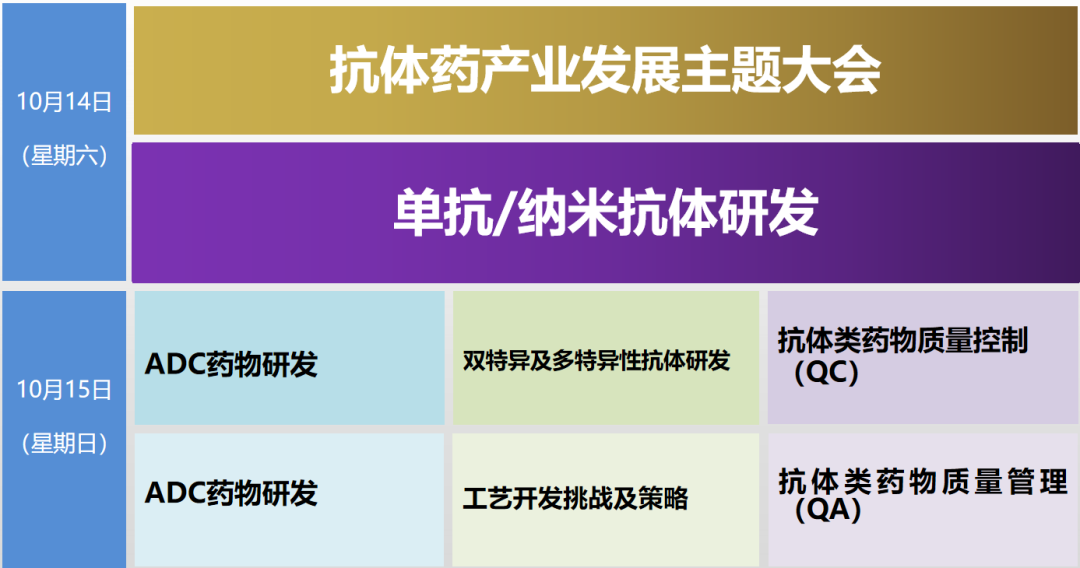
Schedule
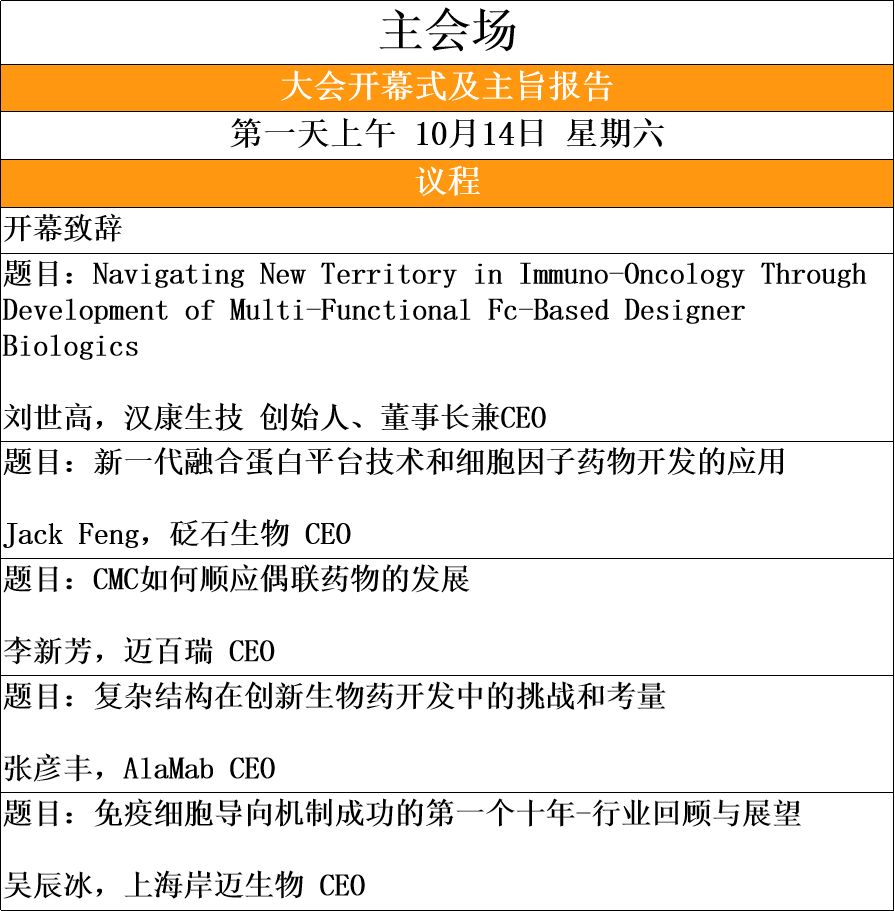
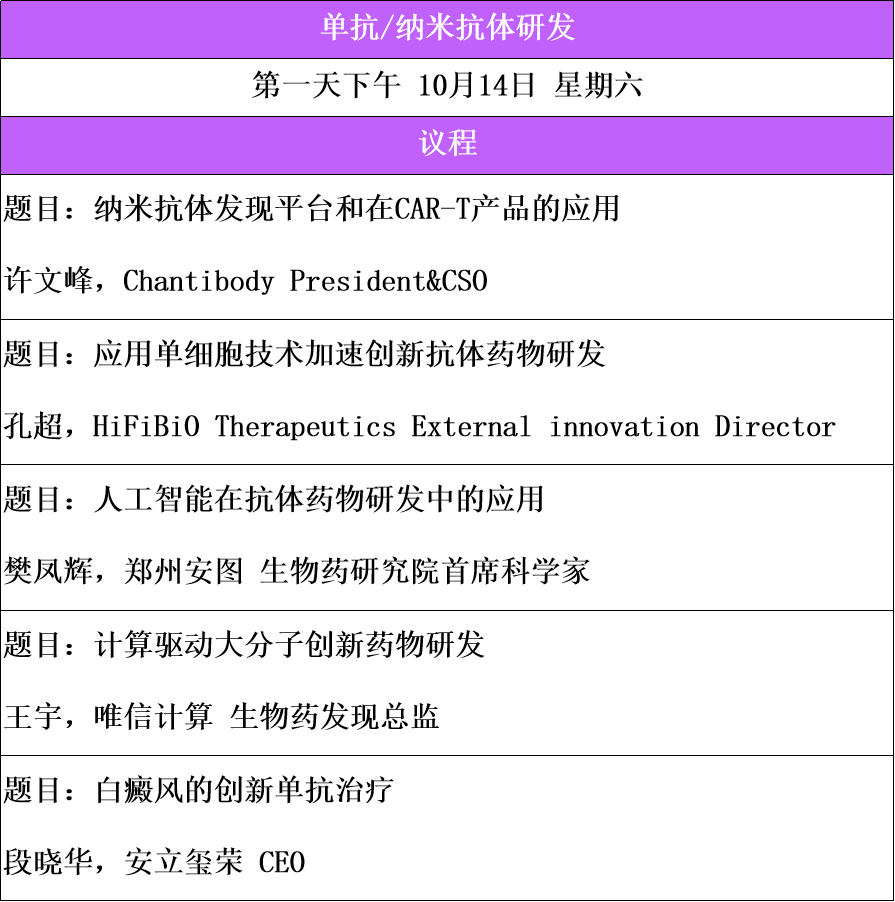
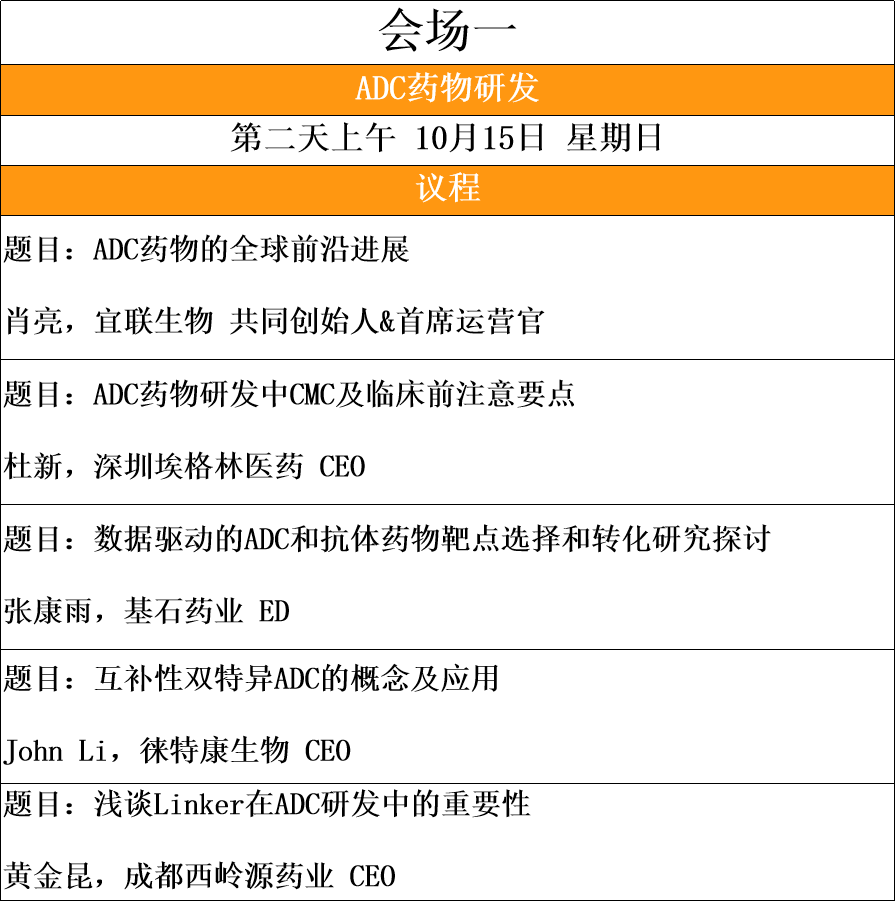
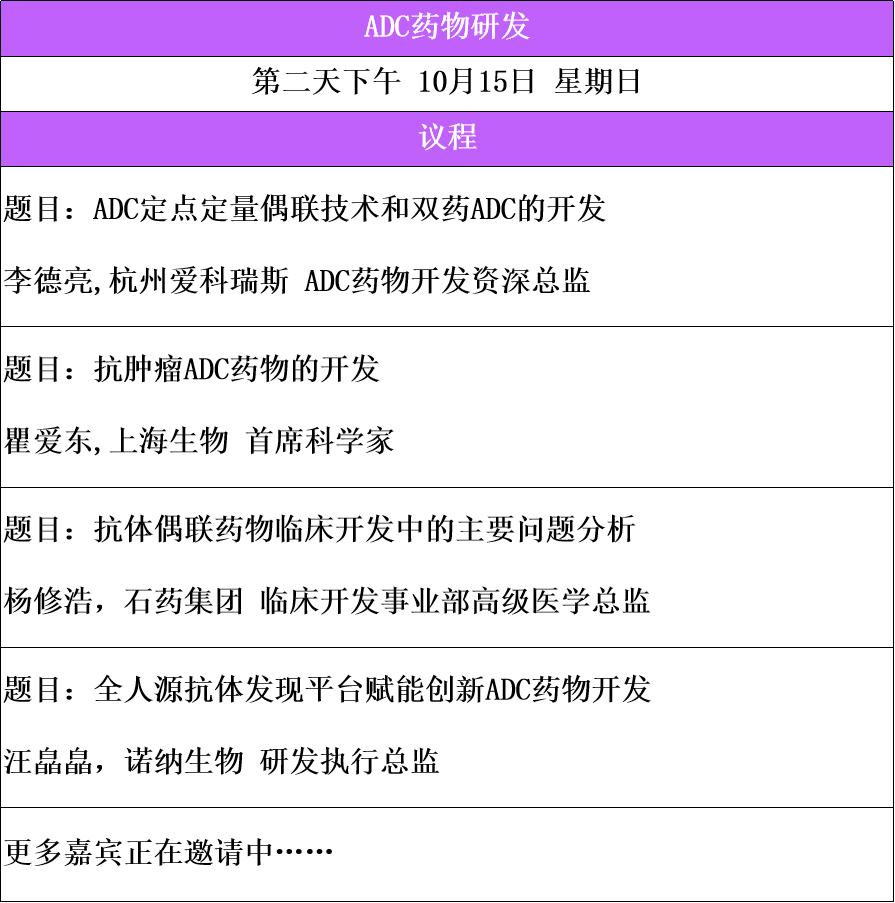
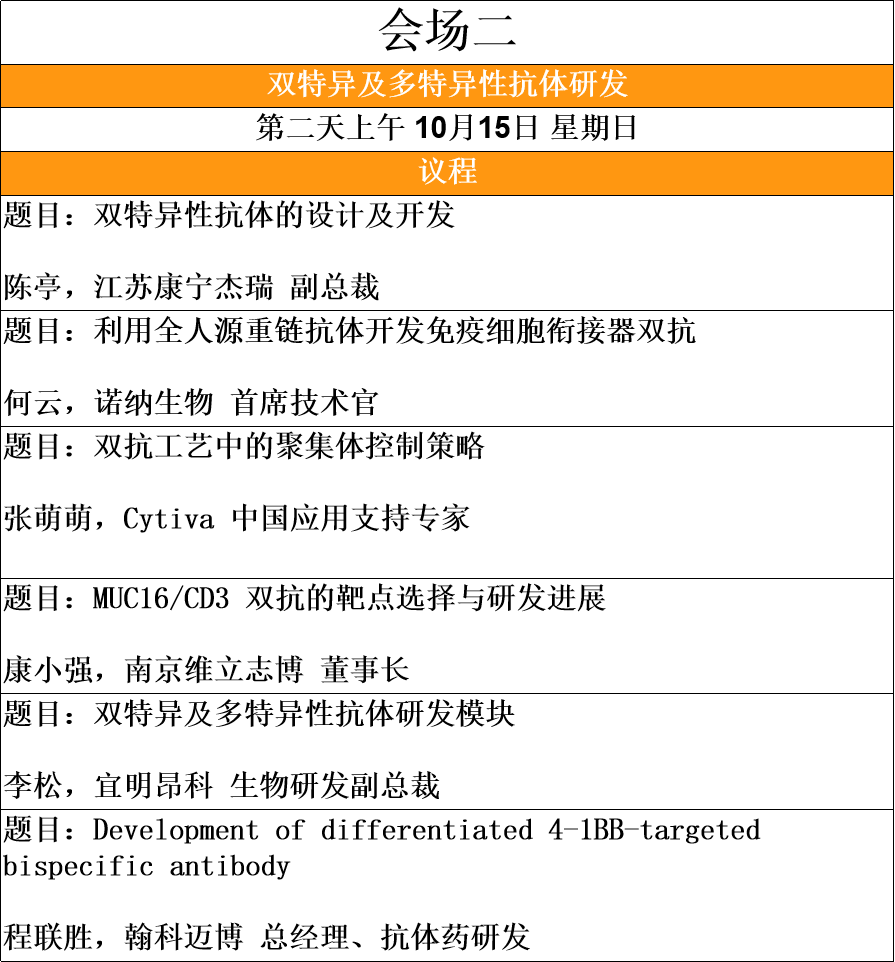
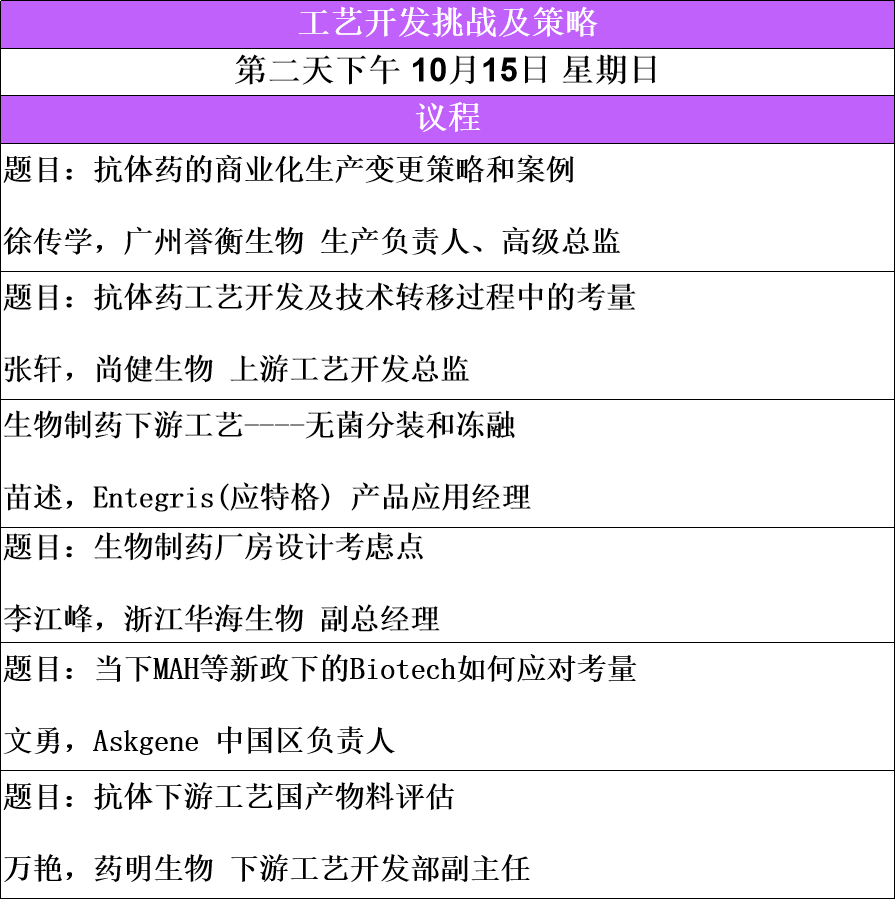
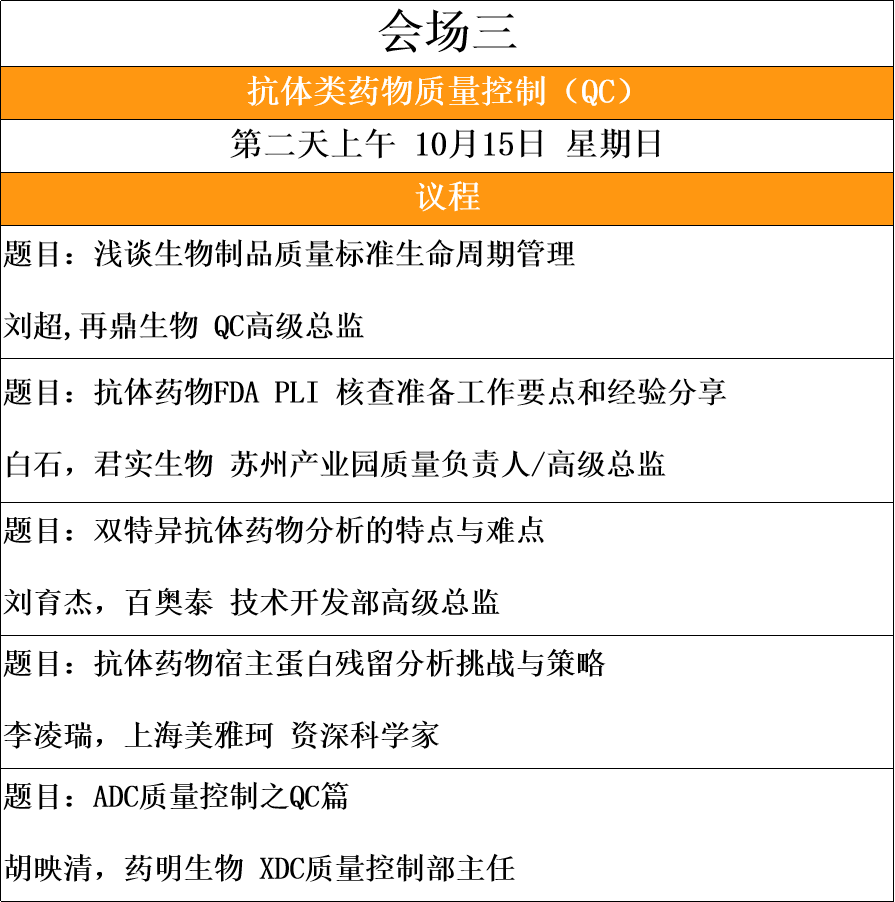
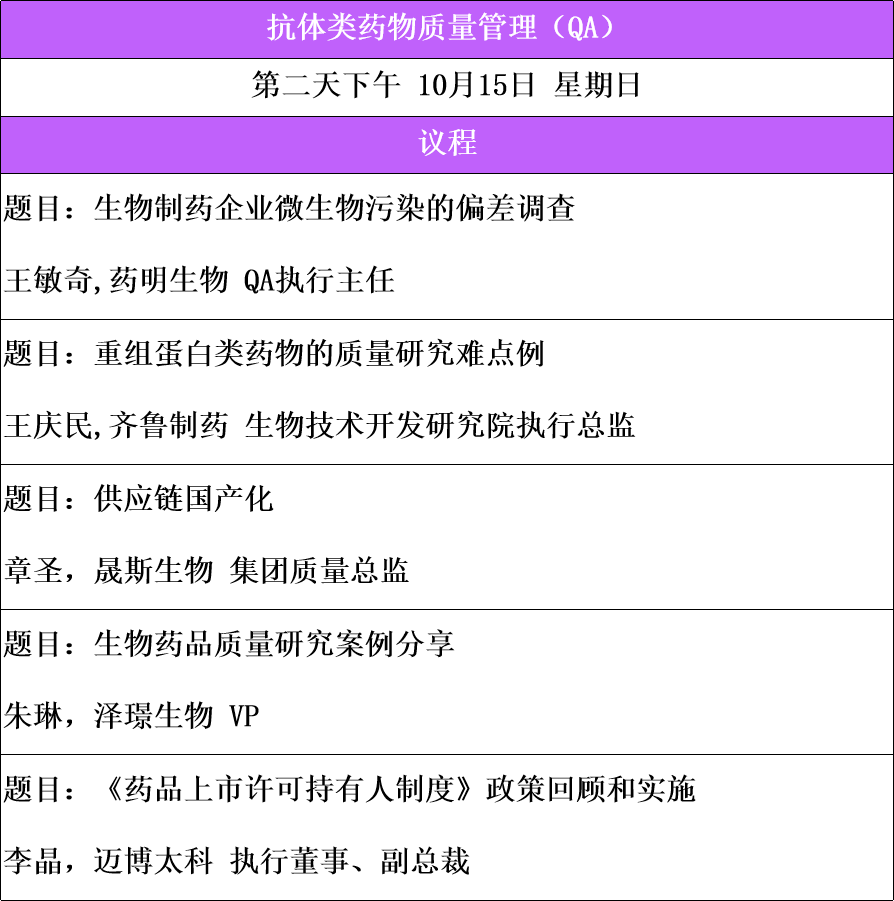
More guests are still being invited.......
Biological Products WeChat Group!
Please indicate: Name + Research Direction!


All reproduced articles in this official account are intended to convey more information, with clear attribution of sources and authors. Media or individuals who do not wish to be reproduced can contact us at cbplib@163.com, and we will immediately proceed with deletion. All articles represent the views of the authors and do not represent the position of this website.