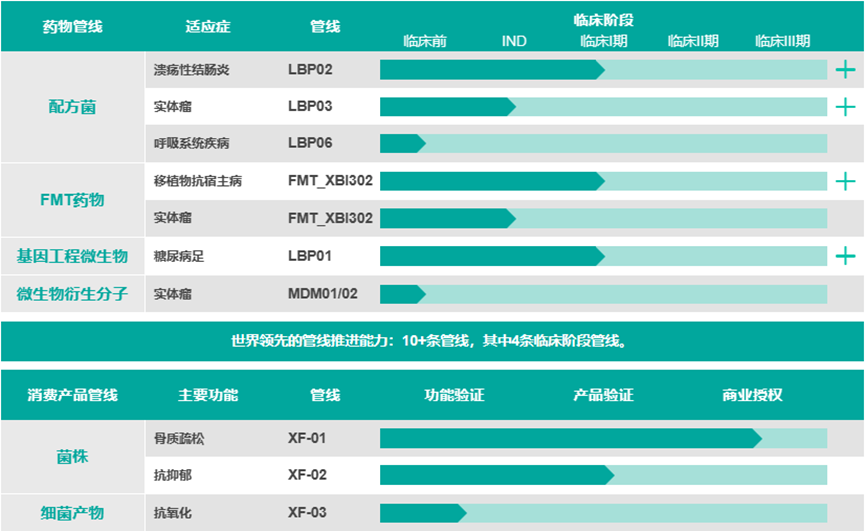
On September 1, the official website of the Center for Drug Evaluation (CDE) of the China National Medical Products Administration (NMPA) announced that Aurealis Therapeutics and Xbiome Biotech jointly submitted a clinical trial application for the Class 1 biological new drug AUP1602-C, which has been accepted. Public information shows that AUP1602-C (also known as AUP-16) is a genetically engineered bacterial drug,Xbiome Secures Exclusive Rights for Development and Commercialization in Greater China through a $139 Million Collaboration. Xbiome Co. Ltd. (hereinafter referred to as "Xbiome") was established in 2017, focusing onAI+BTMicrobiome Research and Product Development Platform. Aiming to alleviate or treat diseases through microbiological technology and bioinformatics technology, utilizing live biotherapeutics and microbial small molecule modulators. Over 10 pipelines, 4 entering clinical trials Xbiome's self-developed First-in-Class microbiome drug pipeline covers all mainstream drug forms, including formulated bacteria, genetically engineered microorganisms, bacterial metabolites, and fecal microbiota transplantation, which can be applied in disease areas such as oncology, neurology, gastroenterology, and immunology. ItsDivide into three business directions: probiotics, FMT (fecal microbiota transplantation), and drug discovery.And expand its own pipeline in the mode of "self-developed + introduction". Xbiome hasMore than 10 drug pipelines,Full coverage of the main drug forms for microbiome therapy has been completed. Among them, four pipelines have entered the clinical stage. It is expected that 1-2 pipelines will enter Phase II clinical trials as early as this year or next year. In terms of formulated bacterial drugsIn April 2022, Xbiome acquired M201, also known as LBP02, from Assembly Biosciences. It is a formula-based microbial drug developed through rational design and screening using in vitro human cell models and animal models of disease, based on an understanding of the biological and cellular regulatory mechanisms associated with ulcerative colitis. This project targets mild to moderate ulcerative colitis and is about to initiate Phase 1b clinical trials in the United States. AnotherFormulated Bacterial Drug LBP03The indication is solid tumors, treated with a combination of probiotic drugs and aPD-1. In August 2022, the IND clinical approval was obtained from the U.S. FDA. The role of gut microbiota in immune regulation has now largely entered the clinical stage. Many common diseases today are related not only to the human genome but also to gut microbiota. By modulating the gut microbiome or combining gut microbiota with gene therapy. In May 2021, Xbiome announced a collaboration with 3SBio (01530.HK) to jointly develop FMT microbiome drugs for related indications in the field of nephrology. The collaboration covers mainland China, Hong Kong, Macao, and Taiwan. At this stage,XBI-302 FMT Drug Progresses Fastest, for dual filing in China and the U.S., was approved in the U.S. in June 2021,It is the first FMT drug in Asia to receive FDA clearance (IND) in the United States.FMT drugs can replace the damaged gut microbiota in patients with healthy microbiota, co-growing with the hematopoietic stem cells transplanted into the patient. Without affecting the prevention and treatment of graft-versus-host disease, they help the body rebuild its immune system, allowing patients to reduce the use of antibiotics during treatment and recovery. FMT is classified as a drug in the United States, where two FMT drugs have been approved for marketing. In China, FMT is considered a medical technology that falls between a drug and a food. Genetically Engineered Microbial Drug LBP01 (AUP-16)It was introduced from Aurealis Therapeutics for $139 million, securing exclusive rights for its development and commercialization in Greater China. The microbiome drug pipeline, developed using synthetic biology technology, is an engineered probiotic that promotes the healing of chronic wounds and is suitable for various diseases related to chronic wounds and skin inflammation. With the help of synthetic biology, researchers have loaded three key cytokines into lactic acid bacteria, achieving a "four-in-one" therapeutic effect of wound closure, pathogen clearance, inflammation reduction, and new tissue formation. Currently, AUP-16 is undergoing a multicenter, open-label, randomized, standard-of-care plus placebo-controlled Phase 2 study overseas, with the first patient dosed in August. The trial aims to evaluate the safety, tolerability, and efficacy of AUP-16 for local treatment of non-healing neuroischemic diabetic foot ulcers at the recommended Phase 2 dose. In August 2022, Juntai Bio and Beijing Kexing Hengtong Bio's joint venture subsidiary Juntai Bio announced that itsKEX02 Live Bacteria Formulation Combined with PD-1 Inhibitor for the Treatment of Non-Small Cell Lung Cancer Drug Pipeline, officially obtained the FDA's clinical trial approval (IND) in the United States, allowing it to enter the clinical stage. This is one of the first microbiota-based live biotherapeutic products (LBP) pipelines in China to receive FDA clinical approval. KEX02 is an LBP derived from the gut microbiota of healthy children. Leveraging the lactic acid bacteria germplasm resource library of SciTech Biotech, and through Xbiome's multi-dimensional screening platform and SciTech Biotech’s strain development and production platform, the JunTuo Biotech research team discovered that KEX02 exhibits excellent immune activation capabilities. KEX02 in combination with PD-1 antibody demonstrated significant tumor suppression and markedly extended the survival of tumor-bearing mice. Mechanistically, KEX02 activates dendritic cells, enhances the cytotoxic function of effector T cells, and significantly improves the response rate to immunotherapy. Xbiome will continue to expand its pipeline, such as in the directions of metabolism or the brain-gut axis. Currently, the focus remains on immune modulation. In the field of gut microbiota, the current indications areClostridioides difficile infection (CDI) and Inflammatory Bowel Disease (IBD)The possibility of becoming a medicine is relatively high, with its clinical progress at the forefront. The drug's market launch will be a milestone event in the industry. From Investor to Entrepreneur Founder and CEO of XbiomeTan YanHaving experienced three role transitions, each experience has contributed significantly to my growth.


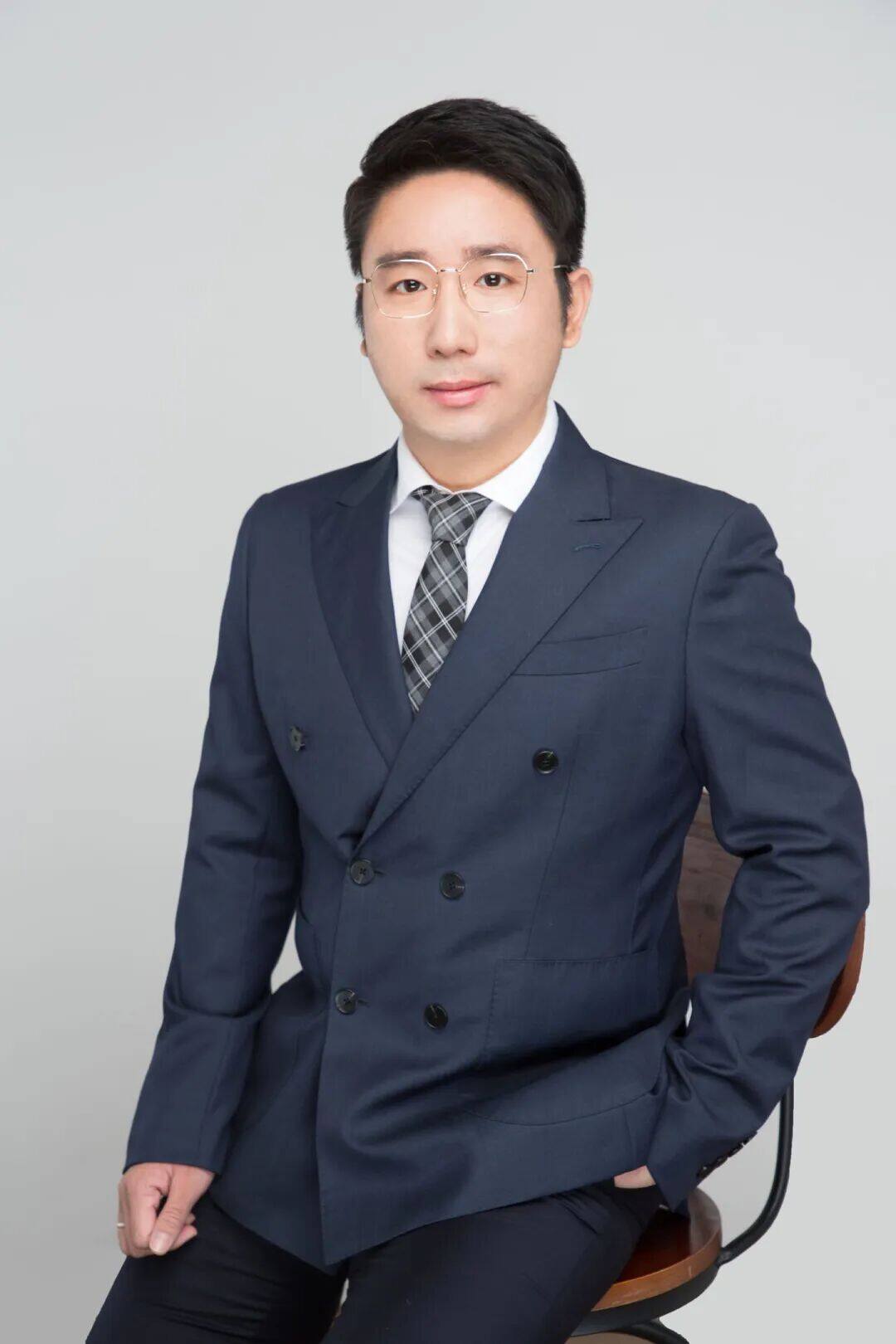
Tan Yan graduated from Peking University's Biotechnology program under the tutelage of Zhu Huaiqiu, with a primary research focus on bioinformatics and computational biology. He then pursued a direct Ph.D. in bioinformatics at Boston University under the guidance of two advisors, Jill Mesirov and Nickolas Haining. Jill Mesirov, who specializes in high-performance computing, was one of the eight core Principal Investigators (PIs) at the MIT Broad Institute. While serving as a guest professor at Boston University, Tan Yan joined the Broad Institute through a research assistant recruitment process. Nicolas Haining is engaged in research work in the fields of immuno-oncology and industrial studies. Tan Yan completed his doctoral research here and also participated in related projects on gut microbiota. Tan Yan later worked at Tamr, a big data integration platform company founded by Michael Stonebraker, a 2014 Turing Award winner and American database expert. In 2016, Tan Yan returned from Boston to Beijing and did not start research work, but joinedFREES FUND, began a journey as an investor. In 2017, transitioning from investment to entrepreneurship, Tan Yan leveraged his research experience and investment expertise to focus on pharmaceuticals, establishing Xbiome Co. Ltd. in Shenzhen. Tan Yan initially had the dream of entrepreneurship and served as the forum chairman of the 2015 MIT China Innovation and Entrepreneurship Forum. Interestingly,During the organization of a student entrepreneurship competition, I met the three founders of XtalPi from MIT: Shuhao Wen, Jian Ma, and Lipeng Lai. Later, Frees Fund also invested in XtalPi. In terms of clinical applications, invited experts with many years of working experience at the U.S. FDA.Michael YaoJoined the team and successfully communicated with the FDA during a meeting. In addition, there is another founder.Yin Yiming, both graduated from Peking University's School of Life Sciences, currently serving as Vice President of Research and Development. Other team members include the Chief Bioinformatics Scientist, who graduated from Boston University.Hu HanShao Wenqian, Vice President of Capital Markets and External Cooperation, Yin Xiaocheng, Director of Bioinformatics, etc. IT+BT Dual-Drive Mode Xbiome, as an AI pharmaceutical company focused on gut microbiome therapeutics,High-throughput multi-omics generation capability and AI-powered big data analysis capability, are Xbiome's two core drivers. There are at least 1,000 types of bacterial communities in the human gut, broadly categorized into beneficial bacteria, harmful bacteria, and neutral bacteria. Considering the combined effects of multiple bacterial species, the complex permutations make it a challenge to analyze. However, AI technology simplifies this complicated data-mining problem and helps narrow down the screening range for bacteria. Xbiome has built its core technology platform — the AI Microbiome Research and Industrial Transformation Platform. More specifically, the technological layout spans five key directions: the bioinformatics platform, microbiology platform, molecular platform, formulation platform, and production platform. In ITThe AI platform of the company consists of three parts: the underlying computing platform, the AI algorithm platform and analysis platform, and the drug discovery platform, covering the entire process from underlying data processing, algorithm iteration model analysis, to AI-accelerated drug discovery. Starting from more clinical data and genomic data of strains, it can quickly narrow down the screening scope of functional strains. Its AI platform X-Optim is powered by a cloud-based fully automated computing engine, utilizing proprietary machine learning algorithms to accelerate microbiome drug discovery. X-Optim enables clinically data-driven drug discovery through its analytics module and target mechanism-driven drug discovery module. At the BT endXbiome has built high-throughput automated experimental platforms, animal model validation platforms, and production and clinical platforms, which can further evaluate early-stage candidate drugs for rapid validation and targeted optimization. The study of gut microbiota cannot be separated from the establishment of strain libraries. OpenBiome, the largest stool bank founded by Mark Smith at MIT in the United States, has become the de facto standard. "High-quality" stool samples must go through screening and processing before the eligible "bacteria" can be transplanted into the patient's gastrointestinal tract. Xbiome is also working on establishing a similar stool bank by recruiting volunteers. The core difference of the drug lies in the selection of strains. Enterprises with AI+ platform R&D capabilities will demonstrate their long-term competitiveness by achieving highly precise strain selection. Completed 5 rounds of financing in 4 years
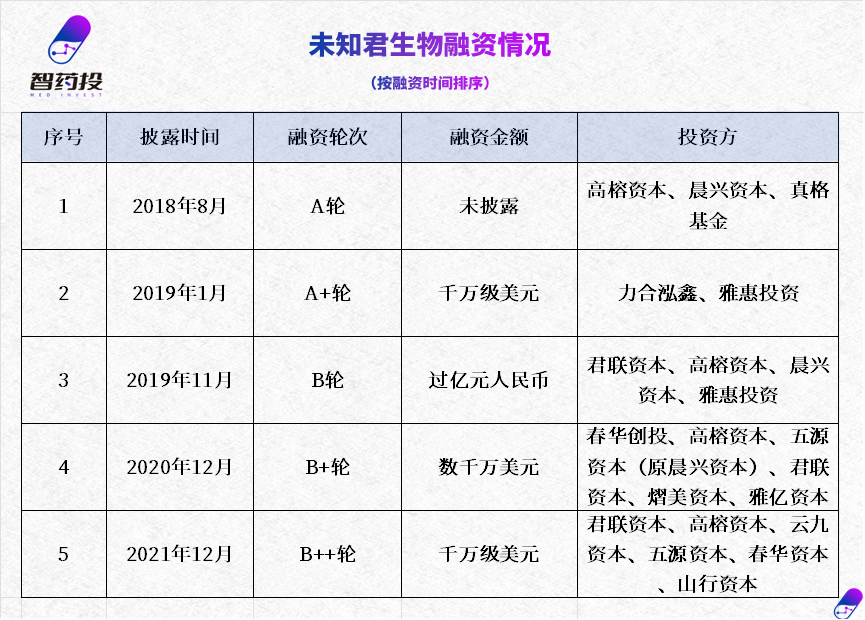

2018-2021Completed financing for four consecutive years, with a total disclosed amount of approximately1Billion US dollars. Completed Series A financing in August 2018, led by Gaorong Capital, with co-investment from Morningside Venture Capital and ZhenFund. In early 2019, completed the A+ round of financing, led by Lihé Hongxin and co-invested by Yahu Investment. The total amount of the two rounds of financing was nearly ten million US dollars. Series A investor Gaorong Capital stated: "The stability of the intestinal microecology is crucial to human health, and the emerging field of microbial drugs has enormous market potential."AI + Microbiome Pharmaceuticals at the Cusp of Explosive Growth。” In November 2019, completed Series B financing of over 100 million yuan. This round of investment was led by Legend Capital, with existing investors Gaorong Capital, Morningside Venture Capital, and Yahu Investment continuing to follow up. In December 2020, Xbiome announced the completion of a multi-million dollar B+ round of financing. This round was led by Primavera Venture Partners and Gaorong Capital, with participation from FiveSource Capital (formerly Morningside Ventures), Legend Capital, YiMei Capital, and Yiyi Capital. Zou Ling, co-head of Spring Ventures, pointed out: "The global microbial pharmaceuticals field is still in its infancy,Has great potential for development and application in various disease fieldsUnder the leadership of Dr. Yan Tan and his team, Xbiome not only stands out in China but also possesses strong global competitiveness. Chunhua highly values Xbiome's future development, believing that Xbiome will represent China in achieving a leapfrog advancement in the microbiome pharmaceuticals field, further enhancing the efficiency of AI algorithm applications in this area, and becoming a world-class microbiome pharmaceutical enterprise." In December 2021, Xbiome completed a new round of financing, marking the full completion of its Series B round, with a total amount close to 100 million US dollars. This is reported to be one of the highest-value financings in China's microbiology industry recently. Xbiome has attracted additional investments from well-known domestic and international investment institutions such as Legend Capital, Gao Rong Capital, Sky9 Capital, Five Source Capital, Primavera Capital, and Hike Capital. The largest financing project in China’s micro-ecological pharmaceuticals industry. Li Jiaqing, President of Legend Capital, said, "Legend Capital values technological innovation in the healthcare sector and has always focused on the deep integration of technology with the healthcare industry. Since the first investment in Xbiome in 2019, after years of cooperation, Xbiome has gradually grown into China's leading microbiome drug company and achieved a significant milestone this year by obtaining the first-ever FDA clinical trial approval in Asia for an FMT drug. The team led by Mr. Tan Yan has demonstrated exceptional comprehensive capabilities and boundary expansion abilities.Has extensive布局 in the fields of AI pharmaceuticals, microbial technology, bioinformatics, and synthetic biology.,and has launched clinical collaborations with several renowned hospitals. We are highly honored to be part of Xbiome's journey and remain optimistic about the company’s future development." Le BeiLin, Vice President of Gaorong Capital who participated in the fourth round of investment, stated, "The human microbiome, as the 'second genome,' is crucial for maintaining health and controlling the onset and progression of diseases. Research in this field is booming globally, and the microecological pharmaceuticals industry has also entered the stage of practical application and transformation. Xbiome, asChina's First AI-Based Microbiome Pharmaceutical Company, not only dare to be the first, but also from the early investment until now, we continue to witness the team's leadershipAI+BT Technology First"Under the impetus of abundant clinical resources, a high concentration of talent, and the three driving forces, Xbiome has established a complete closed-loop for drug development and has already demonstrated its strong capabilities through significant efficacy in clinical trials. It is believed that Xbiome will secure a place in the global microbiome pharmaceuticals industry." —The End— Recommended Reading