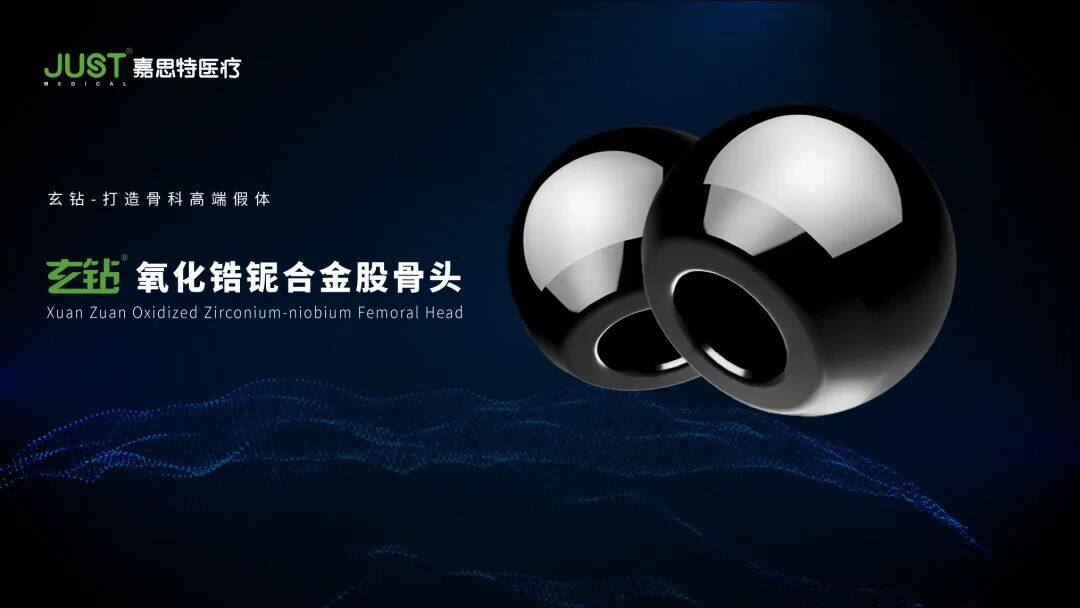
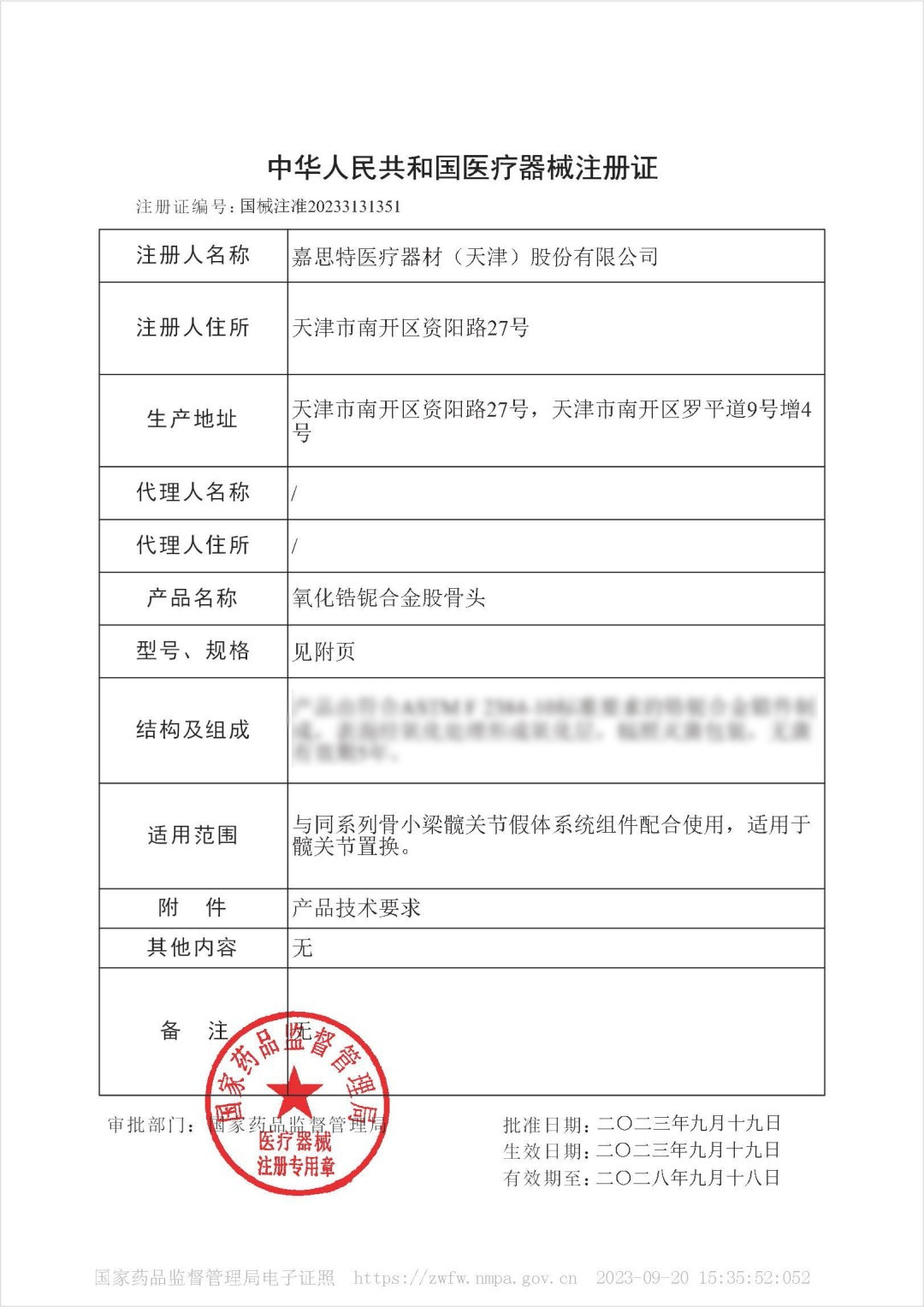
On September 19, after review by the National Medical Products Administration (NMPA), the Xuanzuan® Zirconia Niobium Alloy Femoral Head independently developed by Just Medical officially obtained the Medical Device Registration Certificate of the People's Republic of China. Against the backdrop of centralized procurement of artificial joints, the successful launch of this product is expected to address the "bottleneck" issue of core components in the industry.
Just Medical, as a national-level "specialized, refined, novel" little giant enterprise and a national high-tech enterprise, possesses two major innovation platforms: the Tianjin Key Laboratory of Enterprise and the Tianjin Enterprise Technology Center. It has established a "production-academia-research-medicine-inspection" five-in-one R&D system, focusing on the step-by-step diagnosis and treatment of bone and joint diseases, and is committed to researching new technologies, new materials, and new products with stronger international competitiveness.

In the research and development process of Xuanzuan® Zirconia Niobium Alloy Femoral Head, the dual-platform-driven integration plays an important role in unblocking the bottlenecks of technological innovation, promoting the transformation of achievements, and jointly building a complete Just Medical technology innovation chain.0 Fragmentation, 0 Allergy, Low Magnetic Susceptibility
The femoral head is the core component affecting the service life of prostheses after artificial hip replacement. Its material should possess high strength, wear resistance, and excellent biocompatibility. Currently, the most common materials on the market are metal and ceramic. Metal materials exhibit good biocompatibility and comprehensive mechanical properties but have issues with metal ion release. Ceramic materials offer high strength, wear resistance, and low allergenicity but carry the risk of brittle fracture.Just Medical Conducts Analysis and Research on the Above Clinical Pain Points: Using Zirconium Niobium Material with Excellent Biocompatibility, the Surface of Zirconium Niobium is In-Situ Oxidized to Form a Ceramic Layer, Combining the Fracture Toughness of Metal with the Wear Resistance of Ceramics to Improve the Rough Surface of Traditional Metal Femoral Heads Such as Co-Cr and Reduce Wear with Polyethylene.
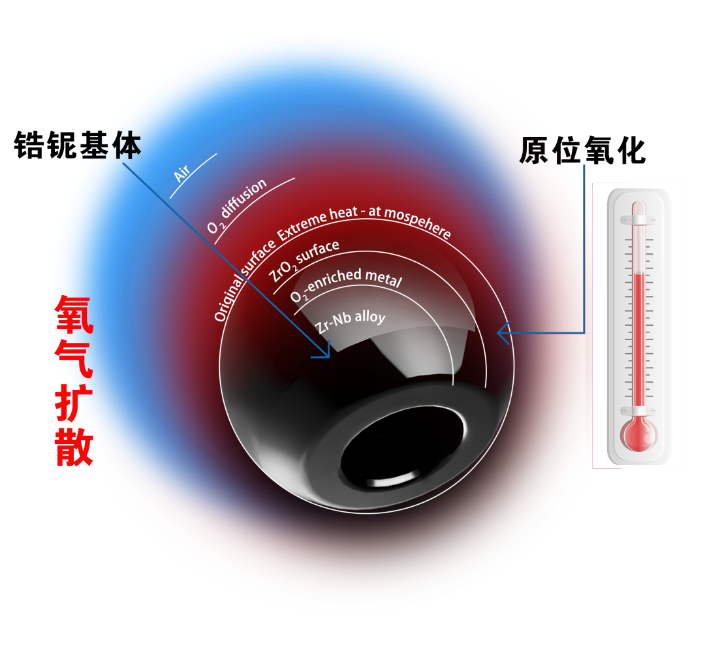
Figure 1 Schematic diagram of in-situ oxidation of zirconium-niobium alloy
The zirconium-niobium alloy matrix retains the strength and toughness of metal. Under fatigue loading three times body weight, after 10 million cycles, the compressive resistance remains greater than 90 kN, and compression tests confirm no risk of fragmentation.Compared with cobalt-chromium-molybdenum femoral heads, zirconia-niobium alloy femoral heads exhibit excellent biocompatibility. In ion release tests and biocompatibility tests, zirconia-niobium alloy femoral heads demonstrated 0 cytotoxicity and 0 metal allergic reactions, meeting the needs of more patients with metal allergies for artificial joint replacement.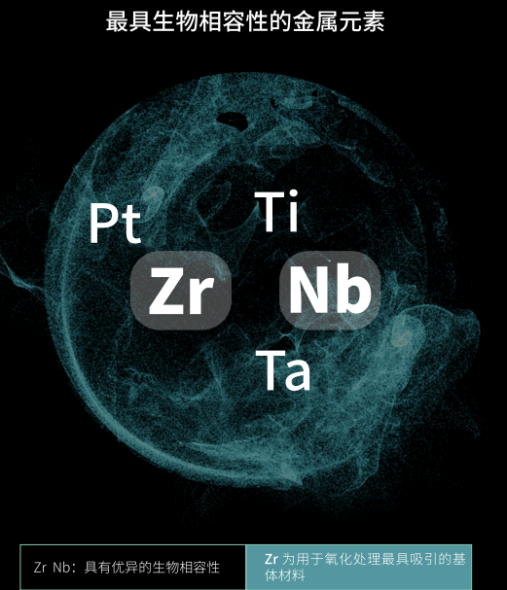
Figure 2: The Top Five Most Biocompatible Metal Elements
Low Magnetic Susceptibility
Compared with cobalt-chromium-molybdenum femoral heads, the Zr and Nb used in zirconia-niobium alloy femoral heads have lower magnetic susceptibility; compared with other Zr-xNb compositions, the adoption of Zr-2.5Nb falls within the lowest magnetic susceptibility range of Zr-xNb materials, resulting in reduced MRI artifacts.[1,2]。
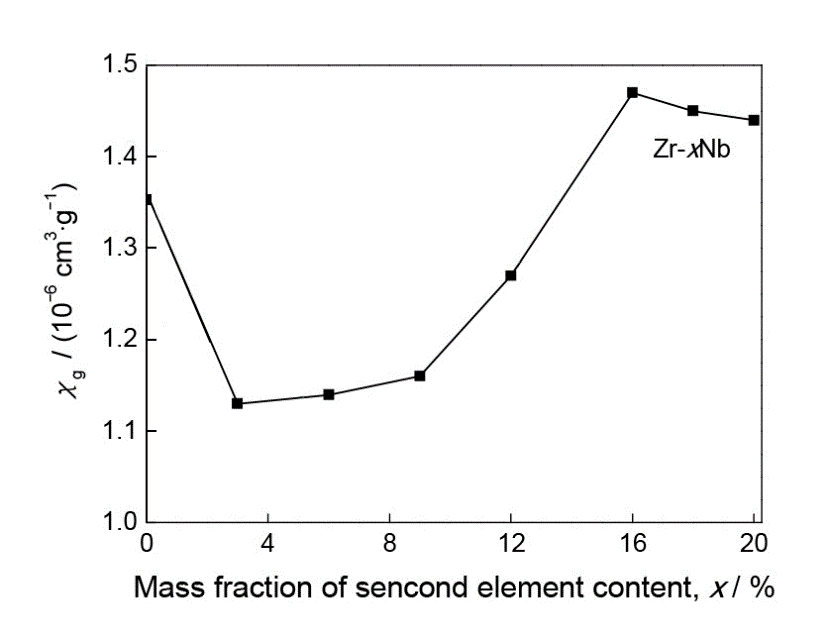
Figure 3 Relationship between the mass magnetic susceptibility of Zr-Nb and elemental content[2]
Wear-resistant, Anti-fall, Breakthrough in International "Bottleneck" Technology
Just Medical Black Diamond®Zirconium Niobium Alloy Femoral HeadThe zirconium niobium alloy undergoes high-temperature oxidation by controlling parameters such as time, temperature, and oxygen supply, forming a wear-resistant and anti-spalling metal ceramic. The product's ceramic surface, transition zone, and substrate cross-sectional morphology can be clearly observed under a scanning electron microscope.
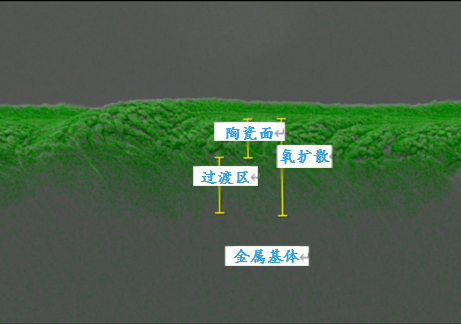
Figure 4 CP-SEM-EDS (Cross-Section Polishing - Scanning Electron Microscopy - Energy Dispersive Spectroscopy)
The wear resistance of the prosthesis significantly affects its service life. Zirconia-niobium alloy ceramic surface - highly cross-linkedPolyethyleneThe average volumetric wear rate is 8mm.3/MC, much lower than the wear rate of cobalt-chromium-molybdenum paired with highly cross-linked polyethylene (40-100 mm3/MC), reducing the risk of osteolysis and bone loosening caused by highly cross-linked polyethylene wear debris; meanwhile, the transition zone formed by in-situ oxidation firmly anchors the ceramic surface to the metal substrate, enhancing the bonding strength between the ceramic surface and the substrate, and avoiding the risk of detachment.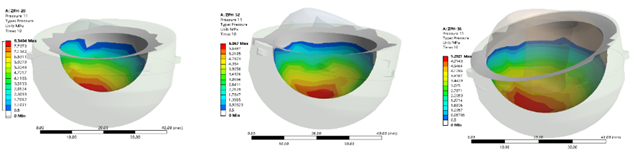
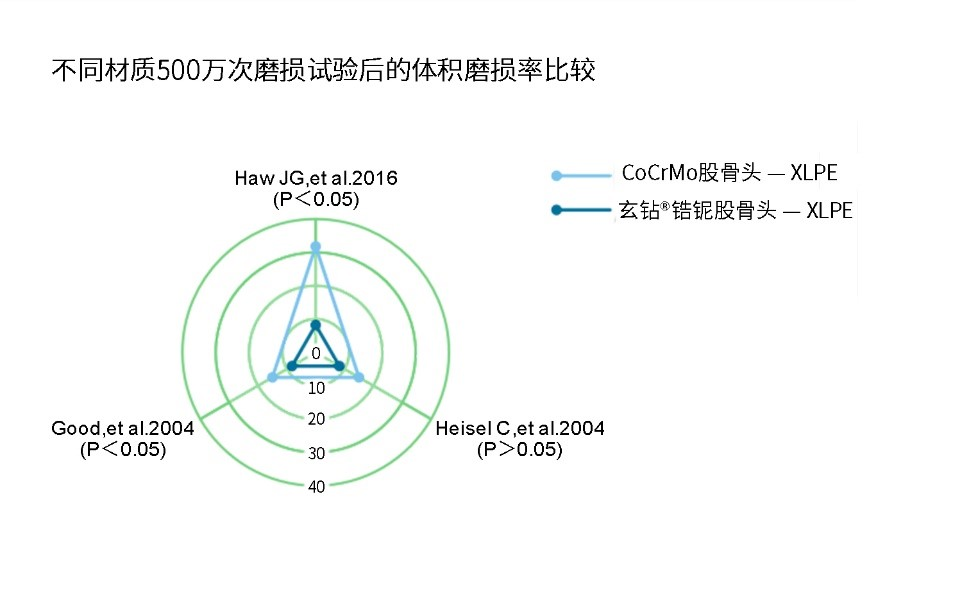
Figure 5: Zirconia Niobium Alloy Femoral Head Wear Test
Mystic Drill®Zirconia Niobium Alloy Femoral Head Breaks Through the Industry Barrier of Zirconium Niobium Alloy Oxidation Technology, Ends International Monopoly on Core Component Materials, and Successfully Solves Key Core Technology Challenges That Were "Stifling" Internationally.Just Medical has taken a crucial step in supplying domestically produced metal-ceramic products by integrating related industrial chains, further accelerating the development of high-end orthopedic implants in China.
References
[1] Imai H, Tanaka Y, Nomura N, et al. Three-dimensional quantification of susceptibility artifacts from various metals in magnetic resonance images [J]. Acta Biomater., 2013, 9: 8433.
[2]Kondo R, Nomura N, Suyalatu, et al. Microstructure and mechanical properties of as-cast Zr-Nb alloys [J]. Acta Biomater., 2011, 7:4278